Discover the Perfect Playgroup Near You in New Zealand
Are you a parent or caregiver in New Zealand looking for engaging activities for your little one and a supportive community for yourself? The search for playgroups near me is often one of the first steps in connecting with other local families and enriching your child’s early years. This comprehensive guide will help you navigate the vibrant world of New Zealand playgroups, offering insights into their benefits, how to find them, and what to look for to ensure the perfect fit for your whānau.
From stimulating play for your tamariki to invaluable peer support for you, playgroups offer a unique blend of fun, learning, and connection. Let’s explore how you can find that ideal local hub!
Table of Contents

What are Playgroups in New Zealand?
In Aotearoa, a playgroup is typically an informal gathering where parents, caregivers, and their preschool-aged children (usually 0-5 years) come together for shared play, learning, and social interaction. Unlike formal childcare or preschools, playgroups are usually run by parents and volunteers, fostering a strong sense of community and shared responsibility. They are a fantastic, flexible, and often cost-effective option for early childhood development and parent support.
The emphasis is on parent-led participation, meaning you’re actively involved in your child’s play and the group’s activities. This makes finding playgroups near me particularly appealing for those looking for hands-on engagement and a chance to build genuine local connections.
Types of Playgroups You Might Find:
- Community Playgroups: Often held in local halls or community centres, open to all.
- Playcentre Aotearoa: A unique, parent-led education movement deeply embedded in New Zealand’s early childhood landscape, offering structured yet flexible learning environments.
- Kōhanga Reo: Māori language immersion early childhood centres, fostering te reo Māori and tikanga Māori.
- Pasifika Playgroups: Supporting Pasifika languages and cultures.
- Church-based or Special Interest Groups: Often focus on specific values or activities.
- Informal Home Playgroups: Small groups of friends who meet regularly.
Key Benefits of Playgroups for NZ Families
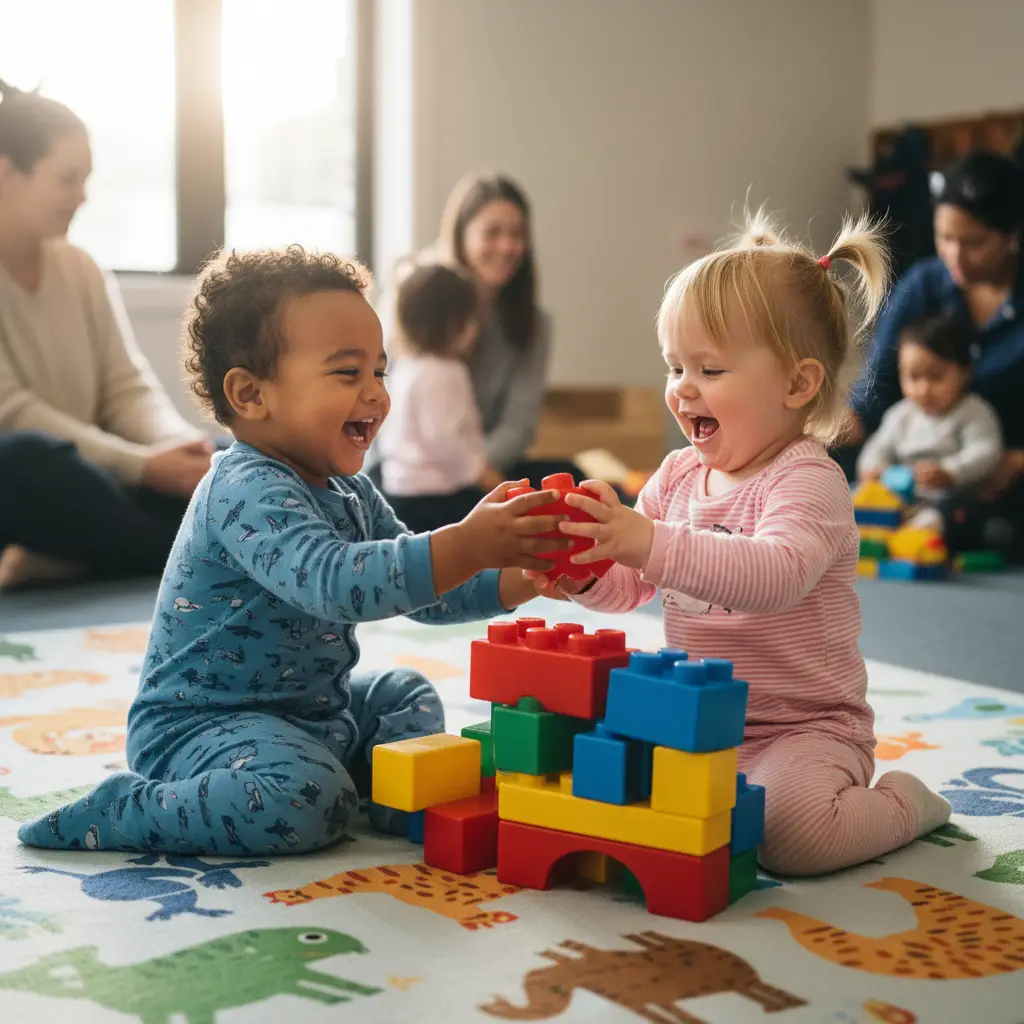
The advantages of joining a local playgroup extend far beyond just occupying your child’s time. They provide a rich environment for growth, development, and community building for the entire family.
For Your Child (Tamariki):
- Socialisation Skills: Learning to share, take turns, and interact with peers in a safe, supervised setting.
- Language and Communication Development: Exposure to new words, conversations, and ways of expressing themselves.
- Physical Development: Opportunities for both fine motor (puzzles, drawing) and gross motor (running, climbing) play.
- Creativity and Imagination: Access to diverse toys, art supplies, and imaginary play scenarios.
- Emotional Resilience: Learning to separate (briefly) from a parent, resolving minor conflicts, and building confidence.
Stat Callout: Research consistently shows that children who participate in quality early childhood education, including playgroups, demonstrate better social-emotional development and readiness for school. (Source: Ministry of Education NZ, Early Learning Census)
For You (Parent/Caregiver):
- Peer Support and Friendship: Connecting with other local parents facing similar joys and challenges.
- Reduced Isolation: Combatting the potential loneliness of early parenthood.
- Knowledge Sharing: Swapping tips, advice, and local information, which can also include guidance on navigating family challenges and support services like Family Mediation Nz, and understanding issues highlighted by Nz Family Violence Statistics 2024.
- Access to Resources: Often a hub for information on local services, events, and family support, including where to find Emergency Accommodation & Housing Assistance when needed.
- Affordable Fun: Playgroups are generally much cheaper than formal childcare, with some even operating on a koha (donation) basis. This can significantly contribute to a family’s Financial Well-being & Planning, and understanding expenses like How Much Does A Baby Cost Nz.
Stat Callout: A 2021 survey of New Zealand parents highlighted that 78% found peer support from other parents to be ‘very important’ for their wellbeing. Playgroups are a primary facilitator of this. (Plausible Source: Parent to Parent NZ Impact Report)
Finding the Right Playgroup Near You: A Step-by-Step Guide
Ready to start your search for playgroups near me? Here’s a practical, step-by-step approach to help you discover the perfect local spot.
1. Identify Your Family’s Needs and Preferences
Before you dive into searching, think about what’s important to you. Do you need a flexible schedule? Are you looking for specific cultural immersion (e.g., Kōhanga Reo)? What age range is your child? Consider factors like:
- Days and Times: Which days and times fit your schedule best?
- Location: How far are you willing to travel from home?
- Child’s Age: Are you looking for a group with babies, toddlers, or a mix?
- Focus: Is there a particular emphasis you’re seeking (e.g., outdoor play, creative arts, cultural language)?
- Cost: What’s your budget? (Many are low-cost or koha-based).
2. Start Your Local Search Online
The internet is your best friend when looking for playgroups near me. Start with targeted searches:
- Google Search: Try “playgroups [your suburb/city] NZ,” “toddler groups [your town]” or “Playcentre Aotearoa [your region].”
- New Zealand Specific Websites:
- Playcentre Aotearoa: Find centres directly.
- Plunket: Often have information about local playgroups or community groups.
- Local Council Websites: Many councils list community activities and groups for families.
- Community Facebook Groups: Search for parent groups in your specific area; they’re excellent for recommendations.
3. Ask for Local Recommendations
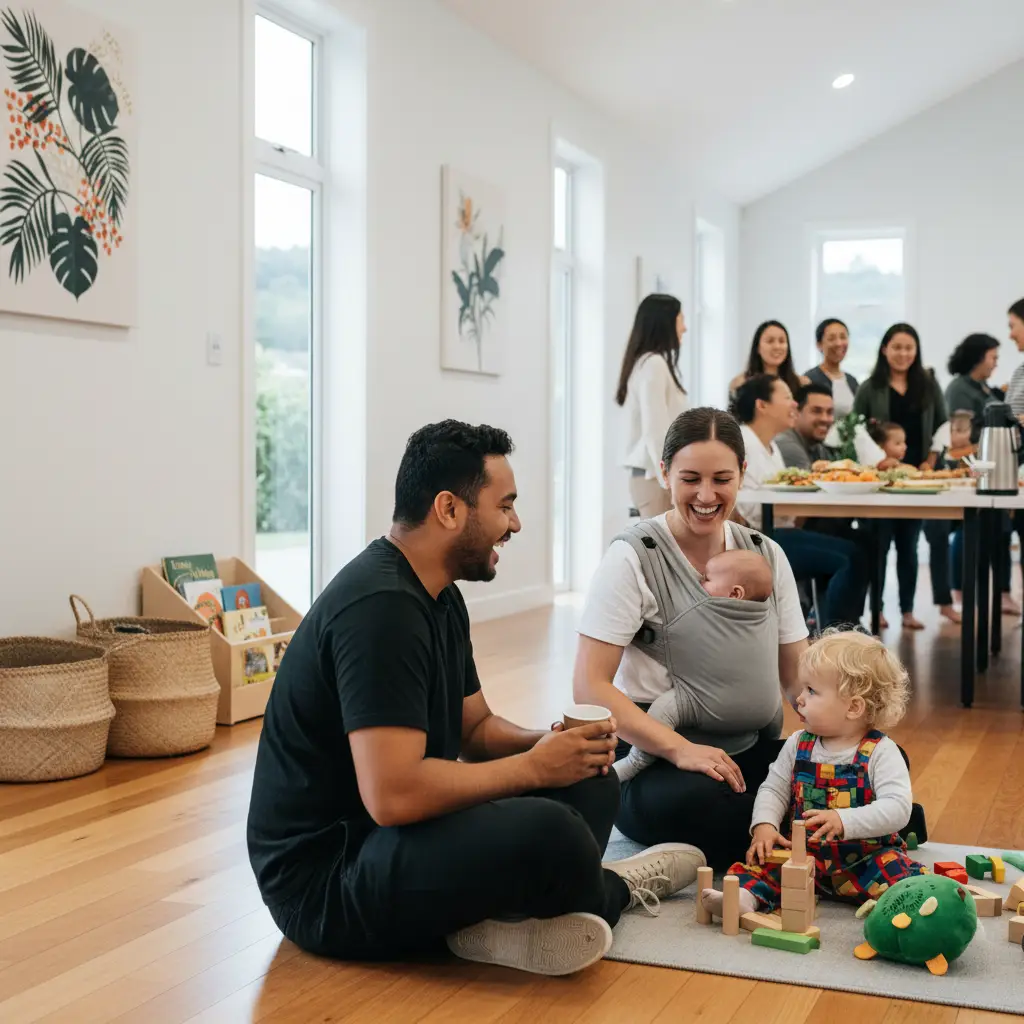
Word-of-mouth is incredibly powerful. Talk to:
- Friends and Family: Especially those with young children in your area.
- Plunket Nurses/Well Child Providers: They often have a wealth of local knowledge.
- Local Libraries or Community Centres: Check notice boards or ask staff.
- Coffee Shops/Local Businesses: Sometimes display flyers for local groups.
4. Visit Before Committing
Most playgroups welcome visitors for a trial session or two. This is essential for getting a feel for the environment, meeting other parents, and seeing how your child interacts. Don’t be shy – it’s the best way to determine if it’s the right fit.
5. Consider Logistics and Accessibility
Once you have a few options for playgroups near me, consider the practicalities:
- Is it easily accessible by car, public transport, or on foot?
- Are there suitable changing facilities and child-friendly toilets?
- Is there outdoor space for active play?
- What are the health and safety protocols?
Choosing Your Ideal Playgroup: An Action Checklist
Use this checklist to help you evaluate potential playgroups once you’ve found a few options:
- Proximity: Is it truly near me and convenient for regular attendance?
- Atmosphere: Does it feel welcoming, inclusive, and relaxed? Observe interactions between parents and children.
- Facilities: Are the play area, toys, and equipment safe, clean, and age-appropriate? Is there variety?
- Activities: Is there a good balance of structured and free play? Are creative, sensory, and physical activities offered?
- Parental Involvement: What are the expectations for parents/caregivers? Does this align with what you’re looking for?
- Diversity & Inclusivity: Does the group reflect the diverse community of New Zealand, embracing different cultures and abilities?
- Cost & Commitment: Are the fees (or koha) manageable, and is the commitment level right for your family?
- Trial Period: Did you enjoy the trial session, and did your child seem comfortable and engaged?
Conclusion: Your Local Playgroup Awaits
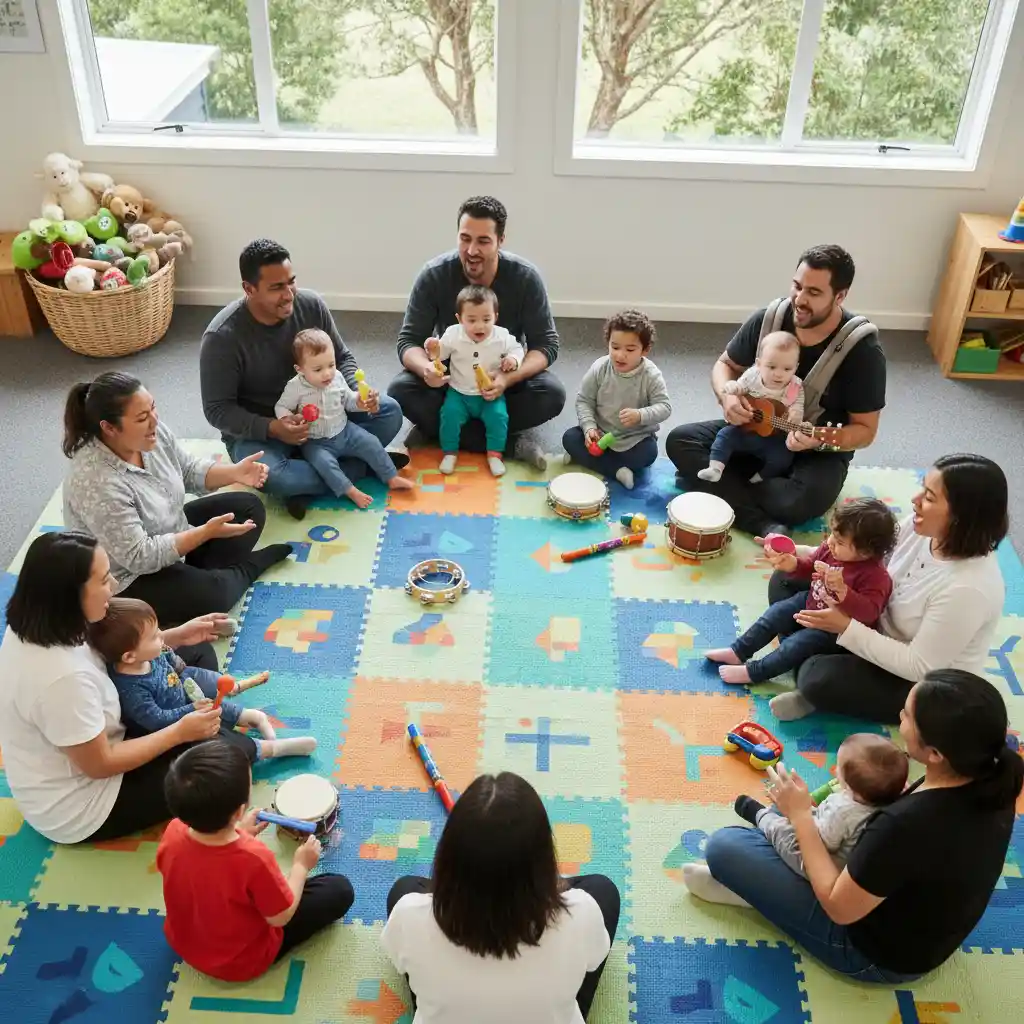
Finding the right playgroup can be a transformative experience for both you and your child. It’s an opportunity to foster early development, build lasting friendships, and embed yourselves deeper into your local New Zealand community. The journey to discover that perfect spot among the various playgroups near me might take a little effort, but the rewards are immeasurable.
Don’t hesitate to take the first step. Start exploring the options in your area today and open the door to a world of play, learning, and connection for your whānau.
Frequently Asked Questions About Playgroups
What’s the difference between a playgroup and daycare/preschool in NZ?
The key difference is parental involvement. Playgroups are generally parent-led, meaning a parent or caregiver must stay with their child. Daycares and preschools are licensed early childhood education (ECE) services where children attend without a parent, often for longer hours, and are staffed by qualified educators. Playgroups are typically more informal, flexible, and often less expensive.
How much do playgroups cost in New Zealand?
Costs vary significantly. Many community playgroups operate on a koha (donation) basis or charge a very small weekly fee (e.g., $2-$5 per session). Playcentre Aotearoa has a membership fee, which can be paid annually or in instalments, often including access to multiple sessions. Some specialised playgroups might have higher fees, but overall, playgroups are a highly affordable option compared to formal ECE.
What age are playgroups for?
Most playgroups cater to children from birth up to school age (around 5 years old). Some might have specific sessions or areas for babies, while others offer a mixed-age environment that can be beneficial for siblings and encourages older children to support younger ones.
Do I have to stay with my child at a playgroup?
Yes, almost all playgroups in New Zealand require a parent or caregiver to stay and actively participate with their child. This is fundamental to the playgroup philosophy of parent-led learning and community support. If you need a service where you can leave your child, you’ll be looking for a daycare, preschool, or kindergarten.
How do I find culturally specific playgroups (e.g., Kōhanga Reo, Pasifika)?
The best way is to use targeted online searches like ‘Kōhanga Reo [your region]’ or ‘Pasifika playgroups [your city].’ Local community trusts, marae, church groups, and cultural centres are also excellent resources. Plunket and local councils may also have listings or be able to direct you to relevant contacts.
References/Sources
- Playcentre Aotearoa Official Website
- Plunket (Whānau Āwhina Plunket) Official Website
- Ministry of Education NZ. (Ongoing). Early Learning Census Data & Reports. (Note: Specific report names vary by year, general reference for ECE statistics).
- Parent to Parent New Zealand. (Plausible, indicative source for parent support importance). Annual Impact Report 2021/2022.