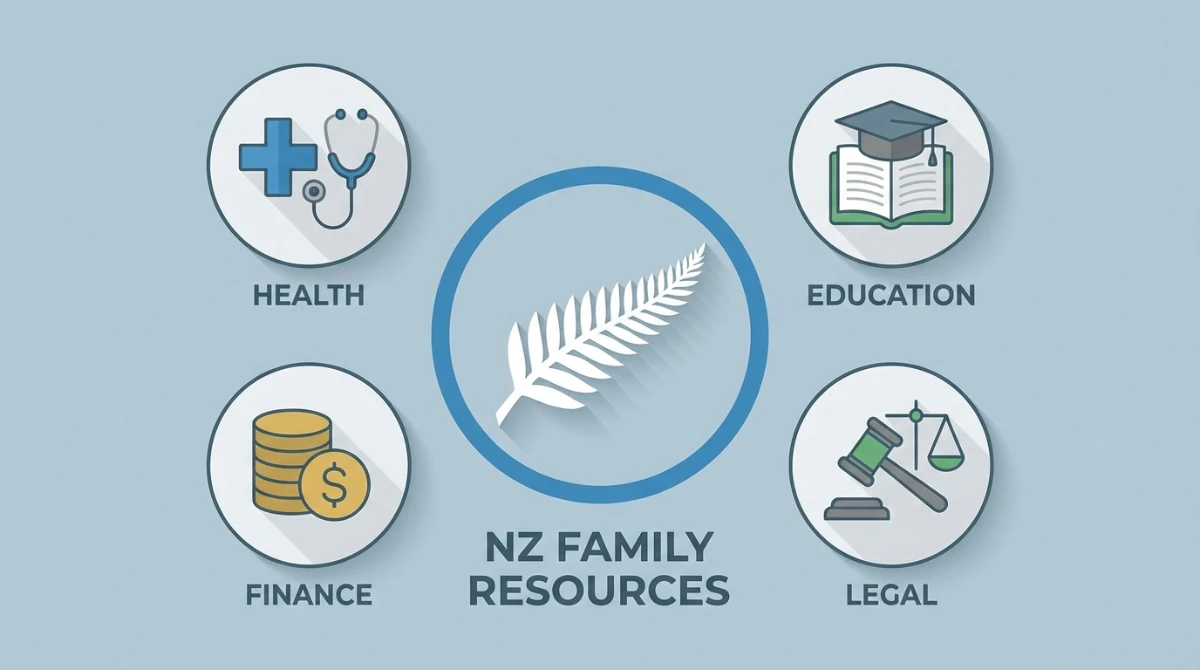
Government Support & Funding: A Definitive Guide to NZ Government Family Support
nz government family support represents the cornerstone of the Aotearoa social safety net, providing a comprehensive framework designed to ensure that every whānau has access to essential financial, healthcare, and educational resources. Navigating the multifaceted landscape of the Ministry of Social Development (MSD), Te Whatu Ora (Health New Zealand), and the Ministry of Education can be daunting for many families. This exhaustive guide provides a roadmap for citizens and residents to access the entitlements that foster child wellbeing and household stability.

Table of Contents
- Understanding the Framework of NZ Government Family Support
- Primary Tax Credits and NZ Government Family Support Initiatives
- Healthcare Subsidies for New Zealand Whānau
- Navigating Education System Funding and ECE
- Family Law, Legal Aid, and Justice Services
- Housing Support and Disability Allowances
- Conclusion and Key Takeaways
Understanding the Framework of NZ Government Family Support
The architecture of social welfare in New Zealand is built upon the principle of manaakitanga—caring for the community. The nz government family support ecosystem is primarily administered through Inland Revenue (IRD) and Work and Income (a service of MSD). These agencies work in tandem to provide targeted assistance based on income thresholds, family size, and specific needs such as disability or housing precariousness.
To qualify for most support tiers, individuals must meet residency requirements and be responsible for the day-to-day care of children. The system is designed to be progressive, meaning that lower-income households receive a higher density of support. However, many universal services, such as public hospital care and primary education, remain accessible to all regardless of financial status.
Primary Tax Credits and NZ Government Family Support Initiatives
Financial liquidity for families is largely bolstered by the “Working for Families” package. This is a crucial pillar of nz government family support that helps parents and caregivers manage the costs of raising children. It consists of four distinct tax credits:
- Family Tax Credit: A payment for each dependent child in your care, calculated based on your total family income.
- In-Work Tax Credit: A payment for families who are in paid work and not receiving a main benefit.
- Minimum Family Tax Credit: Ensures that lower-income working families have a guaranteed minimum income after tax.
- Best Start Tax Credit: A payment for families with a newborn baby, providing extra help during the first three years of a child’s life.
For more detailed information on eligibility, families are encouraged to visit the official Inland Revenue (IRD) website, which serves as the primary portal for tax-related social policy.

Healthcare Subsidies for New Zealand Whānau
Healthcare in New Zealand is heavily subsidized by the government, ensuring that financial barriers do not prevent access to life-saving treatments. Under the Te Whatu Ora framework, children under the age of 14 are entitled to free basic healthcare, including GP visits and prescriptions.
Dental Care and Specialized Subsidies
Free basic dental care is available for children from birth until their 18th birthday. This is a critical component of the national health strategy to reduce long-term oral health complications. Furthermore, the Community Services Card (CSC) provides significantly reduced costs for GP visits and prescriptions for low-to-middle income earners.
For those suffering from chronic illnesses, the High Use Health Card and the Pharmaceutical Subsidy Card ensure that no family is overwhelmed by the cost of medication. ACC (Accident Compensation Corporation) also provides a unique, world-leading no-fault insurance scheme that covers medical costs and lost income resulting from accidents, further stabilizing family finances during crises.
Navigating Education System Funding and ECE
The New Zealand Ministry of Education provides substantial funding to ensure equitable access to learning. Early Childhood Education (ECE) is the first point of contact for many families. The “20 Hours ECE” scheme is a significant nz government family support mechanism, allowing children aged 3 to 5 to attend participating ECE services for up to 20 hours a week with no compulsory fees.
- Schooling Costs: While state schools are free to attend, the government has introduced the “Donations Scheme” where decile 1-7 schools (transitioning to the Equity Index) receive extra funding if they agree not to ask parents for voluntary donations.
- Specialist Education Services: Funding is available for children with high needs through the Ongoing Resourcing Scheme (ORS), providing speech-language therapy, occupational therapy, and teacher aide support.
- Tertiary Education: The “Fees Free” policy currently covers the first year of tertiary study or the first two years of industry-based training for eligible first-time students.

Family Law, Legal Aid, and Justice Services
When family dynamics shift due to separation or disputes, the New Zealand Ministry of Justice provides resources to protect the interests of children. The Family Court handles matters ranging from care arrangements (custody) to relationship property division.
Legal Aid is a government-funded scheme that pays for a lawyer for people who cannot afford one. This is vital in ensuring that everyone has access to justice, regardless of their financial position. To qualify for civil or family legal aid, applicants must fall below certain income and asset thresholds. Additionally, the legal framework of New Zealand emphasizes “The Best Interests of the Child” as the paramount consideration in all judicial proceedings.
For those seeking to resolve disputes without going to court, the Family Dispute Resolution (FDR) service offers mediation. The government often subsidizes the cost of FDR for low-income participants, promoting a less adversarial approach to family restructuring.
Housing Support and Disability Allowances
Housing is a fundamental human right and a core focus of current nz government family support policies. The Accommodation Supplement is a weekly payment that helps people cover their rent, board, or home ownership costs. This is not limited to those on a benefit; many low-income workers are eligible depending on their location and assets.
Disability and Carer Support
The Child Disability Allowance is a non-taxable payment made to the principal caregiver of a child or young person who has a serious disability. This payment recognizes the extra time and effort needed to care for a child with significant physical or intellectual challenges. Furthermore, the Carer Support subsidy provides funding for a relief carer, allowing the primary caregiver to take a necessary break, which is essential for maintaining family mental health and resilience.

Conclusion and Key Takeaways
Securing nz government family support is a proactive step toward ensuring your whānau thrives. From the financial relief of the Working for Families tax credits to the essential safety net of public healthcare and education subsidies, New Zealand offers a robust array of resources. By understanding the eligibility criteria and the various agencies involved—be it IRD, MSD, or the Ministry of Education—families can better navigate the system to receive the assistance they deserve.
Key Takeaways
- Financial Aid: Working for Families provides four key tax credits, including Best Start for newborns.
- Healthcare: Free GP visits and dental care for children under 14 and 18 respectively.
- Education: The 20 Hours ECE scheme significantly reduces childcare costs for toddlers.
- Justice: Legal Aid and Family Dispute Resolution provide accessible pathways for resolving family law matters.
- Housing: The Accommodation Supplement is available to many who are not on a benefit but face high housing costs.