Local Community Resources: The Definitive Guide for NZ Family Support
Est. Read Time: 12 mins | Last Updated: 22 December 2025 01:47 AM
Navigating the complex landscape of local community resources in New Zealand is essential for ensuring whānau well-being, social equity, and immediate access to vital support systems during times of need. Whether you are looking for financial assistance through Work and Income, seeking guidance from the Citizens Advice Bureau, or requiring specialised social service interpretation, understanding how to leverage these local networks can significantly improve your quality of life in Aotearoa.
Understanding Local Community Resources
In the New Zealand context, local community resources encompass a wide range of government-funded, NGO, and iwi-led initiatives designed to provide a safety net for individuals and families. These services range from mental health support and budgeting advice to housing assistance and youth mentoring.

The Ministry of Social Development (MSD) plays a pivotal role, but the true strength of the Kiwi system lies in the decentralised nature of community providers. These organisations understand the specific nuances of their suburbs, from South Auckland to Dunedin, ensuring that help is culturally appropriate and physically accessible.
“The strength of Aotearoa lies not in the individual, but in the collective capacity of our community resources to uplift every whānau.” — Aroha Williams, Social Policy Lead
How to Access Family Support in NZ?
Accessing family support often begins with identifying the primary need—be it financial, emotional, or logistical. The first port of call for many is the Family Services Directory, a comprehensive database maintained by the government to connect users with nearby providers.
- Visit your local Citizens Advice Bureau (CAB) for free, confidential advice on your rights and available services.
- Contact Work and Income (MSD) for financial assistance and emergency grants.
- Engage with Iwi social services if you are seeking a Te Ao Māori approach to whānau ora (family health).
For those requiring urgent intervention, Oranga Tamariki provides statutory support, while organisations like Barnardos or the Salvation Army offer community-based programmes to prevent crises before they escalate. Early engagement is the most effective way to ensure long-term stability.

What Types of Social Services are Available?
The variety of social services in New Zealand ensures that specific needs—from the elderly to the youth—are met with professional expertise. Understanding the categorisation of these local community resources helps in navigating the system more efficiently.
Economic support includes food banks, clothing grants, and micro-financing. Health-related social services include community mental health teams, addiction support groups, and home-care for the elderly. Educational resources often manifest as adult literacy programmes or after-school homework clubs for rangatahi (youth).
- Justice and Advocacy: Community Law Centres provide free legal help for those who cannot afford a private lawyer.
- Housing: Kāinga Ora and community housing providers focus on long-term residential stability.
- Crisis Support: Women’s Refuge and Shine offer essential safety services for those experiencing domestic violence.
How Do Community Resources Impact Social Well-being?
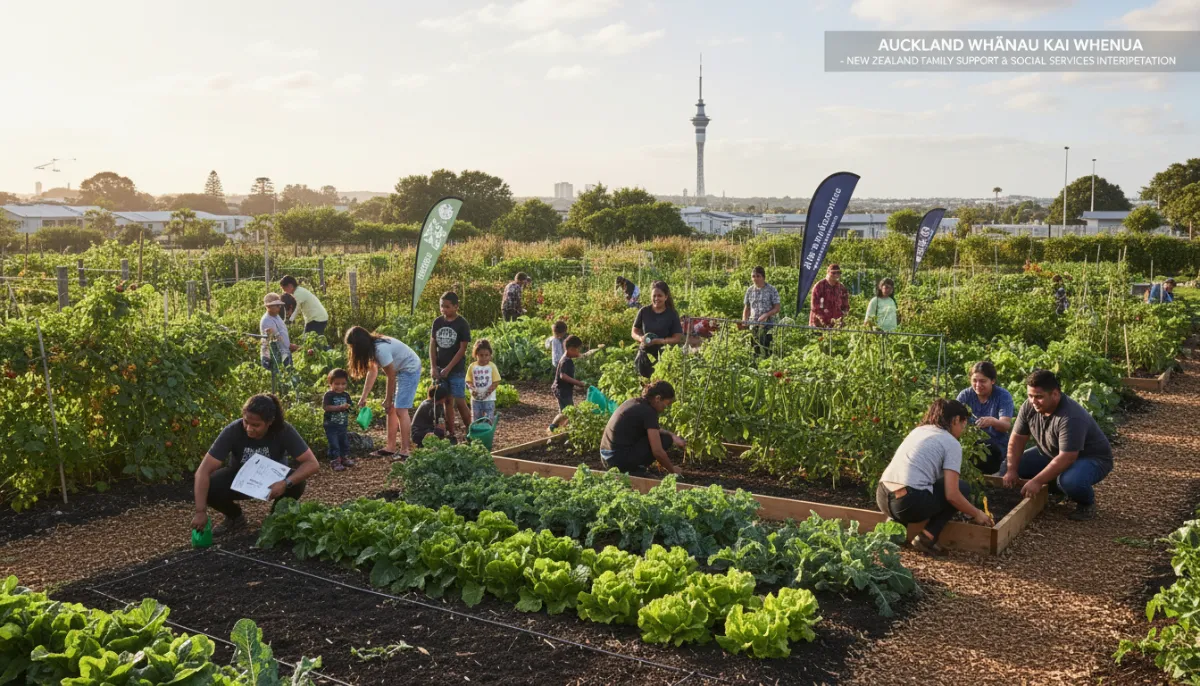
The impact of local community resources on social well-being cannot be overstated. When individuals feel supported by their community, social isolation decreases, and mental health outcomes improve. This is particularly vital in rural areas of New Zealand where physical distance can often lead to a sense of disconnection.
By providing a space for social interaction and mutual aid, community centres foster social capital. This capital is the “glue” that holds society together during economic downturns or natural disasters, as seen during the Christchurch earthquakes and the COVID-19 pandemic response in Aotearoa.
“Social well-being is a metric of how easily a grandmother in Kawerau or a student in Dunedin can find the help they need within five kilometres of their home.” — Expert Commentary
Social Services Interpretation and Accessibility
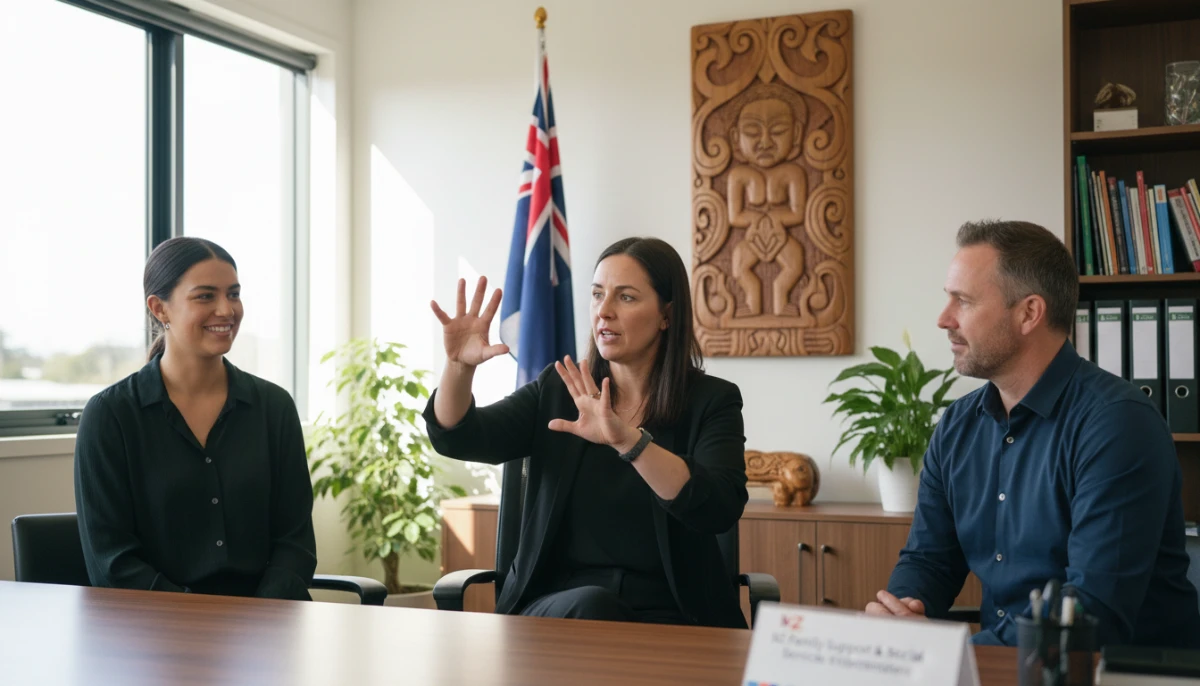
A critical component of modern social services is interpretation. In a multicultural New Zealand, ensuring that local community resources are accessible to those for whom English is a second language is a matter of human rights. This includes NZ Sign Language (NZSL) and various Pasifika and Asian languages.
Interpretation services allow for clear communication between social workers and clients, ensuring that cultural nuances are not lost in translation. Many agencies now employ bicultural practitioners to bridge the gap between Western social work models and indigenous Māori perspectives, ensuring the principles of Te Tiriti o Waitangi are upheld.
Key Takeaways
- Local community resources are the backbone of the New Zealand social safety net.
- Accessing services is easiest via the Citizens Advice Bureau or the Family Services Directory.
- Iwi-led services provide vital culturally-responsive support for Māori whānau.
- Interpretation services are essential for making social support equitable for all Kiwis.
- Early intervention through community-led programmes prevents long-term social crises.