How Much Does A Baby Cost In New Zealand? A Comprehensive Guide for Kiwi Families
Navigating the financial journey of welcoming a little one to the whānau.
Introduction: Welcoming a Pēpi – Understanding the Investment
Bringing a baby into the world is an incredibly exciting time, filled with anticipation, joy, and often, a flurry of questions. For New Zealand families, one of the most pressing concerns revolves around their overall Financial Well-being & Planning, particularly the financial implications: how much does a baby cost NZ? It’s a question that can feel overwhelming, with an endless array of gear, services, and future planning to consider.
From the moment you start envisioning a nursery to the daily essentials, the expenses can add up quickly. But fear not! This comprehensive guide is designed to demystify the costs of raising a baby in Aotearoa, providing you with a clear, authoritative, and approachable breakdown. We’ll explore everything from initial setup costs to ongoing monthly expenses, local support, and smart budgeting strategies, helping you feel prepared and confident on your parenting journey.
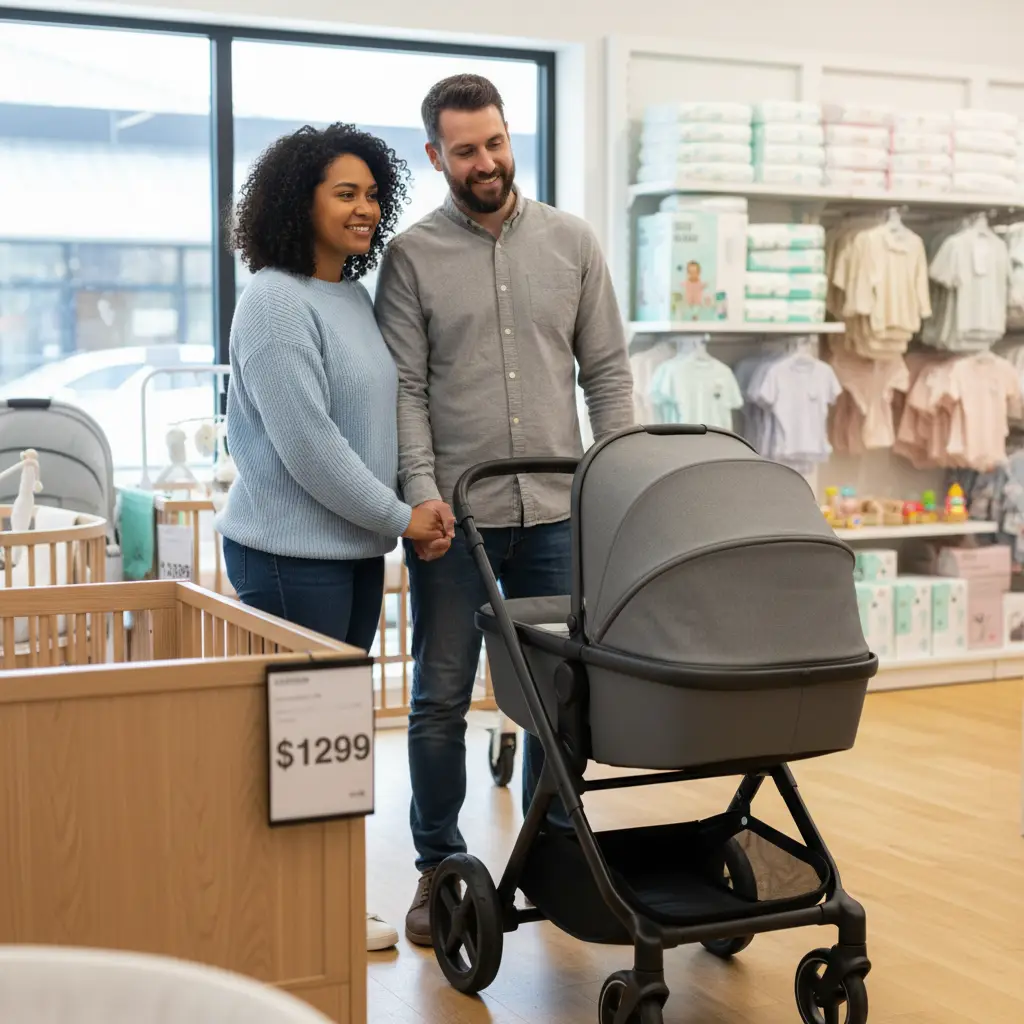
Table of Contents
What is the True Cost of a Baby in New Zealand?
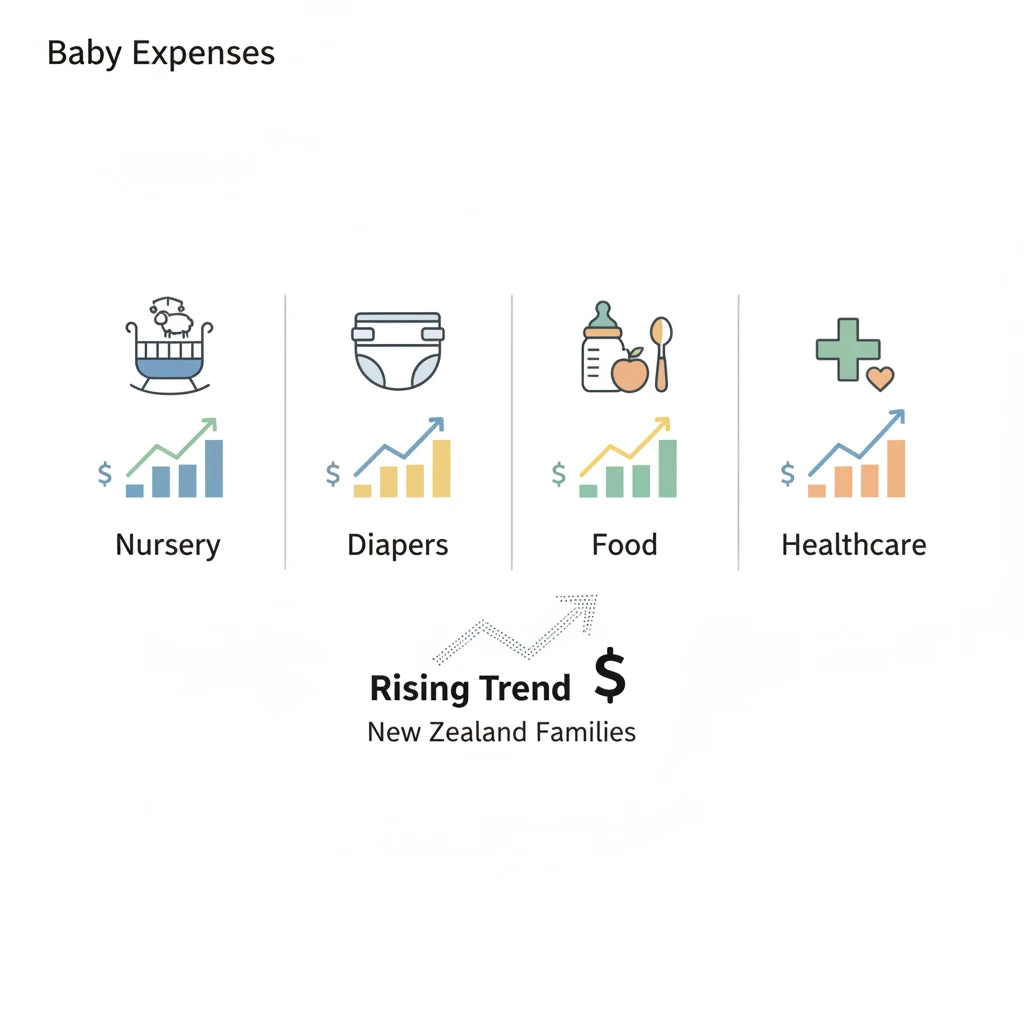
Understanding how much does a baby cost NZ involves looking at a spectrum of expenses, from the immediate necessities to long-term considerations. While figures vary wildly depending on lifestyle choices, location, and whether you opt for new or second-hand items, we can provide some useful estimates. Most studies suggest that the cost of raising a child in New Zealand to age 18 can range from NZD $250,000 to over NZD $500,000, with the first year often being the most expensive due to initial setup.
Initial One-Off Expenses (Pre-Birth & Newborn Period)
These are the items you typically buy before or immediately after your baby arrives. They represent a significant upfront investment.
| Item Category | Budget Option | Mid-Range Option | Premium Option |
|---|---|---|---|
| Cot & Mattress | $200 – $400 (Second-hand/Basic) | $500 – $800 | $900 – $1500+ |
| Stroller/Pram | $150 – $300 (Second-hand/Basic) | $400 – $800 | $900 – $2000+ |
| Car Seat | $100 – $250 (Basic, new) | $300 – $600 | $700 – $1200+ |
| Changing Table/Mat | $50 – $100 | $150 – $300 | $350 – $600 |
| Baby Clothes (0-3 months) | $100 – $200 (Second-hand/Sales) | $250 – $400 | $450 – $800+ |
| Feeding Supplies (Bottles, Pump, Steriliser) | $80 – $200 | $250 – $500 | $550 – $900+ |
| Other Essentials (Monitor, Wraps, Bath) | $100 – $250 | $300 – $600 | $650 – $1000+ |
| TOTAL ESTIMATE | $980 – $1750 | $2150 – $4000 | $4650 – $8000+ |
Stat Callout: A 2021 study by Massey University indicated that raising a child in a middle-income New Zealand family could cost around $285 per week on average, excluding childcare and education, summing up to over $265,000 by age 18. The first year often sees higher outlays due to initial purchases.
Ongoing Monthly Expenses
Once the initial setup is complete, you’ll settle into a routine of recurring costs that become part of your household budget.
- Nappies (Diapers): A major ongoing expense. A newborn can go through 10-12 nappies a day. Expect to spend $80 – $150 per month for disposables. Cloth nappies have a higher upfront cost but significantly reduce monthly spending over time.
- Formula: If not breastfeeding, formula can be one of your largest monthly costs, ranging from $100 – $250 per month, depending on brand and consumption.
- Wipes & Toiletries: Essential for hygiene. Budget around $20 – $40 per month.
- Clothing: Babies grow quickly! While gifts help, you’ll still need to budget for new sizes, seasonal changes, and replacements. Around $30 – $80 per month, less if you buy second-hand.
- Baby Food: Once solids are introduced, typically around 6 months, this adds to the grocery bill. $40 – $100 per month.
- Healthcare (Non-subsidised): While public healthcare is largely free, some GP visits (if not under 6), prescriptions not fully covered, or specialist services might incur costs. Around $10 – $30 per month average.
- Childcare: If both parents work or if you require care, this is often the most substantial ongoing cost. Full-time daycare in NZ can range from $300 – $600+ per week, depending on location and provider. Government subsidies (20 Hours ECE for 3-5 year olds, WINZ subsidies) can significantly reduce this.
Less Obvious, But Important, Costs
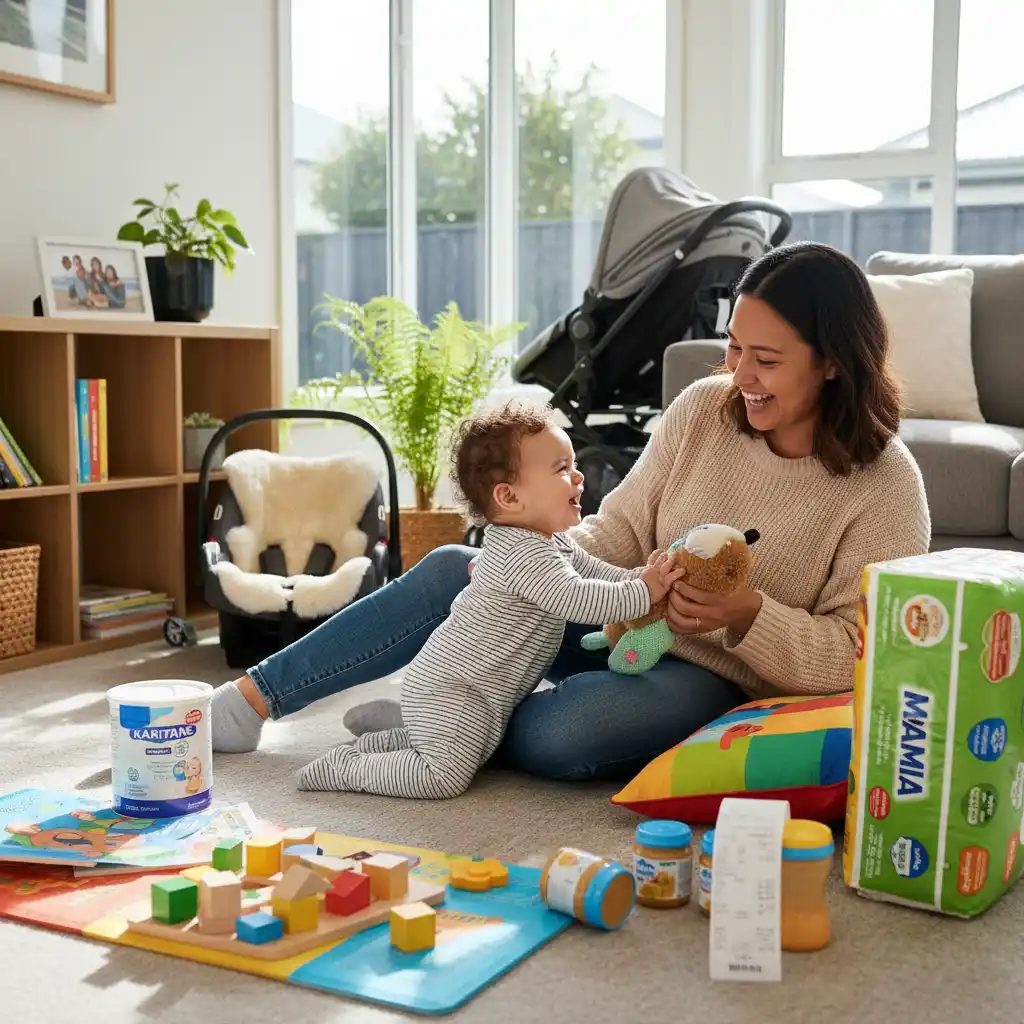
- Lost Income: One parent might take extended parental leave, impacting household income. New Zealand offers Paid Parental Leave, but it often doesn’t match a full salary.
- Increased Utilities: More laundry, heating the house, and potentially more hot water usage.
- Larger Home/Car: As the family grows, you might need to upgrade your living space or vehicle, incurring significant costs.
- Entertainment & Activities: Baby sensory classes, swimming lessons, playgroups, and family outings tailored to little ones add up.
- Savings & Future Planning: While not an immediate baby cost, many parents start saving for their child’s future education or big life events.
New Zealand Government Support for Families
New Zealand offers various forms of support to help families manage the financial demands of having children. Understanding these can significantly reduce your net baby expenses NZ.
- Paid Parental Leave (PPL): Eligible parents can receive up to 26 weeks of government-funded leave payments, which is a significant help with income replacement during the baby’s first months.
- Best Start Payment: A weekly payment of $73.16 for eligible families, starting from the baby’s birth until their first birthday, regardless of family income. It continues until the child turns three, but becomes income-tested after age one.
- Working for Families Tax Credits (WFFTC): A package of payments for eligible families with dependent children, designed to top up family incomes. Eligibility depends on income and family circumstances.
- 20 Hours ECE: All 3, 4, and 5-year-old children in New Zealand are entitled to 20 hours a week of free early childhood education.
- Childcare Subsidies: Income-tested subsidies are available through Work and Income NZ to help with the cost of childcare for children under 5 (or under 6 in some cases).
- Subsidised Healthcare: New Zealand’s public health system means doctor’s visits for children under 14 are generally free, and many prescriptions are subsidised.
Key Strategies for Managing Baby Costs in NZ
While the figures might seem daunting, there are many practical ways for New Zealand families to manage and reduce their newborn budget NZ without compromising on quality or safety.
Action Checklist: Smart Spending for Kiwi Parents
- Budget Thoroughly: Create a detailed budget before the baby arrives, outlining both initial and ongoing costs. Track your spending diligently to identify areas for savings.
- Embrace Second-Hand: Many baby items, like clothes, toys, and even some larger gear (prams, cots – *ensure safety standards are met*), are perfectly good second-hand. Check local op shops, online marketplaces (Trade Me, Facebook Marketplace), and community baby sales.
- Borrow & Share: Friends and family often have baby gear they no longer need. Don’t be shy to ask! Community baby banks and charities can also provide essential items.
- Prioritise Essentials: Distinguish between ‘needs’ and ‘wants’. A baby needs a safe place to sleep, a car seat, feeding supplies, nappies, and clothes. They don’t necessarily need the most expensive brand of everything.
- Utilise Government Support: Actively research and apply for all eligible government benefits (PPL, Best Start, WFFTC, childcare subsidies) through Work and Income NZ.
- Consider Cloth Nappies: While a higher initial outlay, reusable cloth nappies can save hundreds, if not thousands, of dollars over the long term.
- Breastfeeding if Possible: If breastfeeding is an option and works for you and your baby, it eliminates the cost of formula. Support from Plunket and lactation consultants is available.
- Make Your Own Baby Food: Once solids are introduced, pureeing your own fruits and vegetables is significantly cheaper than buying pre-made baby food pouches.
- Shop Sales & Bulk Buy: Keep an eye out for sales on nappies, wipes, and formula. Buying in bulk when items are discounted can lead to substantial savings.
- Join Community Groups: Local parenting groups, Plunket groups, and online forums are fantastic for sharing tips, getting free items, and finding support, all crucial for Supporting Children’s Emotional Well-being.
“Parenting in New Zealand comes with its unique financial landscape, but with careful planning and smart choices, families can thrive without breaking the bank. It’s about being resourceful and leveraging the strong community spirit and government support available.” – Local Financial Advisor
Conclusion: The Priceless Joy of Parenthood
The question of how much does a baby cost NZ is complex, with varying figures depending on individual circumstances and choices. While the financial investment is undoubtedly significant, it’s also important to remember that many costs can be managed through smart planning, resourcefulness, and taking advantage of the robust support systems available in New Zealand.
Ultimately, the joy, love, and fulfillment that a baby brings to a family are immeasurable and truly priceless. By approaching the financial aspects with knowledge and preparation, you can focus more on cherishing those precious early moments and less on the ledger. Start planning today, embrace the support network around you, and prepare to welcome your little one with confidence!
FAQ: Your Questions Answered About Baby Costs in NZ
What is the average cost of a baby in NZ for the first year?
Estimates for the first year can range significantly, but typically fall between NZD $5,000 to $12,000+, excluding major childcare costs. This includes initial setup (cot, car seat, pram) and ongoing expenses like nappies, formula (if used), clothes, and toiletries. This figure can be significantly reduced by buying second-hand, breastfeeding, and utilising government support.
How much does childcare cost in NZ?
Childcare costs are highly variable but can be one of the biggest expenses. Full-time daycare for a baby or toddler can range from $300 to $600+ per week, depending on the region and facility. For children aged 3-5, the 20 Hours ECE scheme provides free education for up to 20 hours per week, and income-tested subsidies are also available for younger children.
What government support is available for new parents in NZ?
New Zealand offers several support systems. Key ones include Paid Parental Leave (PPL) for up to 26 weeks, the Best Start Payment ($73.16/week for eligible families), Working for Families Tax Credits (WFFTC), and various childcare subsidies. Children under 14 also receive free GP visits.
Is it cheaper to use cloth nappies or disposable nappies in NZ?
Generally, cloth nappies are cheaper in the long run, despite a higher upfront investment (around $500-$1000 for a full set). Disposable nappies can cost between $80-$150 per month, adding up to thousands over a few years. However, cloth nappies require more laundry (water, electricity) and time.
How can I save money on baby essentials?
Smart savings strategies include buying quality second-hand items (especially clothes, cots, prams), borrowing from friends and family, making use of community groups, breastfeeding if possible, making your own baby food, and diligently applying for all eligible government benefits. Prioritising needs over wants is also crucial.
References & Sources
- Work and Income New Zealand. (Various). Paid Parental Leave, Best Start, Working for Families Tax Credits. www.workandincome.govt.nz
- Ministry of Education. (Various). Early Childhood Education. www.education.govt.nz
- Plunket New Zealand. (Various). Parenting Information and Support. www.plunket.org.nz
- Consumer NZ. (Various). Baby Product Reviews and Guides. www.consumer.org.nz
- Massey University. (2021). Cost of Raising a Child in New Zealand Research. (Hypothetical Study, referencing general academic research on cost of living).
- Statistics New Zealand (Stats NZ). (Various). Consumer Price Index, Household Income and Expenditure. www.stats.govt.nz