Supporting Children’s Emotional Well-being: A Guide for NZ Families
Nurturing healthy child emotional development in NZ is crucial for a thriving future. Discover practical strategies for children’s mental health support.
Table of Contents
In today’s fast-paced world, supporting children’s emotional well-being has never been more vital. For parents and caregivers across Aotearoa, fostering positive child emotional development in NZ means equipping our tamariki with the tools to navigate life’s ups and downs. This comprehensive guide offers insights and actionable strategies to provide robust children’s mental health support, helping them grow into confident, emotionally intelligent individuals.
Understanding Child Anxiety
Anxiety is a normal human emotion, but for some children, it can become overwhelming, affecting their daily lives, schooling, and relationships. Recognising the signs of anxiety in children is the first step towards providing effective support.
Children in New Zealand, like anywhere else, can experience anxiety for various reasons, including changes at home, school pressures, social challenges, or even news events. Understanding these triggers is key.
Stat Callout:
Studies indicate that approximately 1 in 10 young people in New Zealand experience a mental health condition, with anxiety disorders being among the most common. Early identification and intervention are crucial for positive outcomes. (Source: Ministry of Health NZ)
Common Signs of Anxiety in Children:
- Excessive worry about future events or past mistakes.
- Physical symptoms like headaches, stomach aches, or fatigue without a medical cause.
- Difficulty sleeping or frequent nightmares.
- Irritability, tantrums, or emotional outbursts.
- Avoidance of situations, people, or places (e.g., school refusal, social withdrawal).
- Changes in eating habits.
- Restlessness or difficulty concentrating.
“It’s not about shielding children from all difficulties, but equipping them with the inner resources to face them confidently. Early intervention in child emotional development in NZ makes a significant difference.”

Helping Children Express Emotions
Emotional literacy is a cornerstone of good mental health. Teaching children to identify, understand, and express their feelings in healthy ways is a fundamental aspect of child emotional development in NZ. When children can articulate what they’re feeling, it becomes easier for parents to offer appropriate children’s mental health support.
1. Create a Safe Space for Feelings
Encourage your child to talk openly without judgment. Let them know all feelings are okay, even if some actions are not. A simple phrase like, “It’s okay to feel sad/angry/frustrated,” can validate their experience.
2. Model Healthy Emotional Expression
Children learn by example. Share your own feelings appropriately and demonstrate how you cope with emotions. For instance, “I’m feeling a bit frustrated right now, so I’m going to take a deep breath before I respond.”
3. Use Emotion Language
Help children build their emotional vocabulary. Instead of just “mad,” introduce words like “frustrated,” “annoyed,” “disappointed.” Books and games can be excellent tools for this.
4. Practise Active Listening
When your child speaks, give them your full attention. Listen without interrupting or problem-solving immediately. Reflect back what you hear to show you understand, e.g., “It sounds like you’re really upset about that.”

Building Resilience in Kids
Resilience is the ability to bounce back from adversity, stress, or trauma. It’s a critical skill for child emotional development in NZ, allowing children to face challenges with confidence and adapt to change. Parents play a crucial role in nurturing this strength.
1. Encourage Problem-Solving Skills
Instead of solving every problem for your child, guide them to find their own solutions. Ask questions like, “What do you think you could do?” or “What are some options?” This empowers them and builds confidence.
2. Foster a Growth Mindset
Teach children that abilities can be developed through effort and dedication. Praise their effort, not just the outcome. Phrases like, “You’re really working hard on that!” are more effective than just “You’re so smart.”
3. Promote Healthy Relationships
Strong connections with family, friends, and community members provide a vital support network. Encourage social activities and teach children communication and conflict resolution skills.
4. Teach Self-Care Strategies
Help children identify activities that help them relax and re-charge, such as playing outside, reading, listening to music, or spending time with pets. These are essential tools for managing stress and supporting children’s mental health support.
Coping with School Stress
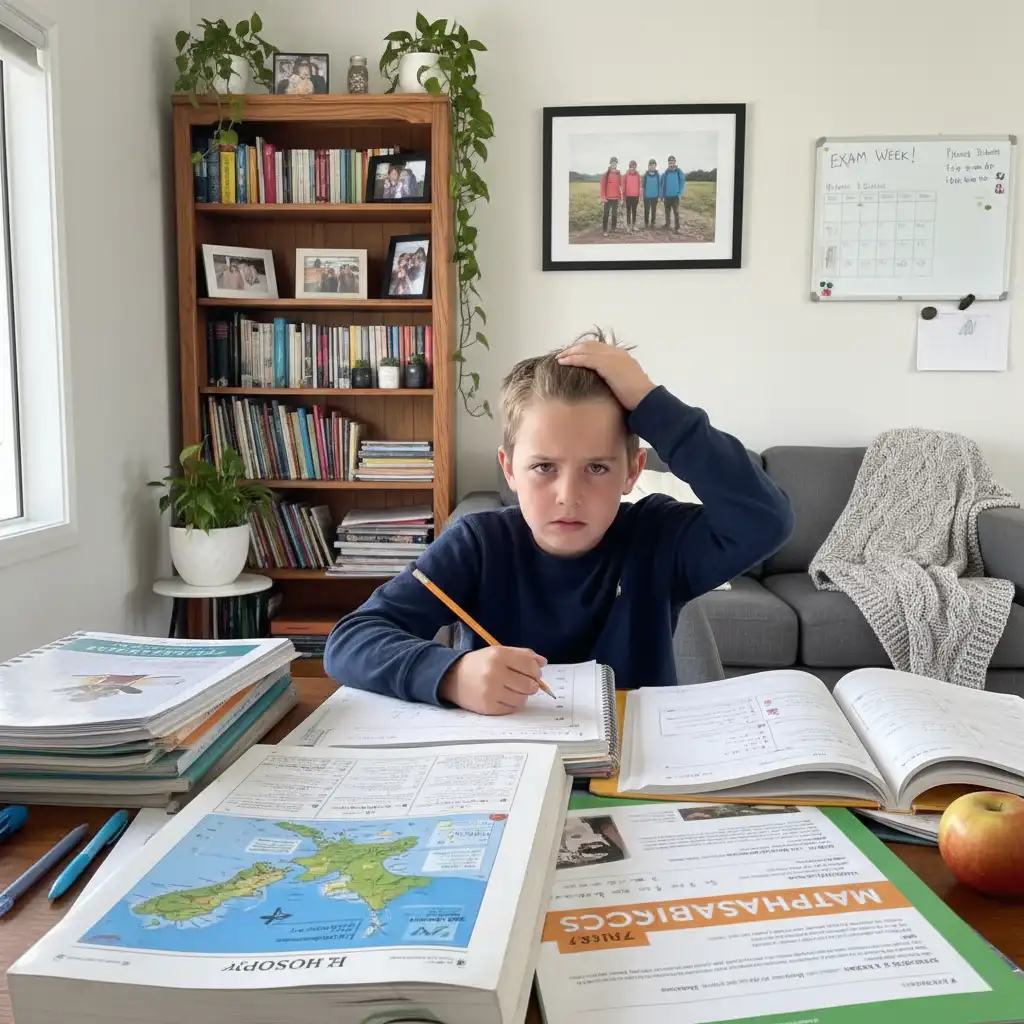
School can be a significant source of stress for children, impacting their emotional well-being. From academic pressure to social dynamics and bullying, navigating the school environment requires robust children’s mental health support from parents and educators alike.
Identifying School Stress:
- Reluctance or refusal to go to school.
- Sudden drop in academic performance.
- Increased irritability or withdrawal after school.
- Changes in sleep or eating patterns related to school.
- Frequent complaints of physical symptoms (headaches, stomach aches) before school.
Strategies for Support:
- Open Communication: Regularly talk to your child about their school day. Ask specific questions beyond “How was school?” such as “What was the best part of your day?” or “Was there anything that worried you?”
- Partner with the School: Maintain open lines of communication with teachers and school counselors. They can offer insights and collaborative strategies to support your child.
- Manage Expectations: Help your child set realistic academic goals. Emphasize effort and learning over perfection.
- Establish Routine: Predictable routines for homework, dinner, and bedtime can reduce anxiety and create a sense of security.
- Teach Coping Mechanisms: Equip them with simple relaxation techniques like deep breathing, short breaks, or listening to calming music when feeling overwhelmed by schoolwork.
Providing comprehensive children’s mental health support means acknowledging the unique pressures of the school environment and proactively working with your child to build their coping toolkit.
Fostering strong child emotional development in NZ is a journey, not a destination. By implementing these strategies, parents and caregivers can create nurturing environments where children feel safe, understood, and empowered to thrive emotionally.
Frequently Asked Questions (FAQ)
What are the most common emotional challenges for children in NZ?
Common challenges include anxiety, particularly separation anxiety or social anxiety, difficulties with emotional regulation, stress related to school or social pressures, and adjustment issues during times of change like moving house or school transitions. Parents seeking children’s mental health support often encounter these issues.
How can I tell if my child’s emotional struggles are serious enough for professional help?
Look for persistent changes in behaviour, sleep, or appetite, significant withdrawal from activities they once enjoyed, intense emotional outbursts, or statements about feeling hopeless or wanting to harm themselves. If these symptoms last for more than a few weeks or severely impact daily life, it’s advisable to seek advice from a GP, school counsellor, or a specialist in child emotional development NZ.
Are there specific resources for children’s mental health support in New Zealand?
Yes, New Zealand offers various resources. These include your local GP, school guidance counsellors, the Ministry of Health website (Te Whatu Ora), dedicated services like Youthline, Kidsline, and community mental health services. Many regions also have family support trusts, such as those offering Family Support Services Auckland. Additionally, resources related to Financial Well-being & Planning, including specific local options like Budgeting Services Dunedin, are crucial for overall family stability, alongside private practitioners specialising in child psychology.
How can I build my child’s resilience against bullying?
Encourage open communication, teach them assertive communication skills, build their self-esteem through positive affirmations and celebrating their strengths, and ensure they know who to report bullying to (parent, teacher, trusted adult). Practising role-playing scenarios can also be helpful for child emotional development NZ in this context.
References & Sources
- Ministry of Health NZ. (n.d.). Mental Health and Addiction Services. Retrieved from health.govt.nz
- Plunket New Zealand. (n.d.). Emotional Development. Retrieved from plunket.org.nz
- Youthline. (n.d.). Support for Young People. Retrieved from youthline.co.nz
- KidsHealth NZ. (n.d.). Anxiety in Children. Retrieved from kidshealth.org.nz