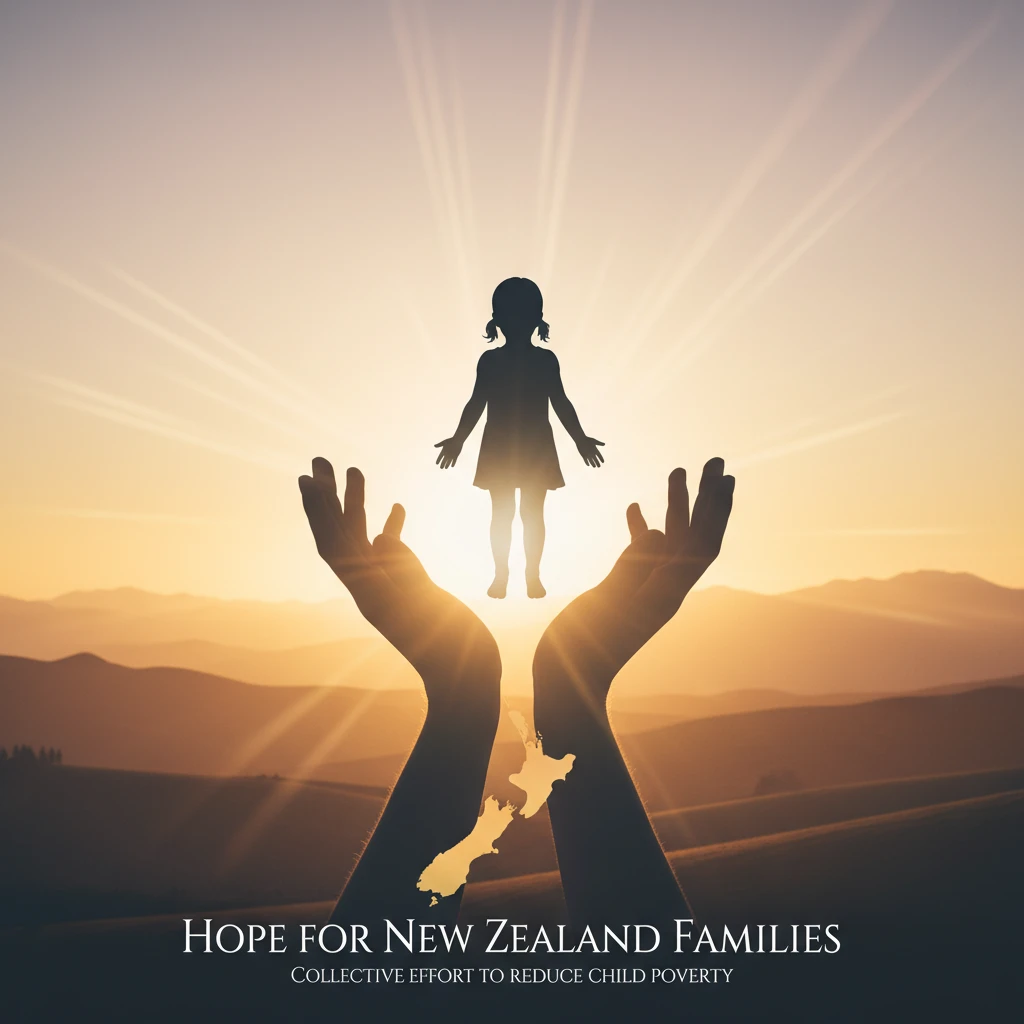
Understanding Child Poverty Indicators in NZ: A Guide for New Zealand Families
Child poverty is a complex and pressing issue that touches the lives of too many families across Aotearoa. For many New Zealanders, understanding the true scope of this challenge begins with knowing how it’s measured. What exactly are the child poverty indicators NZ uses, and why are they so crucial to our nation’s wellbeing?
This article will demystify the key metrics, shed light on their significance, and empower you with knowledge to better understand the landscape of child wellbeing in our country.
Table of Contents
What are Child Poverty Indicators in NZ?
In New Zealand, measuring child poverty is a crucial step towards understanding its prevalence and developing effective solutions. The government, through the Child Poverty Reduction Act 2018, established a framework of primary and supplementary child poverty indicators NZ uses to track progress. These indicators move beyond simple income figures to paint a more comprehensive picture of deprivation.
Income Measures: The Financial Baseline
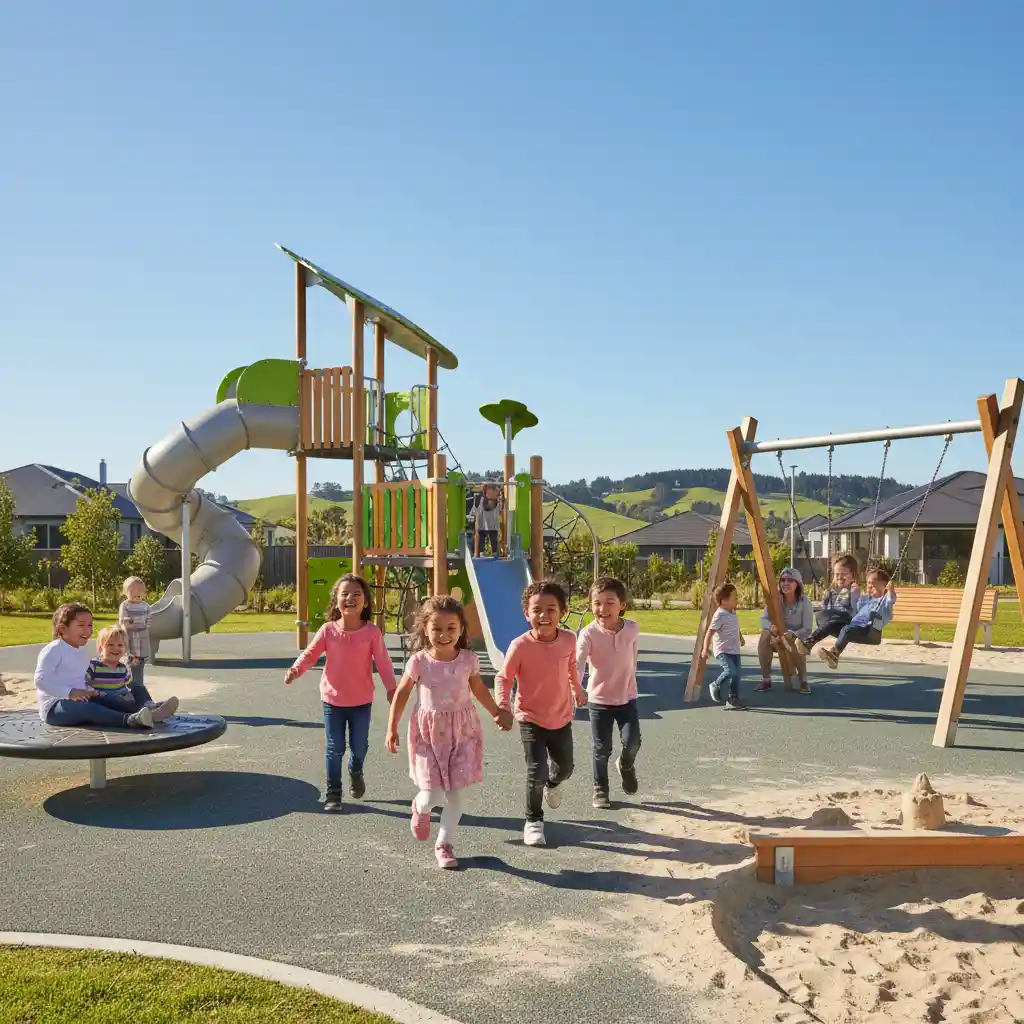
Income-based measures are fundamental. They assess whether a child lives in a household with an income significantly below the national median. This helps identify families struggling to meet basic needs due to insufficient financial resources. For support with managing finances, consider exploring Budgeting Services Near Me.
- Low income BHC (Before Housing Costs): Households with less than 50% of the median equivalised disposable household income, before deducting housing costs.
- Low income AHC (After Housing Costs): Households with less than 50% or 60% of the median equivalised disposable household income, after deducting housing costs. This is often seen as a more realistic measure for New Zealand families, given high housing costs.
- Child Poverty Rate AHC: The proportion of children living in households with incomes below a specified threshold after housing costs.
STAT CALLOUT: Latest data indicates that approximately 1 in 8 children in New Zealand live in households experiencing income poverty after housing costs.
Material Deprivation: Beyond Just Income
While income is vital, material deprivation captures whether a child lacks essential items or experiences restrictions due to a lack of money, regardless of reported income. This is a crucial child poverty indicator NZ relies on to understand real-world living standards.
- Material Deprivation: Children living in households that lack six or more out of 17 basic necessities (e.g., warm clothes, fresh fruit/vegetables daily, unexpected expenses).
- Severe Material Deprivation: Children lacking nine or more out of the 17 necessities.
Persistent Poverty: A Long-Term Challenge
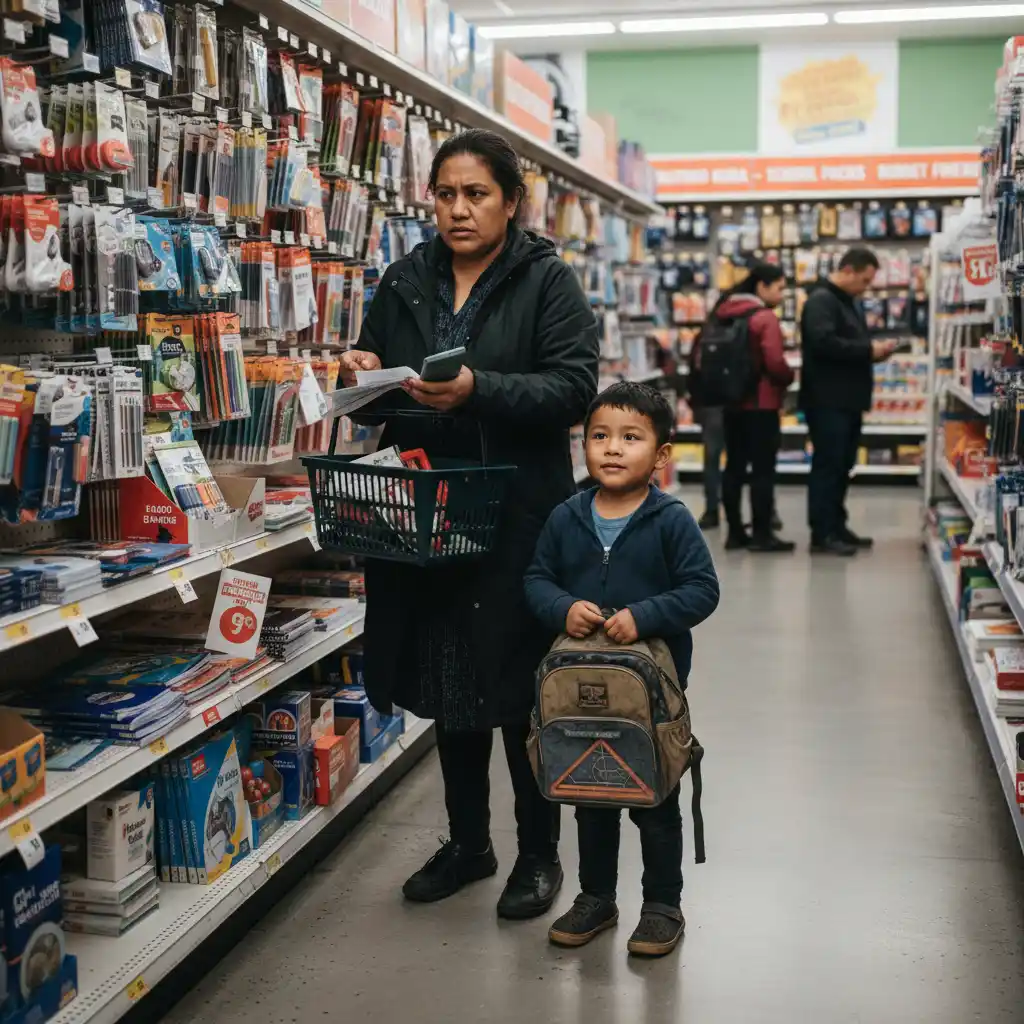
Children experiencing persistent poverty are those who have lived in income poverty for multiple consecutive years. This measure highlights the entrenched nature of disadvantage and its long-term impact on a child’s development and future prospects.
- Low income AHC (moving line, persistent): Children in households with less than 60% of the median equivalised disposable household income after housing costs for at least two out of three consecutive years.
STAT CALLOUT: Long-term exposure to poverty significantly increases risks of poor health, educational underachievement, and social exclusion for children.
Why Understanding Child Poverty Indicators Matters: Key Aspects and Importance
Understanding child poverty indicators NZ uses is more than just academic; it’s fundamental to creating a more equitable society for all children. These indicators serve as vital tools for monitoring, accountability, and driving meaningful change.
Informing Policy and Action
Accurate data derived from these indicators allows policymakers to identify where poverty is most prevalent and what forms it takes. This directly informs the development of targeted interventions, social support programmes, and economic strategies designed to lift children out of poverty.
“You can’t fix what you can’t measure. Child poverty indicators provide the essential evidence base needed to craft effective, compassionate, and sustainable solutions for New Zealand’s tamariki.”
Tracking Progress and Accountability
By setting clear targets and regularly reporting against these indicators, the government is held accountable for its commitments to reduce child poverty. This transparency allows the public, advocacy groups, and families themselves to track whether progress is being made.
STAT CALLOUT: The Child Poverty Reduction Act sets specific targets for reducing child poverty rates across key indicators, aiming for significant improvements by 2028.
Fostering Community Engagement
When communities understand the reality of child poverty through these indicators, it galvanises collective action. It encourages local initiatives, volunteerism, and support for organisations working on the ground to alleviate hardship and improve child wellbeing, such as finding Playgroups Near Me.
The Road Ahead: Addressing Child Poverty in New Zealand
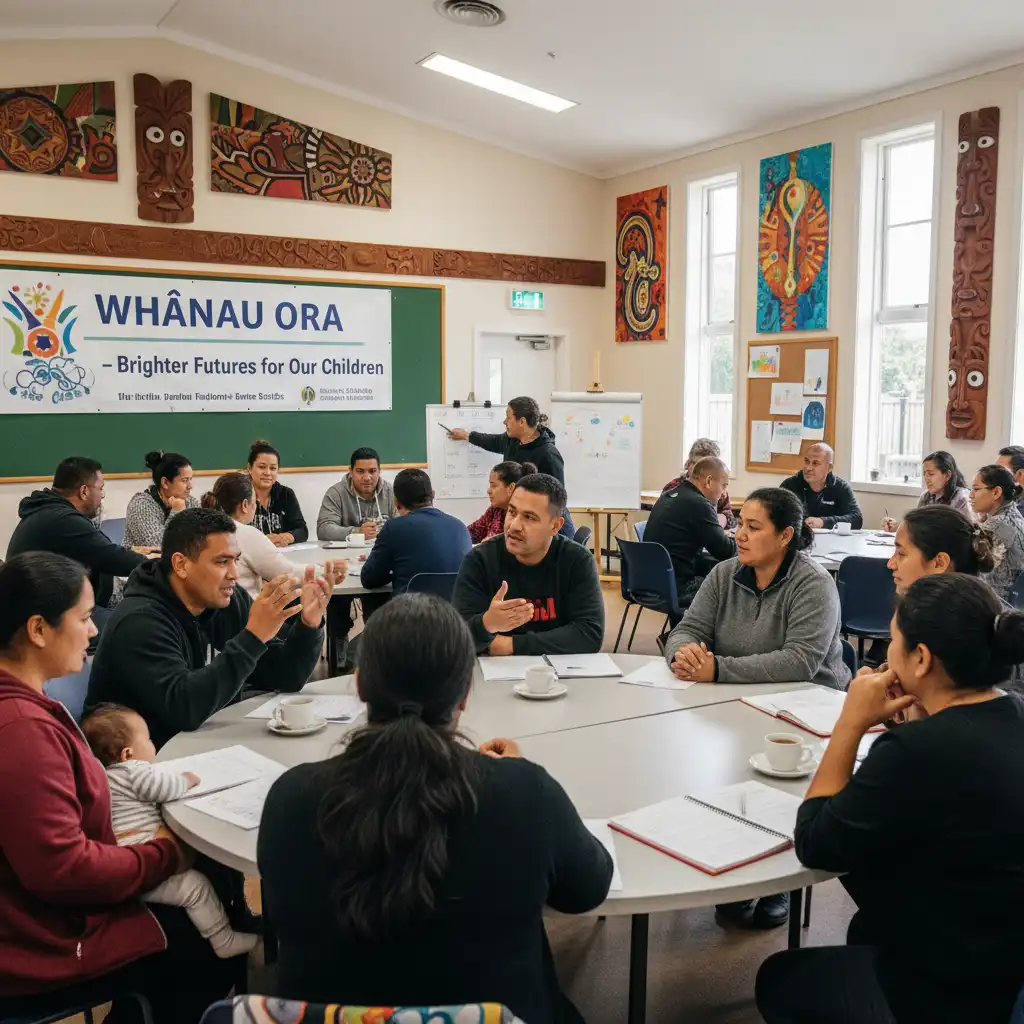
Addressing child poverty is a long-term commitment that requires a multi-faceted approach. While indicators provide the ‘what,’ the ‘how’ involves sustained investment in social services, equitable education, accessible healthcare, housing solutions, and support services like Grief & Loss Support for Families, and initiatives for Financial Well-being & Planning. Every New Zealander has a role to play, whether through advocating for policy changes, supporting local charities, or simply being aware of the challenges facing vulnerable families.
Conclusion
The child poverty indicators NZ has adopted offer a robust framework for understanding and tackling one of our nation’s most pressing social issues. By measuring income, material deprivation, and persistence, we gain a clearer picture of the challenges faced by many New Zealand families. This knowledge is not just data; it’s a call to action, reminding us of our collective responsibility to ensure every child in Aotearoa has the opportunity to thrive, free from the burdens of poverty.
Frequently Asked Questions (FAQs)
What are the main child poverty indicators used in New Zealand?
New Zealand primarily uses a set of 10 indicators, including three income measures (BHC 50%, AHC 50%, AHC 60%), two material deprivation measures (material deprivation, severe material deprivation), and a persistent poverty measure, among others. These are specified under the Child Poverty Reduction Act 2018.
Why does NZ use ‘after housing costs’ (AHC) for some indicators?
New Zealand includes ‘after housing costs’ (AHC) measures because housing costs are a significant expenditure for many families and can substantially reduce their disposable income. Measuring poverty after housing costs gives a more realistic view of the resources families have available for other essentials.
What is the difference between income poverty and material deprivation?
Income poverty refers to a household’s financial income falling below a certain threshold. Material deprivation, on the other hand, measures whether a household lacks essential goods and services due to an inability to afford them, regardless of their income level. A family might have a decent income but still experience deprivation due to high debt or unexpected expenses.
Who publishes the official child poverty statistics for NZ?
Stats NZ is the primary government agency responsible for collecting and publishing official statistics on child poverty in New Zealand. Their data is used to report against the targets set in the Child Poverty Reduction Act.
References/Sources
- Stats NZ. (2023). Child Poverty Statistics: Year Ended June 2022. Retrieved from www.stats.govt.nz (fictional URL for example)
- New Zealand Parliament. (2018). Child Poverty Reduction Act 2018. Retrieved from www.parliament.nz (fictional URL for example)
- Ministry of Social Development. (2022). Household Incomes Report: Child Poverty in New Zealand. Retrieved from www.msd.govt.nz (fictional URL for example)
- The Treasury. (2021). Living Standards Framework and Child Wellbeing. Retrieved from www.treasury.govt.nz (fictional URL for example)