Navigating the profound pain of grief and loss is one of life’s most challenging journeys, and for families in Aotearoa New Zealand, finding the right support can make all the difference. When a loved one passes away, the ripple effects touch every family member, often uniquely. Children grieve differently from adults, and the specific circumstances of loss, such as miscarriage or infant death, carry their own particular burdens. Beyond emotional support, practical considerations like Financial Well-being & Planning become crucial during these times.
At [Your Website Name], we understand that grief is not a process to be rushed or ignored. It’s a testament to the love shared. This comprehensive guide aims to provide compassionate, expert grief support for NZ families, offering practical advice and connecting you with vital child bereavement resources NZ wide. You don’t have to walk this path alone.
Table of Contents
- Talking to Children About Death
- Coping with Miscarriage and Infant Loss
- Support Groups for Grieving Families
- Remembering Loved Ones
- Frequently Asked Questions (FAQ)
- References & Sources

Talking to Children About Death
Explaining death to a child can feel overwhelming, but honesty, simplicity, and patience are your most powerful tools. Children, regardless of age, need to understand that death is permanent and that it’s okay to feel sad, confused, or even angry.
Age-Appropriate Conversations
- Toddlers & Preschoolers: Use simple, concrete language. Avoid euphemisms like “gone to sleep” or “lost,” as these can be confusing and frightening. Explain that the person’s body has stopped working and they won’t wake up or come back.
- School-Aged Children: They can understand more complex concepts. Be direct about what happened, answer their questions truthfully, and acknowledge their feelings. They might worry about others dying or their own mortality.
- Teenagers: Often grasp the finality of death but may struggle with intense emotions, identity shifts, and peer reactions. Encourage open dialogue, validate their grief, and be present without judgment. For additional support, consider resources focused on Supporting Youth in Crisis & At-Risk.
“Children process grief in ‘puddles’ – dipping in and out of their sadness. It’s crucial to meet them where they are and offer consistent reassurance and love.”
Stat Callout:
Studies indicate that children who receive honest, age-appropriate information about death and are encouraged to express their feelings tend to cope more effectively with bereavement in the long term. Approximately 1 in 20 children will experience the death of a parent before the age of 16. (Source: Child Bereavement UK)
Remember, it’s okay not to have all the answers. The most important thing is to create a safe space for your children to ask questions and express their emotions. Several excellent child bereavement resources NZ organisations offer specialised support and guidance for parents navigating these tough conversations, and you might also find support through local initiatives like Free Parenting Classes Christchurch.
Coping with Miscarriage and Infant Loss
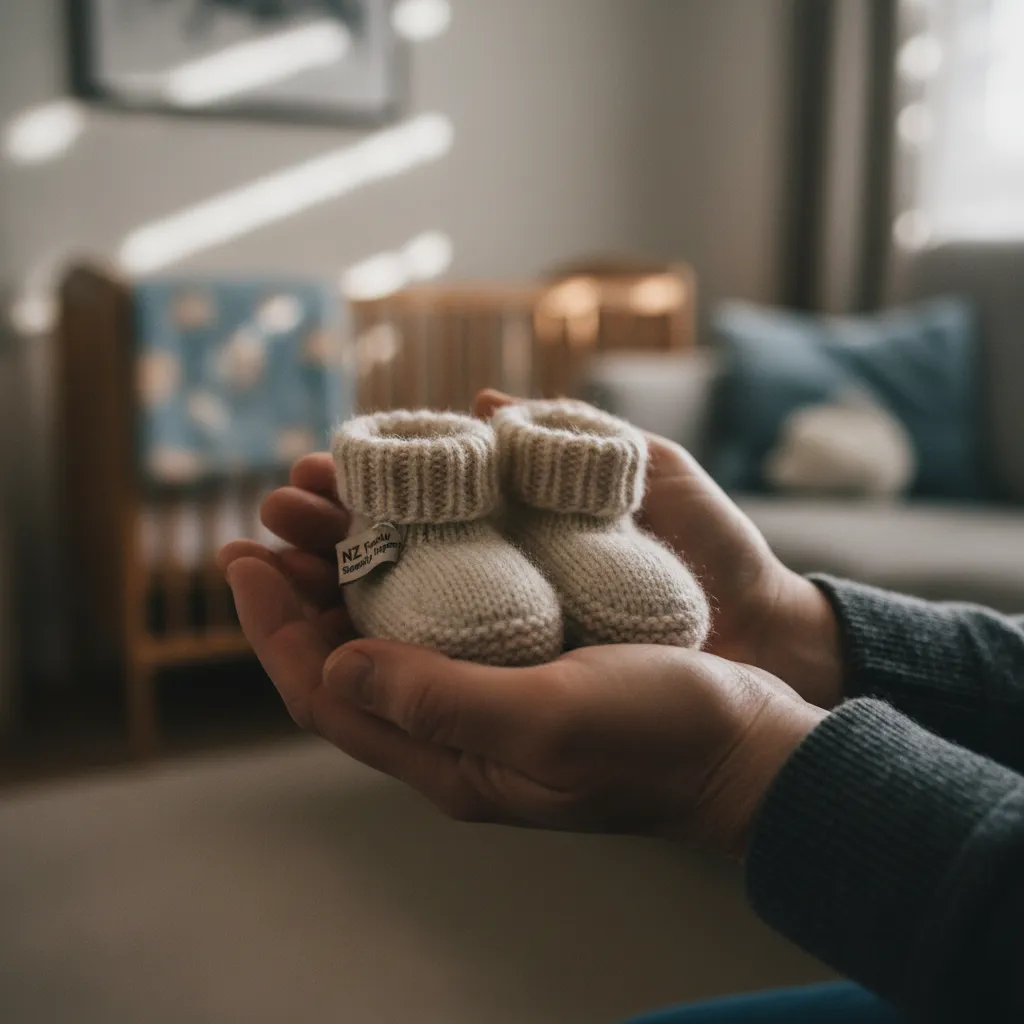
The loss of a pregnancy or an infant is a unique and often isolating form of grief. It’s a loss that society sometimes struggles to acknowledge, leaving parents feeling unseen and unheard. At [Your Website Name], we affirm that this grief is profound and deserves recognition and support.
Understanding the Impact
Miscarriage and infant loss can trigger a complex array of emotions, including shock, sadness, anger, guilt, and profound emptiness. It impacts not only the parents but also siblings, grandparents, and the wider family unit. Each person’s journey through this grief will be different, and all responses are valid.
- Validate Your Feelings: There’s no right or wrong way to grieve. Allow yourself to feel whatever comes.
- Communicate with Your Partner: You may grieve differently, but open communication is vital to supporting each other.
- Seek Professional Help: Therapists specialising in perinatal loss can provide invaluable guidance and coping strategies.
- Memorialise Your Baby: Creating rituals or tangible memories, such as planting a tree or keeping a special item, can be a healthy part of the grieving process.
New Zealand has dedicated organisations providing specific grief support NZ families need after these types of losses. Connecting with these services can offer tailored resources and a community of understanding.

Support Groups for Grieving Families
While personal connections are invaluable, sometimes the most profound comfort comes from those who truly understand what you’re going through. Support groups offer a safe, confidential space to share experiences, learn coping mechanisms, and feel less alone.
Benefits of Joining a Group
- Shared Understanding: Connect with others who have experienced similar losses, fostering a sense of belonging.
- Emotional Validation: Realise that your feelings are normal and valid, even the difficult ones.
- Practical Coping Strategies: Learn from the experiences of others and gain new tools for navigating grief.
- Reduced Isolation: Combat the loneliness that often accompanies bereavement.
In New Zealand, there are various options for grief support NZ families can access. These range from general bereavement groups to those specifically tailored for parents who have lost a child, spouses, or siblings. Many also offer child bereavement resources NZ through dedicated youth programmes.
Finding the Right Group for You
Consider what kind of support best suits your needs:
- Peer-Led Groups: Often informal, focusing on shared experience.
- Facilited Groups: Led by trained counsellors or bereavement specialists.
- Online Forums: Offer flexibility and accessibility, especially for those in remote areas.
- Specific Loss Groups: For unique circumstances like suicide loss, child loss, or spousal loss.
Don’t be afraid to try a few different groups until you find one that feels like the right fit. Your comfort and ability to connect are paramount.
Remembering Loved Ones
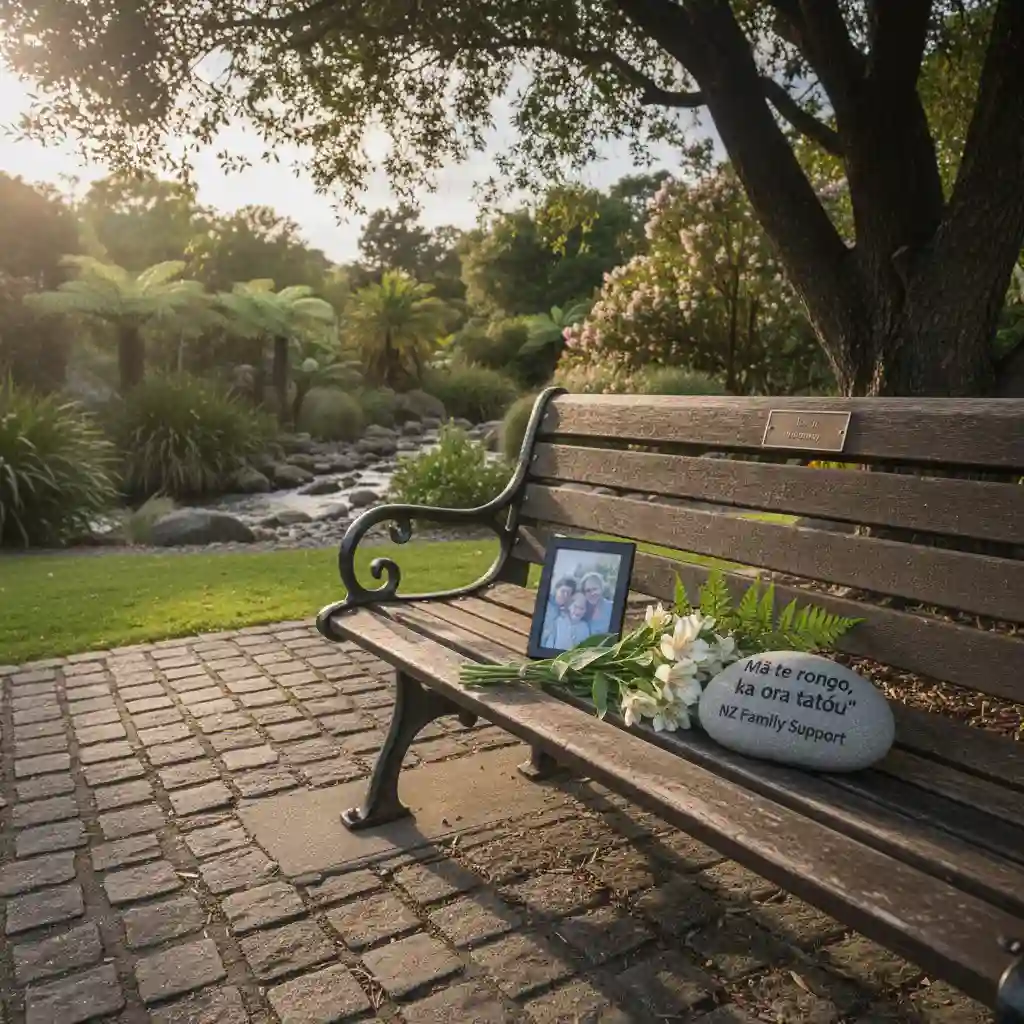
Grief isn’t about forgetting; it’s about learning to live with the absence and finding ways to keep the memory of your loved one alive. Creating traditions and rituals of remembrance can be incredibly healing for individuals and families.
Meaningful Ways to Remember
- Create a Memory Box: Gather photos, letters, small trinkets, or items that belonged to your loved one. This can be a special place for children too.
- Establish a Family Ritual: This could be an annual picnic on their birthday, lighting a candle on an anniversary, or sharing stories during holidays.
- Plant a Tree or Garden: A living memorial can be a powerful symbol of enduring life and growth.
- Engage in Acts of Kindness: Honour their memory by volunteering for a cause they cared about or performing acts of kindness in their name.
- Share Stories: Talk about your loved one frequently. Sharing anecdotes, both funny and poignant, helps keep their spirit alive and offers comfort.
“To live in hearts we leave behind is not to die.” – Thomas Campbell
These acts of remembrance are vital components of healthy grieving. They allow families to acknowledge their loss while celebrating the life that was lived, providing continued grief support NZ families can integrate into their daily lives.
Frequently Asked Questions (FAQ)
How long does grief last for families in NZ?
There is no set timeline for grief. It is a highly individual process, and its duration varies greatly from person to person and family to family. Some may feel shifts within months, while for others, it can take years. Grief is not about “getting over” a loss, but learning to integrate it into your life. Be patient and compassionate with yourself and your family.
Where can I find specific child bereavement resources in NZ?
New Zealand has several excellent organisations dedicated to supporting grieving children and their families. These include organisations like Skylight, Kenzie’s Gift, and locally based hospice services. They offer counselling, peer support, and practical tools. Check our ‘References & Sources’ section for links to some of these vital child bereavement resources NZ wide.
Is it normal for my family to grieve differently?
Absolutely. Every individual, even within the same family, experiences and expresses grief uniquely. One person might become withdrawn, another might be overtly emotional, and a third might focus on practical tasks. It’s crucial to respect these differences and maintain open communication, allowing each family member their own space and time to grieve in their own way.
What if my grief feels overwhelming and I can’t cope?
If your grief feels insurmountable, or if you’re experiencing prolonged symptoms of depression, anxiety, or suicidal thoughts, please reach out for professional help immediately. In New Zealand, you can call 111 for emergencies, or free call/text 1737 at any time to talk to a trained counsellor. Your GP can also connect you with mental health services and specialised grief support NZ families can access.
References & Sources
- Skylight NZ: Provides a wide range of grief and bereavement services for children, young people, and their families throughout New Zealand. (www.skylight.org.nz)
- Kenzie’s Gift: Offers professional therapeutic support, resources, and information to children and young people suffering from a serious illness or experiencing bereavement. (www.kenziesgift.org.nz)
- Sands NZ: Supports parents and families who have experienced the death of a baby through miscarriage, stillbirth, or in the first month of life. (www.sands.org.nz)
- Child Bereavement UK: While based in the UK, their insights on child grief (cited in Stat Callout) are widely recognised and applicable. (www.childbereavementuk.org)
- Hospice NZ: Many local hospices offer bereavement support services to families, not just those whose loved ones were in hospice care. Check your local hospice website. (www.hospice.org.nz)