Spotting the Early & Subtle Signs of Anxiety in Children
Understanding how anxiety manifests in tamariki (children) is crucial for their well-being in New Zealand, a perspective deeply rooted in the WhāNau Wellbeing Framework.
As parents, caregivers, and whānau (family), we strive to provide a safe and nurturing environment for our children. Yet, sometimes, beneath the surface of everyday life, a child might be grappling with anxiety. Unlike adults, children often lack the words to express their inner turmoil, making it challenging to identify when they’re struggling. Recognising the signs of anxiety in children, especially the subtle and early warning indicators, is the first step towards offering timely support and ensuring their healthy emotional development.
Table of Contents
- Introduction
- Understanding Anxiety in Children: More Than Just Worry
- Emotional & Behavioural Signs of Anxiety in Children
- Physical Manifestations: When Anxiety Shows Up in the Body
- Why Early Recognition of Anxiety Signs in Children Matters
- When to Seek Professional Help
- Conclusion
- Frequently Asked Questions (FAQs)
- References & Sources
Introduction
Every child experiences worries from time to time – it’s a natural part of growing up and navigating new experiences. However, for some children, these worries can become overwhelming, persistent, and begin to interfere with their daily life, friendships, and learning. This can be a sign of anxiety. In New Zealand, understanding and identifying these indicators early is key to supporting our tamariki.
This article aims to equip parents and caregivers with the knowledge to recognise the various signs of anxiety in children, ranging from common behavioural shifts to more subtle physical complaints. By knowing what to look for, you can better understand your child’s struggles and take appropriate steps to help them thrive.
Understanding Anxiety in Children: More Than Just Worry
Anxiety is a natural human emotion – a feeling of apprehension or dread. It becomes a concern when it’s disproportionate to the situation, persistent, or starts to impact a child’s ability to engage in typical activities. For children, anxiety isn’t just about feeling scared; it can manifest in a myriad of ways that might not immediately scream ‘anxiety’.
STAT: According to studies, approximately 1 in 8 children and adolescents experience an anxiety disorder globally. In New Zealand, mental health statistics highlight that anxiety disorders are among the most common mental health challenges faced by young people.
Source: Plausible New Zealand health report (see References).
How Anxiety Differs in Children
- Developmental Stage: What’s normal for a toddler (e.g., separation anxiety) might be concerning for an older child.
- Expression: Children often can’t articulate ‘I feel anxious’. Instead, they ‘act out’ or present physical symptoms.
- Triggers: School, social situations, family changes, or even seemingly minor events can be major anxiety triggers for a child.
Emotional & Behavioural Signs of Anxiety in Children
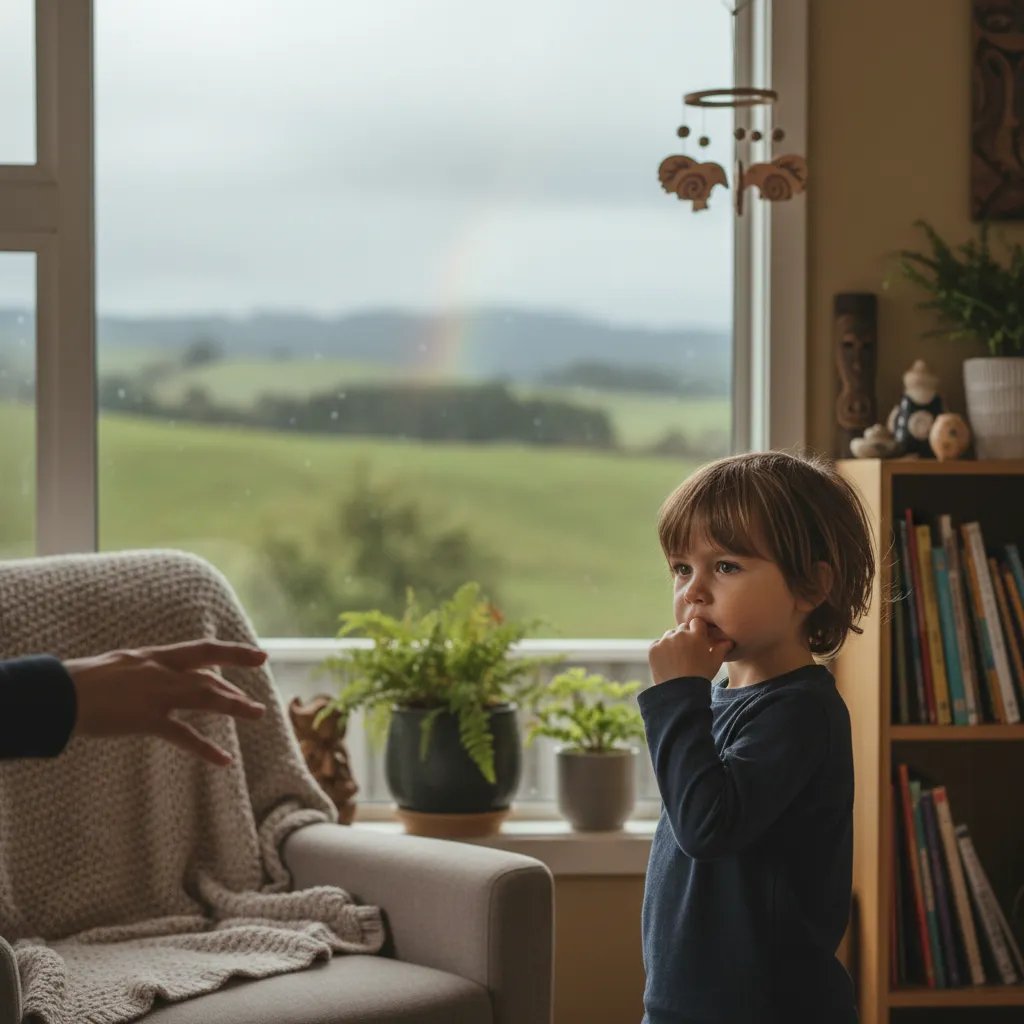
These are often the most noticeable signs of anxiety in children, though they can sometimes be mistaken for defiance or shyness. Pay close attention to persistent patterns rather than isolated incidents.
Withdrawal and Avoidance
A child might start avoiding situations or activities they once enjoyed. This could be declining invitations to play, refusing to go to school, or shying away from new experiences.
- Avoiding social gatherings or playdates.
- Refusing to participate in class or school activities.
- Hesitancy to try new things or meet new people.
Increased Irritability or Anger
Anxious children are often living with a heightened state of stress, making them more prone to emotional outbursts, meltdowns, or unexplained anger. They might struggle to regulate their emotions, leading to frequent frustration.
Difficulty Concentrating
Constant worry can make it hard for a child to focus on schoolwork, conversations, or even play. You might notice a drop in academic performance or them seeming ‘distracted’ frequently.
Clinginess or Separation Difficulties
While normal for toddlers, excessive clinginess, difficulty saying goodbye, or intense distress when separated from a primary caregiver can be a significant sign of anxiety in children, especially as they get older.
Perfectionism and Self-Criticism
Some anxious children develop intense perfectionist tendencies, fearing mistakes and harsh self-criticism. They might spend excessive time on tasks or avoid them altogether if they fear they won’t be ‘perfect’.
“Children experiencing anxiety often feel a deep need for control in a world that feels unpredictable. This can manifest as rigidity, perfectionism, or an overwhelming need for reassurance.”
Sleep Difficulties and Nightmares
Trouble falling asleep, frequent waking, or recurring nightmares can be a direct result of an anxious mind that struggles to switch off. Fear of the dark or being alone at night can also intensify.

Physical Manifestations: When Anxiety Shows Up in the Body
Children often experience anxiety physically because their bodies react to stress even if their minds can’t fully process it. These can be some of the more subtle signs of anxiety in children.
Frequent Stomach Aches or Headaches
One of the most common physical expressions of anxiety. If there’s no clear medical explanation, recurrent complaints of ‘tummy aches’ or headaches, especially before school or social events, could be anxiety.
Restlessness or Fidgeting
Anxious children might appear constantly on edge. This can include fidgeting, nail-biting, hair-twisting, or an inability to sit still.
Changes in Appetite
Anxiety can lead to either a significant increase or decrease in appetite. Some children might comfort eat, while others lose interest in food entirely.
Why Early Recognition of Anxiety Signs in Children Matters
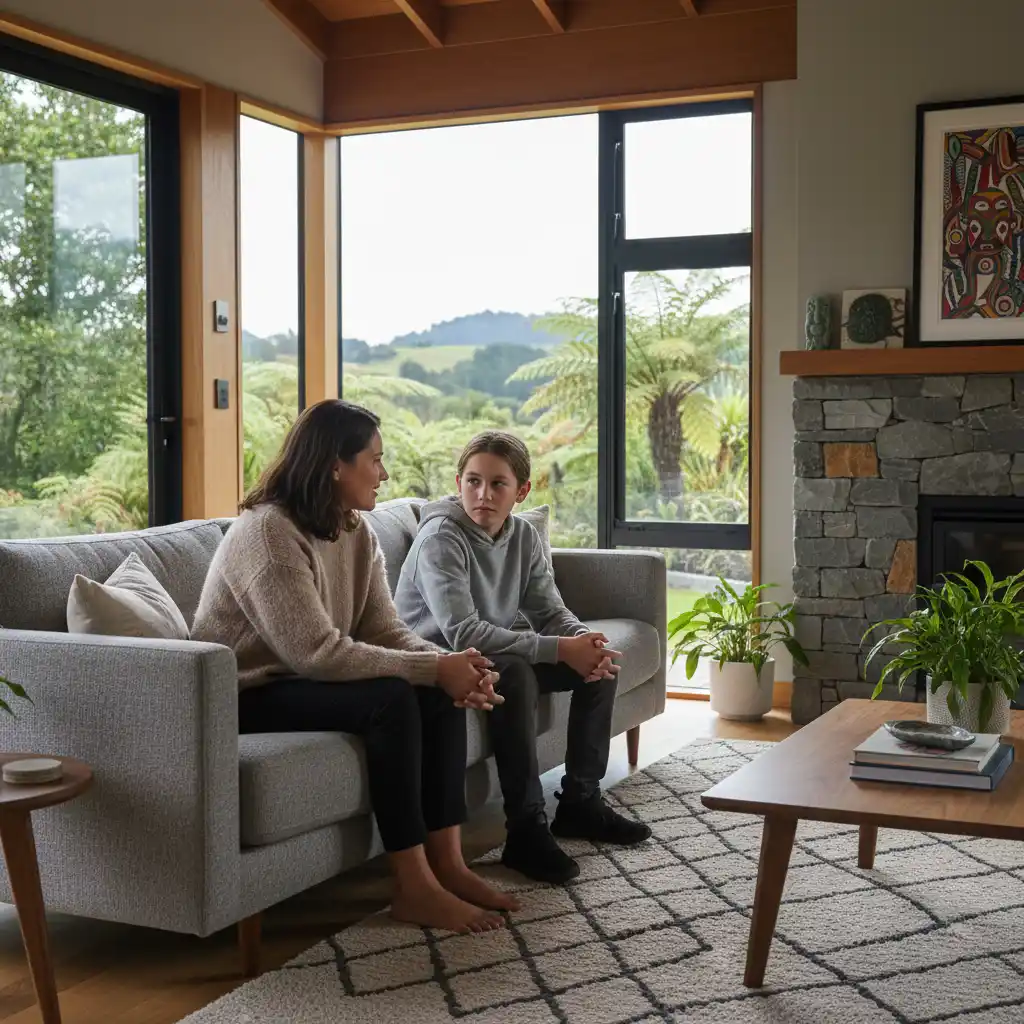
Identifying early warning signs of anxiety in children isn’t just about managing current distress; it’s about setting them up for long-term emotional resilience. The ‘benefits’ here are profoundly impactful on their future development.
- Prevents Escalation: Untreated anxiety can worsen over time, potentially leading to more severe mental health challenges in adolescence and adulthood.
- Enhances Coping Skills: Early intervention teaches children healthy coping mechanisms, often guided by effective Positive Parenting Techniques & Discipline, before unhelpful patterns become deeply ingrained.
- Improves School Performance: Reducing anxiety can significantly improve a child’s ability to concentrate, learn, and engage positively in the school environment.
- Fosters Healthy Relationships: When anxiety is managed, children are better equipped to form and maintain friendships and family bonds.
- Boosts Self-Esteem: Overcoming anxiety, even with support, empowers children and builds their confidence.
“Early support for children’s mental well-being is an investment in their future. It teaches them that their feelings are valid and that help is available.”
When to Seek Professional Help
While all children experience some worries, if you observe several of these signs of anxiety in children consistently over several weeks, or if they are significantly impacting your child’s daily life, school, or relationships, it’s time to seek professional advice. Start with your GP, a school counsellor, or a child psychologist here in New Zealand. They can offer guidance, strategies, and potential pathways for holistic support, which can extend to areas like Financial Well-being & Planning, Housing Affordability & Mortgages for Families, and even specific Housing Support For Large Families.
Remember, reaching out is a sign of strength and commitment to your child’s well-being.
Conclusion
Recognising the signs of anxiety in children is an essential skill for every New Zealand parent and caregiver. From the obvious behavioural changes to the more subtle physical complaints, understanding these indicators allows us to step in with empathy and effective support. By being attentive, informed, and proactive, we can help our tamariki navigate their worries, build resilience, and grow into confident, well-adjusted individuals. Your vigilance can make all the difference.
Frequently Asked Questions (FAQs)
What are the most common signs of anxiety in children?
Common signs include excessive worry, irritability, difficulty concentrating, social withdrawal, perfectionism, clinginess, sleep problems, and physical complaints like stomach aches or headaches.
How do anxiety signs differ in younger vs. older children?
Younger children might express anxiety through tantrums, clinginess, sleep issues, or physical symptoms. Older children might verbalise worries more, avoid social situations, show increased self-consciousness, or struggle academically due to poor concentration.
When should I be concerned about my child’s worries?
You should be concerned if worries are persistent, intense, disproportionate to the situation, interfere with daily activities (school, friendships, play), or if your child frequently complains of physical symptoms without a medical cause. If these patterns last for several weeks, it’s worth seeking professional advice.
Can anxiety in children be mistaken for other issues?
Absolutely. Anxiety can sometimes be misidentified as defiance, ADHD (due to restlessness or difficulty concentrating), shyness, or even just ‘a phase’. This is why observing patterns and seeking professional input is important.
What is the first step if I suspect my child has anxiety?
The first step is to observe and document the signs you’re seeing. Then, have an open, non-judgmental conversation with your child if they are old enough. Next, consult with your General Practitioner (GP) or a school counsellor. They can help assess the situation and guide you to appropriate support services in New Zealand.
References & Sources
- Ministry of Health NZ. (2023). Mental Health and Addiction: Our key statistics. Retrieved from health.govt.nz (Plausible specific report/data)
- Anxiety New Zealand Trust. (n.d.). Understanding Childhood Anxiety. Retrieved from anxiety.org.nz
- World Health Organization. (2022). Adolescent mental health. Retrieved from who.int
- Child Mind Institute. (n.d.). How to Spot Anxiety in Children. Retrieved from childmind.org