Domestic Violence: Getting Help & Support in New Zealand
If you or someone you know is experiencing family violence in New Zealand, remember you are not alone, and help is available. This guide provides actionable steps, essential contacts, and vital support resources. For a holistic approach to family health and support, consider the WhāNau Wellbeing Framework.
Urgent Help: If you are in immediate danger, please call 111 (Police, Fire, Ambulance) immediately.
Recognizing the Signs of Abuse
Domestic violence, also known as family violence, isn’t always physical. It can manifest in various insidious ways, eroding a person’s sense of self and safety. Understanding these signs is the first crucial step towards seeking family violence support.
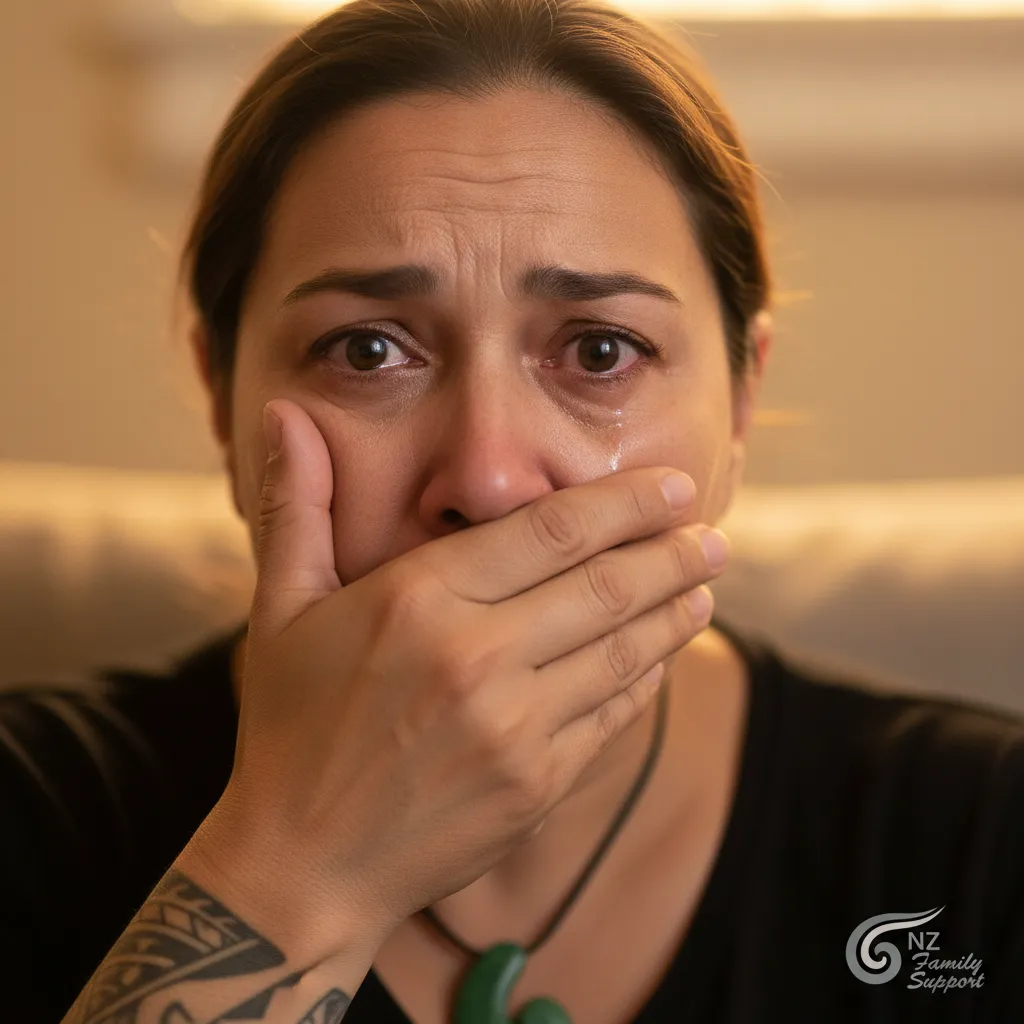
Types of Domestic Violence:
- Physical Abuse: Hitting, slapping, punching, kicking, choking, pushing, or any physical harm.
- Emotional/Psychological Abuse: Constant criticism, humiliation, threats, intimidation, controlling behaviour, gaslighting, isolation from friends and family.
- Sexual Abuse: Any unwanted sexual act, coercion, or sexual degradation.
- Financial Abuse: Withholding money, controlling finances, preventing work, stealing money, accumulating debt in your name. For more on Financial Well-being & Planning, explore available resources.
- Digital Abuse: Monitoring texts/emails, constant unwanted calls, spreading rumours online, sharing intimate images without consent.
Did you know? (Stat Callout)
In New Zealand, Police respond to a family harm incident every 4 minutes. This highlights the widespread need for effective domestic violence help NZ.
“Abuse thrives in silence. Breaking that silence is the most powerful step towards reclaiming your life and finding the support you deserve.”
Immediate Help: Emergency Contacts for Domestic Violence in NZ
Knowing who to call in a crisis is paramount. These organizations offer confidential advice, emergency shelter, and ongoing support for individuals and families experiencing violence. Don’t hesitate to reach out for domestic violence help NZ.

- In an emergency, dial 111 (Police, Fire, Ambulance) – If you are in immediate danger.
- Women’s Refuge: 0800 REFUGE (0800 733 843) – Available 24/7 for safe housing, support, and advocacy.
- Shine (Safer Homes in New Zealand Everyday): 0508 744 633 – Free and confidential helpline, support for victims, and programmes for men who use violence.
- Are You OK? (It’s Not OK campaign): 0800 456 450 – Information, advice, and support to stop family violence.
- Safe to talk (Sexual harm support): 0800 044 334 or text 4334 – Free, confidential support service for anyone affected by sexual harm.
- Lifeline Aotearoa: 0800 543 354 or text HELP to 4357 – For crisis support and suicide prevention.
- Victim Support: 0800 VICTIM (0800 842 846) – Support for victims of crime, including family violence.
These services are confidential and staffed by trained professionals who understand the complexities of family violence. Reaching out is a sign of incredible strength.
Developing a Safety Plan for Your Family
A personalized safety plan is a critical tool for anyone experiencing or at risk of domestic violence. It’s a strategy to increase your safety and that of your children, helping you prepare for potential dangers and know what to do if violence escalates or if you decide to leave. This is an essential component of comprehensive domestic violence help NZ.
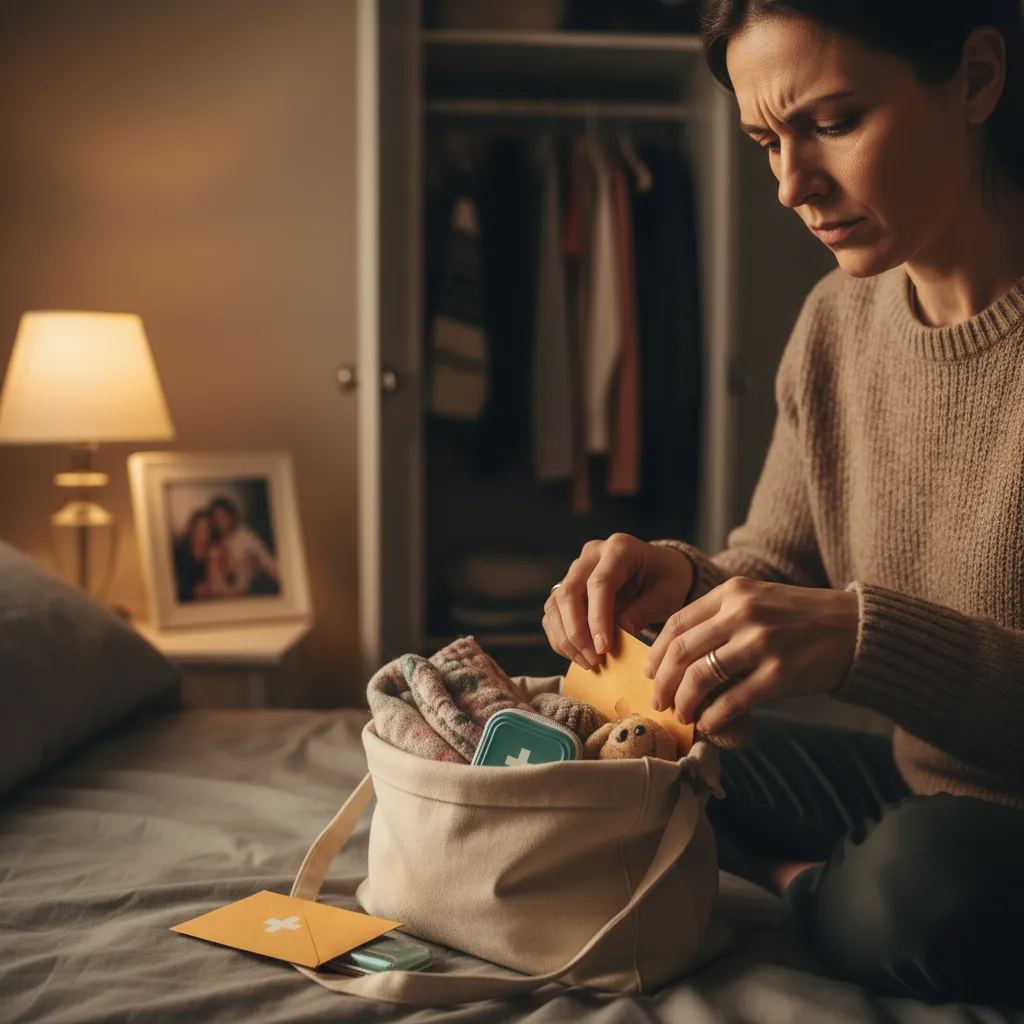
Step-by-Step Guide to Safety Planning:
-
1. Identify Your Risks and Triggers
Think about when and where violence has occurred, what usually triggers it, and what makes it worse. This helps you anticipate dangerous situations.
-
2. Prepare an Emergency ‘Go-Bag’
Keep a small bag hidden and ready with essentials: spare clothes, medication, a phone charger, some cash, important keys, and toiletries. If you have children, include a comfort item for them.
-
3. Establish Communication Signals
Arrange a code word or signal with trusted friends, family, or neighbours that lets them know you need help without alerting your abuser.
-
4. Secure Important Documents
Make copies of birth certificates, passports, driver’s licenses, bank cards, medical records, legal documents (protection orders), and insurance papers. Keep them in a safe, accessible place, perhaps with a trusted friend or family member, or digitally secured.
-
5. Plan an Escape Route and Safe Place
Know how you will leave your home if necessary (e.g., which doors/windows to use). Identify safe places to go, such as a friend’s house, a relative’s home, or a women’s refuge. Practice the route if possible.
-
6. Inform Trusted Contacts
Let at least one trusted person know about your situation and your safety plan. They can be a crucial support person in an emergency.
Remember, your safety plan should be a living document that you review and adjust as your circumstances change. Services like Women’s Refuge and Shine can help you create a personalized plan.
Supporting Children Exposed to Violence
Children exposed to domestic violence, even if they are not directly harmed, can suffer significant psychological and emotional trauma. They are silent victims who need specific family violence support to heal.

Action Checklist: Helping Children Heal and Feel Safe
- Ensure Their Physical Safety First: This is the absolute priority. If you’re creating a safety plan for yourself, include your children’s safety as a primary consideration.
- Listen and Validate Their Feelings: Create a safe space for them to talk without judgment. Let them know it’s okay to feel sad, angry, or confused. Validate their emotions by saying things like, “I understand that must have been scary.”
- Maintain Routines Where Possible: Predictable routines for meals, bedtime, and school can provide a sense of stability and normalcy in a turbulent time.
- Explain in Age-Appropriate Ways: For younger children, simple explanations are best. For older children, be more open but avoid placing blame or adult responsibilities on them. Always reassure them it is not their fault.
- Seek Professional Counselling for Them: Child-specific therapists specializing in trauma can provide invaluable support. Organisations like Kidsline or Youthline in NZ can be a starting point. You might also find support through the Youth Mental Health Hub Wellington.
- Reassure Them It’s Not Their Fault: Children often internalize guilt. Repeatedly assure them that the violence is never their fault and they are loved.
- Limit Exposure to Conflict: While difficult, try to minimize your children’s exposure to ongoing conflict as much as possible.
Protecting children from violence and supporting their recovery is a critical part of breaking the cycle of family harm in New Zealand.
Frequently Asked Questions (FAQ) about Domestic Violence Help in NZ
Q: How do I report domestic violence anonymously in NZ?
A: While direct anonymous reporting to Police for immediate incidents is challenging due to the need for investigation, you can contact helplines like Women’s Refuge (0800 REFUGE) or Shine (0508 744 633) for confidential advice and to discuss your options. They can guide you on how to proceed safely and confidentially. If you are reporting on behalf of someone else, you can provide information to the Police, and they can assess the situation without necessarily disclosing your identity to the victim or abuser initially.
Q: What legal protections are available for victims of family violence in New Zealand?
A: New Zealand law provides several protections. The primary one is a Protection Order (formerly Restraining Order), which can be obtained through the Family Court. This order prohibits the abuser from contacting, approaching, or coming near the protected person(s) and their children. Breaching a Protection Order is a criminal offence. You can also seek Police intervention, and they may issue a Police Safety Order (PSO) for a temporary period to remove an abuser from the home and prevent contact.
Q: Can men experience domestic violence, and where can they get help?
A: Yes, men absolutely can and do experience domestic violence, and it is equally unacceptable. Support services in NZ are available for male victims. Shine (0508 744 633) offers support for all victims, regardless of gender. You can also contact the national ‘Are You OK?’ campaign (0800 456 450) or Victim Support (0800 VICTIM). These services can provide safe advice, counselling referrals, and help with safety planning.
Q: What support is available for pets in domestic violence situations?
A: Many victims delay leaving abusive situations because they fear for their pets’ safety. In New Zealand, some women’s refuges and support services partner with animal welfare organizations to provide temporary safe housing for pets. It’s best to discuss this with your chosen support service, such as Women’s Refuge, when you call them. SPCA New Zealand also has initiatives to help pets in these circumstances.
References & Sources
- New Zealand Police. (2023). Family Harm Statistics. Retrieved from police.govt.nz
- Women’s Refuge New Zealand. (n.d.). Get Help Now. Retrieved from womensrefuge.org.nz
- Shine (Safer Homes in New Zealand Everyday). (n.d.). Domestic Violence Helpline. Retrieved from 2shine.org.nz
- Ministry of Justice. (2022). Family Violence Act 2018. Retrieved from legislation.govt.nz
- ‘It’s Not OK’ Campaign. (n.d.). Are You OK? Resources. Retrieved from areyouok.org.nz
Remember, you deserve to live a life free from violence. Take the first step today.