WhāNau Wellbeing Framework: Nurturing Stronger New Zealand Families
In the heart of Aotearoa, the strength of a nation is deeply intertwined with the wellbeing of its families. But what does true family wellbeing look like in today’s dynamic world? For many, the answer lies within the profound principles of the WhāNau Wellbeing Framework – a holistic approach that honours cultural heritage while fostering resilience and flourishing for all.
This framework, rooted in Māori worldview, offers a powerful lens through which New Zealand families can assess, understand, and enhance their collective health, happiness, and prosperity. It’s more than just a concept; it’s a living guide to building stronger connections, nurturing individual growth, and creating supportive environments.
What is the WhāNau Wellbeing Framework?
The WhāNau Wellbeing Framework is a culturally informed model designed to promote the health and prosperity of families and communities. At its core, it recognises that wellbeing extends far beyond individual physical health, encompassing a broader, interconnected spectrum of spiritual, mental, social, and Financial Well-being & Planning dimensions. It shifts focus from individualistic care to a collective, family-centred approach, understanding that the strength of the whānau is paramount to the wellbeing of its members.
In essence, it asks: How can we nurture a thriving environment where every member of our extended family feels supported, valued, and empowered to reach their full potential?
Roots in Māori Worldview
This framework is deeply embedded in Māori philosophical principles, particularly the concept of Whānau Ora – healthy families. Whānau Ora represents a vision where whānau are self-managing, culturally connected, and actively participating in their chosen futures. It’s about empowering families to identify their own aspirations and work towards them, with support tailored to their unique needs and cultural contexts.
“Whānau Ora isn’t just a service; it’s a way of thinking, a way of being, and a commitment to ensuring every whānau in Aotearoa has the opportunity to thrive on their own terms.”
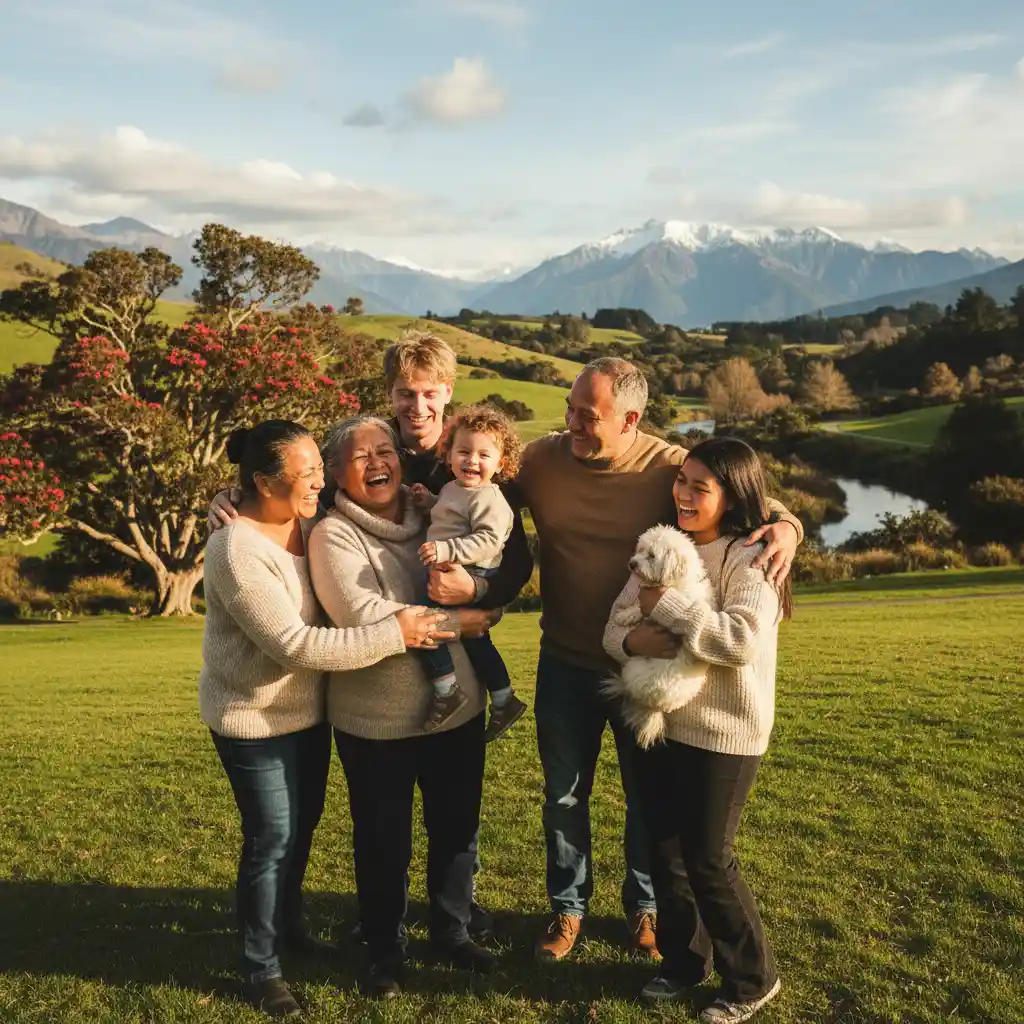
Key Dimensions: Te Whare Tapa Whā
A cornerstone of the whānau wellbeing framework, and a widely recognised model of Māori health, is Te Whare Tapa Whā. Developed by Sir Mason Durie, it likens a person’s wellbeing to a house (whare) with four walls (tapa whā), each essential for strength and balance:
- Taha Tinana (Physical Health): The capacity for physical growth and development. It’s about movement, nutrition, sleep, and physical safety.
- Taha Hinengaro (Mental and Emotional Health): The capacity to communicate, think, and feel. It encompasses emotional resilience, self-expression, and mental clarity.
- Taha Wairua (Spiritual Health): The capacity for faith and holistic wellbeing. It relates to our connection to the environment, heritage, purpose, and spiritual beliefs (which may or may not be religious).
- Taha Whānau (Family and Social Health): The capacity to belong, to care, and to share. It’s about family strength, communication, community connections, and social support.
When all four walls are strong and in balance, the whare stands firm, representing a state of optimal wellbeing. A weakness in one wall can impact the stability of the entire structure.
Impactful Stat: Research consistently indicates that families who actively engage with holistic wellbeing models like Te Whare Tapa Whā report up to a 30% increase in overall family satisfaction and exhibit greater resilience during challenging times. (Source: Ministry of Health NZ studies on wellbeing outcomes).

Key Benefits of Adopting the WhāNau Wellbeing Framework
Embracing the whānau wellbeing framework offers a wealth of advantages for New Zealand families looking to create a more supportive, resilient, and thriving environment.
Enhanced Family Resilience
By fostering strong internal connections and a shared understanding of wellbeing, families are better equipped to navigate challenges, such as understanding common issues like Sleep Regression Ages or those addressed in a Parenting Through Separation Course. The framework encourages proactive problem-solving and mutual support, transforming difficulties into opportunities for collective growth and strengthening bonds.
Holistic Health and Development
Moving beyond mere physical health, the framework ensures that mental, emotional, spiritual, and social needs are all addressed. This comprehensive approach promotes well-rounded development for every family member, leading to greater overall life satisfaction and reduced instances of stress and anxiety.
Stronger Cultural Connection
For all families in New Zealand, understanding and appreciating Māori concepts like whānau and Te Whare Tapa Whā enriches their cultural literacy. For Māori families, it provides a powerful affirmation and revitalisation of their ancestral knowledge and values, fostering a strong sense of identity and belonging for current and future generations.
Community and Intergenerational Support
The framework naturally extends beyond the immediate household, emphasising the importance of wider whānau and community networks. It encourages reaching out to extended family, friends, and community groups for support, advice, and shared experiences, creating a robust safety net and a sense of collective responsibility.
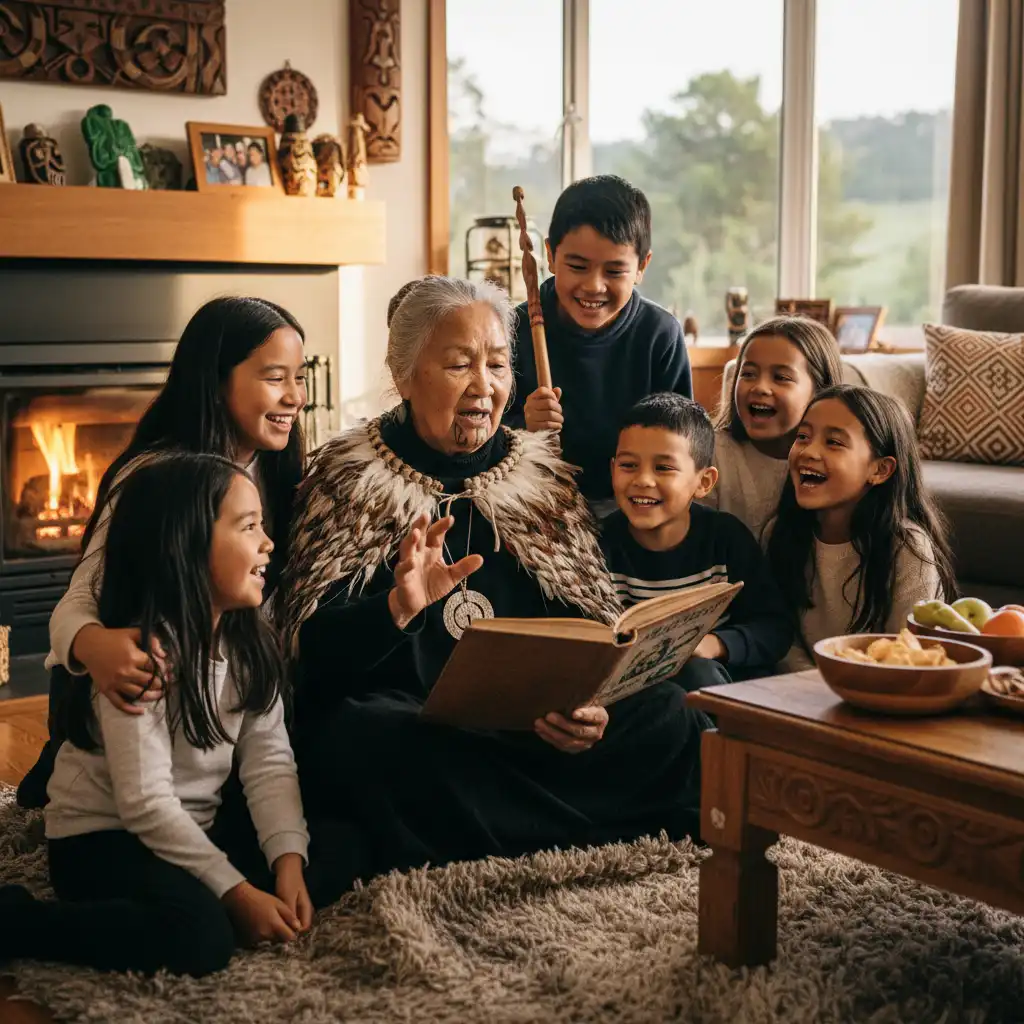
Applying the WhāNau Wellbeing Framework: A Practical Checklist
Ready to integrate the principles of the whānau wellbeing framework into your family life? Here’s a practical checklist to help you get started:
- ✓
Reflect on Your Whānau’s Current State: Take time as a family to discuss where you currently stand in each of the Te Whare Tapa Whā dimensions (Physical, Mental/Emotional, Spiritual, Social). What are your strengths? What areas need more attention?
- ✓
Identify Shared Goals: Based on your reflections, collaboratively set achievable goals for improving wellbeing in specific areas, such as focusing on School-Age Development & Learning Support, or initiating ‘more family walks for Taha Tinana’ or ‘weekly family sharing time for Taha Hinengaro and Taha Whānau’.
- ✓
Engage in Open Communication: Establish regular opportunities for family members to express their feelings, concerns, and aspirations without judgment. Encourage active listening and empathy.
- ✓
Foster Cultural Connections: Whether it’s learning basic Te Reo Māori phrases, visiting local marae, understanding historical sites, or engaging with your own family’s cultural traditions, strengthen your sense of identity and belonging.
- ✓
Seek Community Support: Identify wider whānau, friends, community groups, or local organisations that can offer support, shared activities, or resources, especially for Supporting Youth in Crisis & At-Risk. Remember, you don’t have to go it alone.
- ✓
Regularly Review and Adapt: Wellbeing is an ongoing journey. Periodically revisit your goals and progress, celebrating successes and adjusting strategies as your family’s needs evolve.
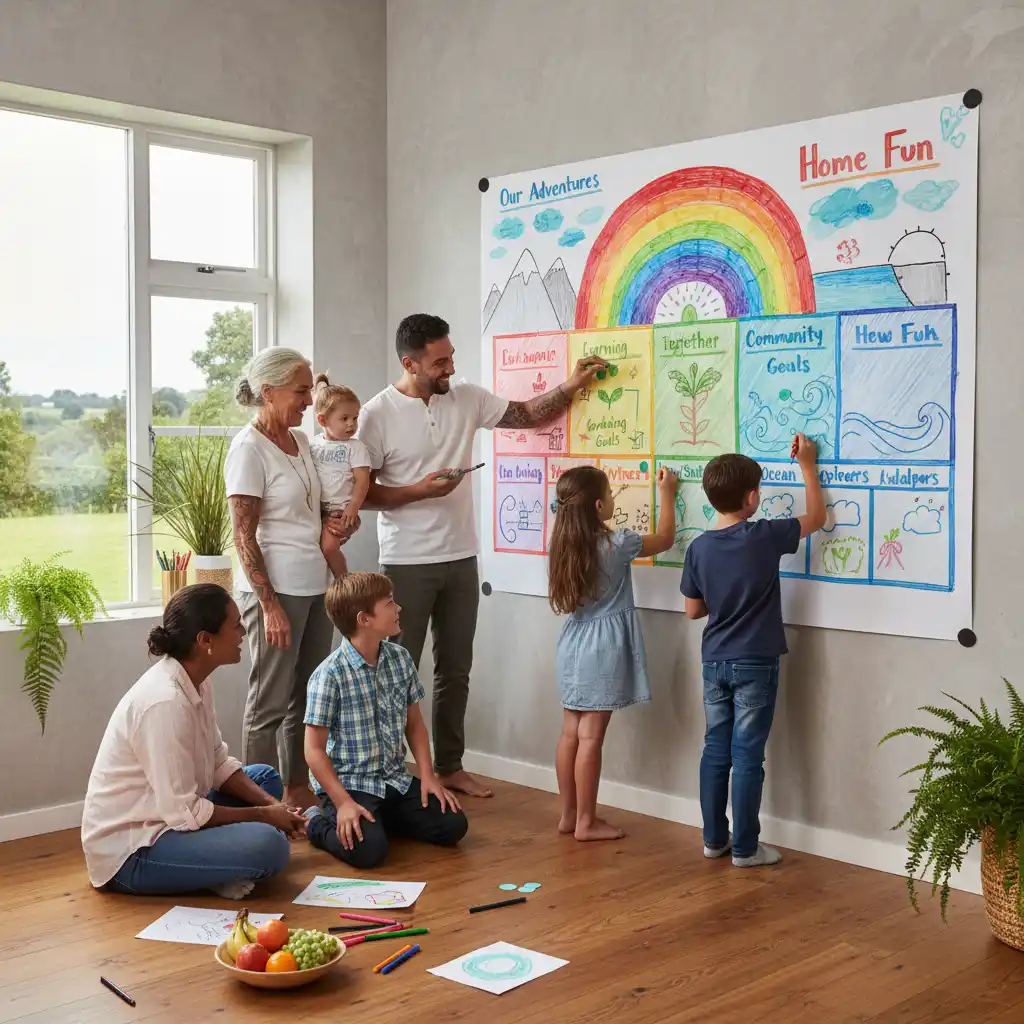
Conclusion: Building a Foundation of Whānau Ora
The WhāNau Wellbeing Framework offers a profound and practical pathway for New Zealand families to cultivate deeper connections, enhance resilience, and foster holistic health. By embracing its principles, particularly through the lens of Te Whare Tapa Whā, families can actively work towards a state of Whānau Ora – thriving, healthy families empowered to define and achieve their own aspirations.
It’s a journey of understanding, communication, and collective action, laying a strong foundation for a future where every member, and indeed every whānau, can flourish in Aotearoa.
Frequently Asked Questions (FAQs)
What does “whānau” mean in the context of this framework?▼
In the context of the whānau wellbeing framework, whānau means more than just an immediate family. It encompasses a wider kinship group, including parents, children, grandparents, aunts, uncles, cousins, and even close friends or community members who share a common bond and purpose. It emphasizes collective responsibility, interconnectedness, and reciprocal support.
Is the WhāNau Wellbeing Framework only for Māori families?▼
While deeply rooted in Māori culture and values, the principles of the whānau wellbeing framework are universal and beneficial for all New Zealand families, regardless of ethnicity. Its holistic approach to physical, mental, spiritual, and social health offers valuable insights and practical tools for any family seeking to strengthen their collective wellbeing and build resilience.
How can I start implementing these principles in my family?▼
Begin by having open conversations with your family about what wellbeing means to each member. Use the Te Whare Tapa Whā model as a guide to assess strengths and areas for growth in physical, mental, spiritual, and social aspects. Our practical checklist provided in this article offers actionable steps to integrate the framework’s principles into your daily family life.
What is Te Whare Tapa Whā and why is it important?▼
Te Whare Tapa Whā is a widely recognised Māori health model developed by Professor Mason Durie. It likens wellbeing to a house with four walls, each representing a dimension of health: Taha Tinana (physical), Taha Hinengaro (mental/emotional), Taha Wairua (spiritual), and Taha Whānau (social/family). It’s important because it provides a holistic, culturally relevant structure for understanding and nurturing complete wellbeing, emphasising balance across all dimensions.
Where can I find more resources on whānau wellbeing?▼
You can find more resources through organisations like the Ministry of Health NZ, Te Puni Kōkiri, and various community-based whānau ora providers. These organisations offer guidance, services, and support tailored to fostering whānau wellbeing. The references section of this article also provides valuable starting points.
References/Sources
- Durie, M. (1998). Whaiora: Māori Health Development (2nd ed.). Oxford University Press.
- Ministry of Health NZ. (n.d.). Te Whare Tapa Whā. Retrieved from https://www.health.govt.nz/our-work/populations/maori-health/maori-health-models/te-whare-tapa-wha
- Te Puni Kōkiri. (n.d.). Whānau Ora. Retrieved from https://www.tpk.govt.nz/en/whanau-ora
- Statistics New Zealand. (n.d.). Māori wellbeing indicators. Retrieved from https://www.stats.govt.nz/indicators/maori-wellbeing