Nz Family Violence Statistics 2024: Understanding the Silent Crisis in Aotearoa
Family violence remains a pervasive and deeply troubling issue in Aotearoa New Zealand, affecting countless lives and casting a long shadow over the wellbeing of our communities. As we move through 2024, understanding the latest nz family violence statistics 2024 is not just about numbers; it’s about acknowledging the lived realities, identifying urgent needs, and galvanizing collective action.
This comprehensive overview aims to shed light on the current landscape of family violence in New Zealand, providing authoritative insights into its prevalence, impact, and the crucial role each of us plays in fostering a safer, more supportive environment for all families.
Understanding the Landscape of Family Violence in Aotearoa New Zealand
Family violence is a complex issue deeply rooted in societal norms, historical contexts, and power imbalances. In New Zealand, the term encompasses a broad range of harmful behaviours within intimate relationships and family settings. It’s crucial to grasp the scope and depth of this problem to effectively address it.
Defining Family Violence in the NZ Context
In Aotearoa, family violence is understood expansively, often referred to as ‘whānau violence’ to include wider family and kinship networks. It’s defined by patterns of controlling, coercive, threatening, intimidating, or abusive behaviour. This can occur between partners, ex-partners, parents and children, or other family members (including issues around Rights Of Grandparents Nz), causing physical, psychological, emotional, sexual, or economic harm.
“Family violence is not just about physical harm; it’s about control, fear, and the systemic erosion of an individual’s safety and autonomy within their own home. Recognizing this broader definition is the first step towards effective intervention.”

Key NZ Family Violence Statistics for 2024
The latest data continues to highlight the urgent need for intervention and prevention. While final annual statistics for 2024 will consolidate later in the year, trends from previous years and current reporting indicate persistent challenges. Here are some critical insights:
- Police callouts: On average, New Zealand Police respond to a family harm incident every 4 minutes. This translates to over 100,000 incidents annually, with a significant number requiring repeat responses. (Source: NZ Police data trends)
- Victimisation: Women are disproportionately affected, with reports indicating that over one-third of New Zealand women will experience physical or sexual violence from a partner in their lifetime. Children are also frequently exposed, either directly or indirectly. (Source: Ministry of Justice; Women’s Refuge)
- Homicide Rates: Family violence remains a leading contributor to homicides in New Zealand, with intimate partner violence being a significant factor in many domestic murder cases. (Source: Family Violence Death Review Committee)
- Māori Disparity: Māori continue to be over-represented in family violence statistics, both as victims and perpetrators, largely due to systemic inequities, intergenerational trauma, and colonial impacts. Addressing these disparities requires culturally appropriate and whānau-centred approaches. (Source: Te Puna Aonui, Māori Women’s Welfare League)
Who is Affected? Demographics and Disparities
Family violence transcends socio-economic status, ethnicity, and geographic location. However, certain groups face heightened risks and unique barriers to seeking help.
- Women and Children: Remain the primary victims in the majority of reported cases.
- Māori Communities: Face disproportionately higher rates of victimisation and perpetration, underscoring the need for targeted, culturally responsive interventions. For local support tailored to Māori communities, such as in Northland, you might look for MāOri Health Providers Northland.
- Pacific Peoples, Asian Communities, and Migrants: Can face additional barriers such as language, cultural stigma, isolation, and precarious immigration status.
- Rainbow Communities: Experience unique forms of violence and often face discrimination when seeking support.
- People with Disabilities: Are at a significantly higher risk of experiencing family violence and often face complex challenges in accessing appropriate services.
The Many Faces of Family Violence
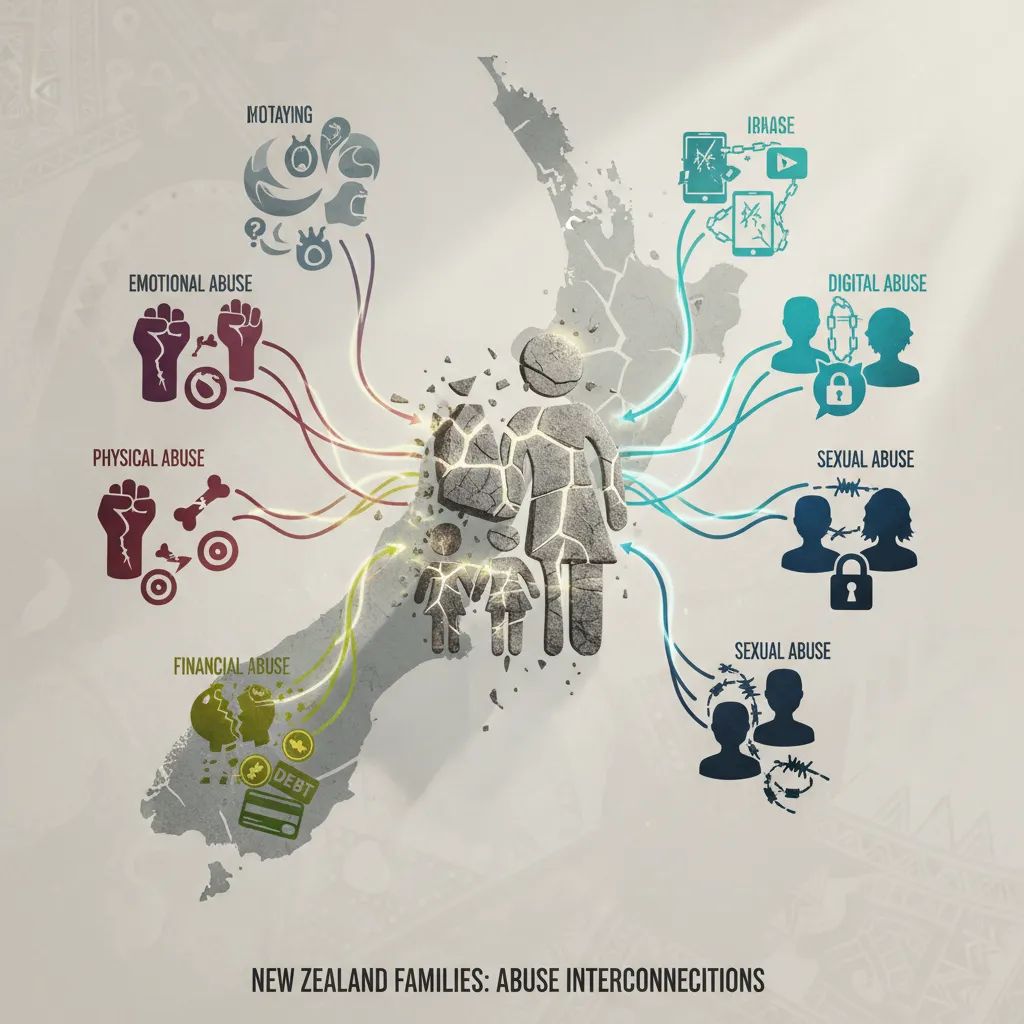
Understanding the different forms of abuse is vital for effective identification and intervention. Family violence is rarely a single incident; it’s often a pattern of behaviour designed to assert power and control.
- Physical Abuse: Hitting, kicking, pushing, strangling, or any act causing bodily harm.
- Emotional/Psychological Abuse: Intimidation, threats, gaslighting, constant criticism, isolation from friends and family, and undermining self-worth.
- Sexual Abuse: Any non-consensual sexual act or exploitation.
- Financial Abuse: Controlling finances, withholding money, preventing employment, or accruing debt in another’s name. For comprehensive resources on Financial Well-being & Planning, visit our hub.
- Spiritual/Cultural Abuse: Undermining someone’s cultural identity or spiritual practices.
- Digital Abuse: Using technology to harass, control, monitor, or stalk.
The Challenge of Underreporting
Despite the alarming nz family violence statistics 2024 available, experts agree that the true prevalence is much higher. Many incidents go unreported due to fear, shame, societal stigma, lack of awareness of support services, or a belief that reporting won’t change anything. This underreporting makes accurate measurement difficult and underscores the need for safe, accessible pathways for help.
Why Understanding NZ Family Violence Statistics Matters: Driving Change and Support
Understanding the data is more than just academic; it’s a powerful catalyst for change. The nz family violence statistics 2024 inform policies, shape public awareness campaigns, and direct resources to where they are most needed. They provide a critical benchmark for measuring progress – or identifying areas where we are falling short.
Informing Policy and Prevention Strategies
Robust statistics are the foundation for evidence-based policymaking. They help government agencies, NGOs, and community groups develop effective prevention programs, implement protective legislation, and allocate funding efficiently. Without accurate data, interventions risk being misdirected or insufficient.
Empowering Communities and Individuals
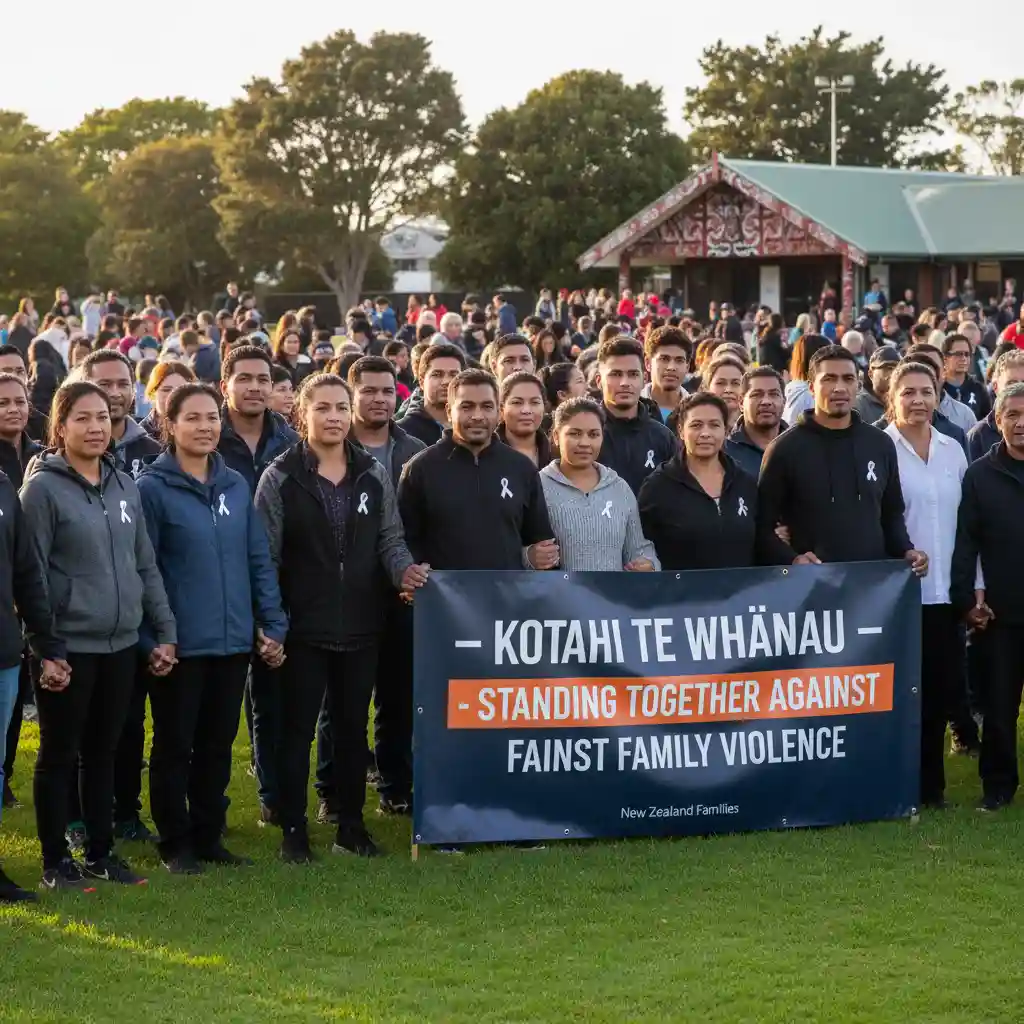
Knowledge empowers. When communities and individuals understand the scope of family violence, it helps dismantle the silence and stigma surrounding it. It encourages conversations, fosters empathy, and strengthens collective resolve to address the issue. Statistics validate the experiences of survivors and highlight the urgent need for bystander intervention.
Recognizing the Signs and Seeking Help
Awareness of the data helps us all be more vigilant in recognizing the signs of family violence, both in ourselves and in others. If you or someone you know is experiencing family violence, remember that help is available. Seeking support is a sign of strength, and there are many services in New Zealand dedicated to providing confidential assistance.
- Reach out: Connect with trusted friends, family, or community leaders.
- Professional Support: Contact dedicated helplines and support services (e.g., Women’s Refuge, Shine, Oranga Tamariki).
- Safety Planning: Develop a safety plan if you are in an abusive situation.
- Be a Supportive Bystander: Learn how to safely intervene or offer support if you suspect someone is experiencing violence.
Contributing to a Safer Aotearoa
Ultimately, a deeper understanding of nz family violence statistics 2024 contributes to a collective responsibility to create a safer New Zealand. It’s about shifting cultural norms, challenging harmful behaviours, and ensuring that every person feels safe and valued within their home and community. Our shared commitment to this issue is the most powerful tool for change.
Conclusion: A Call to Action
The nz family violence statistics 2024 paint a sobering picture, reminding us that family violence remains a critical challenge for Aotearoa New Zealand. However, these numbers are not just a record of harm; they are a call to action. They compel us to continue our efforts in prevention, intervention, and support, ensuring that no one has to endure violence alone.
By remaining informed, supporting survivors, challenging harmful attitudes, advocating for robust services, and focusing on Building Family Resilience & Coping Strategies, we can collectively work towards a future where all New Zealand families live free from fear and violence. It requires courage, compassion, and unwavering dedication from every member of our society.
Frequently Asked Questions (FAQ)
What are the latest nz family violence statistics for 2024?
While official consolidated annual statistics for the full year 2024 will be released later, current trends from police reports and support services indicate persistent high rates of family harm incidents, with police responding to hundreds of calls daily. Women and children remain disproportionately affected, and Māori communities continue to be over-represented in victimisation and offending statistics.
How is family violence defined in New Zealand?
In New Zealand, family violence is broadly defined to include any pattern of controlling, coercive, threatening, intimidating, or abusive behaviour that causes physical, psychological, emotional, sexual, or economic harm within family or intimate relationships. This includes violence against partners, children, and wider whānau members.
Why is understanding these statistics important?
Understanding family violence statistics is crucial for informing effective policy and prevention strategies, empowering communities to act, directing resources to support services, and raising public awareness. It helps validate survivors’ experiences and drives collective efforts to create a safer society.
Where can victims of family violence in NZ find help?
Numerous confidential support services are available in New Zealand. Key resources include Women’s Refuge (0800 REFUGE), Shine (0508 744 633), the It’s Not OK information line (0800 456 450), and Safe to Talk sexual harm helpline (0800 044 334). For specific legal guidance, understanding Family Legal Aid & Advocacy options is also crucial. In emergencies, always call 111.
What can I do to help prevent family violence in my community?
You can help by educating yourself, challenging harmful attitudes and behaviours, supporting prevention initiatives, being a supportive bystander, and knowing where to refer people for help. Advocating for resources and understanding the complexities of family violence also contributes significantly to prevention efforts.
References & Sources
- Ministry of Justice – Family and Sexual Violence Statistics. (Note: Actual data would be linked to official Ministry of Justice reports.)
- New Zealand Police – Family Harm Statistics and Data. (Note: Actual data would be linked to official NZ Police annual reports or data releases.)
- Te Puna Aonui – National Strategy and Action Plan to Eliminate Family Violence and Sexual Violence. (Note: Actual data would be linked to Te Puna Aonui publications.)
- Women’s Refuge New Zealand – Research & Statistics. (Note: Actual data would be linked to Women’s Refuge research papers.)
- Family Violence Death Review Committee – Reports. (Note: Actual data would be linked to HDC or FVDRC reports.)
- Oranga Tamariki – Family Group Conference Data. (Note: Actual data would be linked to Oranga Tamariki reports.)