Sleep Regression Ages: Navigating Your Child’s Changing Sleep in Aotearoa
Is your little one suddenly fighting naps, waking frequently at night, or struggling to settle down, despite having been a good sleeper? You’re alone! Many New Zealand parents experience these confusing shifts, often pinpointing specific sleep regression ages as the culprits. Understanding these developmental phases is key to navigating them with patience and confidence.
This comprehensive guide will help you identify, understand, and gently manage sleep regressions, empowering you to support your child’s sleep development while maintaining your own sanity.
Table of Contents
What Exactly is Sleep Regression?
Simply put, a sleep regression is a period, typically lasting 2-6 weeks, during which a baby or toddler who was previously sleeping well suddenly starts waking more frequently, has trouble falling asleep, or resists naps. It’s often triggered by significant developmental milestones or changes in their routine.
It’s crucial to understand that sleep regressions are a normal, albeit challenging, part of a child’s development. They are not a sign that you’ve ‘failed’ as a parent or that your child is deliberately being difficult. Instead, they indicate your child’s brain and body are undergoing rapid growth and learning.

“Sleep regressions are temporary phases, often linked to incredible leaps in development like rolling, sitting, crawling, walking, or language acquisition. Your child is simply too busy learning to sleep!”
Understanding Sleep Regression Ages: A Guide for NZ Families
While every child is unique, there are common sleep regression ages that many New Zealand parents can anticipate. Knowing what to expect can help you prepare and respond effectively.
The Notorious 4-Month Sleep Regression
This is often the first, and perhaps most significant, sleep regression. Around four months, a baby’s sleep cycles mature to resemble adult sleep patterns, with distinct stages including REM and non-REM sleep. This change means they start cycling through lighter and deeper sleep more frequently, leading to more wake-ups.
What to expect: Frequent night wakings, shorter naps, difficulty settling, fussiness.
The 6-Month Sleep Regression
While not as common as the 4-month one, some babies experience another dip around six months. This is often tied to major physical milestones like sitting up, rolling over, or even crawling prep. Separation anxiety can also begin to emerge, making bedtime harder.
What to expect: Increased fussiness at bedtime, difficulty transferring to the crib, early morning wakings.
The 8-10 Month Sleep Regression
This period is a whirlwind of development! Babies are often learning to crawl, pull to stand, cruise, and develop ‘object permanence’ (understanding things still exist even when they can’t see them), which can fuel separation anxiety. Teething also often peaks here.
What to expect: Fighting naps, standing up in the crib, intense separation anxiety at night, more night feeds (even if they’d dropped them).
The 12-Month Sleep Regression
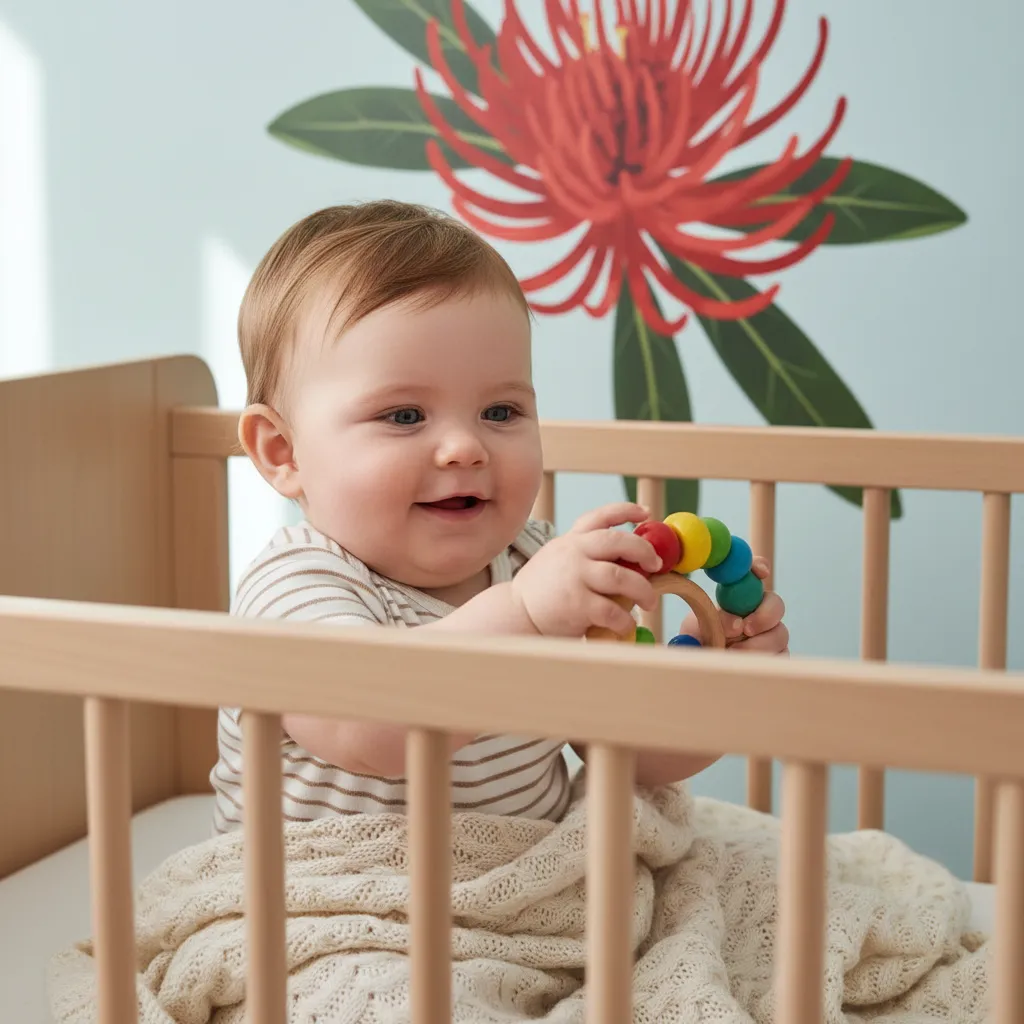
Around their first birthday, many babies are consolidating their learning to walk and beginning to speak their first words. The transition from two naps to one can also contribute to this regression, as can increasing independence and testing boundaries.
What to expect: Resistance to naps, fighting bedtime, increased night wakings, sometimes related to dropping a nap too early.
The 18-Month Sleep Regression
Ah, the spirited toddler years! The 18-month mark often brings fierce independence, an explosion in vocabulary, and sometimes the dreaded ‘no’ phase. Separation anxiety can resurface, and molars often make an appearance, causing discomfort.
What to expect: Nap strikes, extreme bedtime resistance, multiple night wakings, boundary testing, clinginess.
The 2-Year (or Toddler) Sleep Regression
This regression is often linked to imagination blooming (hello, nightmares!), continued boundary testing, the transition from crib to bed, and potty training. Toddlers are also fiercely asserting their autonomy.
What to expect: Bedtime battles, fear of the dark, getting out of bed repeatedly, requesting specific items or rituals, night terrors.
Coping Strategies for Sleep Regression
Knowing the sleep regression ages is one thing; navigating them is another. Here’s an action checklist to help New Zealand parents through these challenging times:
- Stick to a Consistent Routine: This is your strongest weapon. Even if bedtime takes longer, maintain the same sequence of events (bath, books, cuddles).
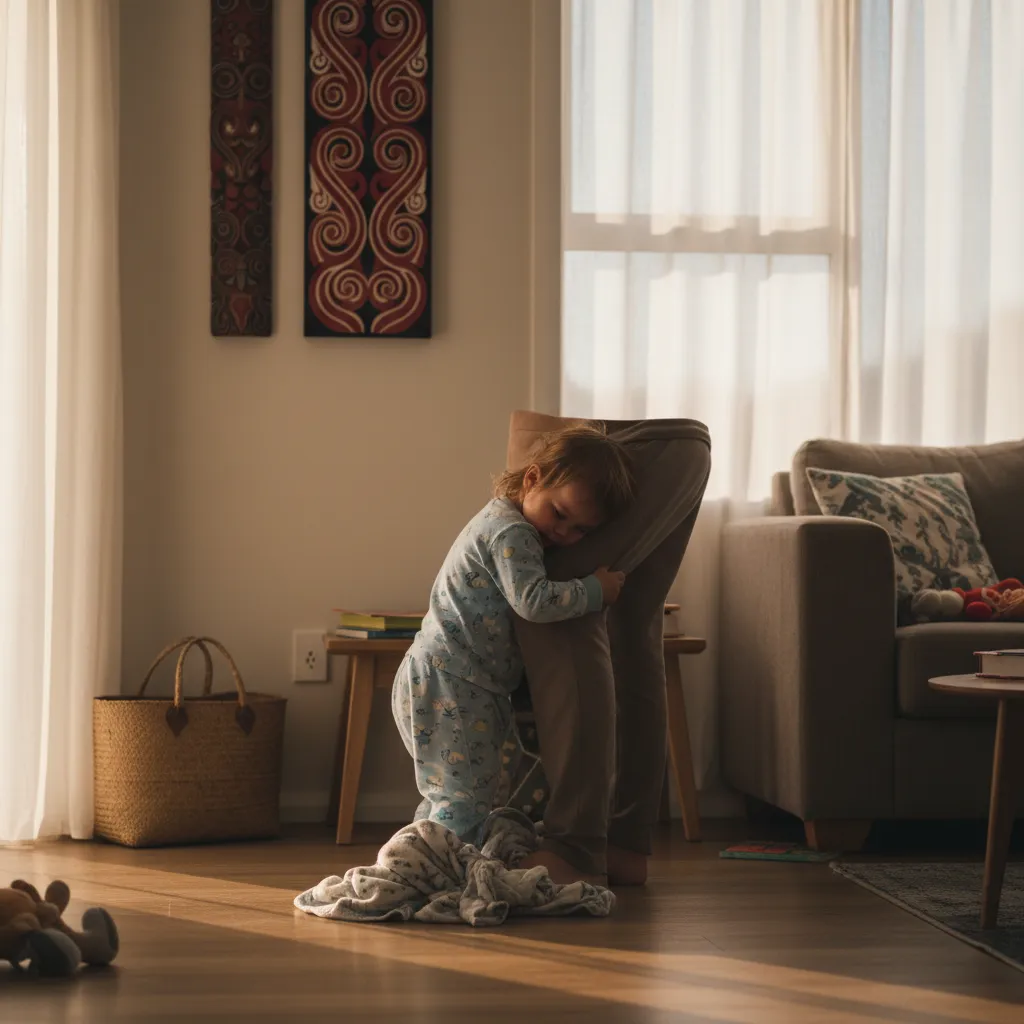
- Offer Comfort and Reassurance: Respond to your child’s cries. A quick cuddle or a soothing word can make a big difference, especially with separation anxiety.
- Ensure Adequate Daytime Sleep: Overtiredness is the enemy of good night sleep. Don’t cut naps prematurely just because your child is fighting them.
- Create a Sleep-Inducing Environment: Dark, cool, and quiet. Consider white noise to block out household sounds.
- Be Patient & Flexible: Remember it’s a phase. Some nights might require more hands-on comfort. Adjust your expectations temporarily.
- Address Developmental Milestones: Practice new skills during the day (e.g., more tummy time, crawling games) to tire them out and satisfy their urge to learn.
- Watch for Hunger & Teething: Rule out physical discomfort. Offer an extra feed if appropriate, or use teething remedies if needed.
- Priorise Your Own Well-being: Take turns with your partner, nap when your baby naps, and don’t be afraid to ask for help from whānau or friends.
“Consistency is key, but compassion is critical. Your child needs your steady presence during these turbulent sleep times. Ka pai!”
When to Seek Professional Help
While most sleep regressions are temporary, it’s important to know when to reach out for support. If sleep disruptions are prolonged (beyond 6 weeks), accompanied by other concerning symptoms, or severely impacting your child’s or family’s well-being, consult a healthcare professional. This could include your GP, Plunket nurse, or a certified sleep consultant in New Zealand. For more general assistance, exploring Family Support Services Auckland can also provide valuable help.

They can help rule out underlying medical issues (like sleep apnoea, reflux, or allergies) and provide tailored advice for your unique situation. In situations of extreme stress or need, information regarding Emergency Accommodation & Housing Assistance, or understanding the Rights Of Grandparents Nz, may also be beneficial.
Conclusion: Embrace the Ebbs and Flows
Navigating the various sleep regression ages can feel like an endless journey of ups and downs, but remember that these periods signify growth and learning. By understanding the ‘why’ behind these changes, maintaining consistent routines, and offering an abundance of love and comfort, you’ll help your tamariki (children) develop healthy sleep habits.
Be kind to yourself and your family during these times. The sleepless nights are temporary, and soon enough, your little one will be back to sleeping soundly, ready for their next big adventure! For broader support and resilience, resources such as those on Financial Well-being & Planning can also be invaluable.
Frequently Asked Questions About Sleep Regression Ages
What are the most common sleep regression ages?
The most common sleep regression ages typically occur around 4 months, 6 months, 8-10 months, 12 months, 18 months, and 2 years. These align with significant developmental milestones in a child’s life.
How long does a sleep regression usually last?
While it can feel endless, most sleep regressions typically last between 2 to 6 weeks. Consistency and patience from parents can often help shorten this period.
Is sleep regression real, or is it just a phase?
Yes, sleep regression is a very real phenomenon, backed by pediatric sleep experts. It’s a temporary disruption in sleep patterns, usually triggered by rapid physical, cognitive, or emotional development.
Can teething cause sleep regression?
Teething pain can certainly disrupt sleep and often coincides with various sleep regression ages (especially 8-10 months and 18 months). While not a regression itself, it can exacerbate the effects of one or make it harder for your child to settle.
Should I change my baby’s sleep routine during a regression?
It’s generally recommended to stick as closely as possible to your established sleep routine during a regression. Consistency provides security for your child. However, be flexible with extra comfort and reassurance as needed.
References & Sources
- American Academy of Pediatrics. (2020). Healthy Sleep Habits: How Much Sleep Does Your Child Need?
- Mindell, J. A., & Owens, J. A. (2003). A Clinical Guide to Pediatric Sleep: Diagnosis and Management of Sleep Problems. Lippincott Williams & Wilkins.
- National Sleep Foundation. (Accessed 2023). Infant and Toddler Sleep Guidelines.
- Plunket New Zealand. (Accessed 2023). Sleep and your baby.
- Journal of Pediatric Psychology. (2018). Developmental Trajectories of Sleep in Infancy and Early Childhood.