What is a Parenting Order? The Definitive Guide for NZ Families
What is a parenting order? In the New Zealand legal system, a parenting order is a formal, legally binding document issued by the Family Court under the Care of Children Act 2004 that defines the arrangements for the care and welfare of a child when parents or guardians are unable to reach a private agreement.

Understanding What is a Parenting Order?
When relationships dissolve, the primary concern is the welfare of the children involved. While many New Zealanders manage to create informal parenting agreements, there are situations where a structured, enforceable legal framework is required. What is a parenting order in the context of stability? It is the court’s way of ensuring that a child has a predictable schedule and that their safety and development are prioritized above parental disputes.
A parenting order replaces the older terminology of “custody” and “access” with more child-centric terms: “day-to-day care” and “contact.” This shift in language emphasizes the responsibilities of the adults rather than their rights over the child. The order can cover specific details, including where the child lives, which school they attend, protocols for Digital Safety & Citizenship, how holidays are split, and how the child will communicate with the parent they are not currently living with.
When Should You Seek a Parenting Order?
Understanding what is a parenting order also involves knowing when it is appropriate to apply for one. It is typically a final resort after other forms of dispute resolution have failed. In New Zealand, the Ministry of Justice encourages parents to use the Family Dispute Resolution (FDR) service first, often supported by Low-Cost Counseling Services. For localized support, families can Book CAB Appointment, consult Pregnancy Support Services NZ, access Mental Health Crisis Lines NZ, or access Local Community Resources to receive guidance on navigating these procedures.
You might seek a parenting order if:
- There is a high level of conflict between parents that prevents safe or consistent communication.
- One parent is denying the other reasonable contact with the child.
- There are safety concerns involving domestic violence, substance abuse, or neglect.
- A parent intends to relocate the child to a different city or country without consent.
- Informal agreements are being consistently breached by one party.

The Care of Children Act 2004 Framework
The Care of Children Act 2004 is the primary legislation governing all matters related to children in New Zealand. It enshrines the principle that the child’s welfare and best interests must be the first and paramount consideration in any court proceeding. This legislation defines the roles of guardians and parents, providing the legal basis for what is a parenting order.
Under this Act, guardianship is distinct from day-to-day care. Most parents remain guardians even if they do not have day-to-day care of the child. Guardianship involves the right to make major decisions about the child’s life, including their name, religion, healthcare, and education. A parenting order does not usually remove guardianship; instead, it manages the logistical distribution of time and specific care responsibilities.
Day-to-Day Care vs. Contact: Key Differences
To fully grasp what is a parenting order, one must distinguish between its two primary components:
- Day-to-Day Care: This refers to the person the child lives with. This can be “sole care” (living with one parent) or “shared care” (splitting time between two households, often in a 2-2-3 or week-on-week-off arrangement).
- Contact: This refers to the time the child spends with the other parent they do not live with. Contact can be face-to-face, via video calls, or supervised by a third party or a professional agency if there are safety concerns.
The Family Court aims to facilitate a meaningful relationship with both parents, provided it is safe to do so. The specific hours, locations for handovers, and communication protocols are all meticulously detailed in the order to prevent future ambiguity.

The New Zealand Family Court Process
The journey to obtaining a parenting order involves several critical steps. Except in cases of urgency (where there is a risk of harm), the court requires parents to have attempted mediation and completed the “Parenting Through Separation” course. This 4-hour course helps parents understand the impact of separation on children and provides tools for better communication.
Once an application is filed (which may require Finding a JP in My Suburb for affidavit witnessing), the court may appoint a Lawyer for the Child. This is an independent lawyer whose job is to represent the child’s interests and ensure their voice is heard by the judge. They may interview the child (depending on their age) and visit the homes of both parents. Additionally, a specialist report from a psychologist or a social worker from Oranga Tamariki may be requested to provide deep insights into the family dynamic.
The Paramountcy Principle: The Child’s Best Interests
In determining what is a parenting order that truly fits a family, the judge relies on the “Best Interests of the Child” test. This is not about parental rights, but rather child-centric needs. The court evaluates:
- The child’s safety and protection from violence or abuse.
- The child’s emotional and physical development.
- The stability of the proposed living arrangements.
- The child’s views, taking into account their age and maturity.
- The ability of each parent to provide for the child’s needs, including any specialized support required when Navigating Neurodiversity.
- The importance of maintaining relationships with siblings and extended whānau.
Healthcare and Education Provisions in Orders
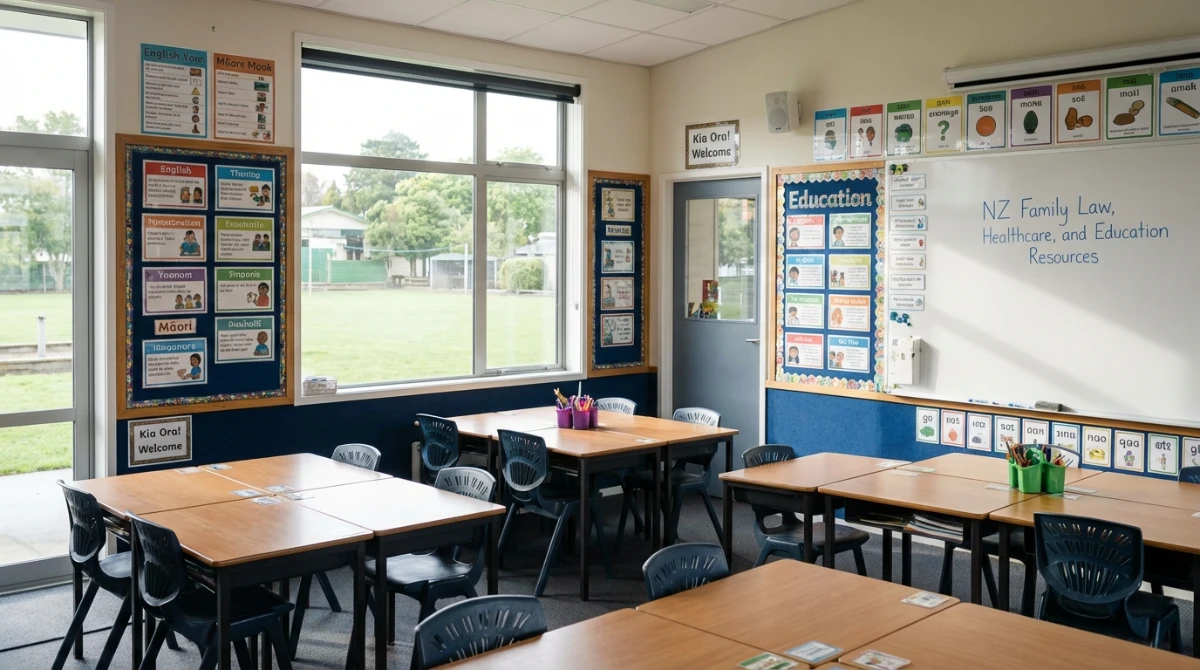
A comprehensive parenting order often goes beyond just “who stays where.” It acts as a roadmap for the child’s upbringing, which might involve Education & Schooling, researching Best Decile-Neutral School Reviews, referencing a Home Schooling Application Guide, specialized educational support like Reading Recovery Programs Explained, understanding Bullying Policies in NZ Schools, or planning for After School Care Subsidies and other financial needs such as the Youth Allowance for Students. For instance, in the realm of Healthcare, Health & Medical Assistance, and Child Health & Wellbeing, the order might specify how medical emergencies are handled, routine check-ups like Booking a Plunket Appointment, who pays for Dental Care for Kids NZ, or how decisions regarding vaccinations are made. Families should also be aware of Community Services Card Benefits, Free GP Visits for Under 14s, Prescription Subsidy Rules and Applying for High-Use Health Card to ensure ongoing healthcare costs are managed fairly. If parents cannot agree on significant medical treatments, the court can make a specific order under the Act.
Enforcement and Varying an Order
One of the most powerful aspects of understanding what is a parenting order is its enforceability. Unlike a verbal agreement, a parenting order is an order of the court. If one parent fails to comply—for example, by not returning the child at the agreed time—they are in ‘breach of the order.’ Legal consequences can include a formal admonishment, a change in the care arrangements, or in extreme cases, criminal charges for contempt of court.
However, life changes. A parenting order that worked for a toddler may not work for a teenager. Parties can apply for a variation of the order if there has been a significant change in circumstances. This might include a parent changing jobs, moving house, or the child’s own changing social and educational needs.

Final Thoughts and Key Takeaways
Navigating the complexities of Family Law & Separation, Employment & Parental Rights, Paid Parental Leave NZ 2024, Minimum Wage Changes NZ, Employment Court for Unfair Dismissal, Redundancy Rights for Parents, Best Return-to-Work Recruiters, Flexible Working Request Template, Cost of Living Support for Families, Childcare Tax Credits Explained, Op Shops for Baby Gear, Toy Libraries Near Me, Free Library Programs Auckland, Government Support & Funding, Government Assistance Navigation, Youth Legal Rights, Register for Community Gardens, Recycling Center Locations NZ, KiwiSaver for Stay-at-Home Parents, Bond Refund Process Explained, and Financial Literacy & Housing can be overwhelming, but starting from our Home page and understanding what is a parenting order provides a foundation for stability. These orders are designed to provide children with the security they need while ensuring their rights to a relationship with both parents are protected, provided it is safe. Whether you are at the start of your separation journey or dealing with ongoing disputes, the Family Court of New Zealand offers a structured pathway to resolve these issues with the child’s best interests at heart.
Key Takeaways:
- A parenting order is a legally binding court document defining care and contact.
- The child’s welfare and safety are the primary considerations (The Paramountcy Principle).
- Day-to-day care (living arrangements) and contact (visitation) are the two main components.
- Mediation (FDR) is usually required before applying to the court.
- Orders can be varied as the child grows and circumstances change.
- Breaching a parenting order is a serious legal matter with potential penalties.
If you require further assistance, it is highly recommended to consult with a specialist family lawyer or visit your local Community Law Centre for free initial advice.