ORS Funding & Disability Support: How to Apply for ORS Funding NZ
To apply for ors funding nz effectively, parents, caregivers, and educators must navigate a complex regulatory framework designed to support students with the highest level of need in the New Zealand education system. The Ongoing Resourcing Scheme (ORS) is a vital pillar of inclusive education, providing long-term support for students who require significant adjustments to participate in school. Understanding the criteria, the evidence required, and the procedural nuances of the Ministry of Education is essential for a successful application. This guide serves as an exhaustive roadmap for navigating Government Support & Funding, Government Assistance Navigation, and the disability support landscape in Aotearoa. For those seeking specific academic interventions, Reading Recovery Programs Explained provides additional insights into literacy support. Additionally, some families may wish to explore the Home Schooling Application Guide as part of their long-term planning. For broader context on school performance, see the Best Decile-Neutral School Reviews. Access more resources on our Home page.
Table of Contents
- Understanding the Criteria to Apply for ORS Funding NZ
- The Comprehensive Process to Apply for ORS Funding NZ
- The Ministry of Education’s Strategic Role in Disability Support
- Defining High Needs vs. Very High Needs Profiles
- Gathering Expert Evidence and Documentation
- What to Do If Your Application is Declined
- Alternative Funding Streams: IWS, SLS, and RTLB
- Legal Rights Under the Education and Training Act 2020
- Conclusion and Key Takeaways
Understanding the Criteria to Apply for ORS Funding NZ
The first step for any family or school looking to apply for ors funding nz is to determine if the student meets the rigorous eligibility criteria set by the Ministry of Education. ORS is not diagnosis-based; rather, it is based on the level of functional need and the intensity of support required. To qualify, a student must demonstrate significant needs in one or more of the following areas: learning, hearing, vision, physical, or language use and social communication.
According to the Ministry of Education’s ORS Criteria, the scheme is intended for the 1% of the student population with the most significant needs. This means that even students with confirmed diagnoses (such as Autism Spectrum Disorder or Down Syndrome) may not automatically qualify unless their functional limitations are deemed ‘High’ or ‘Very High’ by a panel of expert verifiers. For families exploring broader support structures, Navigating Neurodiversity can provide additional context on managing these requirements.

The Comprehensive Process to Apply for ORS Funding NZ
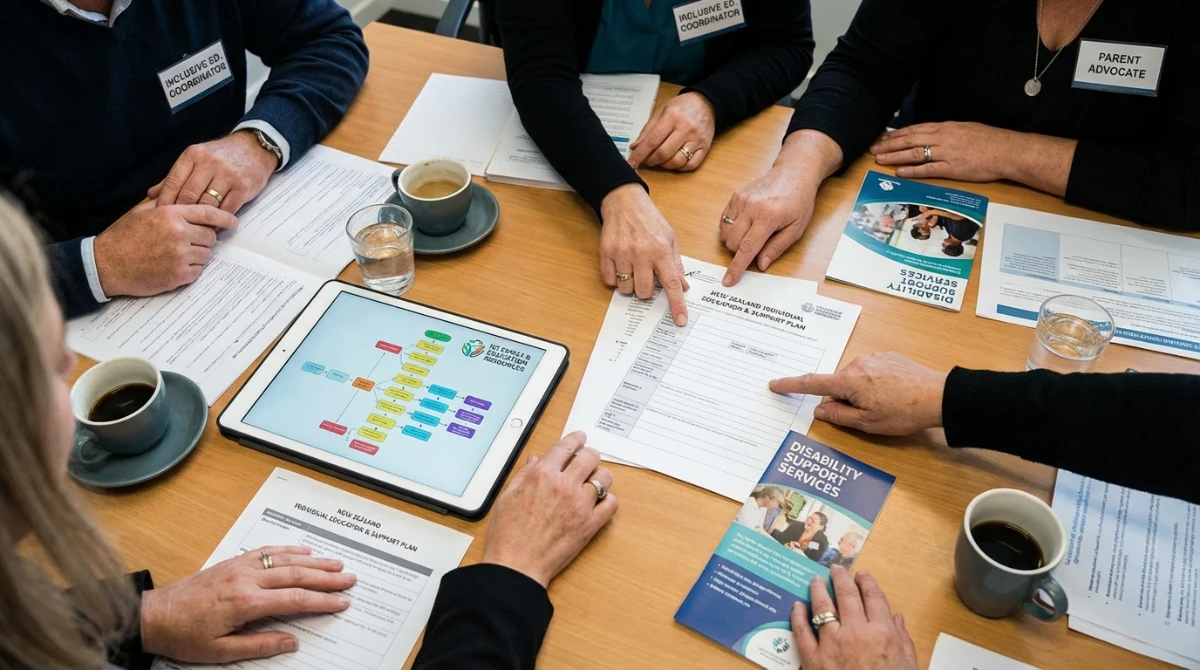
When you decide to apply for ors funding nz, the process typically begins with a collaborative meeting between the school’s Special Educational Needs Coordinator (SENCO), the student’s parents, and any external specialists currently involved in the child’s care. This collective approach ensures that the application captures a 360-degree view of the student’s challenges and potential.
- Initial Identification: Identifying that a student is struggling significantly compared to their peers despite classroom-level interventions.
- Information Gathering: Collecting reports from pediatricians, therapists, and previous early childhood educators.
- Drafting the Application: Using the official MoE forms to detail how the student meets specific criteria.
- Submission: The application is sent to the Ministry’s regional office for verification.
- Verification Decision: A panel reviews the application and either approves it (High or Very High), requests more information, or declines it.
The application itself is a narrative of the student’s life and learning journey. It must clearly articulate why the school’s standard resources are insufficient to meet the student’s needs. For more on the historical context of disability rights in New Zealand, see Wikipedia’s entry on Disability in New Zealand.
The Ministry of Education’s Strategic Role in Disability Support
The Ministry of Education (MoE) acts as both the gatekeeper and the provider of ORS resources. Their role is to ensure that funding is distributed equitably across the country. Once a student is verified, the Ministry provides a bundle of support which includes specialist teacher time, therapist hours (Speech-Language Therapists, Physiotherapists, Occupational Therapists), and a grant for consumables or specific teacher aide hours.
It is important to note that ORS funding follows the student. If a child moves from one school to another within New Zealand, the funding remains attached to them, ensuring continuity of care. This stability is crucial for long-term Individual Development Plan (IDP) goals. The Ministry also oversees the Te Whatu Ora health interactions that often coincide with educational needs and broader Child Health & Wellbeing, including Booking a Plunket Appointment, Dental Care for Kids NZ, Free GP Visits for Under 14s, Pregnancy Support Services NZ, Applying for High-Use Health Card, Community Services Card Benefits, and understanding Prescription Subsidy Rules, particularly for students with complex medical requirements.
Defining High Needs vs. Very High Needs Profiles
When you apply for ors funding nz, you are essentially asking for a classification into one of two categories: High Needs or Very High Needs. The distinction is significant because it determines the level of funding and specialist hours allocated.
- Very High Needs: This category is reserved for students who require total assistance for most tasks or have extremely complex medical and safety requirements. They often require 24/7 supervision and significant specialized equipment to access the curriculum.
- High Needs: These students require significant support for a large portion of the day but may have some level of independence in specific areas. They still require specialist intervention and teacher aide support to participate in learning.
The verification panel looks for specific LSI (Latent Semantic Indexing) entities in the application, such as ‘functional limitations,’ ‘curriculum access,’ and ‘specialist intervention frequency.’ Using this precise language helps the panel understand the severity of the situation.
Gathering Expert Evidence and Documentation
A successful attempt to apply for ors funding nz rests heavily on the quality of the evidence provided. This documentation must be current, usually within the last 6 to 12 months, and must come from recognized professionals. The Ministry of Education values ‘functional evidence’—that is, evidence of what the child can and cannot do in a real-world classroom setting—over purely clinical diagnosis.
Key documents often include:
- Cognitive assessments from an Educational Psychologist.
- Communication profiles from a Speech-Language Therapist (SLT).
- Motor skill assessments from an Occupational Therapist (OT) or Physiotherapist (PT).
- Social and emotional reports from Pediatricians or CAMHS (Child and Adolescent Mental Health Services).
- Samples of the student’s work or observations of their behavior during transitions.

What to Do If Your Application is Declined
It is a frustrating reality that many families who apply for ors funding nz are initially declined. However, a decline is not necessarily the end of the road. There are several avenues for recourse. The first step is to request the ‘Verification Report,’ which details exactly why the student did not meet the criteria. This report is essential for identifying gaps in the evidence provided.
Under Section 47 of the Education and Training Act 2020, parents have the right to request a review of the decision. This involves submitting a ‘Request for Review’ (often called a Section 47 appeal) where additional information can be presented to address the panel’s concerns. If the internal review still results in a decline, families can seek mediation, Book CAB Appointment, explore Local Community Resources, or, in some cases, legal advice.
Alternative Funding Streams: IWS, SLS, and RTLB
If you apply for ors funding nz and are unsuccessful, it is vital to explore other support mechanisms. The ‘gap’ between general education and ORS is often filled by these programs:
- In-Class Support (ICS): Provides funding for teacher aide support for students with high needs who do not qualify for ORS.
- Resource Teachers: Learning and Behaviour (RTLB): These are itinerant teachers who work with schools and students to develop strategies for behavioral and learning challenges.
- School High Health Needs Fund (SHHNF): Specifically for students who have significant medical needs but do not necessarily have learning disabilities.
- Intensive Wraparound Service (IWS): For students with complex, highly challenging behavioral or mental health needs that require a multi-agency approach.
- Sensory Support: Specialized services for students with hearing or vision impairments (e.g., BLENNZ or Ko Taku Reo).
Legal Rights Under the Education and Training Act 2020
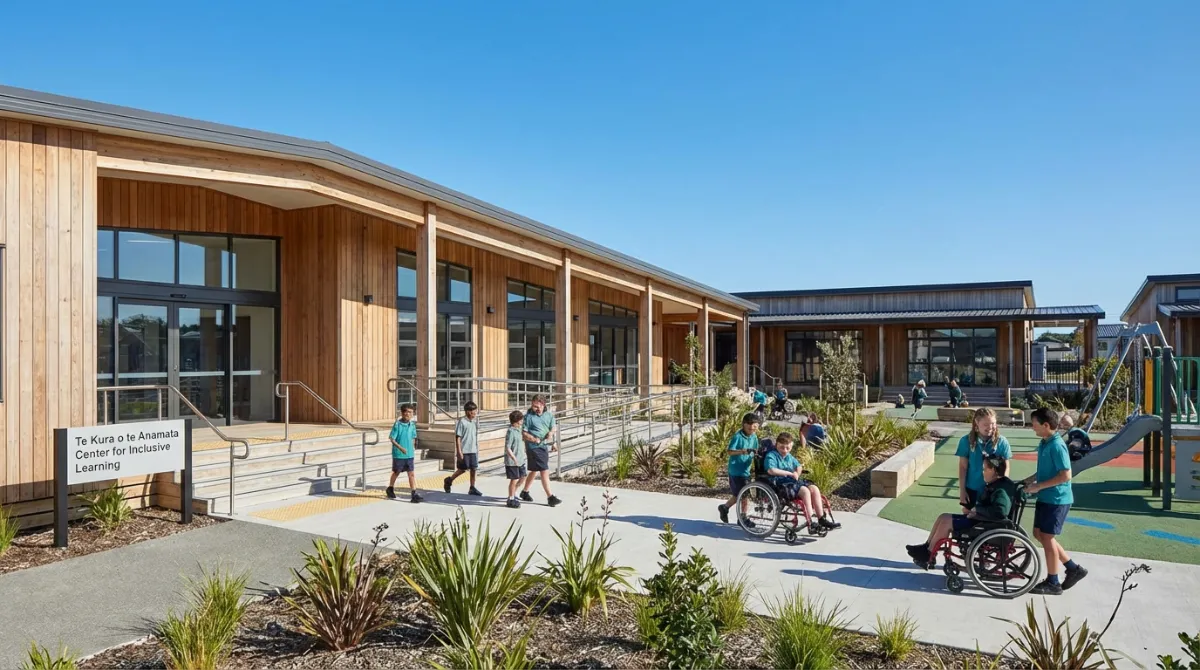
New Zealand law is clear: every child has the right to attend their local school and receive an education. The Education and Training Act 2020 reinforces the principle of inclusive education, which includes the right to a safe learning environment supported by robust Bullying Policies in NZ Schools. When you apply for ors funding nz, you are exercising a right to the resources necessary to make that inclusion a reality. The Act mandates that schools must be inclusive and that the Crown must provide the resourcing to ensure students with disabilities are not discriminated against.
Furthermore, the New Zealand Disability Strategy and the United Nations Convention on the Rights of Persons with Disabilities (UNCRPD) provide the moral and international legal framework that supports ORS and other disability funding. Schools are required to make ‘reasonable accommodations’—ORS is the mechanism by which the government funds those accommodations for the most vulnerable learners. This intersection of Educational Rights & Transitions and domestic stability often relates to broader topics such as Cost of Living Support for Families, Childcare Tax Credits Explained, After School Care Subsidies, Minimum Wage Changes NZ, Op Shops for Baby Gear, Youth Legal Rights, Youth Allowance for Students, Low-Cost Counseling Services, Mental Health Crisis Lines NZ, Financial Literacy & Housing, First Home Grant Eligibility, Digital Safety & Citizenship, Family Law & Separation, Employment Court for Unfair Dismissal, Redundancy Rights for Parents, Finding a JP in My Suburb, Toy Libraries Near Me, Free Library Programs Auckland, locating Recycling Center Locations NZ, and options to Register for Community Gardens, KiwiSaver for Stay-at-Home Parents, Best Return-to-Work Recruiters, and the Flexible Working Request Template, particularly when determining primary caregiving responsibilities, understanding Employment & Parental Rights, and researching Paid Parental Leave NZ 2024.

Conclusion and Key Takeaways
Navigating the journey to apply for ors funding nz is undoubtedly a marathon, not a sprint. It requires patience, meticulous record-keeping, and a collaborative spirit between families and schools. While the criteria are strict, the support provided by ORS can be life-changing for a student, providing the scaffolding they need to reach their full potential within the New Zealand education system.
Key Takeaways:
- Function Over Diagnosis: Focus on how the child functions in the classroom, not just their clinical diagnosis.
- Evidence is King: Ensure all therapist and psychologist reports are up-to-date and specific.
- Collaboration: Work closely with your school’s SENCO; they are your strongest ally.
- Appeals Exist: Do not be discouraged by a decline; use the Section 47 process if the evidence supports it.
- Explore Alternatives: If ORS is not granted, immediately look into RTLB, ICS, or SHHNF supports.