Embracing the Whānau Wellbeing Framework for Thriving New Zealand Families
Nurturing collective strength, cultural identity, and holistic health
In Aotearoa New Zealand, the concept of wellbeing extends far beyond individual health. It’s deeply rooted in the collective strength and interconnectedness of family – a whānau wellbeing framework. This holistic approach recognises that a person’s health and happiness are intricately linked to their family, community, culture, and environment. For New Zealand families, understanding and embracing this framework is key to fostering resilience, cultural identity, and enduring health.
Are you looking to strengthen your family’s overall health and happiness in a way that truly resonates with New Zealand’s unique cultural landscape? This article will guide you through the principles and immense benefits of the whānau wellbeing framework, empowering you to cultivate a thriving family unit.
What is the Whānau Wellbeing Framework?
At its core, the whānau wellbeing framework is a culturally responsive and holistic approach to health and wellness that centres on the whānau (extended family) as the fundamental unit of society. It moves beyond individualistic perspectives, recognising that a person’s wellbeing is inextricably linked to the collective health, strength, and resilience of their family group and their wider community.
Unlike many Western models that often focus on deficits or individual symptoms, this framework emphasises inherent strengths, cultural identity, and the interconnectedness of all aspects of life. It’s about creating environments where whānau can flourish, supported by strong relationships, cultural practices, and a sense of belonging.
Key Pillars of Whānau Wellbeing
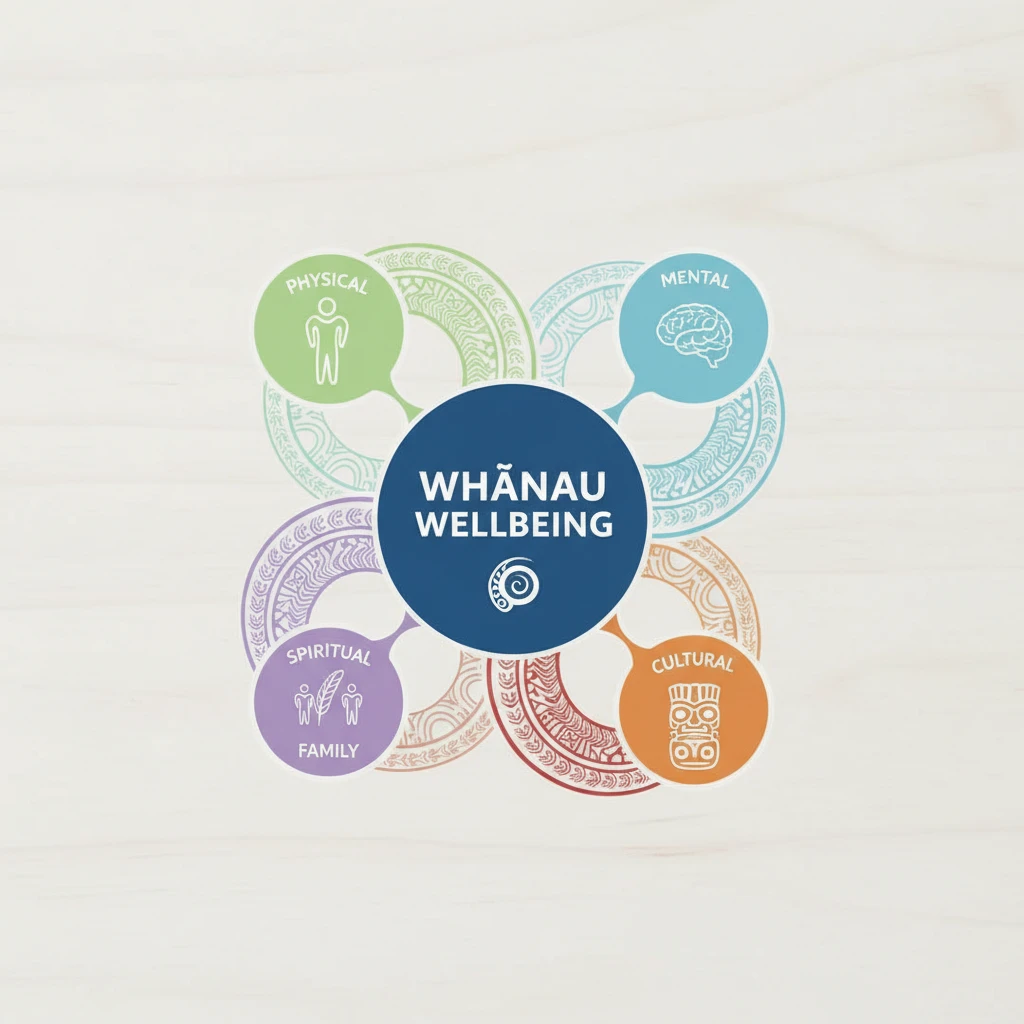
While specific models may vary, foundational elements consistently underpin the whānau wellbeing framework. Two prominent models that exemplify this approach in Aotearoa are Te Whare Tapa Whā and Fonofale.
- Te Whare Tapa Whā: Developed by Sir Mason Durie, this model likens wellbeing to a house with four walls, each representing a dimension of health:
- Taha Tinana (Physical Health): The body’s physical capacity and development.
- Taha Hinengaro (Mental and Emotional Health): The capacity to communicate, think, and feel, and access support for challenges like Post-Natal Depression Help Nz.
- Taha Whānau (Family and Social Health): The capacity to belong, to care, and to share.
- Taha Wairua (Spiritual Health): The capacity for faith, connection to ancestors, and recognition of a higher power.
For whānau wellbeing, all these ‘walls’ must be strong and balanced.
- Fonofale Model: Created by Fuimaono Karl Pulotu-Endemann, this Pacific health and wellbeing model uses the fale (house) metaphor. It includes family, culture, physical, spiritual, mental health, and other dimensions like environment, time, and context, all underpinned by spirituality and values.
“Whānau wellbeing is not merely the absence of illness, but a proactive state of collective vitality, cultural strength, and resilience that empowers families to thrive across generations.”
Key Benefits of Adopting a Whānau Wellbeing Framework
Embracing a whānau wellbeing framework offers profound advantages for New Zealand families, contributing to stronger individuals, healthier communities, and a more vibrant nation.
1. Enhanced Cultural Connection and Identity
The framework inherently validates and prioritises Māori and Pacific worldviews, providing a powerful means for families to connect with their heritage, language (Te Reo Māori), tikanga (customs), and whakapapa (genealogy). This strengthens individual and collective identity, fostering pride and a sense of belonging.
Stat Callout:
Research indicates that strong cultural identity is linked to better mental health outcomes and reduced risk of suicide among Māori youth. (Source: Ministry of Health, 2020)
2. Improved Holistic Health Outcomes
By considering physical, mental, spiritual, and social dimensions simultaneously, the framework ensures a comprehensive approach to health. This often leads to more sustainable and effective health interventions and preventative strategies across the whānau.
3. Greater Resilience and Support Systems
A strong whānau acts as a robust support system, providing emotional, practical, and spiritual aid during times of challenge. This collective resilience helps families navigate adversity, from economic hardship to illness, with greater strength and unity. Understanding aspects of Financial Well-being & Planning, such as managing significant life expenses, considering Saving & Investing for Children’s Future, or calculating How Much Does A Baby Cost Nz, is a crucial part of this resilience.
4. Empowered Decision-Making and Self-Determination
The framework encourages whānau to define their own aspirations and solutions, fostering self-determination (tino rangatiratanga). This empowerment leads to more relevant and sustainable outcomes as families are active participants in their own wellbeing journey.
Stat Callout:
Communities actively engaged in defining their wellbeing priorities report higher levels of community satisfaction and increased civic participation. (Source: Oranga Tamariki, 2021)
5. Stronger Community Ties
When individual whānau are strong, the wider community benefits. The principles of reciprocity, collective responsibility (whanaungatanga), and mutual support extend beyond the immediate family, strengthening neighbourhoods and fostering a more cohesive society.
Applying the Framework in Your Whānau: An Action Checklist
Adopting a whānau wellbeing framework isn’t about following a rigid set of rules, but rather about integrating its core principles into your daily family life. Here’s an action checklist to help you get started:
1. Define Your Whānau’s Vision of Wellbeing
- Discuss: Sit together as a whānau and talk about what ‘wellbeing’ means to each of you. What does a happy, healthy, and thriving whānau look like?
- Identify Strengths: What are your whānau’s existing strengths, traditions, and values that contribute to your collective wellbeing?
2. Prioritise Cultural Connection
- Learn Te Reo Māori: Incorporate Māori language into daily interactions, even if just a few words.
- Explore Whakapapa: Learn about your family’s genealogy and ancestral stories.
- Engage with Tikanga: Participate in Māori or Pacific cultural events, kapa haka, or community activities.
3. Nurture All Dimensions of Health
- Physical: Plan regular outdoor activities, healthy meals, and ensure adequate rest.
- Mental/Emotional: Practice open communication, express feelings, and support each other’s emotional needs. Seek professional help when needed.
- Spiritual: Connect with nature, reflect on values, engage in shared spiritual practices if applicable, and remember your ancestors.
- Family/Social: Schedule regular whānau time, strengthen bonds with extended family, and participate in community life.
4. Foster Open Communication and Support
- Regular Check-ins: Create opportunities for open and honest conversations about challenges and successes.
- Active Listening: Encourage empathy and understanding within the whānau.
- Conflict Resolution: Develop healthy ways to resolve disagreements, focusing on restoration and understanding.
5. Seek and Offer Support within Your Community
- Connect: Engage with local marae, churches, cultural groups, or community centres.
- Give Back: Participate in volunteer efforts or support local initiatives.
- Ask for Help: Don’t hesitate to reach out to extended family or community networks when support is needed.
Conclusion
The whānau wellbeing framework offers a powerful, culturally rich pathway to fostering resilient, healthy, and thriving New Zealand families. By recognising the profound interconnectedness of individuals within their family unit and wider community, and by valuing cultural identity alongside physical, mental, and spiritual health, we can build a stronger foundation for current and future generations.
Embrace these principles, initiate conversations within your whānau, and actively weave this holistic approach into the fabric of your family life. The journey towards collective wellbeing is a continuous one, rich with connection, growth, and enduring strength.
Frequently Asked Questions about Whānau Wellbeing
What does ‘whānau’ mean?
In Māori, ‘whānau’ refers to the extended family, encompassing parents, children, grandparents, aunts, uncles, cousins, and sometimes even close friends. It signifies a collective unit bound by strong relationships and shared responsibility.
Is the whānau wellbeing framework only for Māori families?
While the framework originates from Māori paradigms and is culturally centred, its principles of holistic health, collective support, and strong family ties are universal and can benefit any family in New Zealand or beyond. Many non-Māori families and organisations are adopting these principles to enhance their own wellbeing.
How is whānau wellbeing different from individual wellbeing?
Individual wellbeing focuses on the health and happiness of one person. Whānau wellbeing expands this to acknowledge that an individual’s wellbeing is deeply influenced by and contributes to the wellbeing of their entire family unit. It’s about collective thriving, where everyone is supported and connected.
Can organisations use a whānau wellbeing framework?
Absolutely. Many government agencies, health providers, and community organisations in New Zealand are increasingly adopting a whānau-centred approach to design and deliver services. This ensures that support is holistic, culturally appropriate, and addresses the needs of the family unit rather than just individuals.
References & Sources
- Durie, M. H. (1994). Whaiora: Māori health development. Oxford University Press.
- Ministry of Health. (2020). Te Kōkiri – The Māori Health Action Plan 2020-2025. Wellington: Ministry of Health.
- Oranga Tamariki. (2021). Whānau Ora Outcomes Framework Report. Wellington: Oranga Tamariki.
- Pulotu-Endemann, F. K. (2001). Fonofale Model of Health. Retrieved from Te Pou.
- Te Puni Kōkiri. (n.d.). Whānau Ora. Retrieved from www.tpk.govt.nz/en/whanau-ora