Supporting Youth in Crisis & At-Risk in Aotearoa New Zealand
Navigating the challenges of adolescence can be tough, and for some, it escalates into a crisis. In New Zealand, ensuring our rangatahi (youth) have access to timely and effective youth crisis support NZ is paramount. This comprehensive guide provides vital at-risk youth resources and actionable steps for families, guardians, and young people themselves.
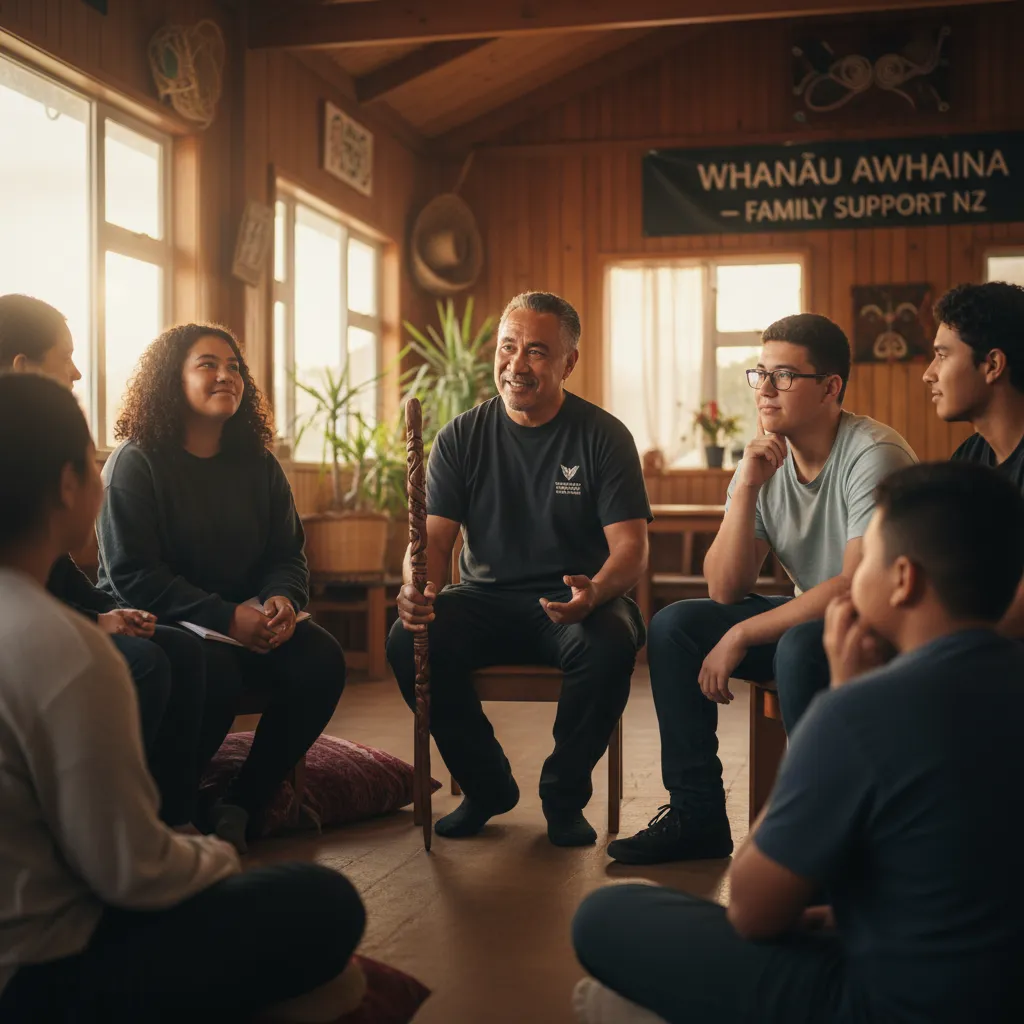
Whether facing mental health struggles, homelessness, substance abuse, or the difficult decision to run away, no young person should feel alone. Our aim is to empower you with the knowledge and connections to find help when it’s needed most.
Table of Contents
1. Help for Runaway Youth in NZ
When a young person runs away, it’s often a cry for help, stemming from complex issues like family conflict, Domestic Violence: Getting Help & Support, mental health struggles, or peer pressure. The immediate priority is their safety and well-being. Knowing where to turn for youth crisis support NZ can make all the difference.

Immediate Steps if a Young Person Runs Away:
- Contact Police Immediately: Report them missing. Provide recent photos and details. In NZ, the police take missing youth seriously.
- Reach Out to Friends & Family: Contact anyone they might be with or confide in.
- Check Common Places: Think about where they might go – friends’ houses, local hangouts, or places of significance.
- Contact Youth Helplines: Organisations like Youthline (0800 376 633) or 0800 WHATSUP are excellent at-risk youth resources, offering support and advice.
Support Once They Are Safe:
Once a young person is located, the journey to understanding and healing begins. This is where ongoing support is crucial.
Action Checklist for Parents & Guardians:
- Seek family counselling to address underlying issues.
- Connect with youth advocacy services for additional guidance, including local organisations like Family Support Services Auckland.
- Ensure they have a safe and stable environment.
- Maintain open, non-judgmental communication.
2. Teen Mental Health Crisis Support in NZ
Mental health challenges among youth are increasingly prevalent in Aotearoa. From anxiety and depression to more severe conditions, a teen mental health crisis requires immediate attention and compassionate care. Knowing the signs and available youth crisis support NZ pathways is essential for intervention.

Stat Callout:
According to the Mental Health Foundation of NZ, one in four young people aged 16-24 experience mental distress. Early intervention and robust at-risk youth resources are critical for better outcomes.
Recognising a Mental Health Crisis:
- Sudden, severe changes in mood, behaviour, or personality.
- Threats of self-harm or suicide.
- Withdrawal from friends, family, and activities.
- Increased risk-taking behaviour.
- Severe anxiety, panic attacks, or persistent sadness.
Where to Find Immediate Help:
- Emergency Services: Call 111 if there’s an immediate threat of harm.
- Crisis Lines: Need to talk? Free call or text 1737 any time to speak with a trained counsellor.
- Youthline: Free call 0800 376 633, text 234, or email talk@youthline.co.nz.
- Local GP: Your family doctor can provide initial assessment and referrals to specialist mental health services.
- School Counsellors: Many schools offer confidential counselling services.
“Addressing mental health in our youth isn’t just about crisis intervention; it’s about fostering resilience and creating a supportive environment where every young person feels seen and heard.”
3. Addressing Youth Substance Abuse
Substance abuse among young people can have profound, long-lasting impacts on their health, education, and future. Recognising the signs early and connecting with appropriate youth crisis support NZ for substance abuse is crucial for recovery and rehabilitation.
Signs of Substance Abuse:
- Changes in appearance, hygiene, or social circles.
- Secrecy, hostility, or unexplained mood swings.
- Decline in academic performance or attendance.
- Loss of interest in hobbies or activities.
- Finding drug paraphernalia or alcohol.
Support & Intervention Strategies:
- Open Communication: Approach your child with concern, not judgment. Express your worries and listen to their perspective.
- Seek Professional Help: Consult your GP, who can refer you to youth-specific addiction services.
- Youth AOD (Alcohol and Other Drug) Services: Many District Health Boards (DHBs) and community organisations offer free and confidential services tailored for young people.
- Family Therapy: Substance abuse often impacts the whole family. Therapy can help improve communication and coping strategies.
- Peer Support Groups: Connecting with others who have similar experiences can be empowering for young people.
4. Support for Youth Homelessness
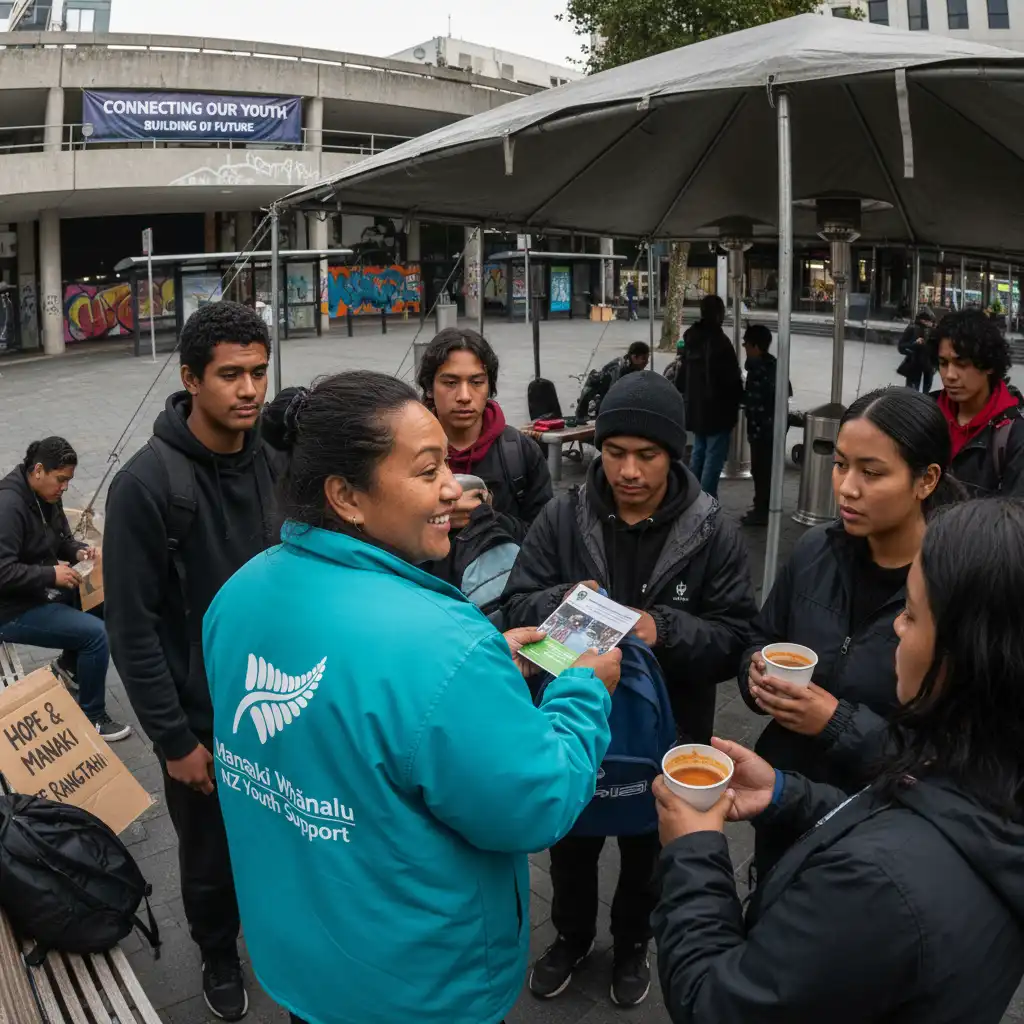
Youth homelessness in New Zealand is a complex issue, often hidden but deeply impacting rangatahi. It can stem from family breakdown, poverty, mental health issues, or unsafe home environments. Providing safe shelter and holistic at-risk youth resources is vital.
Finding Shelter & Support:
- MSD (Ministry of Social Development): Work and Income provides emergency housing support. They can help with accommodation supplements or direct referrals to temporary housing.
- Youth Housing Services: Organisations like Lifewise, Monte Cecilia Housing Trust, and specific youth trusts often provide transitional housing and support services.
- Youthline: Can offer initial advice and connect young people with local support services for shelter.
- Local Community Centres: Many offer drop-in services, food, and connections to other social support agencies.
Long-term solutions involve not just housing, but also support for education, employment, Financial Well-being & Planning, and mental well-being to break the cycle of homelessness.
5. Take Action: Find Help Now
If you or a young person you know needs immediate youth crisis support NZ, please don’t hesitate. Here are some key national contacts:
- Emergency: Call 111 (Police, Fire, Ambulance)
- Need to Talk? Free call or text 1737 any time for support from a trained counsellor.
- Youthline: Free call 0800 376 633, text 234, or email talk@youthline.co.nz.
- 0800 WHATSUP: Freephone 0800 942 8787. Online chat also available.
- Samaritans: Free call 0800 726 666 (available 24/7).
- Lifeline Aotearoa: Free call 0800 543 354 or text HELP to 4357.
- The Lowdown: thelowdown.co.nz (website for young people about depression & anxiety).
Remember, reaching out is a sign of strength. There are compassionate and professional at-risk youth resources ready to assist.
6. Frequently Asked Questions (FAQ)
What are the first steps if my child is in crisis in NZ?
Firstly, ensure their immediate safety. If there’s an immediate threat of harm, call 111. Otherwise, reach out to a trusted professional like your GP, a school counsellor, or a crisis helpline like 1737 or Youthline (0800 376 633) for guidance and support.
Where can I find free mental health support for teens in NZ?
Many services offer free support. The 1737 helpline, Youthline, and school counsellors are often free. Your GP can also make referrals to publicly funded mental health services. Websites like The Lowdown also provide free online resources and support.
What resources are available for youth experiencing homelessness in NZ?
The Ministry of Social Development (Work and Income) can assist with emergency housing. There are also specific youth housing organisations such as Lifewise or local youth trusts. Youthline can also connect young people with appropriate local services for shelter and support.
How can I help a friend who is struggling with substance abuse?
Encourage them to talk to a trusted adult (parent, teacher, counsellor) or suggest they contact a helpline like Youthline. Offer non-judgmental support and let them know you’re there for them. Avoid enabling their substance use and instead focus on helping them find professional help.
Is there anonymous help available for youth in NZ?
Yes, many services offer anonymous or confidential help. Helplines like 1737, Youthline (via text or email), and 0800 WHATSUP provide confidential support where you don’t have to share your identity. Websites like The Lowdown also offer anonymous self-help tools and forums.
7. References & Sources
- Ministry of Social Development (MSD) – Work and Income NZ. (n.d.). Emergency Housing. Retrieved from workandincome.govt.nz
- Mental Health Foundation of New Zealand. (n.d.). Statistics about mental health in New Zealand. Retrieved from mentalhealth.org.nz
- Youthline Aotearoa. (n.d.). Helpline. Retrieved from youthline.co.nz
- The Lowdown. (n.d.). For Young People About Depression & Anxiety. Retrieved from thelowdown.co.nz
- NZ Police. (n.d.). Missing Persons. Retrieved from police.govt.nz