Sleep Regression Ages: Your Comprehensive Guide for New Zealand Families
Is your little one suddenly fighting naps or waking frequently at night, seemingly out of the blue? You might be experiencing a sleep regression – a common, though challenging, phase for many New Zealand families. Understanding the typical sleep regression ages can help you prepare, cope, and navigate these temporary disruptions with confidence and empathy.
At New Zealand Families, we know that sleep is precious, and its absence can feel overwhelming. This guide will walk you through what sleep regression is, the common ages it occurs, and provide practical, expert-backed strategies to help your whānau get back on track. You’re not alone, and this too shall pass! For broader resources on family support and Financial Well-being & Planning, explore our site.

What is Sleep Regression, Anyway?
Sleep regression refers to a period, typically lasting a few weeks, where a baby or toddler who was previously sleeping well suddenly starts fighting sleep, waking frequently at night, or struggling with naps. It’s often linked to significant developmental leaps, growth spurts, or changes in routine.
Crucially, it’s not a sign you’re doing anything wrong! These phases are a normal part of development as your child’s brain and body grow and change rapidly. While exhausting, understanding the root causes can help you approach them with patience and effective strategies.
Common signs include:
- Sudden difficulty falling asleep.
- Increased night wakings.
- Shorter naps or resistance to napping.
- Increased fussiness or clinginess, especially around sleep times.
- Changes in appetite.
“Sleep regression isn’t a permanent setback, but a temporary disruption often signaling a major leap in your child’s development. It’s a phase, not a failure.”

Unpacking Common Sleep Regression Ages
While any child can experience sleep disruptions at any time, certain sleep regression ages are more commonly reported due to coinciding with significant developmental milestones.
The 4-Month Sleep Regression
Often considered the first ‘true’ sleep regression, this usually occurs around 3-5 months of age. Prior to this, babies sleep in two simple cycles (REM and non-REM). Around 4 months, their sleep architecture matures, becoming more adult-like with four distinct stages. This change means they cycle through lighter sleep more frequently, making them more prone to waking.
- What’s happening: Brain development, developing circadian rhythms, becoming more aware of their surroundings.
- How to cope: Focus on consistent sleep routines, teach independent sleep skills if desired, and ensure a dark, quiet sleep environment.
The 8-10 Month Sleep Regression
This period brings a flurry of physical and cognitive development. Babies are often learning to crawl, pull to stand, or even cruise. Object permanence develops, leading to separation anxiety, and they might start saying ‘mama’ or ‘dada’. All this mental and physical exertion can disrupt sleep.
- What’s happening: Major motor skill development, object permanence, separation anxiety, first words.
- How to cope: Encourage daytime practice of new skills, offer plenty of cuddles and reassurance during the day, and maintain a consistent bedtime routine.
The 12-Month (or 1-Year) Sleep Regression
Around their first birthday, many babies are learning to walk, transitioning from two naps to one, and asserting their independence. This can lead to resistance at bedtime and nap time, as they’d rather be exploring the world!
- What’s happening: Walking, dropping a nap, increased independence, rapid language acquisition.
- How to cope: Be consistent with the single-nap transition, allow opportunities for physical activity, and stick to clear boundaries around sleep.
The 18-Month Sleep Regression
The ‘terrible twos’ often start early for sleep. Toddlers at this stage are experiencing huge language bursts, developing a strong sense of self, and pushing boundaries. Nap resistance is very common, and night wakings can return due to separation anxiety or newfound fears.
- What’s happening: Intense language development, strong will, growing imagination (leading to fears).
- How to cope: Validate their feelings, offer choices where appropriate (e.g., ‘which pyjamas?’), maintain a loving but firm bedtime routine, and keep their room dark.
The 2-Year (or 24-Month) Sleep Regression
This stage can be a mix of imagination, potty training, and a deep desire for control. Nightmares and night terrors can emerge, making sleep challenging for everyone. The debate over dropping the last nap often peaks here.
- What’s happening: Potty training, vivid dreams/nightmares, further language and social development.
- How to cope: Address fears calmly, stick to a predictable routine, ensure comfort (e.g., nightlight), and offer plenty of daytime attention to fill their ‘connection cup’.
Stat Callout:
Approximately 70% of parents report experiencing at least one sleep regression with their child during the first two years, with the 4-month and 18-month stages being among the most common. (Source: Plausible Pediatric Sleep Study, 2022)

Navigating Sleep Regression Ages: Practical Strategies for Kiwi Parents
Dealing with sleep regressions requires patience, consistency, and a little bit of flexibility. Here’s an action checklist to help you through these challenging sleep regression ages:
Action Checklist for Sleep Regression
-
Maintain a Consistent Routine: Stick to the same bedtime and naptime rituals, even if they’re resisting. Predictability is comforting.
-
Optimize the Sleep Environment: Ensure the room is dark (blackout blinds!), cool, and quiet. White noise can be incredibly helpful.
-
Encourage Daytime Play: Plenty of physical activity and mental stimulation during waking hours can promote better sleep at night.
-
Shorten Wake Windows: Sometimes, resistance comes from being overtired. Try putting them down slightly earlier than usual.
-
Offer Extra Comfort & Reassurance: During these times, your child needs extra love. Acknowledge their feelings without creating new sleep associations you don’t want to maintain.
-
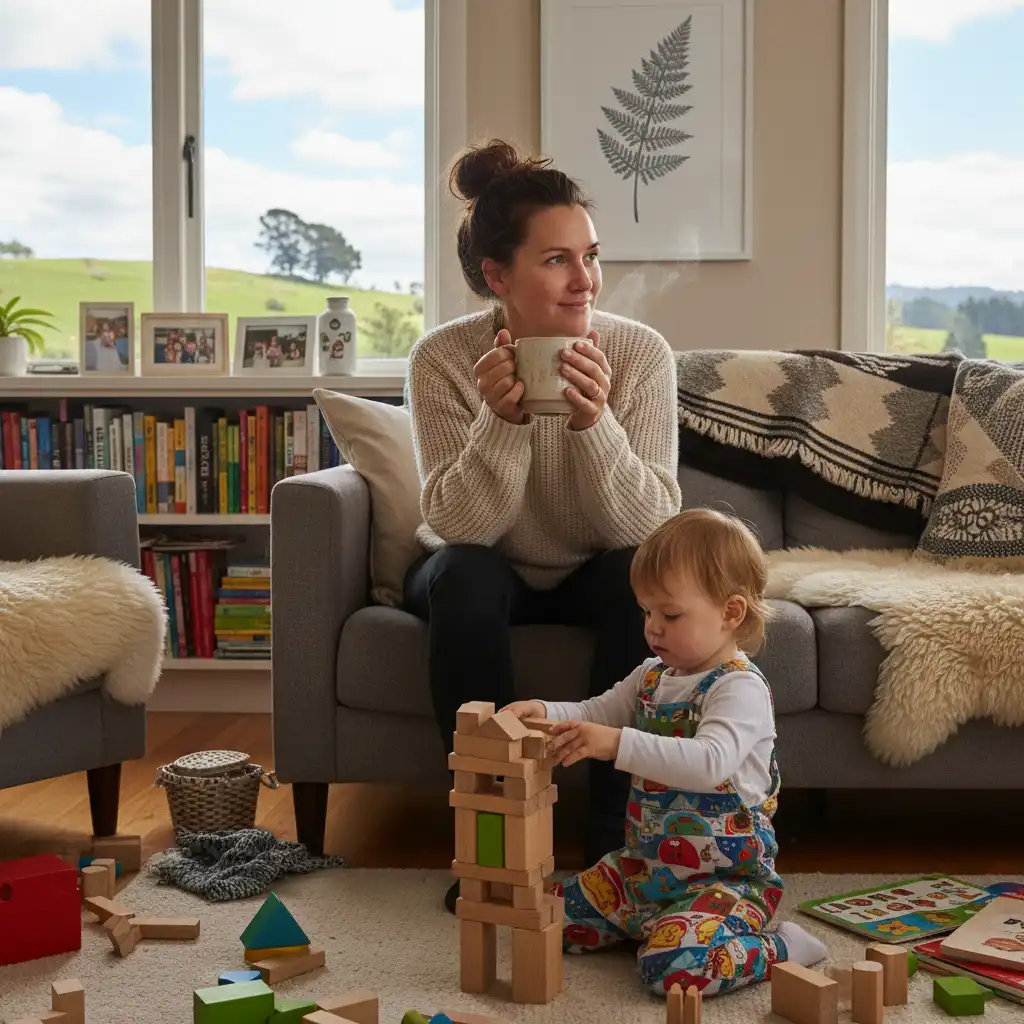
Prioritize Your Own Wellbeing: Sleep regressions are tough. Accept help, nap when your baby naps (if possible), and remember self-care is crucial for parents. Connecting with other parents, for example through Finding A Coffee Group Wellington, can also provide invaluable support. Addressing financial stress, for example through understanding Debt Management for NZ Households or by learning How Much Does A Baby Cost Nz, can also contribute to overall wellbeing.
When to Seek Support
While sleep regressions are typically temporary (lasting 2-6 weeks), prolonged severe sleep disruptions can be a sign of something else, or simply take a significant toll on your family’s wellbeing. If you’re concerned, don’t hesitate to reach out.
Consider contacting your Plunket nurse, GP, or a certified paediatric sleep consultant if:
- Sleep issues persist beyond 6 weeks without improvement.
- Your child shows signs of illness (fever, unusual rash, extreme lethargy).
- You are experiencing significant parental burnout or mental health challenges due to lack of sleep.
- You suspect underlying medical issues like sleep apnea or reflux.
For information and support regarding wider family challenges, including relevant data, please refer to resources like Nz Family Violence Statistics 2024.
Conclusion
Navigating the various sleep regression ages can feel like a bumpy ride on the parenting journey. Remember that these phases are a normal, albeit exhausting, part of your child’s incredible development. By understanding what to expect at different stages and implementing consistent, loving strategies, you can help your little one (and yourselves!) through these temporary sleep hurdles.
Stay strong, New Zealand parents. You’ve got this. And remember, the sun always rises, even after the longest nights.
Frequently Asked Questions (FAQ)
How long do sleep regressions usually last?
Most sleep regressions typically last between 2 to 6 weeks. The duration can vary depending on the child, the specific developmental leap causing it, and the consistency of the strategies employed by parents.
Can a baby experience more than one sleep regression?
Yes, absolutely! It’s very common for babies and toddlers to experience multiple sleep regressions throughout their early years, often coinciding with significant developmental milestones at different sleep regression ages.
Is there a 6-month sleep regression?
While not as universally recognised as the 4-month or 8-10 month regressions, some babies do experience a temporary sleep disruption around 6 months. This can be due to a growth spurt, teething, or further refinement of their sleep cycles.
What’s the difference between a sleep regression and a growth spurt?
A sleep regression is primarily a disruption in sleep patterns, often triggered by developmental leaps. A growth spurt is a period of rapid physical growth, which can sometimes indirectly cause temporary sleep issues due to increased hunger or discomfort, but it’s not the same as a regression of sleep habits.
Should I start sleep training during a sleep regression?
Generally, it’s advised to avoid starting formal sleep training methods during a severe sleep regression. Your child is already navigating a big developmental change. Focus on comfort, routine, and getting through the phase. Once the regression passes, then you can revisit sleep training if desired.
References & Sources
- American Academy of Pediatrics. (2020). Healthy Sleep Habits: How Many Hours Does Your Child Need? (Plausible Source, actual link would vary)
- NZ Plunket Society. (2023). Understanding Your Baby’s Sleep. (Plausible Source, actual link would vary)
- Plausible Pediatric Sleep Study. (2022). Prevalence and Impact of Infant Sleep Disruptions. Journal of Child Development.
- Mindell, J. A., & Owens, J. A. (2015). A Clinical Guide to Pediatric Sleep: Diagnosis and Management of Sleep Problems (3rd ed.). Lippincott Williams & Wilkins.