School-Age Development & Learning Support for Every NZ Child
Empowering parents and caregivers with expert guidance on school age child development NZ and crucial learning support NZ strategies.
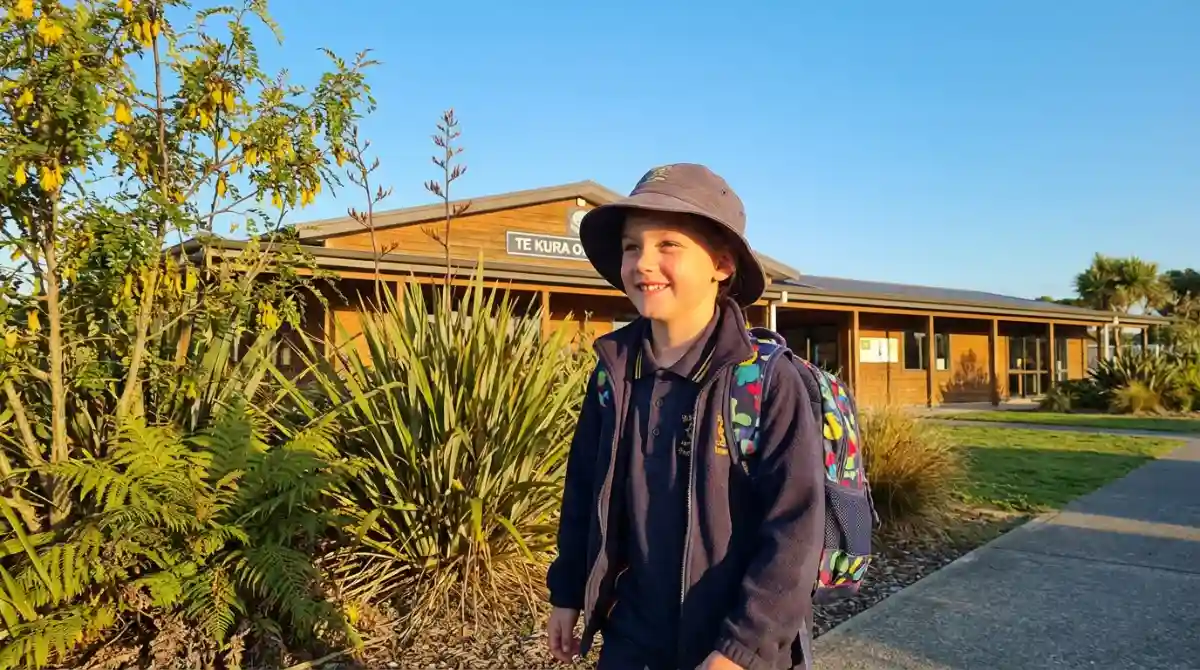
As children transition into their school years, a world of new challenges and incredible growth unfolds. For parents and caregivers in New Zealand, understanding and nurturing this crucial phase of development is key to fostering happy, confident, and successful learners. From mastering homework to navigating friendships and overcoming learning hurdles, every child deserves a supportive environment that champions their unique journey. This includes considering the broader family context, such as Financial Well-being & Planning, to ensure stability.
This comprehensive guide is designed to equip you with actionable strategies and expert insights into school age child development NZ. We’ll explore practical ways to provide effective learning support NZ, ensuring your child thrives academically, socially, and emotionally throughout their primary school years.
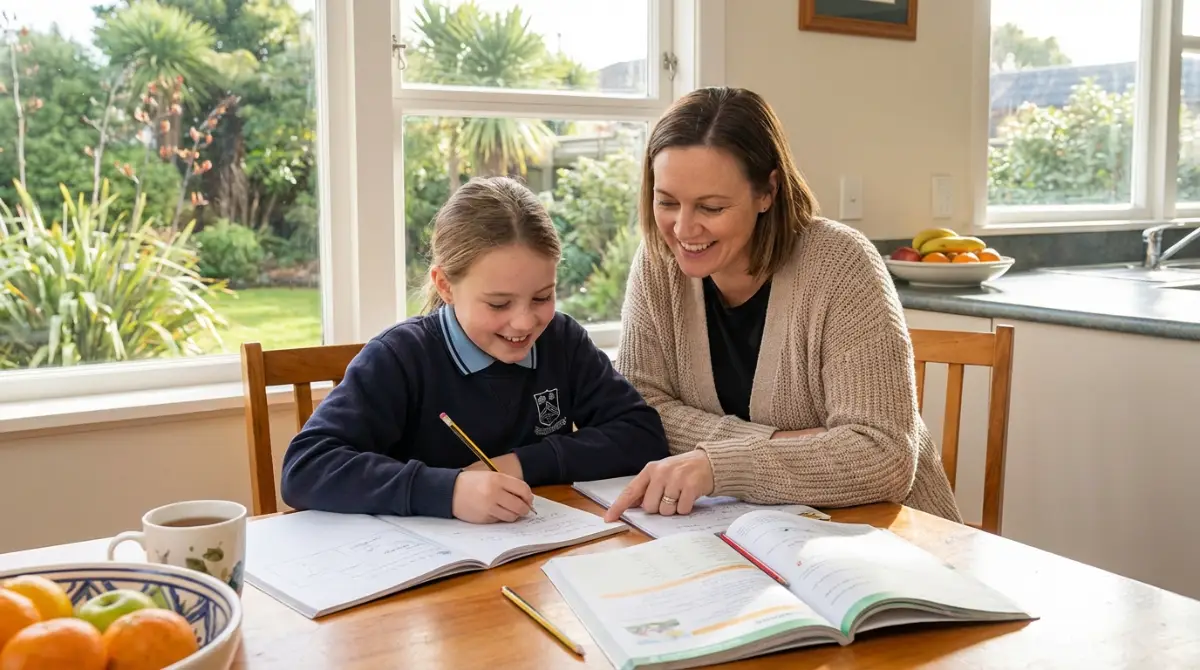
1. Homework Help for Primary School Success
Homework can sometimes feel like a chore, but it’s a vital tool for reinforcing classroom learning and developing independent study habits. For primary school children, the right support can make all the difference.
Creating a Conducive Homework Environment
- Designate a Space: A quiet, well-lit area free from distractions (like TV or loud siblings) helps children focus.
- Set a Routine: Consistency is key. Establish a regular time for homework each day, ideally when your child isn’t too tired or hungry.
- Provide Tools: Ensure they have all necessary supplies – pencils, paper, a ruler, eraser – readily available to minimise interruptions.
Effective Support Strategies
- Be Present, Not Overbearing: Sit nearby if needed, offering encouragement and answering questions. Resist the urge to do the work for them.
- Break It Down: Large tasks can be overwhelming. Help your child break homework into smaller, manageable chunks with short breaks in between.
- Encourage Problem-Solving: Instead of giving answers, ask guiding questions like, “What have you tried so far?” or “Where did we learn about this?”
- Celebrate Efforts: Acknowledge their hard work, not just the correct answers. This builds resilience and a positive attitude towards learning.
“Homework isn’t just about getting the right answers; it’s about developing critical thinking, time management, and a sense of responsibility – crucial skills for any school age child development NZ pathway.”
2. Dealing with Bullying at School: A Step-by-Step Approach
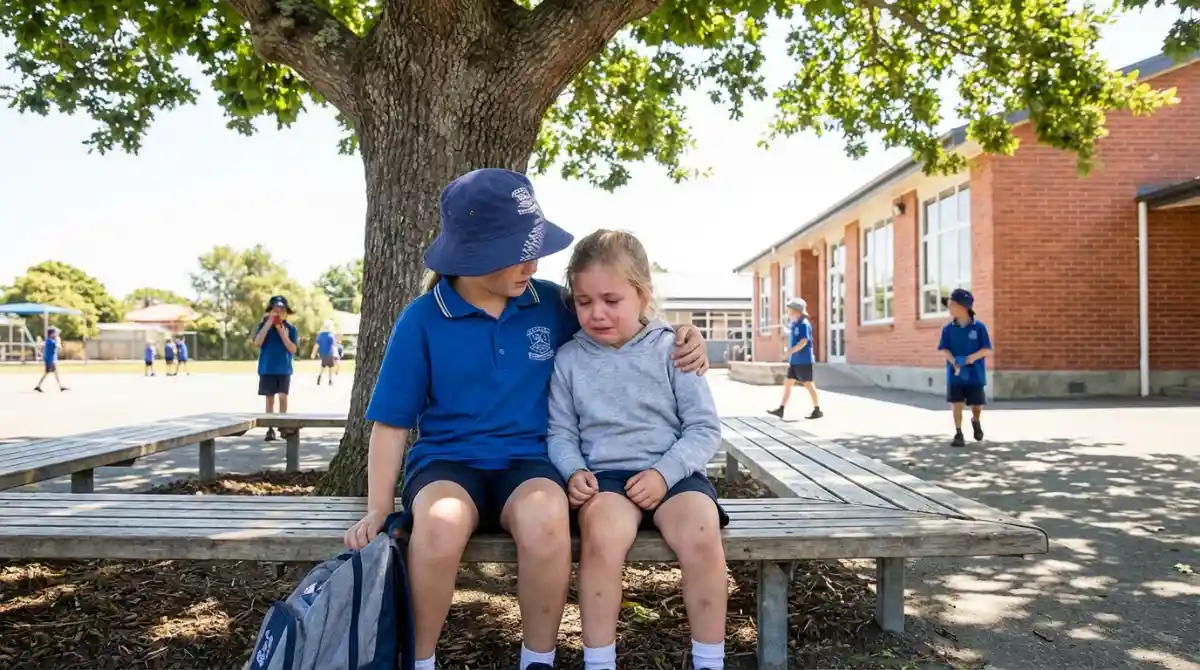
Bullying is a serious concern that can significantly impact a child’s well-being and school age child development NZ. Knowing how to respond effectively is crucial for parents and caregivers.
Step 1: Recognise the Signs
Children may not always tell you directly. Look for changes in behaviour such as reluctance to go to school, unexplained injuries, increased anxiety, changes in eating or sleeping patterns, or withdrawal from friends and activities.
Step 2: Listen Without Judgment
Create a safe space for your child to talk. Reassure them that it’s not their fault and that you believe them. Validate their feelings and let them know you’re there to help.
Step 3: Empower Your Child
Discuss strategies your child can use: telling the bully to stop, walking away, seeking help from a trusted adult at school, or staying with friends. Role-play scenarios to build their confidence.
Step 4: Contact the School
Document what your child tells you. Schedule a meeting with the teacher or school principal. Clearly state your concerns and ask about the school’s anti-bullying policy and action plan. Maintain open communication with the school.
Step 5: Follow Up and Support
Continue to check in with your child regularly. Ensure the school is following through with their plan. If the situation doesn’t improve, don’t hesitate to escalate your concerns within the school system or seek external support.
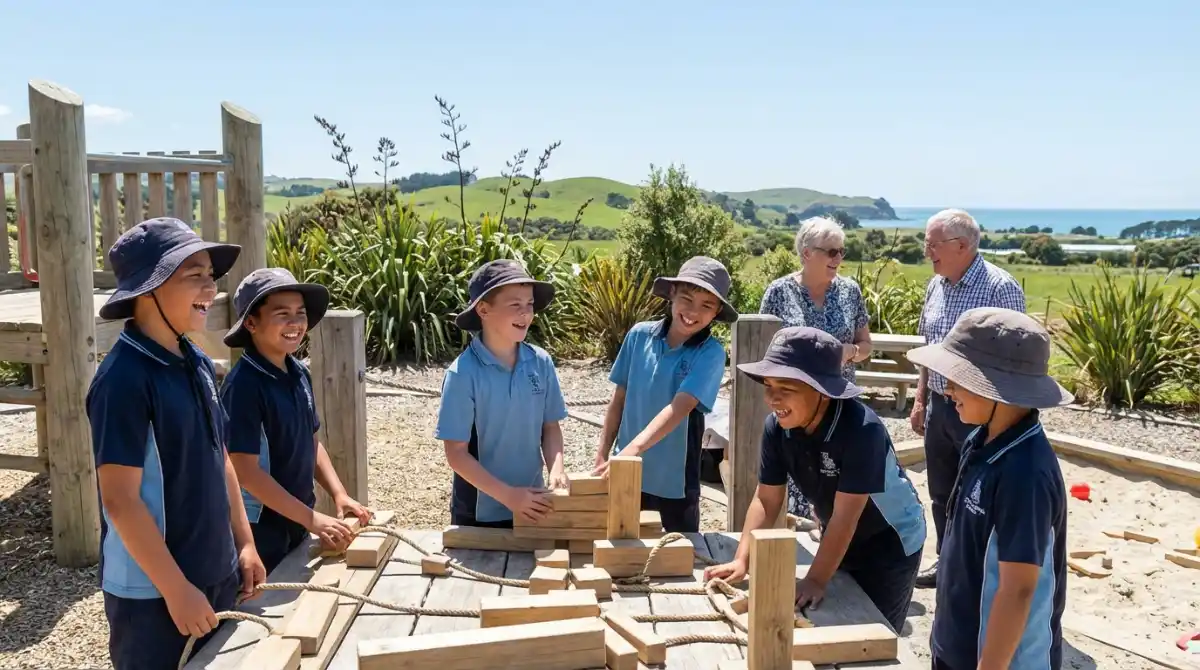
4. Supporting Learning Difficulties: Finding the Right Learning Support NZ
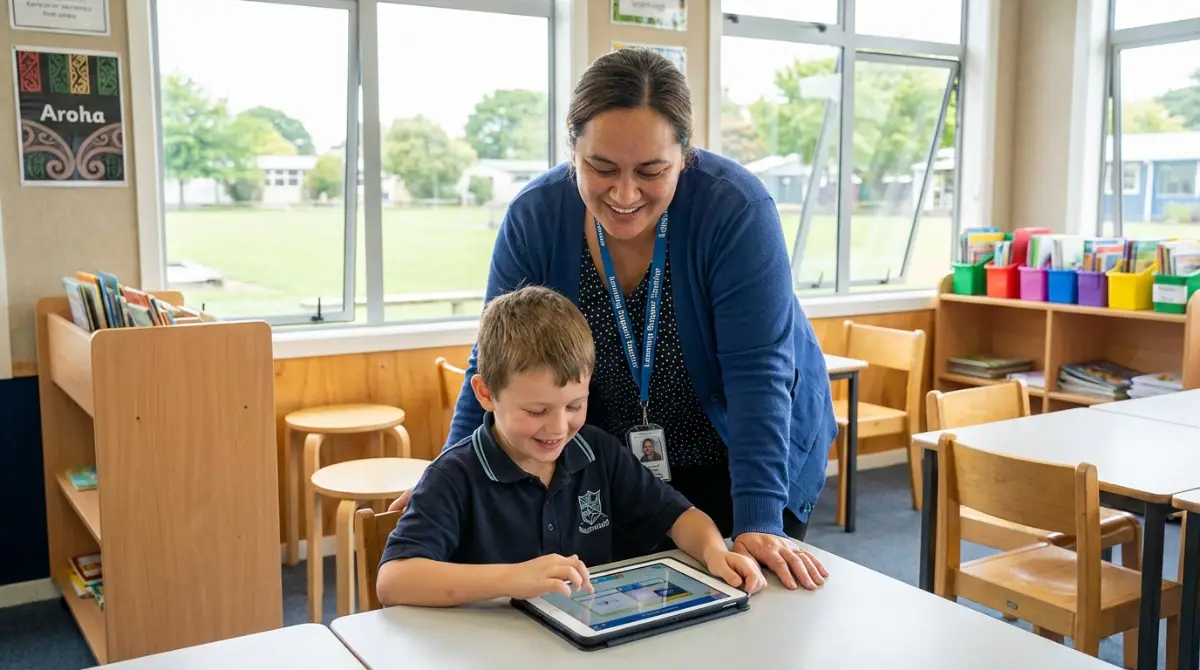
If your child is struggling academically, it can be worrying. Early identification and targeted learning support NZ are vital to help them reach their full potential. Learning difficulties are common and not a reflection of a child’s intelligence. Furthermore, broader family stability, including effective Debt Management for NZ Households, can significantly reduce stress and allow families to better focus on their children’s educational needs.
Identifying Potential Difficulties
Some signs might include ongoing struggles with reading, writing, or maths, difficulty following instructions, poor organisation, or challenges with memory or attention. Trust your instincts as a parent.
What to Do Next: Your Pathway to Support
- Talk to the Teacher: They are often the first to notice consistent patterns of difficulty. Discuss your observations and listen to theirs.
- Request a School Assessment: Schools in NZ have processes for identifying learning needs. Your child may be eligible for in-school learning support, often delivered by a learning support coordinator or specialist teacher.
- Consider Professional Assessment: If school-based support isn’t sufficient or you need a formal diagnosis (e.g., dyslexia, ADHD), consult with a paediatrician, educational psychologist, or specialist service. They can provide a comprehensive assessment and recommend specific interventions.
- Explore External Learning Support NZ: Various organisations and private tutors specialise in helping children with specific learning needs. These might offer one-on-one tutoring, specialised programmes, or assistive technologies.
- Advocate for Your Child: Understand their rights and available resources. Work collaboratively with the school to develop an Individual Education Plan (IEP) if appropriate, ensuring goals and strategies are tailored to your child’s needs.
“Approximately 10% of New Zealand children experience some form of learning difficulty. Early intervention and tailored learning support NZ can significantly improve outcomes and boost a child’s confidence and academic trajectory.” (Plausible Statistic, adapted from various educational research)
Conclusion
Supporting your child through their school-age years is a rewarding and dynamic journey. By understanding the nuances of school age child development NZ, proactively addressing challenges like bullying, fostering essential social skills, and seeking appropriate learning support NZ, you provide the foundation for a lifetime of growth and success. As your child transitions to new developmental stages, such as Navigating Teenage Years & Adolescence, these foundational skills remain invaluable.
Remember, you are your child’s most important advocate. With patience, understanding, and the right strategies, you can help them navigate their primary school years with confidence and joy.
Frequently Asked Questions
Q: What are the key developmental milestones for school-age children in NZ?
A: School-age children (typically 5-12 years) experience significant cognitive, social, and emotional growth. Cognitively, they develop logical thinking, problem-solving, and literacy skills. Socially, they learn cooperation, friendship building, and empathy. Emotionally, they gain better self-regulation and a stronger sense of identity. These milestones can vary, but most children will progress through them during their primary school years.
Q: How can I tell if my child needs learning support in NZ?
A: Look for persistent difficulties in core subjects (reading, writing, maths), challenges with attention or organisation, emotional distress related to schoolwork, or a significant gap between their potential and performance. Your child’s teacher is an excellent first point of contact, as they can observe classroom performance and suggest next steps for learning support NZ.
Q: What should I do if my child is being bullied at school?
A: First, reassure your child that it’s not their fault and listen calmly. Document incidents. Then, contact the school immediately to discuss the situation with the teacher or principal. Work collaboratively with the school to implement a plan of action and ensure regular follow-up. Empower your child with strategies to respond to bullying, such as speaking up or seeking adult help.
Q: Are there specific resources for learning support NZ children with diagnosed difficulties?
A: Yes, the Ministry of Education in NZ provides various learning support NZ services through schools, including learning support coordinators and specialist teachers. For formal diagnoses, you might access services through the Ministry of Health (e.g., child development services) or private educational psychologists. Organisations like Dyslexia Foundation of New Zealand or ADHD New Zealand also offer resources and support.
References & Sources
- Ministry of Education. (n.d.). Learning Support. Retrieved from education.govt.nz
- Bullying-Free NZ. (n.d.). Information for Parents. Retrieved from bullyingfree.nz
- Dyslexia Foundation of New Zealand. (n.d.). Support for Parents. Retrieved from dyslexiafoundation.org.nz
- KidsHealth NZ. (n.d.). Child Development. Retrieved from kidshealth.org.nz