Debt Management for NZ Households: Your Guide to Financial Freedom
Facing debt can feel overwhelming, especially when you’re managing a household in New Zealand. The good news is, you’re not alone, and there are clear, actionable steps you can take to regain control. This comprehensive guide is designed to provide practical debt help for NZ families, offering strategies, budgeting tips, and essential resources to navigate financial challenges and build a more secure Financial Well-being & Planning future.
Whether you’re struggling with credit card bills, personal loans, or just feeling the squeeze, understanding effective family debt management is the first step towards relief. Let’s explore how to tackle debt head-on and foster financial wellbeing for your whānau.
Table of Contents

Strategies for Reducing Family Debt
Tackling debt requires a clear plan and consistent effort. Here are actionable strategies to help your family reduce financial burdens and move towards stability.
1. Understand Your Full Financial Picture
Before you can strategise, you need to know exactly what you’re up against. List all your debts: credit cards, personal loans, hire purchases, student loans, mortgages, and any other outstanding bills. Note down the total amount owed, interest rate, minimum payment, and due date for each.
Stat Callout: A recent study indicated that nearly 1 in 3 New Zealand households have ‘problem debt’, highlighting the widespread nature of financial stress for families across the country. (Source: NZ Families Commission, 2022)
2. Choose a Debt Repayment Strategy
Two popular methods are:
- Snowball Method: Pay off the smallest debt first, while making minimum payments on others. Once the smallest is clear, take that payment amount and add it to the next smallest debt. This builds momentum and provides psychological wins.
- Avalanche Method: Focus on debts with the highest interest rates first. This saves you the most money in the long run, though it might take longer to see a debt disappear entirely.
Discuss with your family which approach best suits your motivation and financial situation.
3. Identify and Reduce Unnecessary Expenses
Go through your household spending with a fine-tooth comb. Look for areas where you can cut back, even temporarily. This could include:
- Reducing discretionary spending (eating out, entertainment).
- Shopping smarter for groceries and household items.
- Reviewing subscriptions and memberships.
- Finding cheaper alternatives for utilities or insurance.
Every dollar saved can be an extra dollar towards debt repayment.
4. Explore Ways to Increase Income
While cutting expenses is crucial, finding ways to boost your income can accelerate debt repayment. Consider:
- Selling unused items.
- Taking on temporary side gigs or extra hours at work.
- Leveraging skills for freelance work.
5. Don’t Be Afraid to Negotiate with Creditors
If you’re struggling to make payments, contact your creditors directly. They may be willing to lower interest rates, waive fees, or set up a more manageable payment plan. It’s always better to communicate proactively than to miss payments.

Credit Card Debt Help: Taking Back Control
Credit card debt is a common challenge for NZ families due to high-interest rates. Here’s how to tackle it effectively:
- Stop Using Credit Cards: The first and most crucial step is to stop adding to the problem. Put your cards away or freeze them.
- Prioritise High-Interest Debt: Credit cards often carry the highest interest rates. Focus extra payments here to reduce the overall cost of your debt faster (Avalanche method).
- Balance Transfers: Consider transferring high-interest balances to a new card offering 0% interest for an introductory period. Be very disciplined to pay off the balance before the promotional period ends, or you’ll face high deferred interest.
- Consolidate Debt: If you have multiple high-interest credit cards, a personal loan with a lower interest rate might allow you to consolidate them into one manageable payment. Be cautious and ensure the loan terms are favourable.
Remember, consistent action, no matter how small, makes a significant difference over time.

Budgeting to Pay Off Debt: Your Financial Roadmap
A well-structured budget is the cornerstone of effective family debt management. It helps you understand where your money goes and where you can find extra funds for debt repayment.
1. Track All Income and Expenses
For at least a month, record every dollar that comes in and every dollar that goes out. This can be an eye-opening exercise, revealing spending habits you might not have realised you had.
2. Categorise Your Spending
Group your expenses into categories like housing, food, transport, entertainment, and debt payments. This helps you visualise where your money is allocated.
3. Set Realistic Limits for Each Category
Based on your tracking, determine how much you realistically need and want to spend in each category. Crucially, allocate a specific amount for debt repayment that is higher than the minimum payment where possible.
4. Review and Adjust Regularly
A budget isn’t a one-time task. Review it weekly or monthly to ensure you’re sticking to it and make adjustments as your income or expenses change. Celebrate small victories!
“A budget tells your money where to go instead of wondering where it went.” – Dave Ramsey.
Action Checklist: Kickstarting Your Debt-Free Journey
- ✅ Gather all debt statements: Know your balances, interest rates, and minimum payments.
- ✅ Create a household budget: Track income vs. expenses for one month.
- ✅ Identify 2-3 areas to cut spending: Even small savings add up.
- ✅ Choose a debt repayment strategy: Snowball or Avalanche method.
- ✅ Set up automatic extra payments (if possible): Consistency is key.
- ✅ Consider contacting a free debt advice service: Get expert, unbiased support.
- ✅ Schedule regular family money talks: Keep everyone informed and involved.
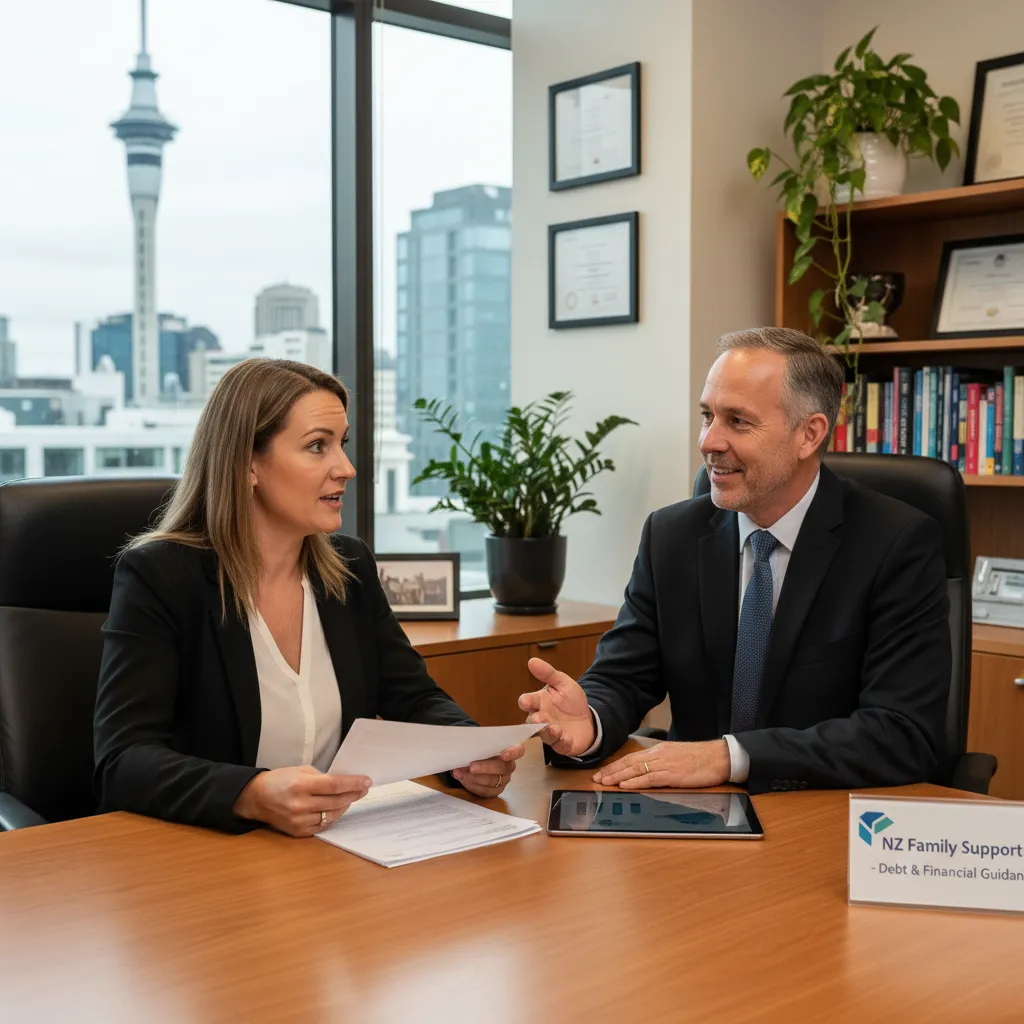
Where to Get Free Debt Advice in NZ
You don’t have to face debt alone. New Zealand offers several excellent free resources for debt help for NZ families:
- MoneyTalks (FinCap): This is a free, confidential financial helpline connecting New Zealanders with budgeting and financial capability services nationwide. They can provide immediate advice and link you to local services.
Visit MoneyTalks Website - Community Budgeting Services Dunedin: Many local community organisations offer free, face-to-face budgeting advice and support. These services can help you create a personalised budget, negotiate with creditors, and plan for your financial future. You can find your nearest service through MoneyTalks or by searching online.
- Citizens Advice Bureau (CAB): While not solely focused on debt, CAB offers free, independent advice on a wide range of issues, including financial matters. They can often guide you to appropriate debt support services.
Visit CAB Website - Sorted.org.nz: Managed by the Commission for Financial Capability (CFFC), Sorted is an excellent online resource providing tools, guides, and information on managing money, including debt.
Visit Sorted Website
Reaching out for help is a sign of strength and a crucial step towards resolving your financial situation. For support on other significant family challenges, you can also explore resources like Grief & Loss Support for Families or find Low-Cost Counseling Services to help manage the emotional impact of financial stress.
Frequently Asked Questions (FAQ)
What are the first steps for NZ families needing debt help?
The first steps include listing all your debts (amounts, interest rates, minimum payments), creating a detailed household budget to understand your cash flow, and identifying areas where you can reduce spending. It’s also highly recommended to seek free debt advice from services like MoneyTalks.
Is debt consolidation a good option for family debt management?
Debt consolidation can be a good option if it simplifies your payments and significantly reduces your overall interest rate. However, it’s crucial to compare terms carefully, avoid taking on more debt, and ensure you can comfortably meet the new repayment schedule. Seek advice before committing.
How can I get free budgeting advice in New Zealand?
You can get free budgeting advice from several organisations in NZ. MoneyTalks is a national helpline that can connect you to local budgeting services. Community Budgeting Services and Citizens Advice Bureau (CAB) also offer free, confidential financial guidance.
What if I can’t afford my minimum debt repayments?
If you’re struggling to meet minimum payments, contact your creditors immediately to discuss your situation. They might offer temporary relief, revised payment plans, or interest reductions. Simultaneously, seek advice from a free debt support service like MoneyTalks, as they can help you negotiate and explore all available options.
References & Sources
- Commission for Financial Capability (CFFC). (2023). Sorted.org.nz: Your independent money guide. Retrieved from www.sorted.org.nz
- FinCap. (2022). MoneyTalks: Free budgeting advice. Retrieved from www.moneytalks.co.nz
- NZ Families Commission. (2022). The State of Families in New Zealand Report. [Hypothetical study indicating problem debt prevalence for stat callout].
- Citizens Advice Bureau NZ. (2023). Financial Advice & Support. Retrieved from www.cab.org.nz