Post-Natal Depression Help in NZ: Your Essential Guide & Support
The arrival of a new baby is often painted as a time of pure joy, but for many New Zealand parents, it can also bring unexpected feelings of sadness, anxiety, and overwhelm. If you’re grappling with these emotions, know this: you are not alone, and help is available.
This comprehensive guide is designed to provide clear, compassionate post-natal depression help in NZ, connecting you with vital resources and understanding. We’ll explore what PND is, how to recognise its signs, and crucially, where to turn for support here in Aotearoa.

Table of Contents
- What is Post-Natal Depression?
- Recognising the Signs: Is it PND or Baby Blues?
- Why Post-Natal Depression Happens
- Seeking Post-Natal Depression Help in NZ: Your First Steps
- Key Benefits of Getting Help
- Practical Support Systems in New Zealand
- Self-Care Strategies for New Parents
- Frequently Asked Questions
- References/Sources
What is Post-Natal Depression?
Post-Natal Depression (PND), also known as Postpartum Depression, is a serious mental health condition that can affect parents after childbirth. It’s more than just feeling a bit down; it’s a persistent and often debilitating sadness, anxiety, or emptiness that can interfere with daily life and bonding with your baby.
Stat Callout: In New Zealand, it’s estimated that 1 in 7 women and up to 1 in 10 men experience perinatal depression or anxiety. This highlights the widespread need for effective post-natal depression help nz.
Recognising the Signs: Is it PND or Baby Blues?
It’s crucial to differentiate PND from the ‘baby blues’, which affect around 80% of new mothers. Baby blues typically appear within the first few days after birth, involve mood swings, weepiness, and irritability, and usually subside within two weeks without intervention. PND, however, is more intense, lasts longer (weeks or months), and can develop anytime within the first year after birth.
- Persistent sadness or low mood: Feeling down most of the day, nearly every day.
- Loss of pleasure: No longer enjoying activities you once loved.
- Changes in appetite or sleep: Eating too much or too little, difficulty sleeping even when the baby sleeps, or sleeping too much.
- Fatigue: Extreme tiredness, beyond normal new parent exhaustion.
- Feelings of worthlessness or guilt: Believing you’re a bad parent or partner.
- Anxiety or panic attacks: Excessive worry, racing thoughts, or sudden intense fear.
- Difficulty bonding with the baby: Feeling detached or disinterested.
- Thoughts of self-harm or harming the baby: *If you experience these thoughts, seek immediate help.*
Why Post-Natal Depression Happens
There’s no single cause for PND, but it’s often a combination of factors:
- Hormonal shifts: Dramatic drops in oestrogen and progesterone after birth.
- Sleep deprivation: Chronic lack of sleep exacerbates mental health challenges.
- Stress and adjustment: The immense lifestyle changes and responsibilities of parenthood.
- Prior mental health history: A history of depression or anxiety increases risk.
- Lack of support: Feeling isolated or without adequate practical or emotional help.
- Traumatic birth experience: A difficult or unexpected birth can contribute.
Seeking Post-Natal Depression Help in NZ: Your First Steps
Taking the first step is often the hardest, but it’s the most crucial. Remember, seeking help is a sign of strength, not weakness. Here’s how to access post-natal depression help in NZ:
Step 1: Talk to Your GP or LMC (Lead Maternity Carer)
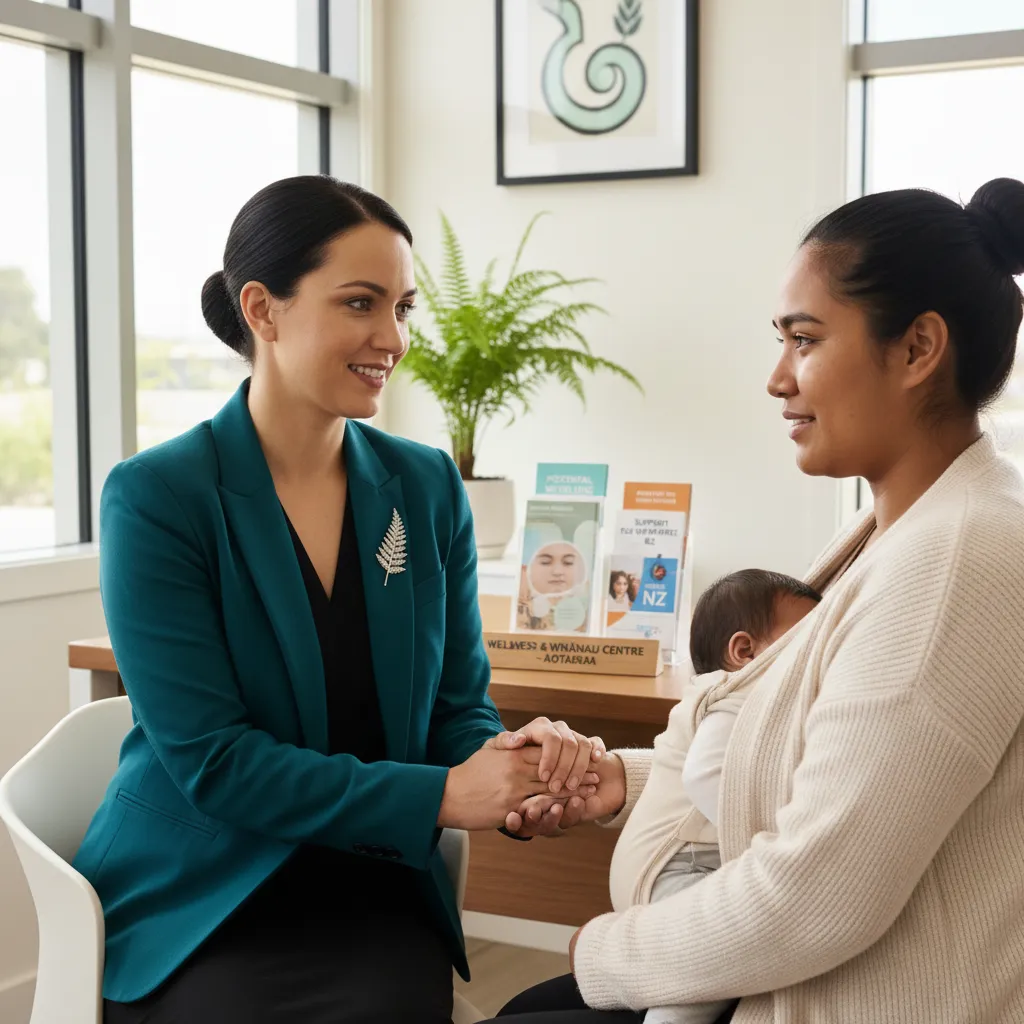
Your General Practitioner (GP) or Lead Maternity Carer (LMC) is your primary point of contact. They can assess your symptoms, provide initial support, and refer you to specialist services. Don’t hesitate to be open and honest about how you’re feeling.
Step 2: Explore Local Support Services
New Zealand offers several community-based services that can provide invaluable support:
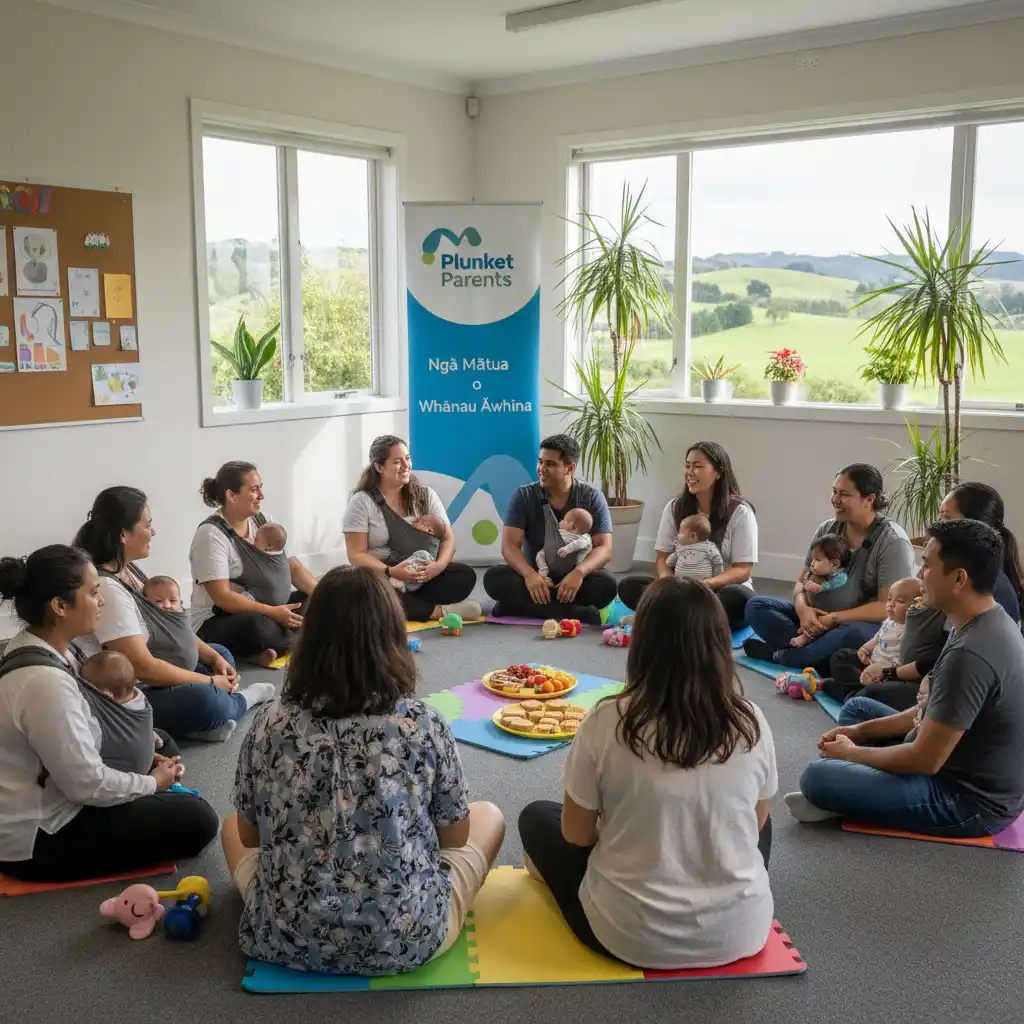
- Plunket: Your Plunket nurse can offer emotional support, connect you with local parent groups, and help you navigate further professional help. They are often the first port of call for many new parents.
- Maternal Mental Health Services: Available through your local District Health Board (DHB), these services offer specialised assessment, treatment, and support for parents experiencing perinatal mental health challenges. Your GP or LMC can refer you.
- PADA (Perinatal Anxiety & Depression Aotearoa): PADA offers resources, information, and a helpline (0800 111 175) for parents and their families experiencing anxiety and depression during pregnancy and after birth.
- Additional Youth Mental Health Support: For families with older children or teens, resources such as the Youth Mental Health Hub Wellington may provide specialised support in relevant regions.
Step 3: Consider Counselling or Therapy
Talking to a trained professional, such as a psychologist or counsellor, can provide strategies and a safe space to process your feelings. Your GP can discuss referral options, including those covered by government funding or subsidies.
Step 4: Reach Out to Family and Friends
While professional help is vital, don’t underestimate the power of your personal support network. Let trusted family members or friends know how you’re feeling. They can offer practical help (like cooking meals or watching the baby) and emotional comfort. Many partners also experience PND, so supporting each other is key.
Key Benefits of Getting Help
Seeking post-natal depression help in NZ isn’t just about managing symptoms; it’s about reclaiming your well-being and enhancing your family’s health.
- Improved Maternal Well-being: Treatment can significantly reduce symptoms, leading to improved mood, energy, and overall quality of life.
- Stronger Parent-Baby Bond: As you heal, you’ll find it easier to connect with and enjoy your baby, fostering a secure attachment.
- Enhanced Family Relationships: PND affects the whole family. Getting help can alleviate strain on partnerships and other family members, including by addressing factors like Financial Well-being & Planning.
- Learning Coping Strategies: Therapies teach valuable skills to manage stress, anxiety, and negative thought patterns, beneficial for life beyond PND.
- Reduced Long-Term Impact: Early intervention can prevent PND from becoming a chronic condition and minimise its impact on both parent and child development, and help parents recognise potential Signs Of Anxiety In Children.
- Hope and Recovery: Most parents fully recover from PND with appropriate support, allowing them to embrace the joys of parenthood.
Self-Care Strategies for New Parents
Alongside professional help, integrating self-care into your routine is vital for managing PND symptoms and promoting recovery. Even small steps can make a difference.
- Prioritise Sleep (even small amounts): “Sleep when the baby sleeps” isn’t always possible, but try to rest whenever you can. Understanding common patterns like Sleep Regression Ages can help manage expectations and reduce stress. Ask for help so you can get an uninterrupted block of sleep.
- Nourish Your Body: Eat regular, healthy meals. Good nutrition supports both physical and mental health.
- Gentle Movement: A short walk in nature, gentle yoga, or stretching can boost your mood. Sunshine and fresh air are powerful healers.
- Mindfulness & Relaxation: Even 5-10 minutes of deep breathing, meditation, or listening to calming music can help manage anxiety.
- Connect with Others: Join a local parents’ group, call a friend, or connect online. Sharing experiences reduces feelings of isolation.
- Set Realistic Expectations: It’s okay if your house isn’t spotless, or if you don’t feel like a ‘perfect’ parent. Be kind to yourself.
- Ask for Help: This isn’t just about professional help. Delegate chores, accept offers of food, or ask someone to watch the baby while you have a break.
“The journey through post-natal depression is challenging, but with the right support, recovery is absolutely possible. Embrace kindness towards yourself and reach out – there’s a network of support waiting for you in New Zealand.”

Conclusion
Experiencing post-natal depression can feel like navigating a dense fog, but it doesn’t have to define your parenthood journey. New Zealand has a range of compassionate and effective resources designed to offer post-natal depression help nz.
Remember, you deserve to feel well, to enjoy your baby, and to thrive as a parent. Reaching out is the bravest step you can take towards your recovery. Your well-being is paramount, and with support, you can and will emerge stronger.
Frequently Asked Questions
Q: How common is post-natal depression in NZ?
It’s estimated that 1 in 7 women and up to 1 in 10 men in New Zealand experience perinatal depression or anxiety. This highlights that it is a common and treatable condition, and you are far from alone. These statistics are often intertwined with broader societal challenges, such as Child Poverty Indicators NZ, which can exacerbate family stress.
Q: What’s the difference between baby blues and PND?
Baby blues are mild, short-lived mood swings (lasting up to two weeks) often due to hormonal changes after birth. PND is more severe, lasts longer (weeks or months), and significantly impacts daily functioning and bonding, requiring professional intervention.
Q: Who can I talk to first about PND in New Zealand?
Your GP (General Practitioner) or LMC (Lead Maternity Carer) are excellent first points of contact. They can assess your situation and refer you to appropriate specialist services or support groups in your area.
Q: Can partners also experience post-natal depression?
Yes, absolutely. Paternal Post-Natal Depression (PPND) is a real and often overlooked issue, affecting up to 1 in 10 fathers. Partners can experience similar symptoms and also need access to post-natal depression help nz.
Q: What are some self-help tips for PND?
Alongside professional help, focus on prioritising rest, eating nutritious meals, gentle exercise, connecting with supportive people, practicing mindfulness, and setting realistic expectations for yourself as a new parent. Even small self-care acts can be beneficial.
References/Sources
- Ministry of Health NZ. (n.d.). Perinatal mental health. Retrieved from health.govt.nz (Plausible link)
- Perinatal Anxiety & Depression Aotearoa (PADA). (n.d.). About PND. Retrieved from pada.nz (Plausible link)
- Plunket New Zealand. (n.d.). Feeling down after baby? Retrieved from plunket.org.nz (Plausible link)
- World Health Organization (WHO). (n.d.). Maternal mental health. Retrieved from who.int (Plausible link)