Parenting a child with special needs is a journey filled with unique joys, challenges, and an extraordinary depth of love. In Aotearoa New Zealand, families navigating this path deserve comprehensive, accessible support. This guide is designed to empower parents like you with information, resources, and a clear understanding of the support systems available for special needs parenting NZ, ensuring your child thrives.
We understand the myriad questions you might have, from understanding your child’s unique needs to accessing crucial support for disabled children NZ. This article will provide you with expert, approachable insights, helping you advocate effectively and connect with vital services across New Zealand.
1. Understanding Neurodiversity and Special Needs
The term ‘special needs’ encompasses a wide range of developmental, physical, intellectual, and behavioural differences. Increasingly, we embrace the concept of neurodiversity, which recognises that neurological differences, such as autism, ADHD, dyslexia, and Tourette’s syndrome, are natural variations of the human brain. This perspective promotes acceptance and focuses on strengths rather than deficits.
Understanding your child’s specific diagnosis or unique profile is the first step in effective special needs parenting NZ. It allows you to tailor environments, communication, and learning approaches to best support their development. Remember, every child is unique, and their needs will evolve over time.
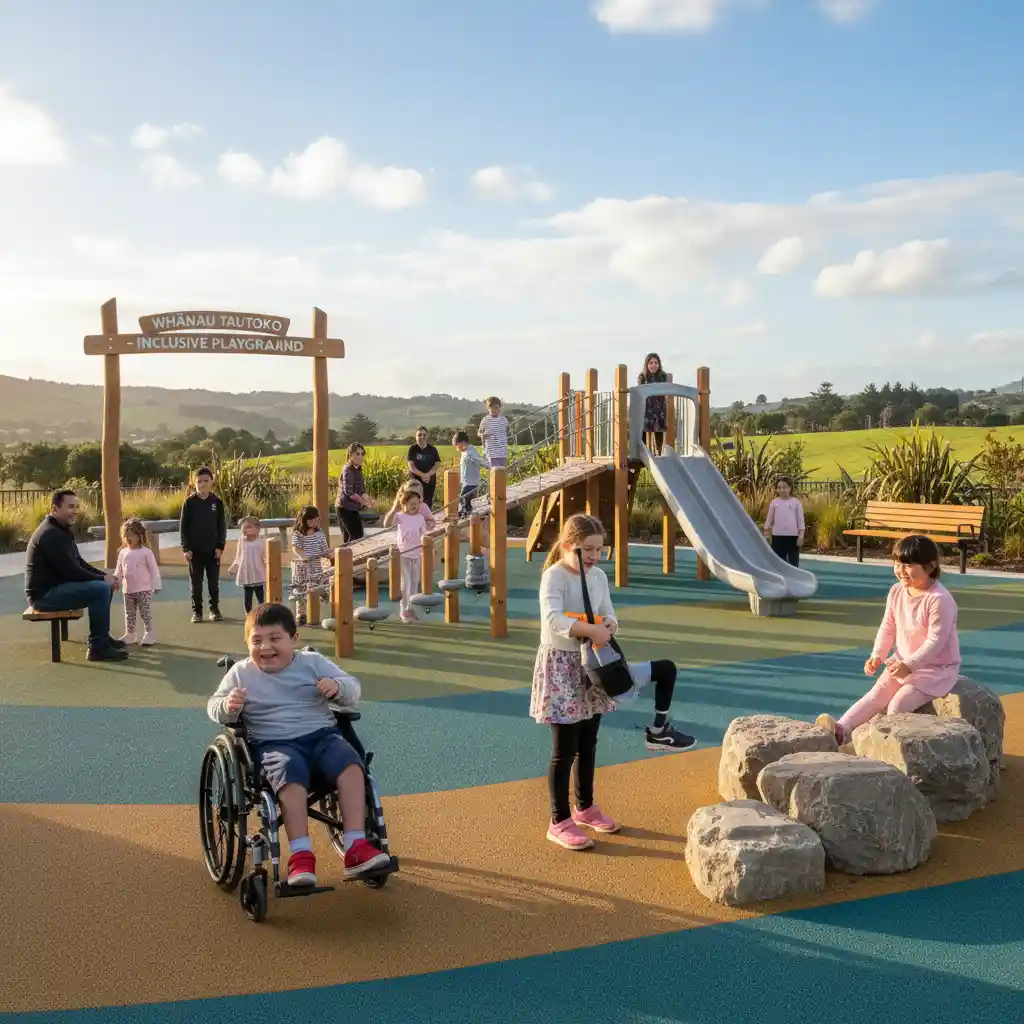
In New Zealand, conditions often requiring additional support include autism spectrum disorder, Down syndrome, cerebral palsy, specific learning disabilities, and various physical disabilities. Early identification and intervention are key to unlocking a child’s full potential and accessing timely support for disabled children NZ.
2. Accessing Disability Support Services in NZ
Navigating the landscape of disability support services in New Zealand can feel daunting, but a structured approach can make it more manageable. Here’s a step-by-step guide to accessing the essential resources and support for disabled children NZ.
2.1. Initial Assessment and Diagnosis
The journey typically begins with a formal assessment and diagnosis. This often involves your GP, paediatricians, child development services, or educational psychologists. A clear diagnosis is often necessary to access many funded supports.
- Your GP: Your first point of contact for referrals to specialists.
- Child Development Services (CDS): Often provided by District Health Boards (DHBs, now Te Whatu Ora), these services offer multi-disciplinary assessments.
- Special Education Needs Coordinators (SENCOs): In schools, they can initiate assessments for learning needs.
Stat Callout: Approximately 11% of children under 15 in New Zealand have a disability, highlighting the significant need for accessible and robust support systems. (Source: Stats NZ, Disability Survey 2013, 2023 update expected)
2.2. Navigating Funding and Entitlements
Once a diagnosis is established, various government agencies can provide financial and practical assistance. Understanding your entitlements is crucial for effective special needs parenting NZ. This also includes understanding broader Financial Well-being & Planning strategies for your family.
- Whaikaha – Ministry of Disabled People: The primary agency providing disability support services, including funding for personal care, respite, equipment, and carer support. Eligibility criteria apply.
- Ministry of Education: Provides funding and resources for educational support, such as specialist teachers, teacher aides, and assistive technology for school-aged children.
- Work and Income (WINZ): Offers financial assistance like the Child Disability Allowance, Accommodation Supplement, and other benefits to help with the costs of caring for a child with special needs, and can also provide connections to resources like Food Banks & Food Security for Families.
2.3. Connecting with Local Support Services
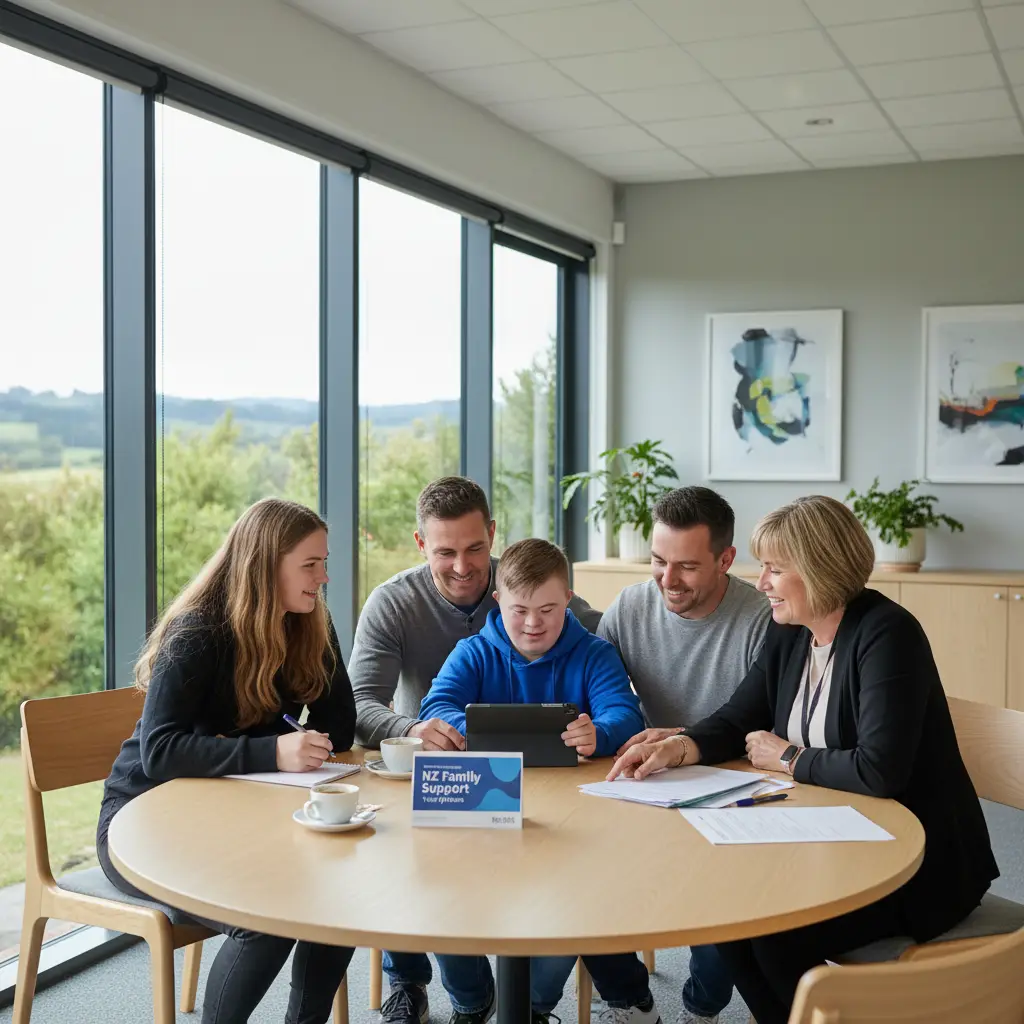
Beyond government agencies, a vibrant network of local non-governmental organisations (NGOs) and community groups offers invaluable support.
- Disability Information & Advisory Services (DIAS): Offer free, confidential information and advice on local services and support, including details on specific community services such as Budgeting Services Dunedin.
- Parent Support Groups: Connecting with other parents on a similar journey can provide emotional support, practical advice, and a sense of community. Organisations like Parent to Parent NZ are excellent resources.
- Therapies: Accessing occupational therapy, physiotherapy, speech-language therapy, and psychology services can significantly benefit your child’s development. These may be funded through Whaikaha, Te Whatu Ora, or private providers.
3. Advocacy for Special Needs Children in NZ
As a parent, you are your child’s most powerful advocate. Effective advocacy involves understanding your child’s rights, communicating their needs clearly, and navigating systems with confidence. This is a core aspect of special needs parenting NZ.
- Know Your Child’s Rights: New Zealand law, including the New Zealand Bill of Rights Act and the Disability Act, protects the rights of disabled people. Understand these rights, especially in education and healthcare.
- Effective Communication: Learn how to clearly articulate your child’s needs and your expectations to professionals, educators, and service providers. Keep detailed records of all communications and meetings.
- Building a Support Team: Surround yourself with professionals who understand and respect your child’s unique needs. This includes medical specialists, therapists, educators, and social workers.
- Parent to Parent Advocacy: Engage with organisations like Parent to Parent NZ, which offer support, workshops, and opportunities to connect with experienced parent advocates.
“Advocacy isn’t about fighting; it’s about giving voice to those who need it most and ensuring their rights are upheld and their potential realised.”
4. Inclusive Education Resources and Support
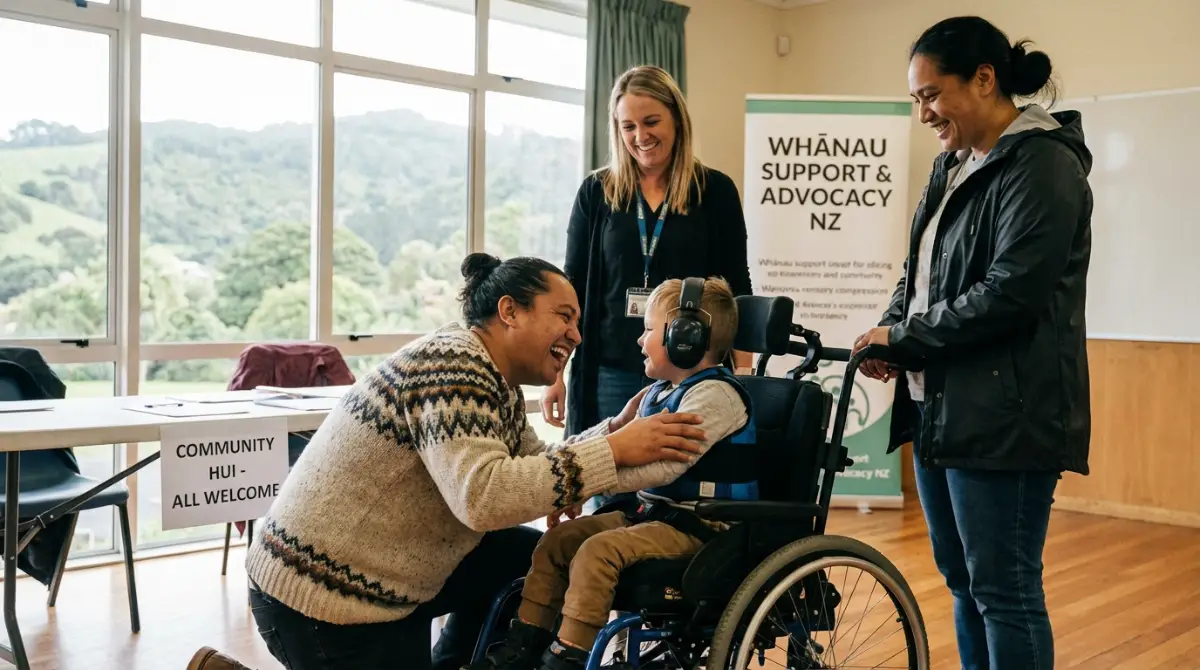
Inclusive education aims to provide all children with the opportunity to learn alongside their peers, regardless of their abilities. New Zealand schools strive to be inclusive, and various resources are available to support children with special needs in educational settings.
- Individual Education Plans (IEPs): An IEP is a tailored plan developed collaboratively by parents, teachers, and specialists to outline specific learning goals and the support required for your child in school. It’s a vital tool for support for disabled children NZ in education.
- Special Education Grant (SEG): Schools receive funding to support students with diverse learning needs, which can be used for teacher aide support, professional development, and specialised resources.
- Resource Teachers: Learning and Behaviour (RTLB): These specialist teachers work with schools and families to support students with learning and/or behaviour difficulties.
- Early Intervention Services: For pre-schoolers, the Ministry of Education provides early intervention support, including specialist teachers and therapists, to help prepare children for school.
- Assistive Technology: Devices and software that help children access the curriculum and communicate effectively, from communication devices to specialised computer programs.

Regular communication with your child’s school and their Special Education Needs Coordinator (SENCO) is paramount to ensure their educational journey is supportive and enriching. Remember, the goal is to create an environment where every child feels valued, understood, and empowered to learn.
Frequently Asked Questions (FAQ)
What is neurodiversity?
Neurodiversity is the idea that brain differences are natural variations, not deficits. It encompasses conditions like autism, ADHD, and dyslexia, promoting acceptance and celebration of diverse ways of thinking and experiencing the world.
How do I get a diagnosis for my child in NZ?
Start by consulting your GP, who can refer you to a paediatrician, Child Development Services (CDS), or an educational psychologist for assessment. For educational needs, your child’s school SENCO can also initiate a process.
What financial support is available for special needs parenting NZ?
Key supports include the Child Disability Allowance from Work and Income, and funding for disability support services (e.g., personal care, respite) from Whaikaha – Ministry of Disabled People. The Ministry of Education also funds educational support in schools.
What are IEPs and why are they important?
IEPs (Individual Education Plans) are formal documents collaboratively created by parents, teachers, and specialists. They outline a child’s specific learning goals, required accommodations, and support strategies within the school environment, ensuring tailored education.
Where can I find parent support groups for support for disabled children NZ?
Organisations like Parent to Parent NZ are excellent starting points for connecting with other families and finding local support groups. Disability Information & Advisory Services (DIAS) can also provide local contacts and resources.
References/Sources
- Whaikaha – Ministry of Disabled People. Disability Support Services. www.whaikaha.govt.nz
- Ministry of Education. Special Education. www.education.govt.nz/our-work/special-education/
- Work and Income NZ (MSD). Child Disability Allowance. www.workandincome.govt.nz
- Parent to Parent NZ. Connecting Families. www.parent2parent.org.nz
- Stats NZ. (2013). Disability Survey: 2013. (Updated periodically, 2023 data expected). www.stats.govt.nz