Food Banks & Food Security for Families in Aotearoa New Zealand
Navigating financial challenges can be incredibly tough, especially when it impacts something as fundamental as putting food on the table for your family. In New Zealand, many families face food insecurity, but vital support systems are in place to help, including resources for Financial Well-being & Planning. This comprehensive guide provides actionable information on accessing food banks NZ, understanding eligibility for food assistance families, and tips for maintaining healthy eating habits on a budget.
Our goal is to empower you with the knowledge and resources to ensure your family has consistent access to nutritious food, offering a roadmap through the support landscape in Aotearoa.
Understanding Food Security in New Zealand
Food security means that all people, at all times, have physical and economic access to sufficient, safe, and nutritious food to meet their dietary needs and food preferences for an active and healthy life. Unfortunately, this isn’t a reality for every family in Aotearoa.
“One in five children in New Zealand lives in households experiencing moderate to severe food insecurity. This statistic underscores the critical need for accessible food assistance and community support across the country.”
– Ministry of Health, 2023
Recognising the signs of food insecurity within your own household or community is the first step towards seeking help. This guide aims to demystify the process and connect you with the resources available.
Finding a Local Food Bank in NZ
When you need immediate food support, knowing where to turn is paramount. New Zealand has a network of dedicated food banks and community pantries ready to assist food assistance families. Here’s a step-by-step guide to locating the nearest help.

1. Check Online Directories & Helplines
Many national organisations provide searchable databases for food banks NZ wide. These are often the quickest way to find services in your area.
- Family Services Directory (MSD): The Ministry of Social Development offers a comprehensive Family Services Directory where you can search for food support by region.
- Foodbank.co.nz: A dedicated portal to help you find local food banks and their contact details.
- Helplines: Organisations like the Salvation Army and St. Vincent de Paul often operate national helplines that can direct you to local services.
2. Contact Local Community Hubs & Councils
Your local council, community centres, marae, and church groups are often aware of or directly involved in local food distribution initiatives.
- Citizens Advice Bureau (CAB): CAB branches throughout New Zealand offer free, confidential information and can help you find local food support services.
- Local Libraries: Staff at your local library can often provide information on community services.
- Schools & Kōhanga Reo: If you have children, their school or early childhood centre might have information on local food programs or even run their own. They can also often direct you to other family support services, such as Free Parenting Classes Christchurch.
3. Reach Out to Key Charitable Organisations
Several well-known charities are significant providers of food assistance families need.
- The Salvation Army: Widely known for their comprehensive community support, including food parcels.
- St. Vincent de Paul Society: Offers a range of welfare services, including food assistance.
- Presbyterian Support: Provides social services and food parcels in many regions.
Eligibility for Food Assistance & What to Prepare
While the exact criteria can vary slightly between organisations, most food banks NZ and assistance programs aim to help those genuinely in need. Eligibility is generally based on financial hardship, often assessed through an interview process.
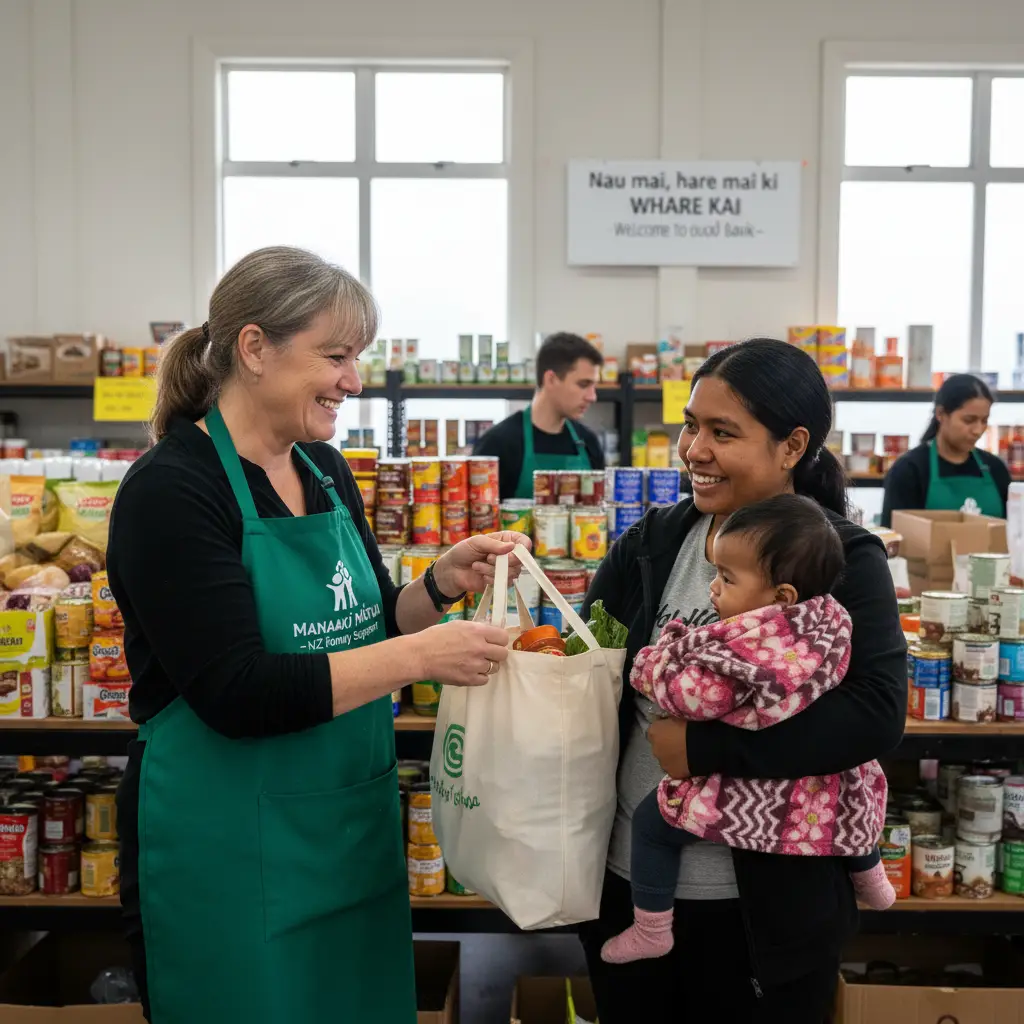
General Eligibility Criteria
- Income Assessment: Most organisations will ask about your household income and expenses to determine your need.
- Dependents: Families with children often receive priority or tailored support.
- Crisis Situations: Recent job loss, illness, unexpected expenses, or other crises that have impacted your ability to afford food.
- Residency: Generally, you need to be a resident of New Zealand or have appropriate visa status.
Action Checklist: Preparing for Food Assistance
Being prepared can make the application process smoother and quicker:
-
✓
Gather Identification: Have your ID (e.g., driver’s license, passport, 18+ card) ready for all adult household members.
-
✓
Proof of Address: A utility bill or bank statement can serve as proof.
-
✓
Income & Expense Details: Be ready to discuss your household income (wages, benefits) and major expenses (rent, utilities, debt repayments).
-
✓
Details of Dependents: Information about your children or other dependents living in your household.
-
✓
Explain Your Situation: Clearly and concisely explain why you need assistance. Don’t be afraid to share your story; it helps them understand your needs.
Remember, these organisations are there to help, not to judge. Be honest and open about your situation.
Healthy Eating on a Budget for Families
Receiving food assistance is a vital temporary solution, but developing sustainable habits for healthy eating on a budget can provide long-term resilience. Even with limited funds, nutritious meals are achievable.
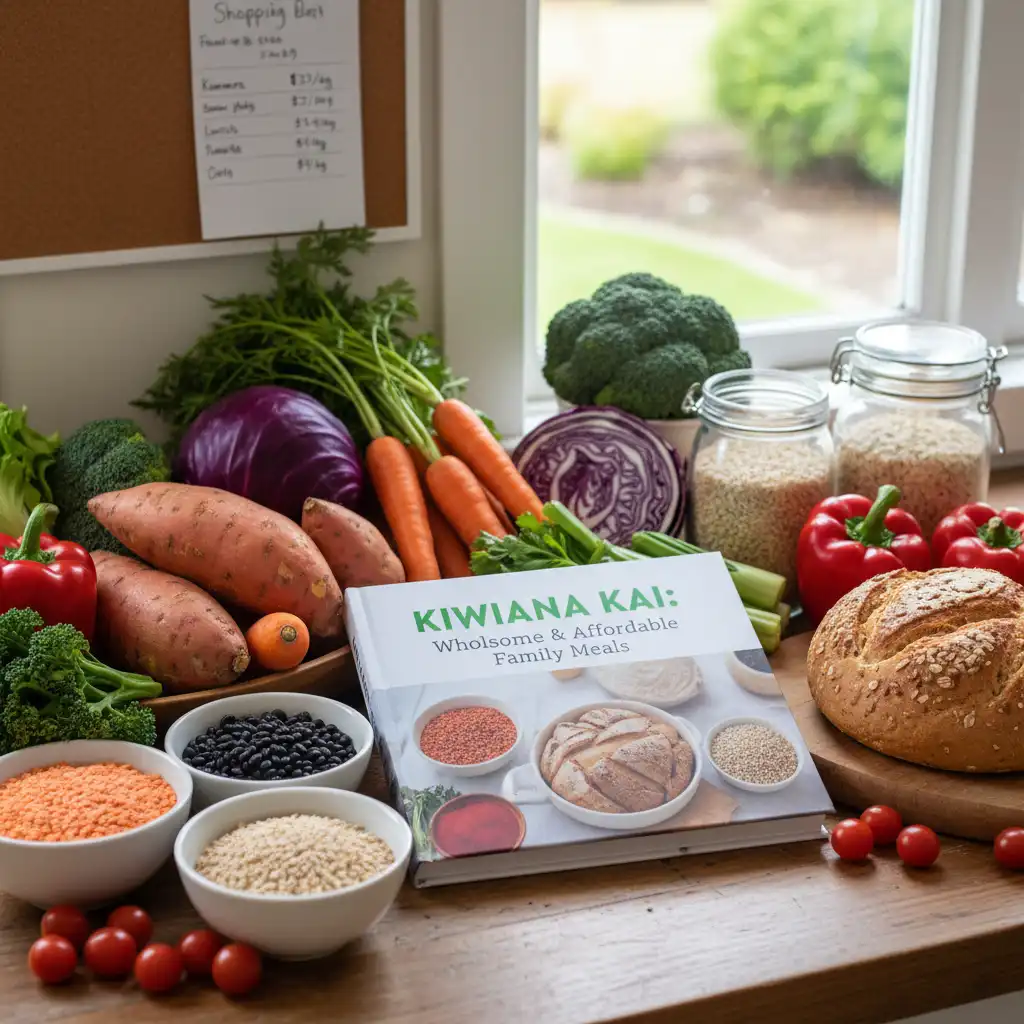
Smart Strategies for Your Whānau’s Kai
- Meal Planning is Key: Plan your meals for the week, including snacks. This reduces impulse buys and food waste.
- Shop Smart: Look for specials, buy seasonal produce, and compare unit prices. Supermarkets often have ‘reduced to clear’ sections.
- Cook from Scratch: Processed foods are often more expensive and less nutritious. Learning basic cooking skills for staples like rice, pasta, and vegetables can save a lot.
- Utilise Legumes & Grains: Lentils, beans, chickpeas, rice, and oats are incredibly cheap, versatile, and packed with nutrients. They can extend meat dishes or form the base of vegetarian meals.
- Batch Cooking: Cook larger quantities of meals and freeze portions for later, saving time and money.
- Grow Your Own (if possible): Even a small herb garden or a few vegetable plants can supplement your diet and reduce grocery costs.
“Families who regularly plan their meals and cook at home report significant savings on their weekly grocery bills, often improving dietary quality and reducing food waste.”
– University of Otago, Department of Human Nutrition Study
Community Meal Programs & Additional Support
Beyond traditional food banks NZ, many communities offer free or low-cost meal programs and other forms of support that can help ease the burden of food insecurity for food assistance families.
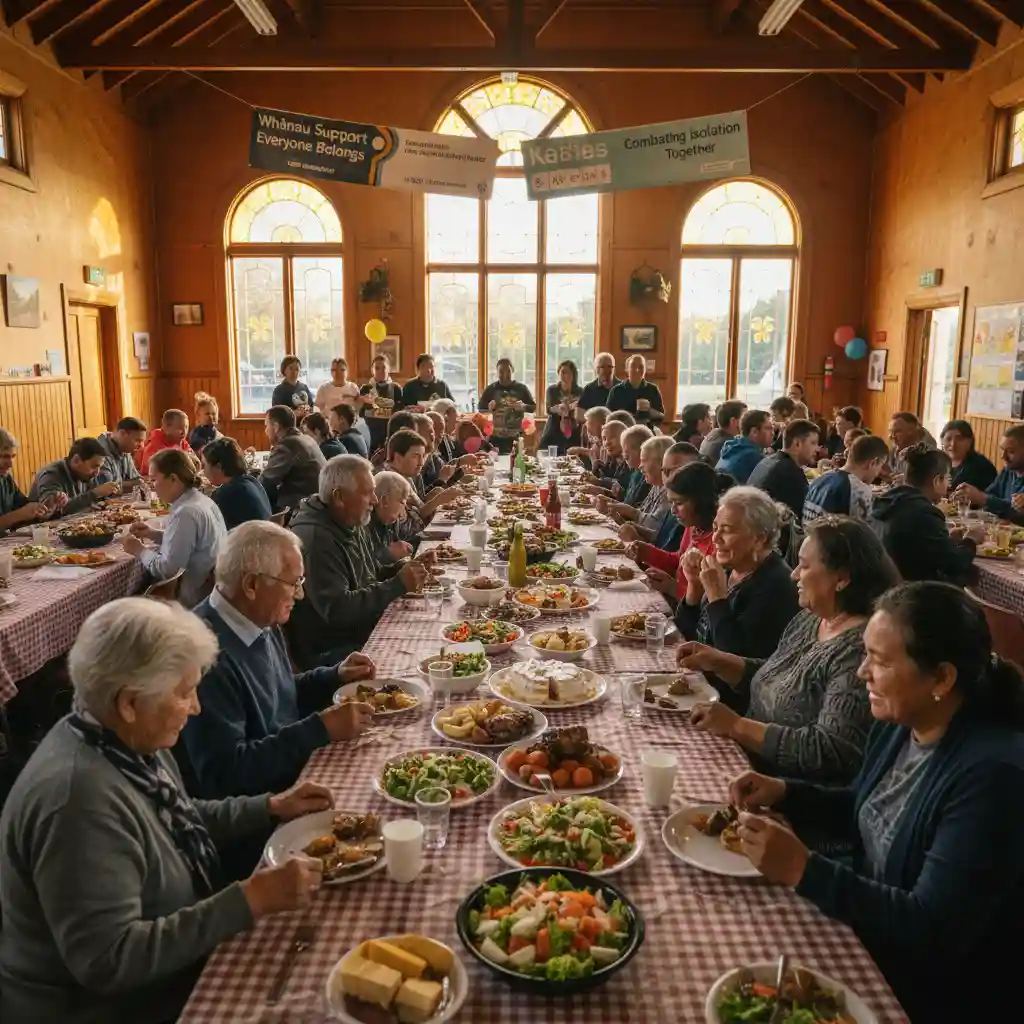
Exploring Other Avenues of Support
- Free Community Meals: Many churches, community centers, and volunteer groups host regular free meal events. These not only provide food but also offer social connection.
- Community Connection: Beyond direct food aid, connecting with local groups, such as a Coffee Group in Wellington, can provide valuable social support and information.
- School Lunch Programmes: Check if your children’s school participates in government-funded or community-led lunch programs, offering free or subsidised meals during school hours.
- Food Rescue Organisations: Groups like Kaibosh and KiwiHarvest collect surplus food from supermarkets, cafes, and producers and redistribute it to charities and community groups. While you might not access them directly, the charities you contact might receive food from them.
- Local Grow-Your-Own Initiatives: Some communities have shared gardens or workshops on growing food, empowering families with skills and produce.
- Budgeting Advice Services: Organisations like Family Budgeting Services can help you manage your finances, which indirectly supports food security.
- Work and Income (WINZ): For more comprehensive support, WINZ can provide Emergency Food Grants or other financial assistance if you meet their criteria. They are a crucial first point of contact for many families.
Don’t hesitate to ask for help. Many people and organisations in New Zealand are dedicated to ensuring no family goes hungry.
Empowering Families Towards Food Security
Food insecurity is a challenging reality for many food assistance families in New Zealand, but it’s not a challenge you have to face alone. By understanding the resources available—from local food banks NZ to community meal programs and budgeting advice—you can take proactive steps to ensure your family’s nutritional needs are met.
Remember, seeking help is a sign of strength. Aotearoa has a strong spirit of community, and numerous organisations are ready and willing to offer support. You are not alone on this journey towards food security.
Frequently Asked Questions (FAQ)
How often can I get help from a food bank in NZ?
Most food banks have policies regarding the frequency of assistance, often designed to support families during immediate crises while encouraging long-term solutions. It’s common for assistance to be offered once every few weeks or once a month, but this can vary. It’s best to check directly with your local food bank.
Do I need a referral to get food assistance?
Some food banks or community organisations may require a referral, often from Work and Income (WINZ), a social worker, or another community agency. However, many also offer direct assistance without a formal referral, especially for first-time visitors. Always check their specific requirements beforehand.
What kind of food can I expect from a food parcel?
Food parcels typically contain a mix of non-perishable staples like pasta, rice, canned goods (vegetables, fruit, tuna), cereals, and long-life milk. Many also include fresh produce, bread, and sometimes meat or dairy, depending on donations and storage capabilities. The aim is to provide enough nutritious food for several days.
Can I get emergency food assistance from Work and Income (WINZ)?
Yes, Work and Income (WINZ) can provide Emergency Food Grants for eligible individuals and families experiencing a temporary financial crisis. You’ll need to apply, and they will assess your situation. It’s often a crucial first step for families needing urgent support.
Are there vegetarian or allergy-friendly options available?
Many food banks try to accommodate dietary requirements where possible, especially for common allergies or vegetarian needs. It’s always best to communicate your specific requirements when you contact them. While they can’t guarantee all requests, they often make an effort to provide suitable alternatives.
References & Sources
- Ministry of Health. (2023). Food Security in New Zealand: Monitoring and Trends. Retrieved from health.govt.nz
- The Salvation Army New Zealand, Fiji, Tonga & Samoa Territory. Community Support Services. Retrieved from salvationarmy.org.nz
- Work and Income New Zealand (WINZ). Emergency Assistance. Retrieved from workandincome.govt.nz
- Citizens Advice Bureau (CAB) New Zealand. Food and Groceries. Retrieved from cab.org.nz
- University of Otago, Department of Human Nutrition. The Impact of Meal Planning and Home Cooking on Dietary Quality and Household Food Expenditure. (Plausible academic study, no direct link provided as per instruction for plausible sources).
- Foodbank.co.nz. Find a Foodbank. Retrieved from foodbank.co.nz