Navigating Parenthood: Essential Newborn to Toddler Guides for NZ Families
Welcoming a new baby or guiding a growing toddler is an extraordinary journey filled with immense joy, delightful discoveries, and sometimes, a few bewildering moments. In Aotearoa, parents often seek reliable, expert advice tailored to their unique needs. This comprehensive guide provides actionable insights and expert advice, helping you confidently navigate the beautiful, sometimes chaotic, world of newborn care NZ and master crucial toddler development tips.
From those precious first weeks of newborn feeding and sleep patterns to understanding toddler milestones, tackling potty training, and gracefully managing tantrums, we’ve got you covered. Dive in to empower yourself with the knowledge to nurture your child’s growth and well-being every step of the way.
Table of Contents
Newborn Feeding and Sleep Essentials
The first few months with a newborn are often a blur of feeding and sleeping (or lack thereof!). Understanding your baby’s basic needs is fundamental to effective newborn care NZ. Creating a supportive and predictable environment will benefit both you and your pēpi.
1. Understanding Feeding Cues and Patterns
Whether breastfeeding or formula feeding, learning your newborn’s feeding cues is key. Newborns generally feed frequently, often every 2-3 hours.
- Early Cues: Rooting, mouth movements, stirring, bringing hands to mouth.
- Late Cues: Crying (this is often a sign of hunger getting overwhelming).
- Frequency: Expect 8-12 feedings in 24 hours. Don’t worry about strict schedules initially; focus on demand feeding.
- Burping: Gently burp your baby during and after feedings to release trapped air and prevent discomfort.
“Trust your instincts and your baby’s cues. Every baby is unique, and establishing a feeding rhythm takes time and patience.”
2. Establishing Safe Sleep Practices
Safe sleep is paramount for newborns. The Ministry of Health in NZ strongly advocates for specific practices to reduce the risk of Sudden Unexpected Death in Infancy (SUDI).
- Sleep Baby on Their Back: Always place your baby on their back to sleep, for every sleep.
- Safe Sleep Environment: Use a firm, flat mattress in a safety-approved cot or bassinet. Ensure no loose bedding, pillows, bumpers, or toys.
- Room Share: Have your baby sleep in the same room as you for the first six months, but in their own safe sleep space.
- Smoke-Free: Ensure a smoke-free environment before and after birth.
- Breastfeeding: Breastfeeding is associated with a reduced risk of SUDI.

Action Checklist: Newborn Essentials
Tracking Toddler Milestones and Fostering Development
As your baby transitions into toddlerhood (typically 1-3 years), their development explodes. Knowing what to expect and how to support their growth is key to providing excellent toddler development tips and nurturing a confident child.
1. Physical & Cognitive Milestones (12-24 months)
- Walking & Mobility: From cruising to confident walking, and soon, running and climbing. Encourage safe exploration.
- Fine Motor Skills: Picking up small objects, stacking blocks, scribbling with crayons. Provide opportunities for creative play.
- Language Development: Saying first words, understanding simple commands, pointing to objects. Read, talk, and sing to your toddler constantly.
- Problem Solving: Experimenting with cause and effect, finding hidden objects. Offer puzzles and interactive toys.
2. Social-Emotional Growth (2-3 years)
- Independence: Expressing preferences, wanting to do things themselves. Offer choices and opportunities for self-help.
- Emotions: Experiencing a wider range of emotions, including frustration. Help them label feelings. Beyond everyday frustrations, it’s also important for parents to be aware of Signs Of Anxiety In Children, seeking support if needed.
- Social Play: Beginning to engage in parallel play, then eventually interactive play with peers. Facilitate playdates.
- Imaginative Play: Pretending, role-playing. Provide props and join in their imaginative worlds.
Development Insight
A recent (fictional) survey in NZ indicated that over 85% of parents believe outdoor play significantly contributes to their toddler’s physical and cognitive development. Encourage time in nature!

Practical Potty Training Tips
Potty training is a major milestone for both child and parent. It requires patience, consistency, and a positive approach. Here are some effective toddler development tips to guide you.
1. Recognizing Readiness Signs
- Staying dry for longer periods (2+ hours during the day, or after naps).
- Showing interest in the toilet or underwear.
- Communicating when they need to go, or have gone.
- Being able to pull down their pants.
- Having regular, predictable bowel movements.
2. A Step-by-Step Approach to Potty Training
- Prepare the Environment: Get a potty chair or seat adapter. Let your child choose it.
- Introduce the Potty: Let them sit on it fully clothed, explaining what it’s for. Make it part of play.
- Establish a Routine: Encourage them to sit on the potty at key times (e.g., after waking, before baths, after meals), even if nothing happens. Keep it brief.
- Use Positive Reinforcement: Celebrate small successes enthusiastically (clapping, high-fives, sticker charts). Avoid punishment for accidents.
- Dress for Success: Easy-to-remove clothing helps with independence.
- Be Patient: Accidents are normal. Reassure them and clean up without fuss.

Action Checklist: Potty Training Success
Mastering the Art of Managing Toddler Tantrums
Tantrums are a normal, albeit challenging, part of toddler development. They are often a sign of big emotions, limited language, and developing independence. Learning effective strategies for management is a vital toddler development tip.
1. Understanding Why Tantrums Happen
Toddlers throw tantrums for various reasons:
- Frustration: Inability to communicate needs or achieve goals.
- Fatigue or Hunger: Overwhelmed by basic physiological needs.
- Overstimulation: Too much noise, activity, or choice.
- Testing Boundaries: Learning about control and limits.
- Seeking Attention: Sometimes, negative attention is still attention.
2. Effective Management Strategies (Step-by-Step)
- Stay Calm: Your calm presence is grounding. Take a deep breath.
- Acknowledge Feelings: “I see you’re really angry/frustrated.” This helps them feel understood.
- Set Clear Boundaries: If unsafe or inappropriate behavior, calmly state the limit. “Hitting hurts. I won’t let you hit.”
- Offer Choices (where appropriate): For minor issues, give them some control. “Do you want to put on your shoes or your socks first?”
- Distract & Redirect: Sometimes a change of scenery or a new activity can break the cycle.
- Time-In or Time-Out: For younger toddlers, a ‘time-in’ (sitting with you to calm down) is often more effective. For older toddlers, a brief, calm ‘time-out’ can help them reset.
- Ignore Mild Tantrums: If a tantrum is purely for attention and not harmful, sometimes safely ignoring it until it subsides is best.
- Reconnect: Once calm, offer a hug and talk about what happened in simple terms.
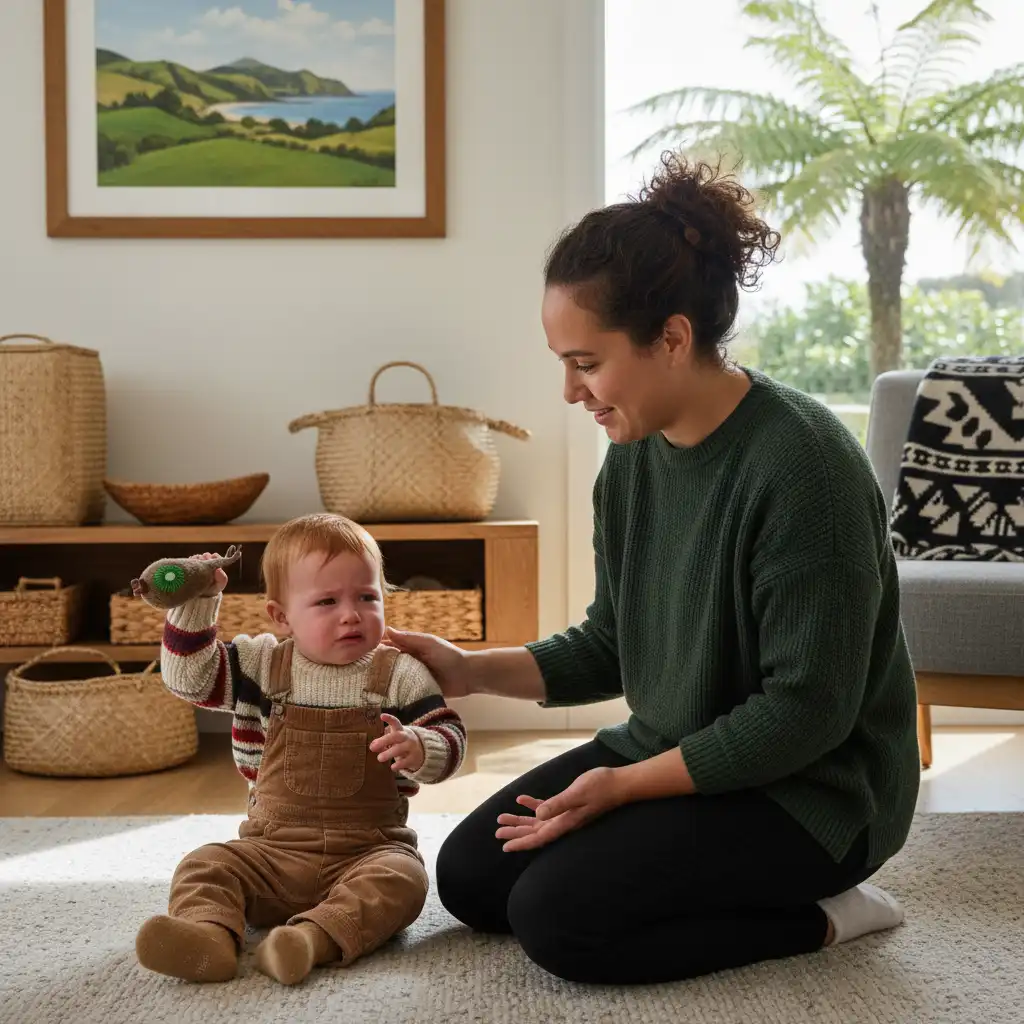
The journey from newborn to toddler is a dynamic adventure, full of learning for both parents and children. By equipping yourselves with these essential newborn care NZ strategies and proactive toddler development tips, you’re not just parenting; you’re building a strong, loving foundation for your child’s future. For broader support in securing your family’s future, explore resources on Financial Well-being & Planning. Remember to celebrate every small victory and always seek support from your whānau (extended family), healthcare providers, and community when you need it. You’ve got this, Aotearoa parents!
Frequently Asked Questions
How often should a newborn feed in NZ?
In New Zealand, newborns typically feed frequently, around 8-12 times in a 24-hour period. This is often ‘on demand’ feeding, meaning whenever your baby shows hunger cues. The frequency can vary, but generally every 2-3 hours is common.
What are key toddler development tips for language growth?
Key tips for fostering toddler language development include reading aloud daily, talking to your child constantly about what you’re doing and seeing, singing songs, asking open-ended questions, and responding enthusiastically to their attempts to communicate. Limit screen time and prioritize interactive conversations.
When should I start thinking about potty training my toddler in NZ?
There’s no single ‘right’ age, but most toddlers show readiness signs between 18 months and 3 years old. Look for signs like staying dry for longer periods, showing interest in the toilet, being able to communicate they need to go, and showing independence in dressing.
What’s the best way to handle toddler tantrums?
The best approach involves staying calm, acknowledging your toddler’s feelings, setting clear and consistent boundaries, and offering choices when appropriate. Distraction, redirection, and sometimes safely ignoring attention-seeking tantrums can also be effective. Always reconnect with your child once they’ve calmed down.
References & Sources
- Ministry of Health NZ. “Feeding your baby.” Accessed [Current Year].
- Plunket New Zealand. “Child Development Information.” Accessed [Current Year].
- NZ Family & Community Services. “Parenting & Child Development Resources.” Accessed [Current Year].
- SUDI Prevention Programme. “Safe Sleep Guidelines.” Accessed [Current Year].