Signs Of Anxiety In Children: A Guide for New Zealand Families
Every parent wants their child to thrive, to experience joy, curiosity, and boundless energy. But what happens when worry starts to cast a shadow over their bright world? Childhood anxiety is more common than many realise, affecting tamariki across New Zealand, where the support of the wider whānau, including considerations for the Rights Of Grandparents Nz, is often vital. Recognizing the signs of anxiety in children is the crucial first step toward providing them with the support and understanding they need to navigate these challenging feelings.
This comprehensive guide, tailored for New Zealand families, will help you identify the subtle and overt indicators that your child might be struggling with anxiety, offering clarity and empowering you to act.
What is Childhood Anxiety? Understanding the Basics
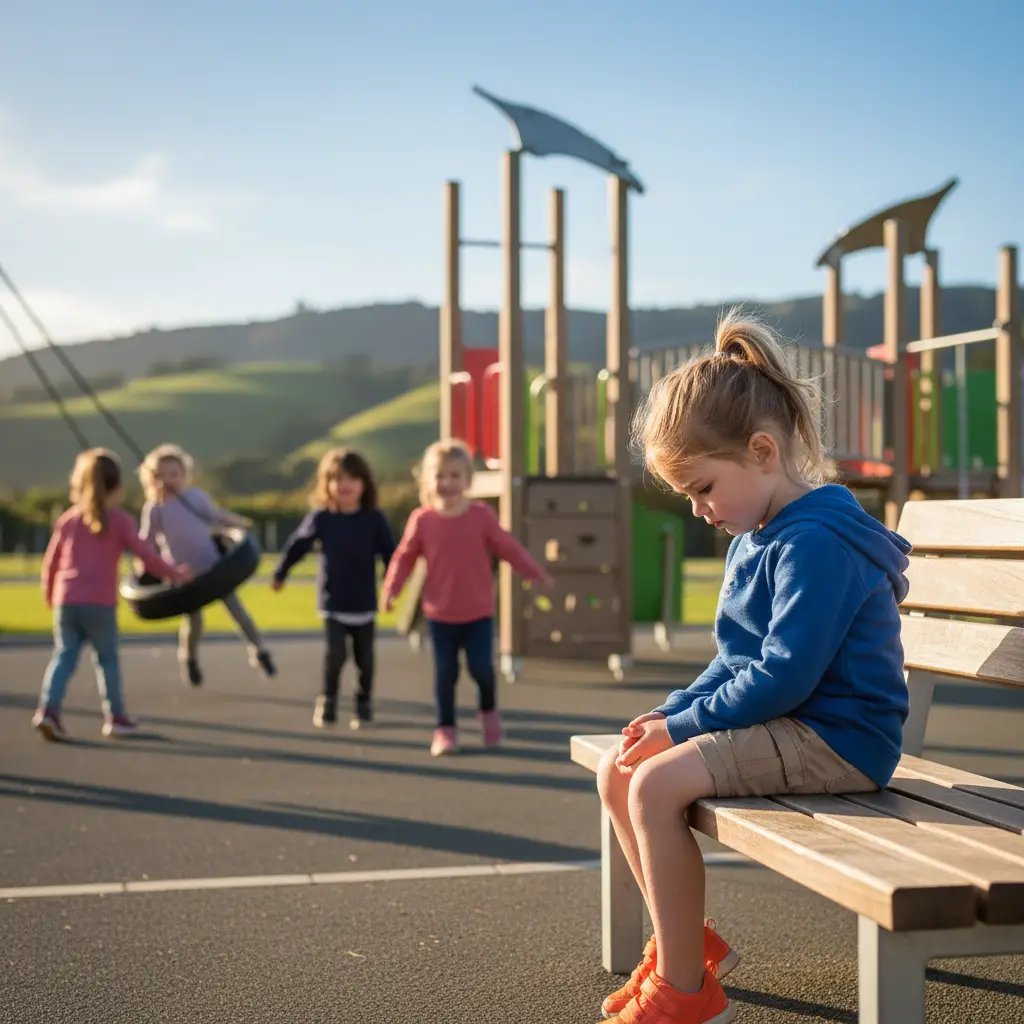
Anxiety is a natural human emotion, a built-in alarm system designed to protect us from danger. For children, it’s normal to feel anxious in new situations, like starting school, meeting new people, or performing in a concert. However, when these feelings become excessive, persistent, and begin to interfere with daily life – schooling, friendships, sleep, or family activities – it may indicate an anxiety disorder.
Unlike adults who can often articulate their worries, children express anxiety through their behaviours, physical complaints, and sometimes, outbursts. It’s not just ‘being shy’ or ‘a phase’; it’s a real and often distressing experience that requires empathetic attention.
“Childhood anxiety isn’t always obvious. It can hide behind defiance, perfectionism, or even seemingly unrelated physical complaints. Understanding its diverse presentations is key to supporting our tamariki.”
Recognizing the Signs of Anxiety in Children
The signs of anxiety in children can be complex and varied, often differing based on age, personality, and the specific type of anxiety (e.g., generalised anxiety, social anxiety, separation anxiety, specific phobias). Here’s a breakdown of common indicators to look out for.
Emotional and Cognitive Signs
- Excessive Worry: Constant worry about future events (even minor ones), school performance, friends, family, or even the state of the world.
- Irritability and Mood Swings: Children might become easily frustrated, tearful, or have sudden mood changes, often as a result of feeling overwhelmed by their anxieties.
- Difficulty Concentrating: Worry can consume their thoughts, making it hard to focus at school or during activities they once enjoyed.
- Negative Self-Talk: Expressing fears of failure, being criticised, or not being good enough.
- Perfectionism: An intense need for things to be ‘just right’, often leading to excessive time spent on tasks or avoiding them altogether due to fear of not meeting impossibly high standards.
Behavioural Changes
- Avoidance: Refusing to go to school, social events, or places they previously enjoyed. This is a hallmark sign as children try to escape anxiety-provoking situations.
- Restlessness/Fidgeting: Difficulty sitting still, pacing, tapping feet or hands, or constantly seeking reassurance.
- Changes in Sleep Patterns: Trouble falling asleep, frequent nightmares, or waking up often during the night.
- Increased Clinginess or Separation Difficulty: Especially in younger children, an increase in wanting to be near parents, fear of being alone, or extreme distress at drop-offs.
- Meltdowns or Tantrums: Beyond typical age-appropriate outbursts, anxiety can manifest as intense, prolonged meltdowns, especially when overwhelmed or faced with a feared situation.
- Regression: Reverting to younger behaviours like thumb-sucking, bedwetting, or wanting a pacifier.
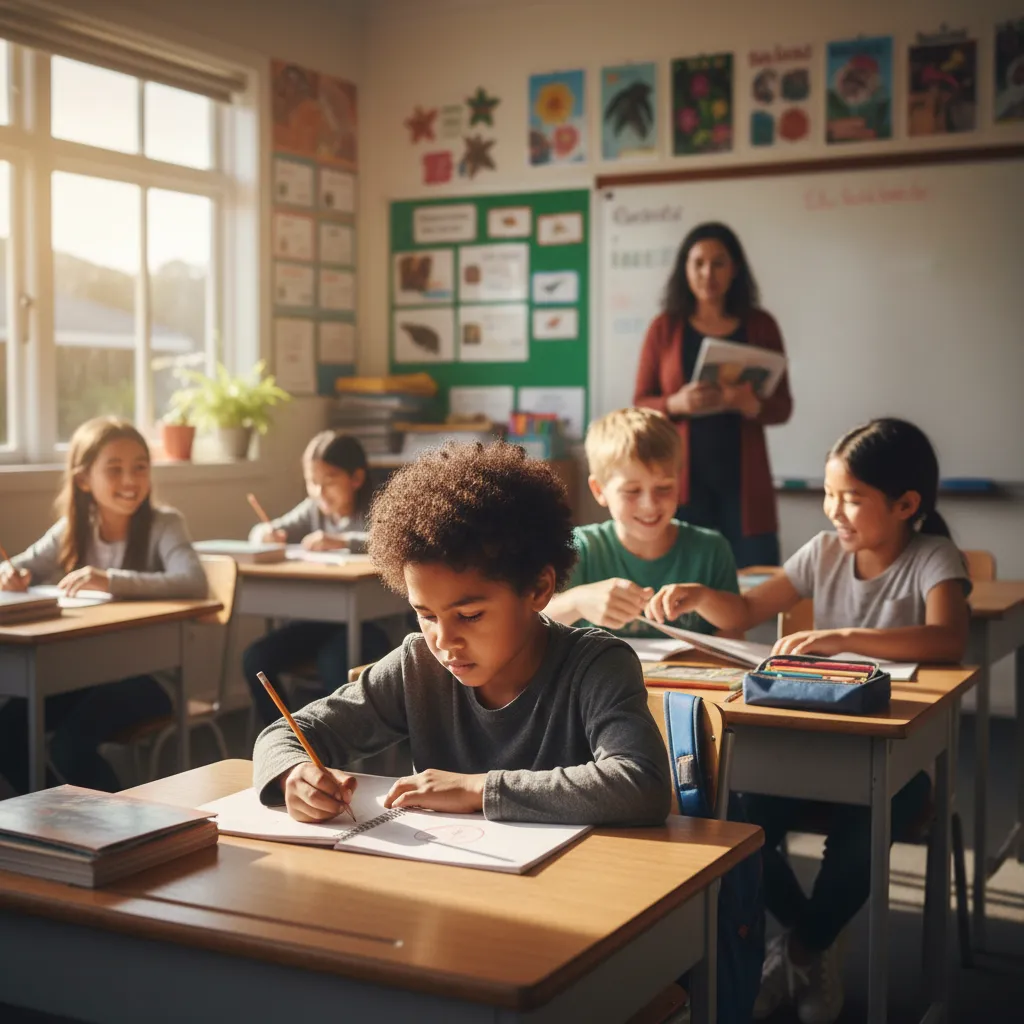
Physical Symptoms
Anxiety often presents physically, which can be confusing for parents and children alike, as these symptoms can mimic other illnesses.
- Stomach Aches and Nausea: Frequent, unexplained ‘tummy aches’ are very common.
- Headaches: Recurrent headaches without a clear medical cause.
- Muscle Tension: Clenched jaw, tense shoulders, or general bodily stiffness.
- Fatigue: Despite adequate sleep, feeling constantly tired due to the mental and physical toll of anxiety.
- Changes in Appetite: Eating significantly more or less than usual.
- Shortness of Breath or Rapid Heartbeat: Often described as ‘butterfly in my stomach’ or ‘heart thumping’.
Social Manifestations
- Withdrawal: Pulling away from friends, family, or group activities.
- Difficulty Making or Keeping Friends: Fear of judgment or not knowing what to say can hinder social interactions.
- Shyness or Timidity: While a personality trait, extreme shyness that causes significant distress or avoidance of social situations can be a sign of social anxiety.
Why Early Recognition Matters: The Benefits of Understanding These Signs
Understanding and addressing the signs of anxiety in children early is paramount. Untreated anxiety can significantly impact a child’s development, academic success, and overall well-being. Conversely, early intervention can dramatically improve outcomes.
Stat Callout:
Studies suggest that up to 1 in 8 children and young people in New Zealand experience a mental health disorder, with anxiety being among the most prevalent. Early detection can reduce the severity and duration of these challenges.
When anxiety is identified early, parents, caregivers, and educators can implement strategies to support the child, build resilience, and prevent the anxiety from becoming more entrenched or leading to other issues, such as depression or school refusal.
- Improved Coping Skills: Early intervention teaches children healthy ways to manage worry.
- Better Academic Performance: Reduced anxiety allows for greater focus and engagement in learning.
- Stronger Social Connections: Children can participate more fully in friendships and activities.
- Enhanced Family Well-being: Less stress for the child often means less stress for the whole whānau. This broader concept of family well-being extends to critical areas such as Financial Well-being & Planning.
- Long-term Mental Health: Preventing chronic anxiety can lead to a healthier emotional foundation for adulthood.
Stat Callout:
Research indicates that children who receive appropriate support for anxiety often develop stronger emotional regulation skills, significantly improving their quality of life compared to those whose anxiety goes unaddressed.
When to Seek Professional Help
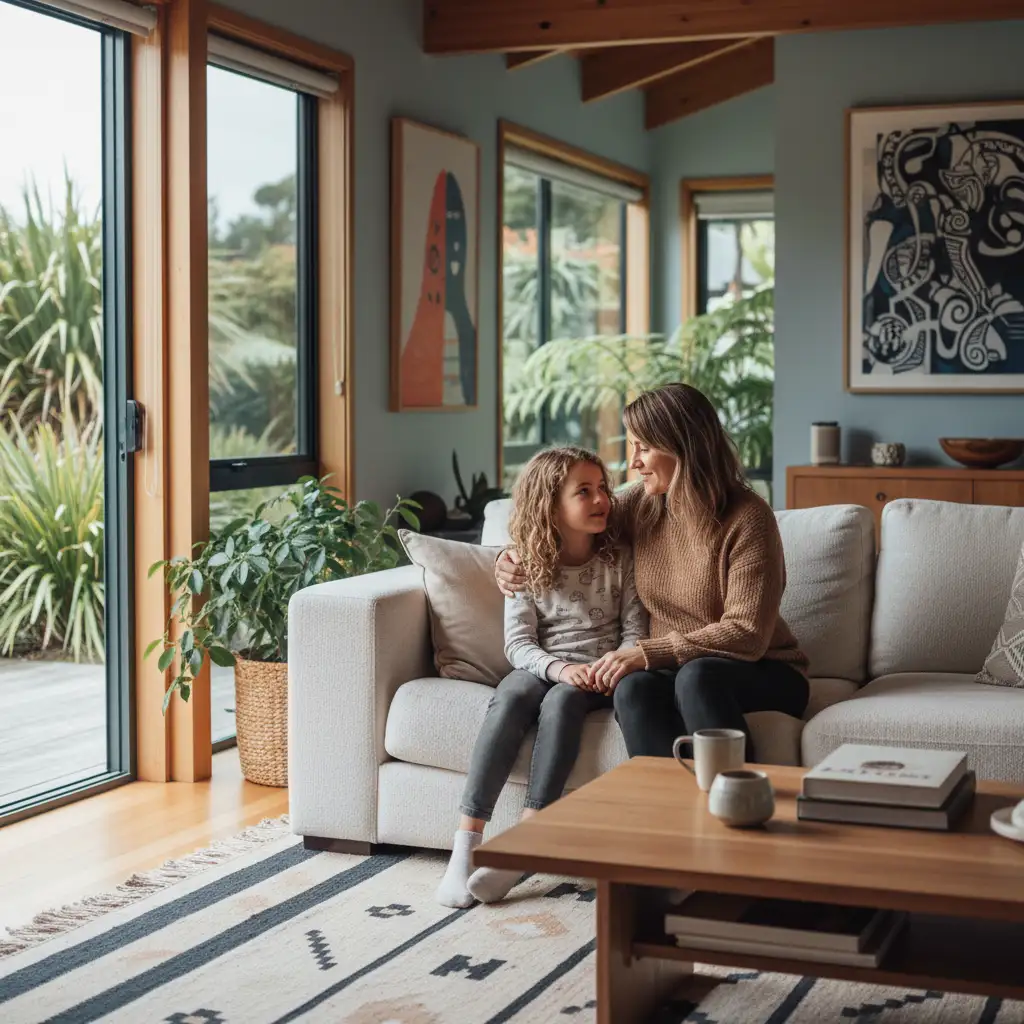
It can be challenging to determine when typical childhood worries cross the line into a need for professional support. Consider seeking help if you observe the following persistent signs of anxiety in children:
- The anxiety is intense, persistent (lasting more than a few weeks), and doesn’t respond to typical reassurance.
- It significantly interferes with daily routines, such as school attendance, sleep, eating, or social activities.
- Your child expresses feelings of hopelessness, severe sadness, or frequent physical complaints with no medical explanation.
- The anxiety seems disproportionate to the situation or event.
- You feel overwhelmed or unsure how to best support your child.
In New Zealand, resources like your GP, Plunket, school counsellors, organisations like the Mental Health Foundation of New Zealand, and specific regional or cultural services such as Māori Health Providers in Northland, can be excellent starting points. For family disputes or challenges that might impact a child’s well-being, exploring Family Mediation Nz or considering a Parenting Through Separation Course can offer a path to resolution. Early intervention from a child psychologist or therapist specialising in anxiety can make a profound difference.

Conclusion
Recognizing the signs of anxiety in children is an act of deep care and understanding. While every child is unique, persistent patterns of excessive worry, behavioural changes, or unexplained physical symptoms warrant attention. As parents and caregivers in New Zealand, being attuned to these signals allows us to step in, offer comfort, teach coping strategies, and seek professional help when necessary.
By fostering an environment of open communication and support, we can help our tamariki navigate their anxieties, build resilience, and flourish into confident young people. Remember, you’re not alone in this journey, and help is available.
Frequently Asked Questions
What are the most common signs of anxiety in young children?
In young children, common signs include increased clinginess, intense separation anxiety, frequent temper tantrums or meltdowns, unexplained stomach aches or headaches, changes in sleep patterns (nightmares, difficulty sleeping), and avoidance of new situations or people.
How does anxiety manifest differently in teenagers compared to younger kids?
Teenagers might show signs similar to younger children but also exhibit more complex behaviours like social withdrawal, intense self-consciousness, perfectionism related to school or appearance, excessive reassurance-seeking, significant irritability, sudden drops in academic performance, or even risk-taking behaviours to cope with internal distress.
Is it normal for children to feel anxious sometimes, or are all signs of anxiety a concern?
It is absolutely normal for children to experience temporary anxiety in response to new, challenging, or potentially threatening situations (e.g., first day of school, a big test). Concerns arise when anxiety is disproportionately intense, persistent (lasting weeks or months), impacts daily functioning, or causes significant distress to the child.
What should I do if I suspect my child has anxiety?
Start by observing and gently talking to your child about their feelings. Create a safe space for them to express worries. If concerns persist, consult your GP, a school counsellor, or a child psychologist. They can offer guidance, assessment, and recommend appropriate strategies or therapies.
Can anxiety in children lead to physical symptoms?
Yes, absolutely. Anxiety often manifests physically. Common physical symptoms include frequent stomach aches (without medical cause), headaches, muscle tension, fatigue, changes in appetite, and even shortness of breath or a racing heart. These physical complaints are often genuine reflections of their internal distress.
References & Sources
- Ministry of Health NZ. (n.d.). Mental health and addiction in New Zealand: A snapshot of the issues. Retrieved from health.govt.nz
- Mental Health Foundation of New Zealand. (n.d.). Anxiety in Children and Young People. Retrieved from mentalhealth.org.nz
- Plunket. (n.d.). Understanding and supporting your child’s emotions. Retrieved from plunket.org.nz
- Child Mind Institute. (n.d.). Anxiety in Children. Retrieved from childmind.org