Navigating New Zealand’s Single Parent Support Allowance
Empowering Sole Parents in Aotearoa with Essential Financial Assistance
Being a single parent in New Zealand is a journey filled with immense love, incredible strength, and unique challenges. From juggling work and childcare to managing household finances solo, the demands can be significant. It’s during these times that understanding the Single Parent Support available becomes not just helpful, but truly empowering. For many sole parents in Aotearoa, the Single Parent Support Allowance (often referred to as Sole Parent Support) is a vital lifeline, offering crucial financial stability to help raise their tamariki.

This comprehensive guide is designed to cut through the complexity, providing you with clear, authoritative, and approachable information about the Single Parent Support Allowance. Our aim is to ensure you feel informed and empowered to navigate your parenting journey with confidence.
Table of Contents
What is the Single Parent Support Allowance?
The Single Parent Support Allowance, officially known as Sole Parent Support (SPS), is a weekly payment from the New Zealand government, administered by Work and Income (WINZ). It’s designed to provide financial assistance to single parents who are raising dependent children and have limited income and resources. This allowance acknowledges the unique financial pressures sole parents face, aiming to provide a safety net and enable them to focus on their children’s well-being.
It’s more than just a payment; it’s part of a broader support system. While receiving SPS, you may also be eligible for other forms of assistance, such as the Accommodation Supplement, Childcare Subsidy, or help with housing costs. The goal is to ensure children in single-parent households have the best possible start in life, supported by a parent who isn’t overwhelmed by financial hardship.
“Sole Parent Support provides a stable foundation, allowing single parents to nurture their children and navigate life’s challenges with greater confidence.” – Work and Income NZ
Stat Callout: Single Parent Households in NZ
According to recent statistics, approximately 20% of New Zealand families are single-parent households. This highlights the significant role that support systems like the Single Parent Support Allowance play in the social and economic fabric of Aotearoa, supporting thousands of parents and children nationwide. [Source 1]
Key Benefits of the Single Parent Support Allowance
Receiving the Single Parent Support Allowance can bring a multitude of benefits, not just financially, but also for the overall well-being of the family. Here are some of the key advantages:
- Financial Stability: Provides a regular income to cover essential living costs like food, rent, utilities, and clothing, significantly reducing financial stress.
- Improved Child Well-being: Enables parents to better provide for their children’s needs, ensuring access to healthy food, educational resources, and a stable home environment.
- Parental Capacity & Focus: By alleviating some financial burdens, parents can dedicate more energy to parenting, reducing stress, and fostering a stronger family unit.
- Access to Additional Support: Being on SPS can open doors to other crucial government assistance, such as the Accommodation Supplement, Disability Allowance, or childcare subsidies, creating a more comprehensive support network.
- Pathway to Independence: The allowance can support parents while they undertake study, training, or part-time work, helping them build skills and confidence for future employment opportunities.
- Healthcare Access: Often includes access to a Community Services Card, which can reduce the cost of doctor’s visits and prescription medicines for the family.
Who is Eligible for Sole Parent Support?
Eligibility for the Single Parent Support Allowance is based on several factors designed to ensure support reaches those who need it most. While Work and Income will assess your specific circumstances, here are the general criteria:
- Sole Parent Status: You must be the principal caregiver of at least one dependent child and not be in a relationship with a partner.
- Child’s Age: Your youngest dependent child must be under a certain age (generally 14 years old, though there are exceptions for parents with specific circumstances or younger children).
- Residency: You must be a New Zealand citizen or permanent resident, ordinarily residing in New Zealand.
- Income and Assets: Your income and assets must be below specific thresholds set by Work and Income. These thresholds are regularly reviewed.
- Work Obligations: Depending on the age of your youngest child, you may have work obligations, which could include looking for part-time work, undertaking training, or preparing for work.
- Seeking Child Support: If applicable, you will generally be expected to take reasonable steps to seek child support from the other parent.
It’s important to remember that these are general guidelines. Work and Income will conduct a thorough assessment of your individual situation. The best way to confirm your eligibility is to contact them directly.
How to Apply for the Single Parent Support Allowance (Step-by-Step)
Applying for the Single Parent Support Allowance can seem daunting, but breaking it down into manageable steps can make the process clearer. Here’s a guide to help you:
1. Confirm Your Eligibility
Before starting the application, use Work and Income’s online tools or call them to get a clearer understanding of whether you meet the basic criteria. This can save you time and ensure you’re pursuing the right type of benefit.
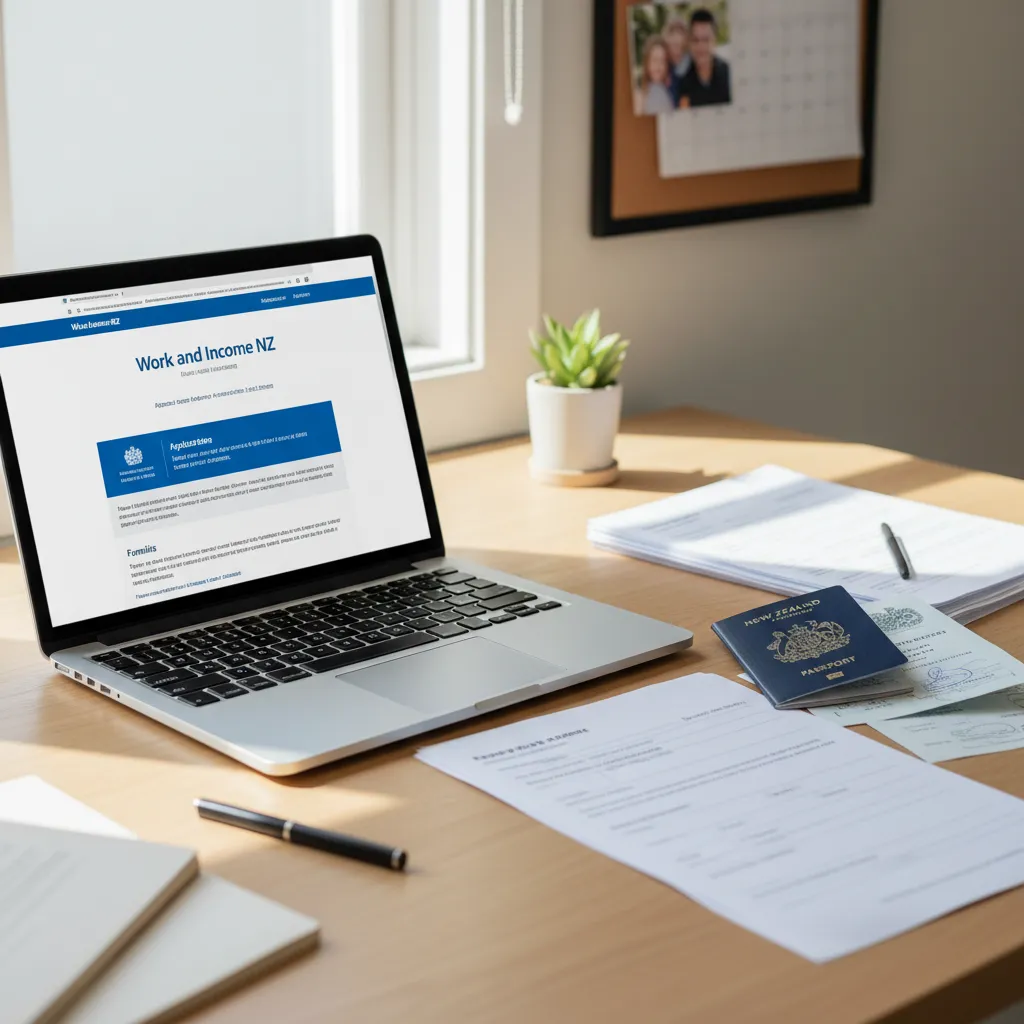
2. Gather Your Essential Documents
Preparation is key. You will need a range of documents to verify your identity, residency, income, assets, and sole parent status. This typically includes:
- Proof of identity (e.g., Passport, Birth Certificate, Driver’s License)
- Proof of New Zealand residency or citizenship
- Birth certificates for all your dependent children
- Bank statements (recent activity)
- Proof of income (e.g., pay slips, details of any other benefits)
- Details of assets (e.g., bank accounts, investments, property)
- Proof of tenancy or homeownership (e.g., rental agreement, mortgage statement)
- Any separation agreements or court orders related to parenting arrangements
3. Connect with Work and Income (WINZ)
You can start your application in several ways:
- Online: Many initial steps and forms can be completed via the MyMSD website.
- Phone: Call the WINZ contact centre to speak with a case manager, who can guide you through the process and answer initial questions.
- In Person: Visit your local Work and Income service centre to pick up forms and discuss your situation with a staff member.
They will likely schedule an appointment for an interview to discuss your application in detail.
4. Complete Your Application
During your interview, a case manager will go through your application form with you, verify your documents, and ask questions to understand your circumstances fully. Be open and honest; their role is to assess your eligibility fairly.
5. Understand Your Ongoing Obligations
If your application for the Single Parent Support Allowance is approved, you will have ongoing obligations. These typically include:
- Reporting Changes: You must inform Work and Income immediately of any changes to your income, living situation, relationship status, or children’s circumstances.
- Work Capacity Assessment: Depending on your situation, you may need to attend appointments to discuss your work readiness or participate in work-focused activities.
- Regular Reviews: Your eligibility will be reviewed periodically to ensure you continue to meet the criteria.
Navigating Your Journey: Beyond Financial Support
While the Single Parent Support Allowance is foundational, your journey as a sole parent in New Zealand involves a wider ecosystem of support:
- Childcare Assistance: Subsidies to help with the cost of daycare or after-school care.
- Accommodation Support: Help with rent, bond, or even temporary housing.
- Health and Disability: Financial help for medical costs, or support if you or a child has a disability.
- Education and Training: Assistance with course fees, materials, and transport to help you gain new skills.
- Community Connections: Information on local parenting groups, Single Parent Support Networks & Resources, and community services.
Don’t hesitate to discuss your broader needs with your Work and Income case manager. They can connect you with the right resources and ensure you receive holistic support.
Conclusion
The journey of a single parent is undoubtedly challenging, but also incredibly rewarding. New Zealand’s Single Parent Support Allowance (Sole Parent Support) stands as a testament to the nation’s commitment to supporting its families, providing a crucial financial safety net for those raising children alone.
Understanding your eligibility and the application process is the first step towards accessing this vital assistance. Remember, you are not alone, and there are resources available to help you thrive. We encourage all eligible sole parents to reach out to Work and Income to explore how the Single Parent Support Allowance can empower your family’s future.
Your strength as a sole parent is remarkable; let the available support enhance your incredible journey.
Frequently Asked Questions (FAQ)
What is the main difference between Sole Parent Support and other benefits?
Sole Parent Support (SPS) is specifically designed for single parents who are the main caregiver of a dependent child and meet specific income, asset, and work obligations criteria. Other benefits, like Jobseeker Support or Supported Living Payment, are for individuals with different circumstances, though a sole parent may be eligible for these if they don’t meet SPS criteria or have other specific needs (e.g., a disability).
Can I work while receiving the Single Parent Support Allowance?
Yes, you can often work part-time while receiving Sole Parent Support. However, any income you earn will affect the amount of your allowance. Work and Income has abatement rules, meaning your benefit will reduce by a certain amount for every dollar you earn over a specific threshold. It’s crucial to declare all your income to Work and Income to avoid overpayments.
What happens if my relationship status changes?
If your relationship status changes (e.g., you start living with a new partner, or reconcile with a previous partner), you must inform Work and Income immediately. Your eligibility for Sole Parent Support is dependent on you being a sole parent, so a change in relationship status will likely affect your benefit entitlement. Failing to report changes can lead to serious consequences, including having to repay benefits.
Is there an age limit for my youngest child for me to qualify for SPS?
Yes, typically your youngest dependent child must be under 14 years old for you to qualify for Sole Parent Support. However, there can be exceptions, for example, if you have a child with a significant disability or if there are other exceptional circumstances. It’s always best to discuss your specific situation with Work and Income.
How long does it take to process a Single Parent Support Allowance application?
The processing time can vary depending on the complexity of your situation, how quickly you provide all necessary documents, and the current workload at Work and Income. It’s best to apply as soon as possible and ensure all required information is submitted promptly. Your case manager will be able to give you an estimated timeframe.
References & Sources
- [Source 1] Ministry of Social Development (MSD) – Sole Parent Support information and statistics.
- Work and Income New Zealand (WINZ) – Official Sole Parent Support Overview.
- Stats NZ – Information on Families, Households and Housing in New Zealand.
- Community Law Aotearoa – Guide to Applying for a Benefit.