Youth Employment Rights: The Definitive Guide to Under 16 Work Rights NZ
Understanding under 16 work rights nz is essential for parents, employers, and young people navigating the transition into the workforce. In New Zealand, the legal landscape for young workers is unique, blending protections from the Employment Relations Act with specific restrictions found in education and health and safety legislation. While New Zealand encourages youth to gain experience through part-time roles, internships, and casual labor, there are strict boundaries designed to ensure that work does not interfere with a child’s education or physical well-being. This guide provides an exhaustive look at the regulations, responsibilities, and rights that govern the employment of minors under the age of 16.

1. Defining Under 16 Work Rights NZ in the Modern Labor Market
The concept of under 16 work rights nz is primarily built upon the principle that work should be a secondary priority to education and safety. Unlike many other OECD nations, New Zealand does not have a single ‘minimum age’ for all work. Instead, the law differentiates based on the type of work and the time of day it is performed. For instance, a 13-year-old might legally deliver newspapers or work in a family business, but they would be prohibited from working on a construction site or in a factory.
The primary legislation governing these rights includes the Employment Relations Act 2000, the Health and Safety at Work Act 2015, and the Education and Training Act 2020. These laws work in tandem to create a protective cocoon around young employees. Employers must recognize that while a 15-year-old may demonstrate the maturity of an adult, they are legally classified as a child or young person, necessitating higher levels of supervision and specific duty-of-care considerations.
Historically, youth employment in Aotearoa has focused on retail and hospitality sectors. However, as the digital economy grows, we see an increase in freelance and gig-economy work involving under-16s. Regardless of the medium—be it a physical café or a digital platform—the fundamental under 16 work rights nz remain constant: the right to a safe environment, the right to be paid (though not at a set minimum rate), and the right to have an employment agreement.
2. The Financial Landscape: Minimum Wage and Under 16 Work Rights NZ
One of the most misunderstood aspects of under 16 work rights nz is the application of the minimum wage. In New Zealand, there is currently no legal minimum wage for employees who are under 16 years of age. This means that, technically, an employer and a young person can negotiate any pay rate. However, this does not grant employers the license to exploit young workers. Market rates usually dictate pay, and most reputable employers pay at least the starting-out wage to remain competitive and ethical.
Once an employee turns 16, they enter a new bracket. They may be eligible for:
- The Adult Minimum Wage: Applicable to most workers aged 16 and over.
- The Starting-Out Wage: Applicable to 16 and 17-year-olds who have not yet completed six months of continuous employment with their current employer.
- The Training Minimum Wage: Applicable to employees aged 20 or over who are required by their employment agreement to do at least 60 credits a year of a recognized industry training program.
For more detailed information on current rates, you can visit the official Employment New Zealand website, which provides the most up-to-date figures as adjusted by the government annually. It is a best practice for employers to provide annual pay reviews even for those under 16 to ensure their compensation reflects their growing skill sets.

3. Prohibited Employment and Restricted Workplaces
Safety is the cornerstone of under 16 work rights nz. The Health and Safety at Work (General Risk and Workplace Management) Regulations 2016 specify several areas where young people are strictly prohibited from working. These restrictions are in place because certain environments pose a disproportionate risk to those who may lack experience or physical development.
Prohibited areas for those under 15 include:
- Construction Sites: Any area where building or demolition work is being carried out.
- Manufacturing: Factories where products are being made or processed.
- Hazardous Substances: Areas where dangerous chemicals or explosives are handled.
- Heavy Machinery: Operating or even being in the immediate vicinity of high-risk machinery like forklifts or industrial saws.
- Forestry and Mining: Logging sites and underground mines are strictly off-limits.
Furthermore, the Sale and Supply of Alcohol Act 2012 dictates that minors cannot work in ‘restricted’ areas of licensed premises (such as a pub bar) while the premises are open for the sale of alcohol, though they may work in ‘undesignated’ areas like a restaurant as a server, provided they do not actually serve the alcohol themselves until they are of legal age.
4. Balancing Education: Working Hours and Schooling
In New Zealand, education is compulsory until the age of 16. Therefore, under 16 work rights nz are heavily influenced by the Education and Training Act. It is an offense for an employer to hire a young person at times that interfere with their school attendance. Specifically:
- Work must not take place during school hours (usually 9:00 AM to 3:00 PM) unless the student has an official exemption.
- Work must not be performed between the hours of 10:00 PM and 6:00 AM.
- The work must not be so taxing that it prevents the student from performing well in their studies or being present at school.
Employers found to be employing students during school hours can face significant fines. It is the employer’s responsibility to verify the age of the student and ensure their work schedule respects their educational obligations. According to Wikipedia’s summary of NZ Labour Law, the protections for minors are among the most stringent to prevent child labor while encouraging vocational development.
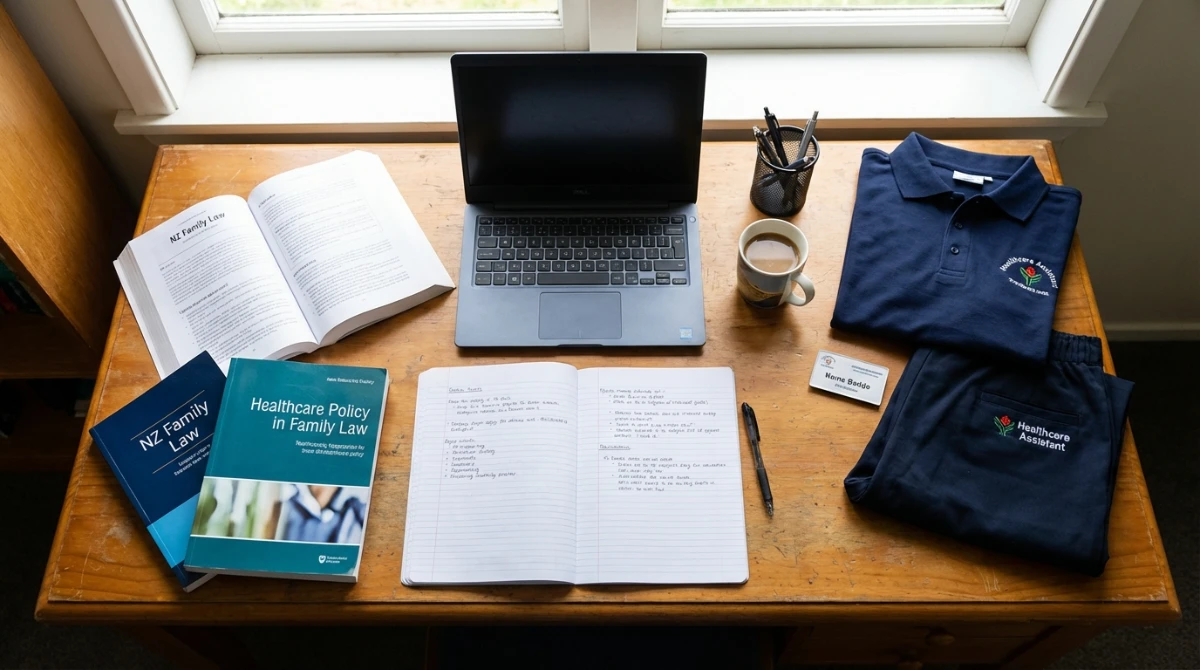
5. Employment Agreements and Legal Protections
Every worker in New Zealand, regardless of age, must have a written employment agreement. This is a vital component of under 16 work rights nz. A verbal agreement is not legally sufficient and leaves both the employer and the employee vulnerable. The agreement should clearly outline the following:
The names of the employer and employee, a description of the work to be performed, the place of work, the agreed hours or an indication of the arrangements relating to the times the employee is to work, the wage rate or salary, and a plain language explanation of how to help resolve employment relationship problems.
For those under 16, the agreement should also address parental involvement. While a 15-year-old can sign their own contract, it is highly recommended that a parent or guardian also signs to acknowledge they are aware of the terms and conditions. This ensures that the minor has been appropriately advised by an adult before entering into a binding legal relationship.
6. Health and Safety Obligations for Young Workers
The Health and Safety at Work Act 2015 (HSWA) places a primary duty of care on the PCBU (Person Conducting a Business or Undertaking) to ensure the health and safety of all workers, including youth. When it comes to under 16 work rights nz, this duty is heightened. Employers must provide:
- Specific Induction: Young workers must receive a comprehensive safety induction that accounts for their lack of experience.
- Supervision: A higher ratio of supervision is generally required for minors to ensure they are following safety protocols.
- Protective Equipment (PPE): Employers must provide any necessary PPE at no cost to the employee.
- Right to Refuse Dangerous Work: All employees have the right to refuse work they believe is likely to cause them or others serious harm.
WorkSafe New Zealand provides extensive resources for managing young people in the workplace. You can find more information on their official website. It is important to note that young workers are statistically more likely to be injured in their first six months of a job, making this aspect of employment rights particularly critical.

7. Taxation, IRD, and KiwiSaver for Minors
Even though they are young, workers under 16 are part of the New Zealand tax system. To get paid, they will need an IRD number. If they do not provide one, they will be taxed at the highest ‘no-declaration’ rate. Under 16 work rights nz include the right to be taxed correctly under the PAYE (Pay As You Earn) system.
Key financial points for under 16s:
- Tax Codes: Usually, the ‘M’ tax code applies if it is their primary job.
- KiwiSaver: Young people under 18 can join KiwiSaver, but their employer is not legally required to make compulsory employer contributions until the employee turns 18. However, the employee can still choose to contribute from their pay.
- Holiday Pay: Minors are entitled to 8% holiday pay on top of their gross earnings if they are on a casual contract, or 4 weeks of annual leave if they are part-time/permanent.
8. The Role of Parental Consent and Advocacy
While the law allows those under 16 to work, the parental role is vital in advocating for under 16 work rights nz. Parents should review any employment agreement, check the safety of the workplace, and ensure that the child’s transport to and from work is safe, especially if the shifts end in the evening. In cases of disputes, such as unpaid wages or unfair dismissal, a parent or guardian often acts as the ‘next friend’ or representative for the minor in mediation or at the Employment Relations Authority (ERA).

9. Conclusion and Key Takeaways
Navigating under 16 work rights nz requires a balance of commercial pragmatism and a deep commitment to the welfare of young New Zealanders. While the lack of a minimum wage for those under 16 might seem like a barrier, the extensive protections regarding safety, hours, and education ensure that the New Zealand youth workforce remains one of the most protected in the world. For employers, the key is transparency and rigorous adherence to health and safety standards. For young workers and their parents, the focus should be on finding roles that offer growth and experience without compromising their fundamental right to a childhood and an education.
Key Takeaways
- There is no legal minimum wage for workers under 16 in NZ.
- Work is prohibited during school hours and between 10 pm and 6 am.
- A written employment agreement is mandatory for every young worker.
- Hazardous workplaces like construction sites and factories are off-limits for those under 15.
- All young workers are entitled to holiday pay and public holiday protections.
- Employers must provide enhanced supervision and safety inductions for youth.
By fostering a culture of respect and legal compliance, New Zealand businesses can provide invaluable opportunities for the next generation of the workforce while upholding the highest standards of employment law.