Winter Energy Payment Explained
Last Updated: 22 December 2025 12:36 AM | Est. Read Time: 9 mins
The winter energy payment NZ is a government-funded initiative designed to help New Zealanders meet the higher costs of heating their homes during the colder months, ensuring that vulnerable populations like seniors and low-income families can stay warm and healthy. This automatic payment runs from May to October each year and serves as a critical buffer against the rising costs of electricity and firewood in the Aotearoa climate.

Understanding the Winter Energy Payment NZ
Staying warm in New Zealand shouldn’t be a luxury, yet for many, the arrival of June brings financial anxiety. The winter energy payment NZ was introduced by the Ministry of Social Development (MSD) to alleviate this pressure. It is not a loan; it is a non-taxable grant that does not need to be paid back, and it does not affect your other benefit entitlements.
This payment acknowledges that New Zealand’s housing stock, while improving, often requires significant energy input to maintain healthy indoor temperatures. By providing a weekly top-up, the government aims to reduce respiratory illnesses and hospitalisations associated with damp, cold environments.
“The Winter Energy Payment is more than just a financial boost; it’s a public health intervention that ensures our most vulnerable citizens don’t have to choose between food and heat.”
— Senior Social Policy Advisor, Wellington
- Payment starts annually on 1 May.
- Ends annually on 1 October.
- Payments are made weekly or fortnightly.
- No tax is deducted from these payments.
Who is Eligible for the Winter Energy Payment NZ?
Eligibility for the winter energy payment NZ is primarily linked to your status with Work and Income. Most people who receive a main benefit are automatically qualified for the scheme without needing to submit additional paperwork.
Key qualifying criteria include being a recipient of NZ Superannuation or the Veteran’s Pension. Additionally, those on Jobseeker Support, the Supported Living Payment, or Sole Parent Support are generally included in the programme.

However, there are exceptions. If you are receiving a residential care subsidy or a residential support subsidy, you may not be eligible. It is always best to check the official Work and Income website for the most recent policy updates.
The programme is designed to be inclusive. Even if you are working part-time while on a benefit, you will still receive the full winter energy payment NZ as long as your main benefit remains active. This provides stability for those transitioning back into the workforce during the cold season.
- Recipients of NZ Superannuation.
- Recipients of Veteran’s Pension.
- Jobseeker Support beneficiaries.
- Sole Parent Support recipients.
- Supported Living Payment holders.
Current Rates and Payment Dates
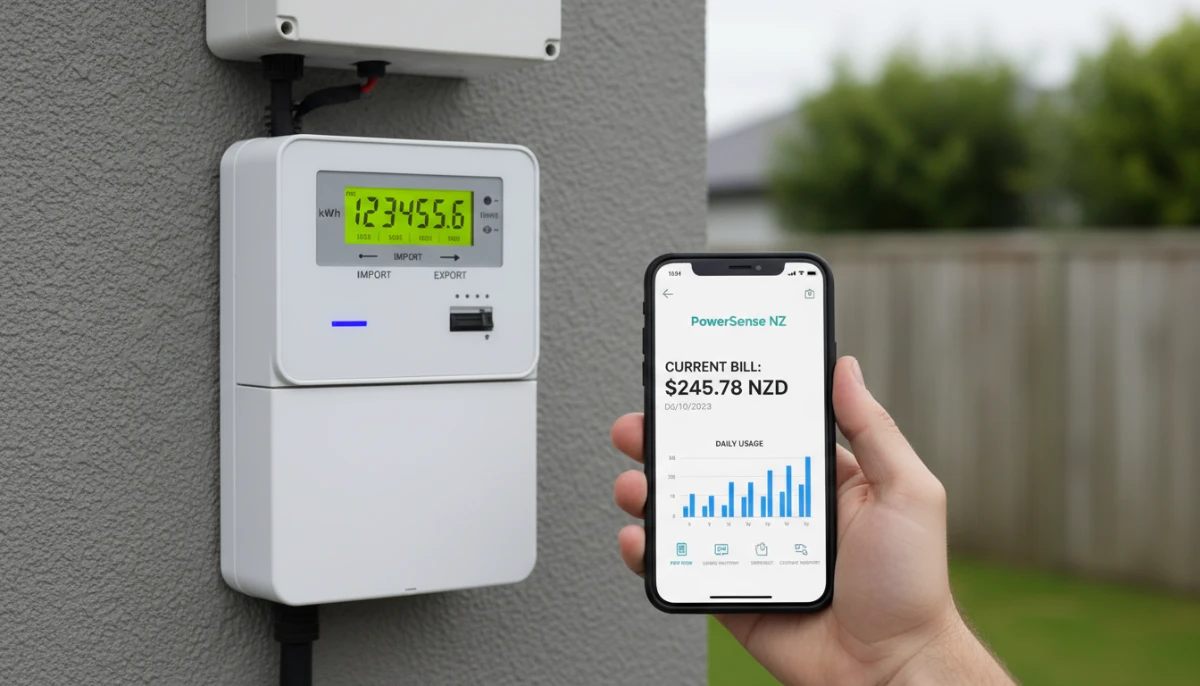
The amount of winter energy payment NZ you receive depends on your household situation. The rates are adjusted periodically to reflect changes in the Consumer Price Index (CPI), ensuring the payment keeps pace with the actual cost of living in New Zealand.
For the current cycle, the rates are as follows: Single people with no dependent children receive $20.46 per week. Couples and people with dependent children receive $31.82 per week. This totals approximately $450 to $700 over the course of the winter season.
The payment period is fixed. It begins on 1 May and concludes on 1 October. If you become eligible for a benefit halfway through the winter, you will start receiving the payment from that date onward until the season ends.
Payments are integrated into your regular benefit cycle. For example, if you receive your NZ Superannuation fortnightly, your winter energy payment will also be bundled into that fortnightly transaction, making it easy to track in your bank statements.
Do I Need to Apply for the Winter Energy Payment NZ?
One of the best features of the winter energy payment NZ is that most people do not need to apply. If you are already receiving a qualifying benefit or pension, the Ministry of Social Development (MSD) will automatically add the payment to your account.
You will typically receive a letter or an email from Work and Income in April notifying you that the payments are about to start. If you believe you are eligible but do not see the payment in your first May transaction, you should contact MSD immediately.

You also have the option to opt-out. Some people who feel they do not need the extra assistance choose to decline the payment. This can be done through the MyMSD online portal or by calling the general enquiries line. You can also opt back in at any time during the winter months.
For those moving overseas for the winter (for example, to escape the NZ cold), it is important to notify Work and Income. Generally, if you are out of the country for more than 28 days, the payment will stop, as it is intended for use within New Zealand homes.
- Check MyMSD for payment history.
- Update your address if you move house.
- Notify MSD if you plan to travel overseas.
- Review your bank statements for ‘MSD’ references.
Tips for Winter Energy Efficiency in NZ
While the winter energy payment NZ provides financial relief, maximizing its impact involves improving your home’s energy efficiency. New Zealand homes can be notoriously difficult to heat, but small changes can lead to significant savings on your power bill.
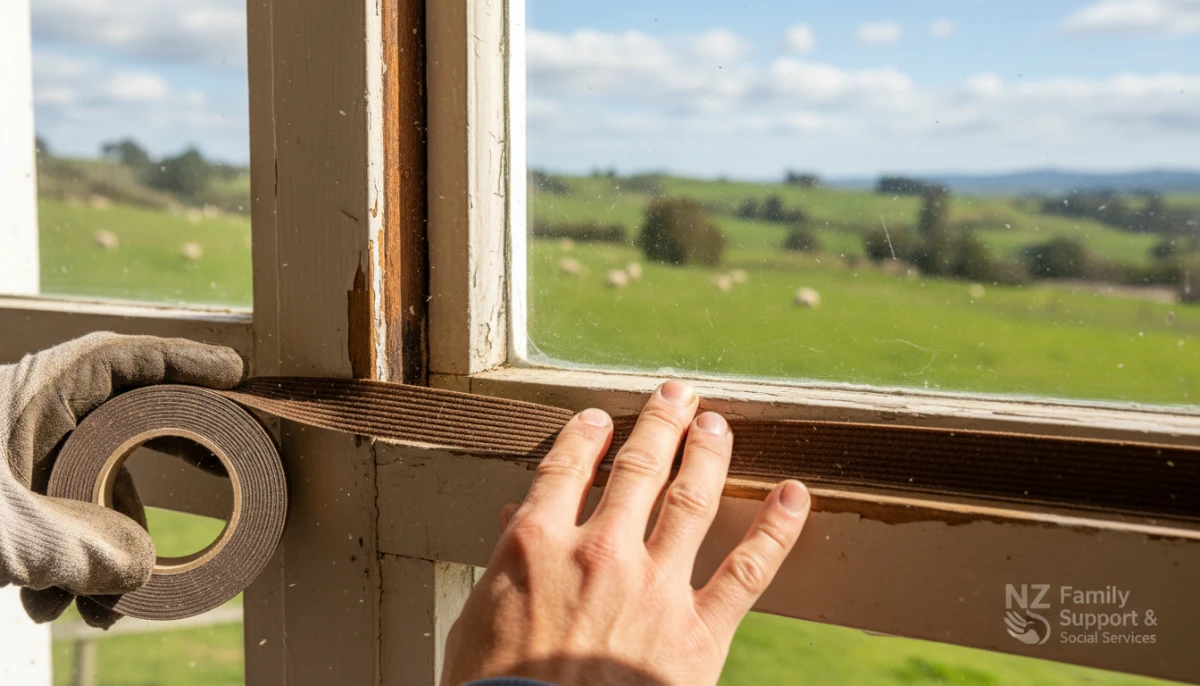
Start with draft stopping. Use ‘door snakes’ or weather stripping on windows to keep the cold air out. Close your curtains before the sun goes down to trap the day’s warmth inside. These simple habits can reduce your heating requirements by up to 10%.
Consider the ‘Warmer Kiwi Homes’ grant if you own your home. This government programme provides subsidies for ceiling and underfloor insulation, as well as heat pumps. Combining these structural improvements with the winter energy payment creates a long-term solution for a warm, dry home.
According to Stats NZ, energy prices have trended upward over the last decade, making these efficiency measures even more critical for household budgeting. Using a heat pump efficiently—by cleaning the filters regularly—ensures you get the most ‘heat’ for every dollar spent.
Frequently Asked Questions
How much is the winter energy payment NZ?
For the 2025/2026 season, single individuals receive $20.46 weekly, while those with partners or children receive $31.82 weekly.
Who is eligible for the winter energy payment NZ?
Anyone receiving NZ Superannuation, Veteran’s Pension, or a main social benefit like Jobseeker Support or Sole Parent Support is eligible.
Do I need to apply for the winter energy payment NZ?
No, it is an automatic payment for those on qualifying benefits. MSD handles the enrolment process internally.
Key Takeaways
- Automatic Support: Most Kiwis don’t need to apply; it’s added to your benefit automatically.
- Seasonal Timing: Payments run from 1 May to 1 October.
- Tax-Free: The payment is non-taxable and won’t affect other income support.
- Variable Rates: Amounts vary based on whether you are single or have a family.
- Health Focused: The goal is to keep NZ homes warm and reduce winter-related illnesses.