Understanding Te Whare Tapa Whā: A Holistic Wellbeing Model for New Zealand Families
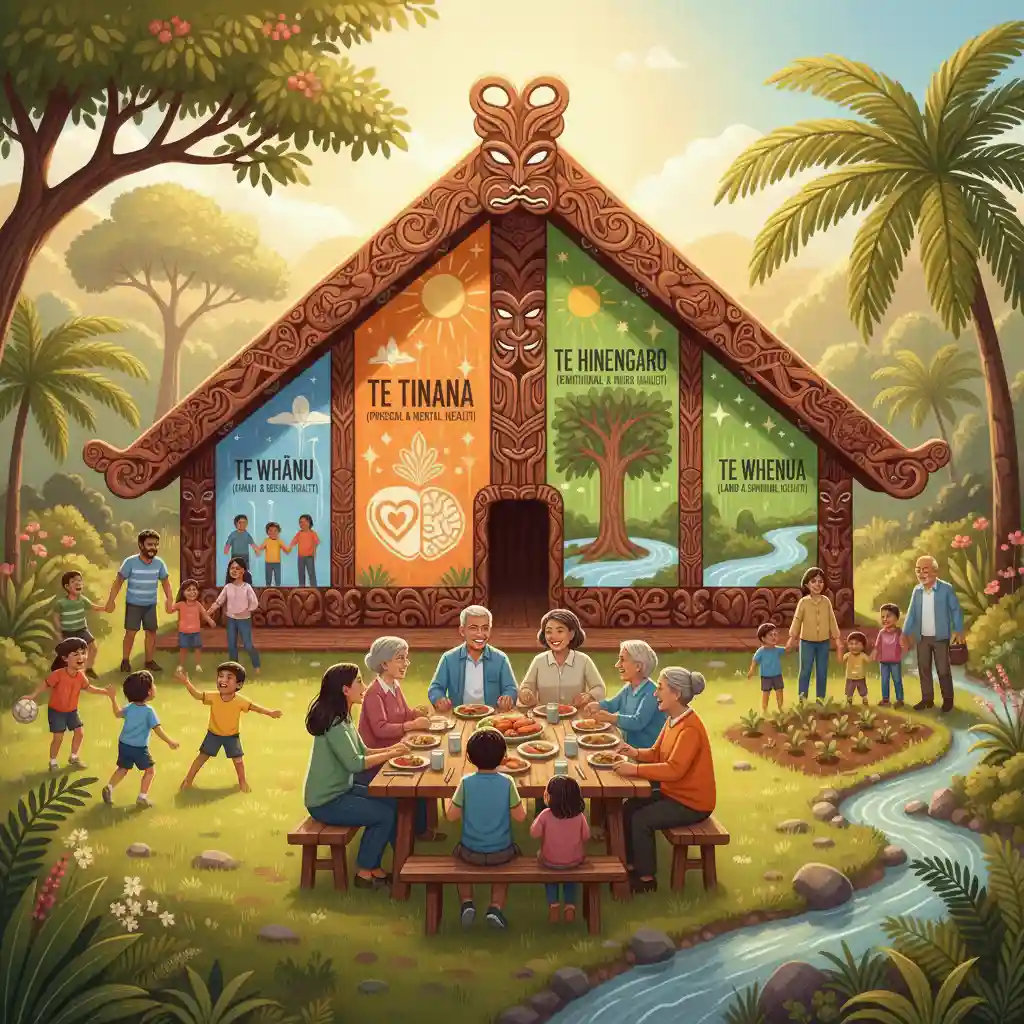
In the bustling rhythm of modern life, maintaining a balanced and healthy family environment can be a challenge. For families across Aotearoa, a powerful, indigenous framework offers profound guidance: Te Whare Tapa Whā. This Māori model of health and wellbeing views a person not just as a collection of physical parts, but as a holistic entity, much like a house with four strong walls and a solid foundation.
Understanding Te Whare Tapa Whā can transform how New Zealand families approach wellbeing, fostering resilience, connection, and a deeper sense of cultural identity. This article delves into the core principles of this vital framework, exploring its components and practical relevance for nurturing robust family health.
What is Te Whare Tapa Whā? A Holistic Framework for Families
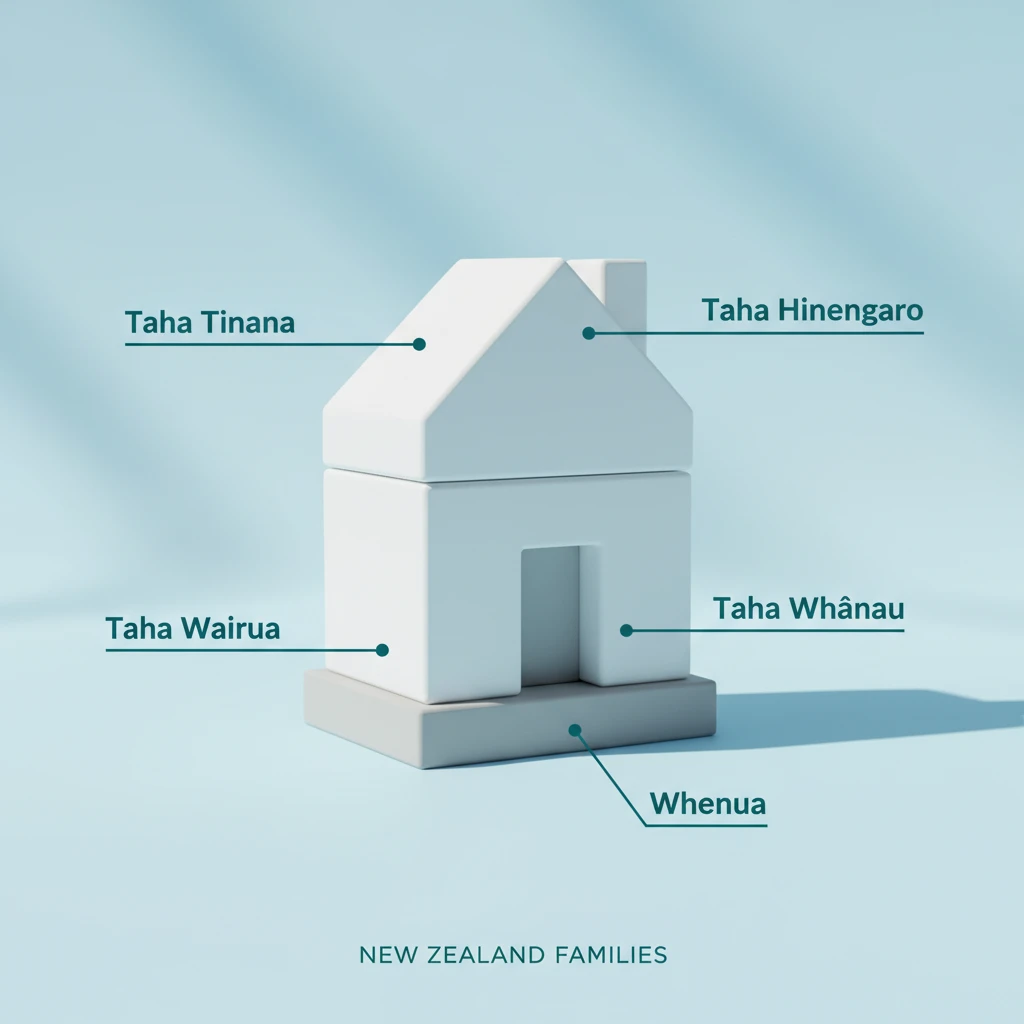
Developed by leading Māori health advocate Sir Mason Durie in 1984, Te Whare Tapa Whā is a groundbreaking model that defines health and wellbeing as a metaphorical house. For the house to stand strong, each of its four walls — and its foundation — must be robust and interconnected. If one wall is weak or damaged, the entire structure is compromised, just as a person’s wellbeing suffers if one aspect of their health is neglected.
This framework moves beyond a purely biomedical view of health, acknowledging the profound influence of spiritual, mental, and social dimensions, alongside physical health. For New Zealand families, it provides a culturally resonant and intuitively understandable way to assess and nurture the holistic health of every individual and the family unit as a whole.
The Four Walls & The Foundation: Dimensions of Wellbeing
Let’s explore each crucial component of this holistic framework:
Taha Tinana: Physical Health
- This wall represents the body’s physical health, including nutrition, exercise, sleep, and medical care.
- For families, this means encouraging active lifestyles, providing healthy meals, ensuring adequate rest, and accessing healthcare when needed.
Taha Hinengaro: Mental and Emotional Health
- Encompasses thoughts, feelings, communication, and coping strategies.
- Families can nurture this by promoting open communication, teaching emotional regulation, fostering resilience, and supporting mental health awareness, including specific challenges like Post-Natal Depression Help Nz, and recognizing the importance of Parental Mental Health & Self-Care for the entire household.
Taha Wairua: Spiritual Health
- This dimension relates to faith, life purpose, values, and connection to something greater than oneself. It doesn’t necessarily mean religious belief.
- Families can support spiritual health through shared values, cultural practices, connection to nature, reflection, and a sense of belonging.
Taha Whānau: Family and Social Health
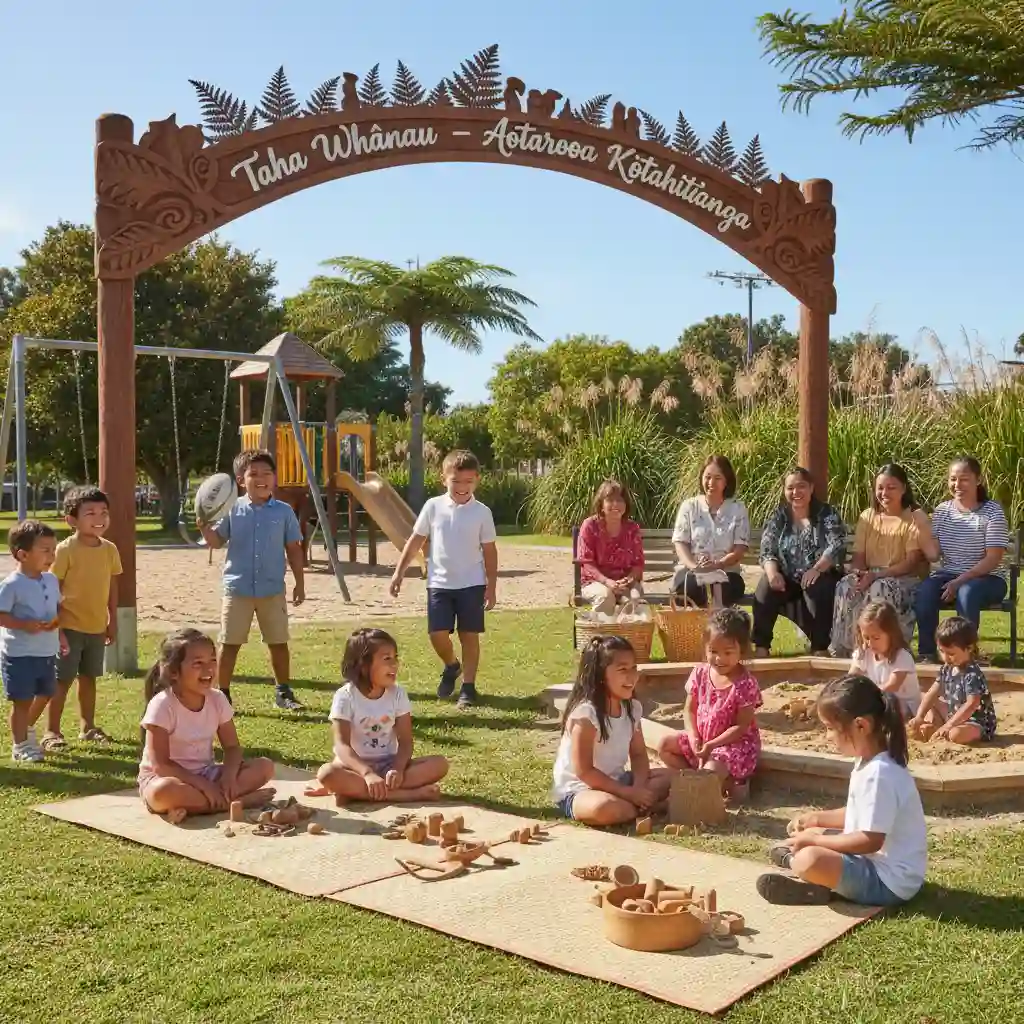
- The strength of family, community, and social networks. It emphasizes belonging, care, and support.
- Crucial for families, this wall is strengthened by quality time together, strong communication, mutual respect, and active participation in community life, for example by Finding A Coffee Group Wellington for local connections. When conflicts arise, resources like Family Mediation Nz can provide valuable support.
Whenua: Connection to Land and Place (The Foundation)
- Often considered the foundation or an overarching element, Whenua signifies our connection to the land, environment, and our ancestral heritage.
- For NZ families, this means fostering a love and respect for Aotearoa’s natural environment, understanding local history, and connecting with cultural roots.
“Te Whare Tapa Whā offers a holistic pathway for wellbeing, recognizing that true health is found in the balance and harmony of all these interconnected dimensions.”
Key Benefits of Embracing Te Whare Tapa Whā for Families
Integrating understanding Te Whare Tapa Whā into family life offers a multitude of advantages, helping to build a more resilient, connected, and flourishing unit:
- Enhanced Family Resilience: By nurturing all aspects of wellbeing, families are better equipped to navigate challenges and bounce back from adversity.
- Improved Communication and Connection: Focusing on Taha Hinengaro and Taha Whānau naturally encourages open dialogue and stronger relational bonds.
- Holistic Child Development: Children grow up with a comprehensive understanding of what constitutes true health, extending beyond just physical wellbeing.
- Cultural Understanding and Identity: Embracing this indigenous model helps connect families to Māori culture, fostering a deeper sense of identity and belonging within Aotearoa.
- Stress Reduction and Wellbeing: A balanced approach to health, encompassing aspects like Financial Well-being & Planning, can lead to reduced stress, greater peace, and overall improved quality of life for all family members.
Did you know?
Te Whare Tapa Whā is widely recognized and integrated into health, education, and social services across New Zealand, underscoring its relevance and effectiveness as a national wellbeing framework.
Applying Te Whare Tapa Whā in Daily Family Life
The beauty of Te Whare Tapa Whā lies in its practical applicability. Here are some ways families can actively integrate each dimension:
- For Taha Tinana: Plan family walks or bike rides, cook healthy meals together, prioritize consistent bedtimes, and schedule regular health check-ups.
- For Taha Hinengaro: Have ‘check-in’ conversations about feelings, practice mindfulness or gratitude, encourage creative expression, and seek support for mental health when needed.
- For Taha Wairua: Share stories, connect with nature (e.g., beach trips, bush walks), discuss family values, or engage in community service.
- For Taha Whānau: Dedicate regular family meal times, create opportunities for shared laughter, connect with extended family, and participate in community events.
- For Whenua: Learn about local Māori history, visit significant natural sites, engage in gardening, or participate in environmental clean-ups.

Conclusion: Building Stronger Whānau with Te Whare Tapa Whā
Understanding Te Whare Tapa Whā offers a profound and empowering lens through which New Zealand families can view and cultivate their overall wellbeing. By consciously nurturing each of its dimensions – physical, mental, spiritual, social, and connection to land – families can build a robust foundation for health, resilience, and happiness.
Embracing this holistic Māori model is not just about individual health; it’s about strengthening the entire whānau, fostering a deeper connection to culture, and ultimately contributing to a healthier, more vibrant Aotearoa for generations to come. Start exploring how you can apply these principles within your family today.
Frequently Asked Questions (FAQ) about Te Whare Tapa Whā
What does Te Whare Tapa Whā mean?
Te Whare Tapa Whā translates to “the house with four walls.” It is a Māori model of health and wellbeing where each wall represents a dimension of health (physical, mental, spiritual, social), and the foundation is often seen as the connection to land or place.
Who created Te Whare Tapa Whā?
The Te Whare Tapa Whā model was developed by renowned Māori psychiatrist and academic Sir Mason Durie in 1984.
Is Te Whare Tapa Whā only for Māori people?
While rooted in Māori worldview, Te Whare Tapa Whā is a universal model of holistic wellbeing that can be embraced and applied by all people, regardless of their cultural background, seeking a balanced approach to health.
How can families use Te Whare Tapa Whā?
Families can use Te Whare Tapa Whā by regularly reflecting on the strength of each dimension for every family member. This involves consciously planning activities and fostering environments that nurture physical activity, mental resilience, spiritual connection, strong family bonds, and connection to the environment.
What is the importance of Whenua in Te Whare Tapa Whā?
Whenua (land, place) is a critical component, often viewed as the foundation or central connecting element. It signifies our connection to the environment, our ancestors, and our cultural roots. For families, fostering this connection enhances identity, belonging, and a sense of responsibility towards the natural world.
References & Sources
- Durie, M. (1998). Whaiora: Māori health development (2nd ed.). Oxford University Press.
- Health Quality & Safety Commission New Zealand. (n.d.). Te Whare Tapa Whā. Retrieved from www.hqsc.govt.nz (Plausible Source)
- Ministry of Health NZ. (n.d.). Māori Health Models. Retrieved from www.health.govt.nz (Plausible Source)
- Mental Health Foundation of New Zealand. (n.d.). Wellbeing tools: Te Whare Tapa Whā. Retrieved from www.mentalhealth.org.nz (Plausible Source)