Understanding ADHD Symptoms in Girls
Est. Read Time: 9 mins | Last Updated: 22 December 2025 12:22 AM
Identifying the symptoms of adhd in girls requires a nuanced understanding of how neurodivergence manifests differently across genders, especially within the New Zealand education and healthcare systems. Symptoms of ADHD in girls often present as internalised restlessness, chronic daydreaming, emotional dysregulation, and social withdrawal, rather than the overt physical hyperactivity typically seen in boys. Because these signs are often subtle or mistaken for personality traits, many Kiwi girls do not receive a diagnosis until they reach secondary school or adulthood, when executive function demands exceed their ability to cope.
Identifying Symptoms of ADHD in Girls
In Aotearoa, the historical focus on ‘hyperactive boys’ has left many parents and educators searching for answers when their daughters struggle. Understanding the symptoms of adhd in girls involves looking past the stereotype of the child who cannot sit still. Instead, we must look for the girl who is consistently ‘lost in thought’ or the one who becomes incredibly distressed by minor changes in her routine.
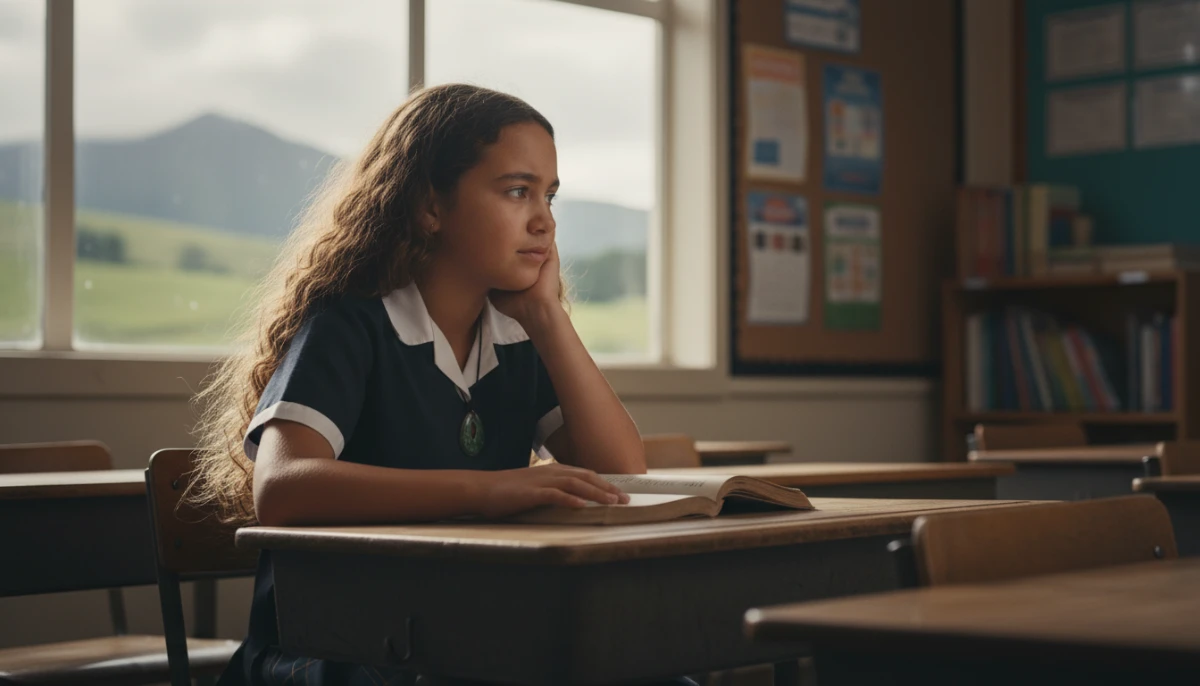
Research suggests that girls are more likely to exhibit the ‘Inattentive’ presentation of ADHD. This doesn’t mean they aren’t hyperactive; rather, their hyperactivity is often internalised. They may experience a ‘racing mind’ or engage in subtle fidgeting, like picking at cuticles or doodling, which is often dismissed by teachers as being ‘distracted’ rather than neurodivergent.
- Difficulty sustaining attention on tasks that are not inherently stimulating.
- Frequent ‘zoning out’ during conversations or classroom instructions.
- Chronic disorganisation of school bags, bedrooms, and time management.
- Extreme sensitivity to rejection or perceived criticism (Rejection Sensitive Dysphoria).
- Verbosity—talking excessively or interrupting others frequently.
What are the most common signs of ADHD in young girls?
When we look at younger children, the symptoms can be particularly deceptive. A young girl might be seen as ‘the daydreamer’ or ‘the social butterfly.’ However, beneath the surface, these behaviours often indicate a struggle with executive function. In New Zealand primary schools, where self-regulated learning is encouraged, these girls may fall behind because they cannot organise the steps required to complete a project.
“Girls with ADHD often work twice as hard as their peers to achieve the same results, leading to chronic exhaustion and burnout by the time they reach high school.” – NZ Clinical Insight.
Socially, the signs manifest in complex ways. While boys might get into physical altercations, girls with ADHD may struggle to follow the ‘unwritten rules’ of female friendships. This can lead to social isolation or being drawn to older peer groups where the social structure is less rigid. Identifying these social friction points is key to recognising symptoms of adhd in girls early.

Why is ADHD often missed or misdiagnosed in girls?
The primary reason for the diagnostic gap in New Zealand is ‘masking.’ Masking is a social survival strategy where a girl consciously or unconsciously mimics the behaviour of neurotypical peers. She might meticulously check her planner to ensure she hasn’t forgotten anything, or remain silent in class to avoid saying the ‘wrong’ thing. This performative normalcy is exhausting and often leads to a misdiagnosis of anxiety or depression.
Furthermore, many healthcare providers still rely on diagnostic criteria based on male-centric studies. When a girl presents with emotional volatility, it is frequently attributed to ‘hormones’ or ‘teenage moodiness’ rather than a fundamental issue with dopamine regulation. To ensure your daughter gets the right help, it is vital to consult professionals who are familiar with the female phenotype of neurodiversity.
- Social expectations for girls to be ‘quiet’ and ‘helpful’ mask ADHD traits.
- Co-occurring conditions like anxiety often overshadow the underlying ADHD.
- High intelligence can allow a girl to compensate for her struggles until university level.
How can New Zealand parents get an ADHD diagnosis for their daughter?
The journey toward support usually begins with your local General Practitioner (GP). In New Zealand, the public pathway involves a referral to Te Whatu Ora (Health New Zealand) or the local Integrated Care Board. However, wait times can be significant. Many families choose the private route through clinical psychologists or paediatricians to expedite the process.
It is helpful to gather evidence from the school. Under the Ministry of Education guidelines, schools can provide observations from Learning Support Coordinators (LSCs) or SENCOs. This documentation is invaluable during a clinical assessment. Be prepared to discuss how the symptoms of adhd in girls are impacting her daily life across two or more settings (e.g., home and school).

Summary and Key Takeaways
Navigating the world of neurodiversity can feel overwhelming, but a diagnosis is the first step toward empowerment. By understanding that her brain is simply ‘wired differently,’ a girl can move from a place of self-blame to a place of self-advocacy. With the right support from family, schools, and healthcare providers, girls with ADHD can thrive and harness their unique strengths, such as creativity, hyper-focus, and empathy.
Key Takeaways for NZ Families:
- Recognise Masking: Be aware that a ‘well-behaved’ girl may still be struggling internally.
- Look for Inattentiveness: Daydreaming and chronic disorganisation are primary symptoms.
- Seek Specialised Help: Find clinicians who understand the female ADHD phenotype.
- School Support: Work with SENCOs to implement classroom accommodations early.
- Validate Emotions: Understand that emotional dysregulation is a biological component of ADHD.