Tracking Devices for Kids NZ: The Comprehensive Guide to Safety, Law, and Education
Choosing the right tracking devices for kids nz is a critical decision for modern Kiwi parents navigating the complexities of child safety, digital privacy, and educational requirements in a rapidly evolving technological landscape. As New Zealand moves further into the digital age, the integration of Global Positioning System (GPS) technology, Bluetooth Low Energy (BLE), and cellular connectivity into wearable devices has transformed how families manage the independence of their children. This guide provides an exhaustive look at the legal, healthcare, and educational considerations surrounding tracking technology within the Aotearoa context.
Table of Contents
- The Legal Framework for Tracking Devices for Kids NZ
- Choosing the Right Tracking Devices for Kids NZ for Your Family
- Educational Integration: Tracking Devices in New Zealand Schools
- Healthcare Perspectives: Tracking for Neurodiverse Children
- Technical Specifications and Network Connectivity in NZ
- Privacy and Data Security Protocols
- Conclusion and Key Takeaways
The Legal Framework for Tracking Devices for Kids NZ
When implementing tracking devices for kids nz, parents must first understand the legal environment. New Zealand’s legal system, particularly the Privacy Act 2020, provides the foundational rules for how personal information—including real-time location data—is collected and stored. While parents generally have the right to monitor their children’s safety, the concept of a “child’s right to privacy” is an emerging area of family law in New Zealand.
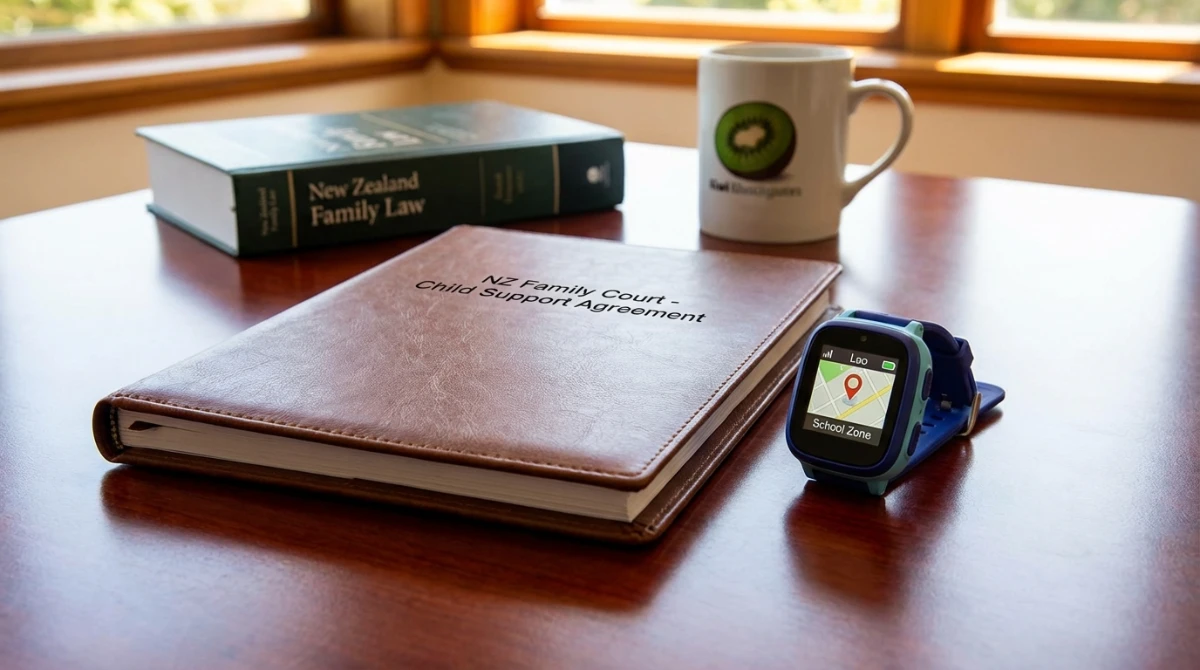
Under the Privacy Act, any entity (such as a device manufacturer or app provider) collecting data from a tracking device must ensure that the collection is for a lawful purpose and that the data is protected against unauthorized access. For parents, this means choosing devices that comply with NZ standards. Furthermore, in cases of shared custody or family court proceedings, the use of tracking devices can become a contentious issue. The New Zealand Family Court prioritizes the “best interests of the child,” and unilateral tracking by one parent without the other’s consent can sometimes be viewed as a breach of trust or even a form of digital monitoring that could impact custody arrangements.
Choosing the Right Tracking Devices for Kids NZ for Your Family
The market for tracking devices for kids nz is diverse, ranging from simple Bluetooth tags to sophisticated 4G-enabled smartwatches. Selecting the right device requires a balance between functionality, cost, and the specific needs of the child. In New Zealand, the geographic terrain and network coverage play a significant role in device efficacy.
- GPS Smartwatches: These are the most comprehensive options, offering real-time tracking, two-way voice calling, and SOS buttons. Brands like Spacetalk and Gizmo are popular in the NZ market because they support local SIM cards from providers like Spark, One NZ, and 2degrees.
- Bluetooth Trackers (e.g., Apple AirTags): Best for older children or for tracking school bags. They rely on a network of nearby devices to report location, making them highly effective in urban areas like Auckland, Wellington, or Christchurch, but less reliable in rural NZ.
- Dedicated GPS Loggers: These are often used for outdoor activities or for children with special needs who might remove a watch. They offer high precision but often require a monthly subscription fee for cellular data.
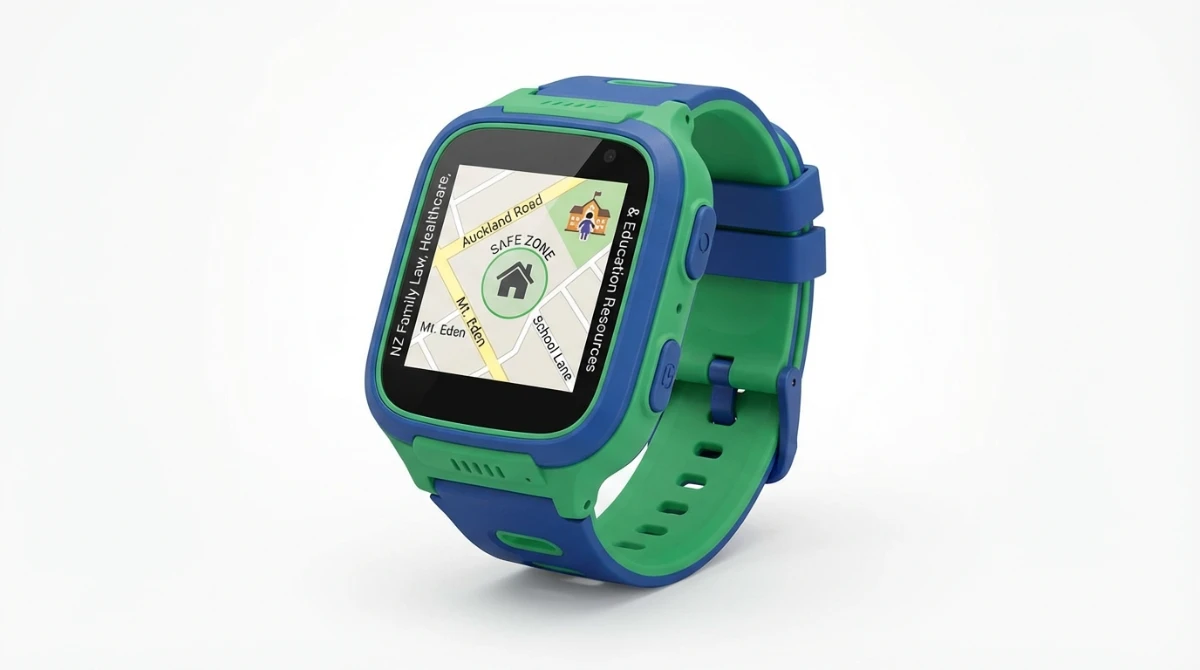
When evaluating these devices, parents should look for “Geofencing” capabilities. Geofencing allows parents to set virtual boundaries (e.g., around the school or home) and receive instant notifications if the child enters or leaves these zones. This feature is particularly useful for Kiwi families whose children walk or bike to school independently.
Educational Integration: Tracking Devices in New Zealand Schools
The Ministry of Education in New Zealand has specific guidelines regarding personal digital devices in schools. As of 2024, many NZ schools have implemented “away for the day” policies for mobile phones. However, tracking devices for kids nz in the form of smartwatches often occupy a grey area. Schools generally permit these devices if they are used solely for safety and have “School Mode” features enabled, which disable distractions like games or messaging during class hours.
According to the Ministry of Education’s digital tech guidelines, schools have the autonomy to set their own policies. Parents are encouraged to:
- Consult the school’s BYOD (Bring Your Own Device) policy before purchasing a tracker.
- Ensure the device has a dedicated “School Mode” that limits functionality to time-telling and emergency SOS during school hours.
- Discuss the use of the device with the classroom teacher to avoid any misunderstandings regarding classroom disruptions.

Healthcare Perspectives: Tracking for Neurodiverse Children
From a healthcare perspective, tracking devices for kids nz serve as a vital tool for families with children who have neurodiverse conditions, such as Autism Spectrum Disorder (ASD) or ADHD. Elopement or “wandering” is a significant safety concern for these families. The New Zealand healthcare system, including various disability support services, increasingly recognizes the role of technology in providing a safety net.
For children with ASD, a tracking device is not just a gadget; it is a life-saving medical necessity. Devices used in this context need to be durable, water-resistant (for the rugged NZ climate), and difficult for the child to remove accidentally. Healthcare providers often recommend devices that integrate with specialized apps that can store medical information or emergency contact details accessible via a QR code on the device.
Technical Specifications and Network Connectivity in NZ
New Zealand’s unique infrastructure affects the performance of tracking devices for kids nz. Unlike larger continents, NZ relies heavily on specific cellular bands. When importing a device or buying one locally, it is essential to ensure it supports the 700MHz (Band 28) frequency, which is crucial for deep indoor coverage and rural reach in New Zealand.
Battery life is another critical factor. A device that runs out of power by mid-afternoon is useless for after-school safety. Parents should prioritize devices with at least 24-48 hours of battery life under active GPS usage. Furthermore, the ingress protection (IP) rating is vital; an IP67 rating ensures the device can survive a splash in a puddle or a sudden New Zealand downpour.
Privacy and Data Security Protocols
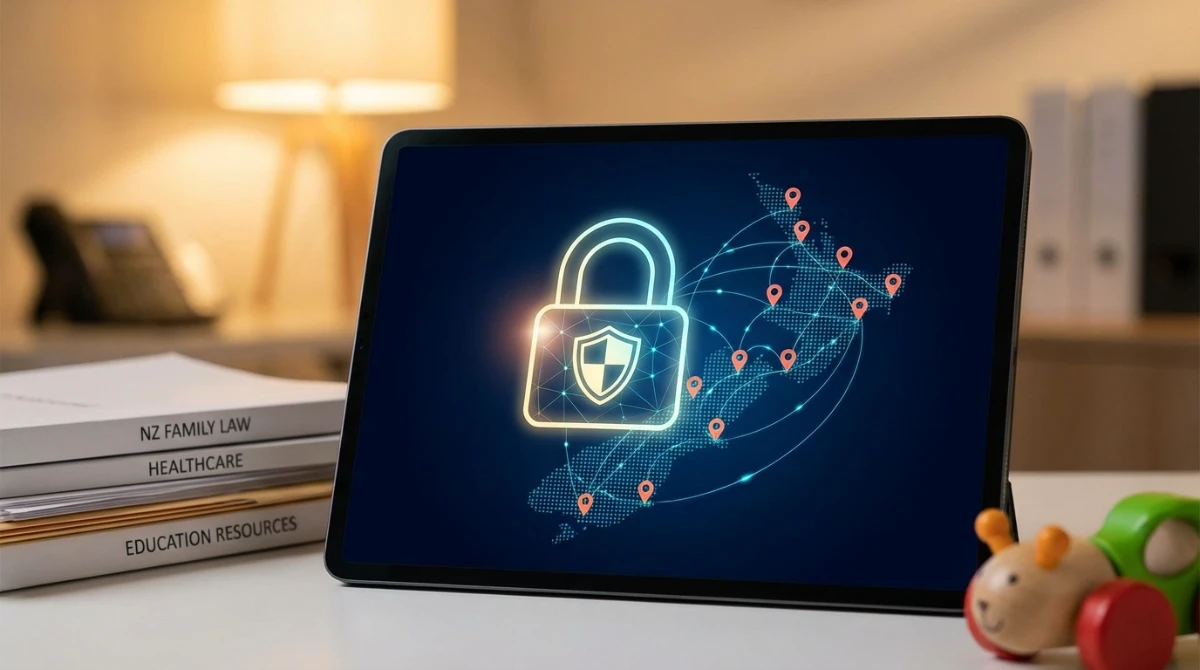
Data sovereignty and security are paramount when using tracking devices for kids nz. Parents must investigate where the data is stored. Many cheaper, off-brand trackers store data on unencrypted servers overseas, making them vulnerable to hacking. High-quality devices use end-to-end encryption and comply with international standards like GDPR or the NZ Privacy Act’s requirements for secure data storage.
Key security features to look for include:
- Two-Factor Authentication (2FA): Ensures that only authorized parents can access the tracking app.
- Data Encryption: Protects the location history from being intercepted by third parties.
- Whitelisted Contacts: A feature that only allows pre-approved phone numbers to call the child’s device, preventing spam or contact from strangers.
Conclusion and Key Takeaways
Integrating tracking devices for kids nz into your family’s safety plan is a proactive step that aligns with modern parenting needs in New Zealand. By understanding the legal implications under the Privacy Act, respecting educational boundaries in schools, and prioritizing high-quality technical specifications, parents can provide their children with greater freedom while maintaining peace of mind. Whether for a neurodiverse child requiring extra oversight or a young student starting to walk home alone in Wellington or Auckland, these devices represent a significant advancement in child welfare technology.
Key Takeaways for NZ Parents
- Legal Compliance: Always ensure device use aligns with the NZ Privacy Act 2020 and Family Court expectations.
- School Policies: Use devices with a “School Mode” and communicate with educators to ensure compliance with school rules.
- Network Compatibility: Verify that the device supports NZ cellular bands (specifically Band 28) for optimal coverage.
- Data Security: Choose reputable brands that offer encrypted data storage and 2FA.
- Special Needs: For neurodiverse children, prioritize durability and non-removable straps.