Est. Read Time: 9 mins | Last Updated: 22 December 2025 12:53 AM
Signs of ADHD in Toddlers NZ: Identifying Neurodiversity Early
Recognising the signs of ADHD in toddlers NZ parents frequently report include persistent patterns of extreme hyperactivity, an inability to focus on a single play activity for more than a few seconds, excessive impulsivity that leads to safety risks, and significant difficulty following simple instructions compared to their same-aged peers. While the ‘terrible twos’ are a rite of passage for many Kiwi families, ADHD symptoms are distinguished by their intensity and the way they interfere with a child’s ability to participate in early childhood education (ECE) settings like Te Whāriki-based kindergartens.

What are the signs of ADHD in toddlers NZ families should look for?
In the New Zealand context, we often look at how a child interacts with their environment. If your toddler is consistently ‘on the go’ as if driven by a motor, it may be more than just high energy.
Common behavioural markers include:
- Extreme Hyperactivity: Running or climbing excessively in situations where it is inappropriate, such as inside a doctor’s waiting room or during quiet time at playcentre.
- Impulsive Decisions: Bolting into the street without looking, even after multiple warnings, indicating a lack of inhibitory control.
- Inattentiveness: An inability to listen when spoken to directly, often appearing as though their mind is elsewhere, even during one-on-one interaction.
- Emotional Dysregulation: Meltdowns that are more frequent, intense, and harder to soothe than those of other children their age.
“Early identification is not about labelling a child, but about understanding their unique brain wiring to provide the right support at the right time within our NZ community.”
— Dr. Alistair MacKenzie
How is ADHD diagnosed in toddlers in NZ?
Navigating the healthcare system in Aotearoa can feel daunting. The process usually begins at your local General Practice (GP). Your doctor will rule out other factors like hearing issues or sleep apnoea.
The pathway typically follows these steps:
- Initial GP Consultation: Discussing your concerns and child’s developmental milestones.
- Referral: A referral to a Paediatrician through Te Whatu Ora (Health NZ) or a private specialist.
- Observation: Collecting feedback from ECE teachers who observe the child in a social, structured environment.
- Assessment: Comprehensive evaluation using standardized tools tailored for the New Zealand population.
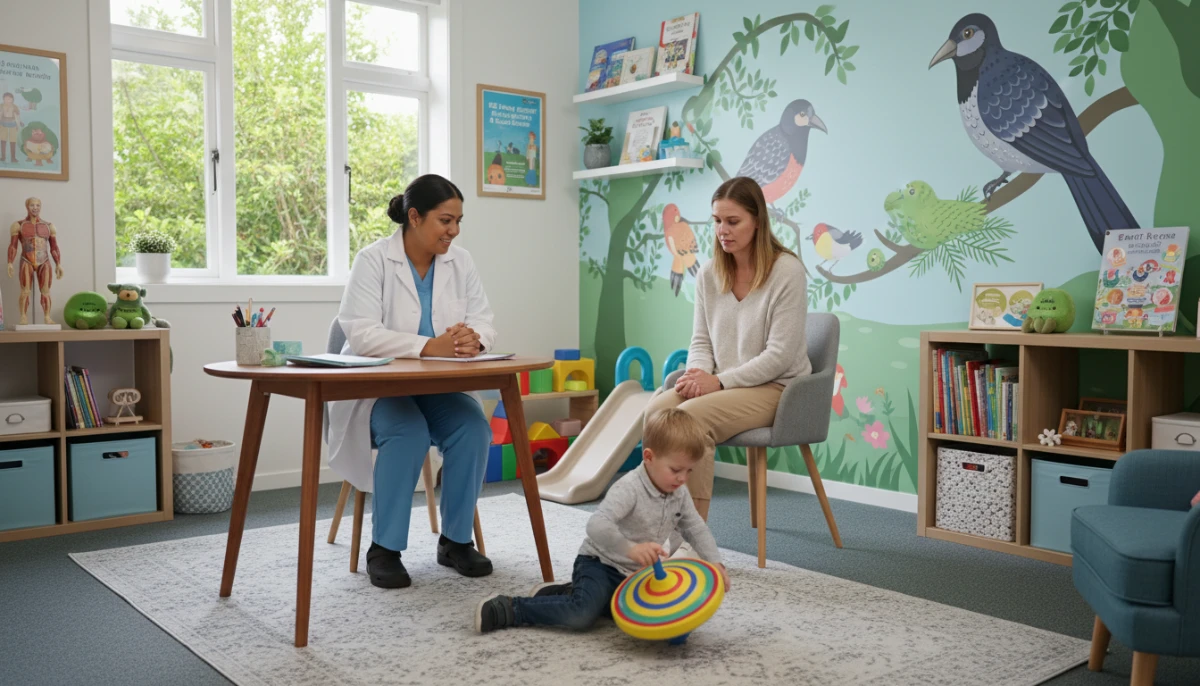
ADHD vs. Typical Toddler Development
It is crucial to distinguish between developmental stages and neurodivergence. All toddlers have short attention spans. However, a child with ADHD may be unable to focus even on activities they enjoy, such as watching a favourite show or playing with water.
In New Zealand, we look for ‘pervasiveness.’ This means the symptoms must appear in at least two settings—for example, at home and at daycare or during visits to the marae. If the behaviour only happens at home, it might be related to environmental factors rather than ADHD.
Consider the following comparison:
- Typical Behavior: A child gets excited and runs around but can stop when a reward is offered or a firm boundary is set.
- ADHD Signs: A child seems physically unable to stop moving, even when it results in personal injury or significant social distress.
Support for Toddlers in New Zealand Early Childhood Education
The Ministry of Education provides resources for children with additional needs. Under the Te Whāriki curriculum, the focus is on inclusive learning. If a teacher notices signs of ADHD, they may suggest an ‘Education Support Worker’ (ESW) to help the child engage with the curriculum safely.

Communication between parents and teachers is vital. Documenting specific instances where the child struggles with transitions can provide valuable evidence for future medical assessments. Kiwi teachers are often the first to notice if a child’s activity levels are significantly higher than the classroom average.
Practical Strategies for Kiwi Families
Managing the daily life of a toddler with ADHD traits requires patience and specific environmental adjustments. Here are some strategies that work well in a New Zealand home setting:
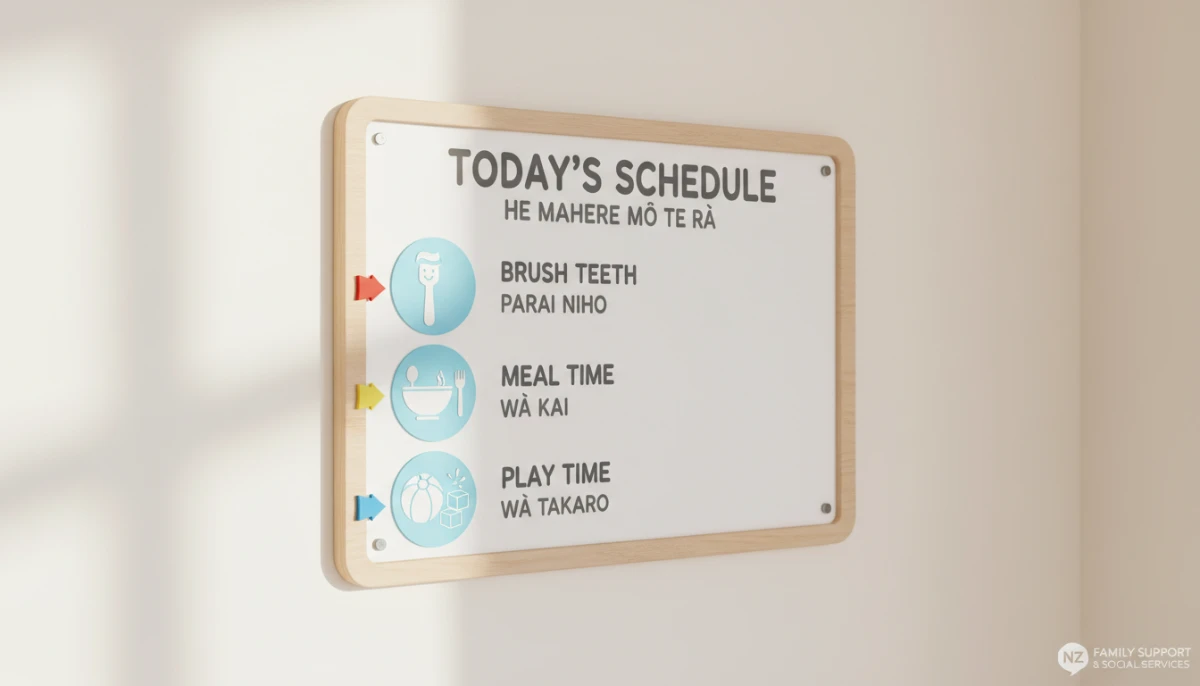
- Visual Schedules: Use pictures to show the day’s routine (breakfast, park, nap, dinner). This helps reduce anxiety around transitions.
- Heavy Work: Activities like pushing a toy pram or carrying small groceries can provide the sensory input many hyperactive toddlers crave.
- Safe Zones: Create a ‘calm down’ corner with soft cushions and low lighting where the child can go when they feel overwhelmed.
- Outdoor Play: Utilise our local NZ parks and beaches. Large motor activities are essential for burning off excess energy.
Expert Conclusion & Key Takeaways
Identifying the signs of ADHD in toddlers NZ is the first step toward empowering your child. While a formal diagnosis is rarely given before age four or five, early intervention strategies can significantly improve long-term outcomes for neurodivergent tamariki. By working closely with GPs, ECE teachers, and support organisations like ADHD New Zealand, families can ensure their children thrive in a supportive environment.
Key Takeaways for NZ Parents:
- Watch for Persistence: Symptoms must be consistent over 6 months and across different environments.
- Safety First: ADHD in toddlers often manifests as a significant lack of danger awareness.
- Start with your GP: The public healthcare system is the primary route for assessment in New Zealand.
- Focus on Strengths: ADHD also brings creativity, energy, and unique perspectives to your family.
- Seek Community: Connect with ADHD New Zealand for local support groups and resources.
About the Expert
Dr. Alistair MacKenzie is a clinical psychologist based in Auckland, New Zealand. With over 15 years of experience in paediatric neurodevelopment, Dr. MacKenzie specialises in supporting families navigating the complexities of ADHD and autism. He is a frequent contributor to NZ health journals and a passionate advocate for neuro-inclusive education policies.