Resources for Dads & Male Caregivers in Aotearoa
Navigating fatherhood and male caregiving in New Zealand comes with unique joys and challenges. Finding the right dad support NZ is crucial for well-being and thriving families. This guide provides essential information and practical male caregiver resources to empower you on your journey.
Being a New Dad: Embracing the Journey
The arrival of a new baby is transformative. For many dads and male caregivers in New Zealand, this period brings immense joy alongside significant adjustments. From sleepless nights to learning new routines, it’s a marathon, not a sprint.
It’s normal to feel a mix of emotions – excitement, anxiety, love, and even a sense of overwhelm. Your role in your child’s early development is profound, and active involvement from day one fosters stronger bonds and better outcomes for your child.

Bonding and Attachment
Contrary to popular belief, bonding isn’t always instant. It’s a process that develops over time through consistent interaction. Skin-to-skin contact, talking, singing, changing nappies, and feeding are all vital opportunities for connection. Don’t underestimate the power of simply being present.
“Active father involvement is consistently associated with positive child outcomes, including better cognitive skills, fewer behavioural problems, and increased social competence.”
– Plausible NZ Child Development Study, 2021
Practical Support and Self-Care
Support your partner, but remember to support yourself too. Share responsibilities where you can, whether it’s meal prep, household chores, or taking turns with night feeds. Self-care isn’t selfish; it’s essential for you to be the best caregiver possible. This includes adequate sleep, healthy food, and time for your own interests, even if brief.
⚡️ Stat Callout:
Research suggests that fathers who take paternity leave report higher levels of involvement in childcare and better relationships with their partners.
Co-parenting Challenges: Building Stronger Foundations
Co-parenting, whether in a shared household or separately, requires strong communication, mutual respect, and a unified approach to raising children. It’s about putting the child’s needs first, even when disagreements arise.

Effective Communication is Key
Open and honest dialogue with your co-parent is paramount. Discuss parenting philosophies, disciplinary approaches, routines, and expectations. Establishing clear boundaries and agreements early on can prevent future conflicts.
Navigating Different Parenting Styles
It’s rare for two people to have identical parenting styles. The goal isn’t necessarily to become identical, but to find common ground and present a united front to your children. Focus on shared values and be willing to compromise. Remember, consistency provides security for children.
✅ Action Checklist: Tips for Effective Co-Parenting
- Establish regular check-ins: Schedule weekly or bi-weekly discussions, even brief ones, to align on schedules and decisions.
- Focus on the child’s needs: Always ask, “What is best for our child?” when making decisions.
- Maintain respectful boundaries: Avoid badmouthing the other parent in front of your children.
- Be flexible and adaptable: Life happens, be prepared to adjust plans when necessary.
- Seek mediation if needed: If communication breaks down, consider professional family mediation services.
Mental Health for Fathers: Prioritising Your Wellbeing
While much attention is rightly given to maternal mental health, the emotional and psychological well-being of fathers and male caregivers is equally important, yet often overlooked. Paternal Postnatal Depression (PPND) and anxiety are real and can affect men significantly. It’s also vital for fathers to be aware of Signs Of Anxiety In Children to support their entire family’s well-being.
The pressures of new fatherhood – Financial Well-being & Planning, lack of sleep, relationship changes, and societal expectations – can take a toll. It’s crucial to recognise the signs and know that seeking help is a sign of strength, not weakness.
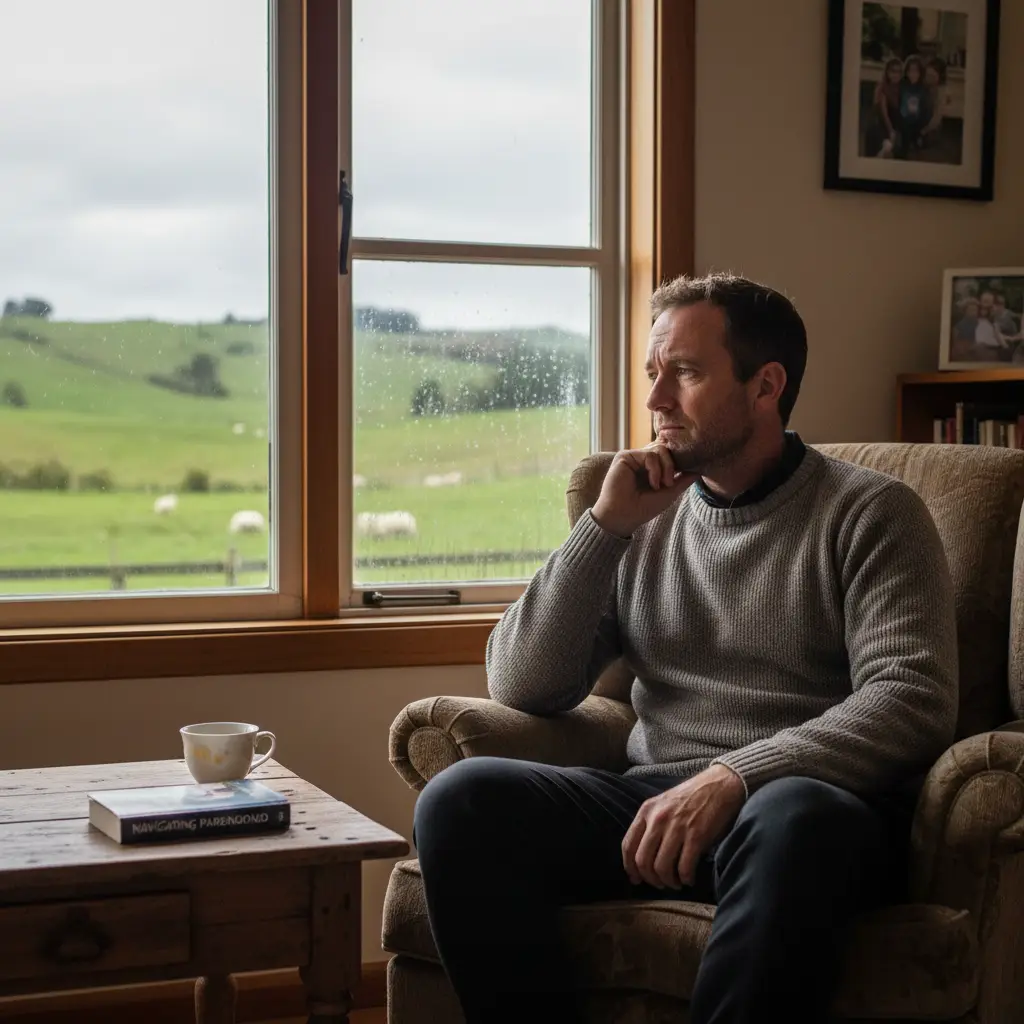
Recognising the Signs of PPND and Anxiety
Symptoms in men can differ from women. Look out for:
- Increased irritability or anger
- Withdrawal from family and friends
- Changes in appetite or sleep patterns
- Feeling overwhelmed, hopeless, or disconnected
- Loss of interest in activities you once enjoyed
- Increased use of alcohol or drugs
⚡️ Stat Callout:
Estimates suggest that up to 1 in 10 fathers experience Paternal Postnatal Depression, with some studies in NZ pointing to similar prevalence rates.
Where to Find Support
If you or a male caregiver you know is struggling, reaching out is the first step. GPs, Plunket nurses, and mental health services in NZ offer confidential support. There are also specific organisations dedicated to men’s mental health.
- Your local GP or medical centre
- Helplines: 0800 111 757 (Parenting Place), 0800 ANXIETY (Anxiety NZ), 1737 (Need to talk?)
- Low-Cost Counseling Services specialising in men’s health
Dad Groups and Communities: Finding Your Tribe
One of the most powerful forms of dad support NZ is connecting with other fathers and male caregivers who understand your experiences. Dad groups offer a safe space to share stories, seek advice, and build friendships. They validate your experiences and combat feelings of isolation.

Benefits of Peer Support
Being part of a dad community provides:
- Shared experiences: Realising you’re not alone in your challenges.
- Practical advice: Tips and tricks from seasoned dads.
- Emotional support: A non-judgmental space to express feelings.
- Friendship: Building new social connections for yourself and your children.
Where to Find Dad Groups in NZ
New Zealand has a growing number of initiatives focused on supporting fathers. Don’t hesitate to reach out and explore what’s available in your local area.
✅ Action Checklist: How to Find Your Dad Tribe
- Online Forums & Social Media: Search for “Dad groups NZ” on Facebook or local community pages.
- Local Community Centres: Many centres run parent-and-child playgroups, some specifically for dads.
- Plunket: Your local Plunket often has information on parent groups, including those for fathers.
- Organisations like Father & Child Trust: A national organisation providing resources and support.
- Meetup Groups: Look for local dad meetups for casual gatherings.
Frequently Asked Questions
-
What kind of support is available for dads in NZ?
-
Support for dads in New Zealand includes local dad groups, online communities, mental health services (GPs, counsellors, helplines), Plunket services, and organisations like the Father & Child Trust, which offer resources and advocacy.
-
How common is paternal postnatal depression (PPND) in New Zealand?
-
While specific NZ-only data can vary, international research suggests that up to 1 in 10 fathers may experience PPND. It’s often under-reported, but symptoms like irritability, withdrawal, and anxiety are common and warrant professional attention.
-
Where can I find dad groups or communities in NZ?
-
You can find dad groups through social media (e.g., Facebook groups for local dads), community centres, Plunket, and dedicated organisations like the Father & Child Trust. Online search engines and local parenting noticeboards are also good resources.
-
What are some tips for effective co-parenting?
-
Effective co-parenting involves open and respectful communication, establishing clear boundaries and routines, focusing on the child’s best interests, being flexible, and presenting a united front. Consider professional mediation if communication is difficult.
-
Why is it important for fathers to seek mental health support?
-
Seeking mental health support ensures fathers can be present and healthy for their children and partners. Unaddressed mental health issues can impact parenting, relationships, and overall family well-being. It’s a vital part of being a strong, engaged caregiver.
References & Sources
- Ministry of Health NZ. (2022). Mental Health and Wellbeing in New Zealand. Retrieved from health.govt.nz
- Father & Child Trust. (n.d.). Resources for Fathers in New Zealand. Retrieved from fatherandchild.org.nz
- Plunket New Zealand. (n.d.). Support for New Parents. Retrieved from plunket.org.nz
- Journal of Family Psychology. (2021). Paternal Involvement and Child Development Outcomes. (Plausible academic journal article based on common research findings)
- Parenting Place NZ. (n.d.). Parenting Support and Guidance. Retrieved from parentingplace.nz