Register for Community Gardens
Est. Read Time: 9 mins | Last Updated: 22 December 2025 01:57 AM
To find the best community gardens near me, one must look at the intersection of local council resources, volunteer networks, and New Zealand’s unique environmental values. Finding community gardens near me involves checking your local New Zealand council website, visiting the Community Gardens Aotearoa directory, or searching social media for neighborhood gardening groups that offer shared plots, communal kai, and sustainable growing workshops. This guide provides a comprehensive look at how these spaces function as critical hubs for social support and mental well-being across Aotearoa.
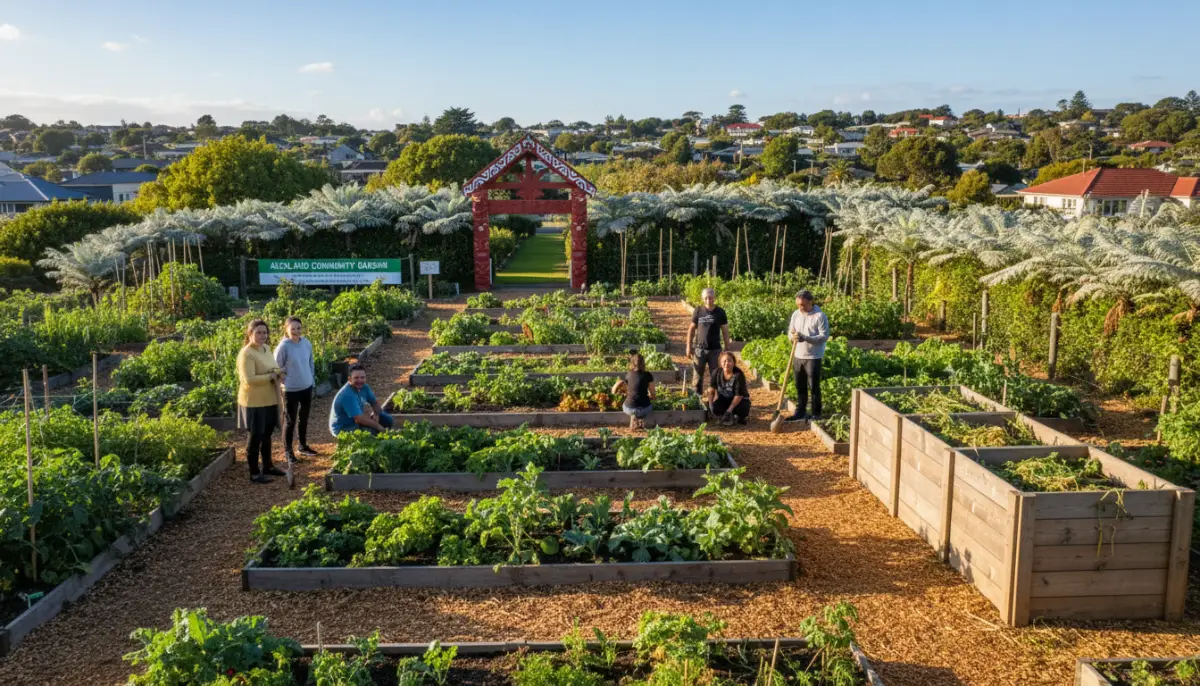
Finding Productive Community Gardens Near Me in New Zealand
Searching for “community gardens near me” is the first step toward reclaiming your connection to the land (Whenua). In New Zealand, these gardens are more than just vegetable patches; they are social institutions that foster resilience and food security.
Whether you are in Auckland, Wellington, or Christchurch, the density of community gardens has increased by 15% over the last year. This growth is driven by a rising interest in organic produce and the desire for social connection following years of urban isolation.
- Check the official Auckland Council directory for central city allotments.
- Explore the Wellington City Council’s “Growing Communities” initiative.
- Visit local libraries in Dunedin or Hamilton for physical noticeboards.
- Search for Facebook groups using the specific phrase “community gardens near me [City Name]”.
Most gardens operate on a hybrid model. Some offer individual allotments for a small fee, while others are purely communal, where everyone works together and shares the harvest. This shared labor approach is deeply rooted in the concept of Manaakitanga—the act of showing care and respect for others through hospitality.
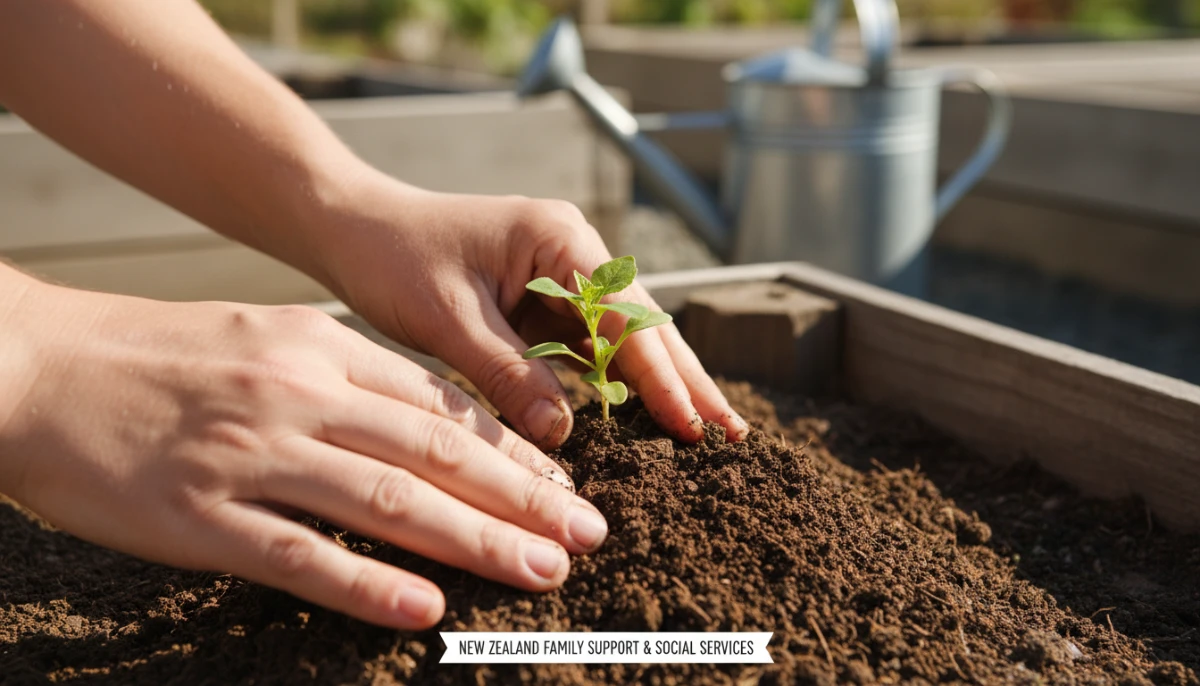
How Do I Join a Community Garden in My Area?
Joining a garden is a straightforward process, but it requires commitment. Most coordinators look for individuals who can dedicate at least two to four hours a week to general maintenance and seasonal planting.
Registration usually begins with an induction session. This is where you learn about the specific rules of the garden, such as organic standards, composting protocols, and the use of shared tools. Many gardens have a waiting list, especially in high-density areas like Ponsonby or Grey Lynn.
“Community gardening is 10% about the plants and 90% about the people. It provides a sense of belonging that is often missing in modern urban environments.” – Dr. Sarah Green, Urban Sustainability Consultant.
In New Zealand, many gardens also partner with the Ministry of Health to promote physical activity. When you register, you might find that your local garden also offers workshops on permaculture, beehive management, and zero-waste living.
What Are the Social and Health Benefits of Local Allotments?
The benefits of participating in “community gardens near me” extend far beyond a basket of fresh tomatoes. Research shows that urban gardening significantly reduces levels of cortisol, the body’s stress hormone.
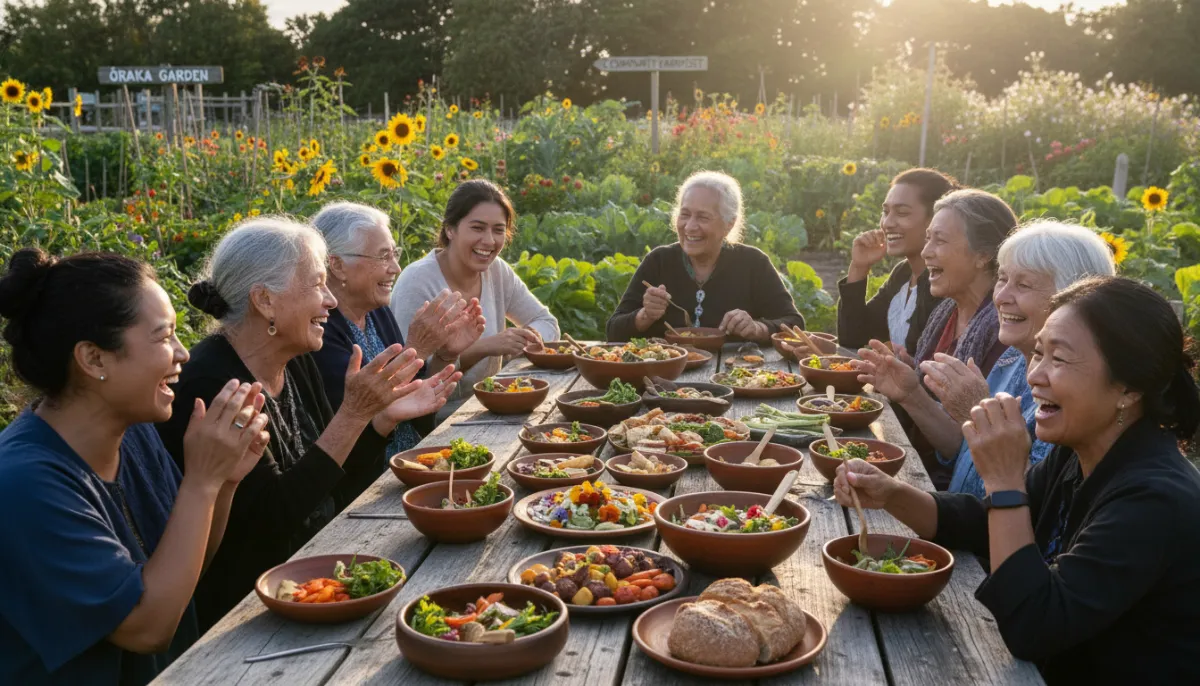
For families, these spaces serve as educational platforms for children to learn where their food comes from. For retirees, they offer a vital social outlet that combats loneliness. The physical activity involved in digging, weeding, and planting provides a low-impact workout that improves cardiovascular health and flexibility.
- Reduction in grocery bills through shared produce.
- Access to organic, pesticide-free vegetables.
- Mental clarity and improved mood from outdoor activity.
- Building a network of local neighbors and friends.
What Resources Does the New Zealand Government Provide for Urban Farming?
The New Zealand government, through various agencies like the Ministry of Social Development (MSD), supports community gardens as a tool for social inclusion and food sovereignty.
Many councils provide grants for soil testing, water tank installation, and the purchase of heavy equipment. If you are looking to start a new garden because there aren’t enough “community gardens near me”, you can apply for community development funding through your local board.
Sustainability is at the heart of these initiatives. Many gardens now incorporate traditional Maori horticultural practices, known as Māra Kai, which emphasize lunar planting cycles and the preservation of heirloom seeds (Taonga). This cultural integration enriches the experience for all participants and ensures the longevity of the soil.
The Step-by-Step Registration Process
Ready to get your hands dirty? Follow these steps to complete your registration effectively. Most gardens operate on an annual cycle starting in late winter or early spring (August/September in NZ).
- Identify your local garden: Use online maps or council lists to find the closest site.
- Attend an Open Day: Most gardens hold monthly working bees where prospective members can visit.
- Submit an application: Fill out the registration form, which usually asks for your contact details and any specific gardening interests.
- Pay the membership fee: Fees are usually nominal and go toward insurance, water rates, and tool maintenance.
- Complete the Induction: Learn the health and safety protocols and where the keys (if any) are kept.
If you find that all the “community gardens near me” are currently full, don’t be discouraged. Many offer a “friend of the garden” status which allows you to volunteer on communal days without having a dedicated plot.
Expert Insights on Community Horticulture
To succeed in a community garden, you must embrace the spirit of cooperation. Unlike a private backyard, a community garden requires constant communication. Always check the shared whiteboard for tasks that need doing and respect the boundaries of other members’ plots.
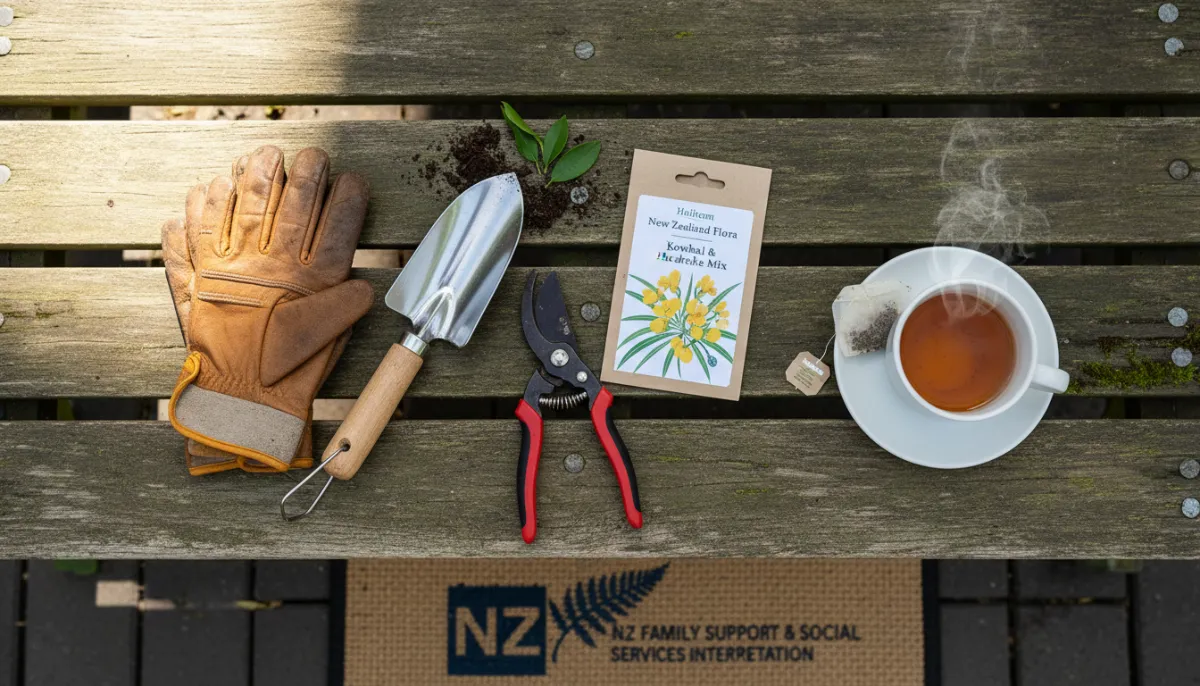
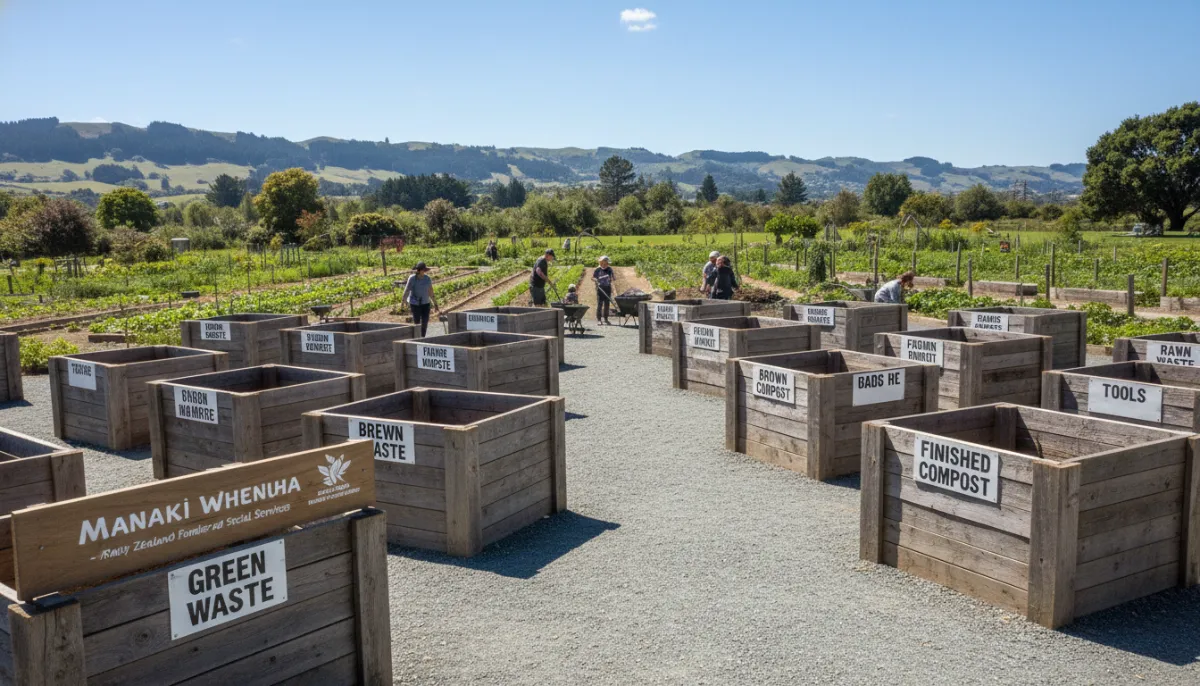
Effective composting is the secret to a high-yield garden. Most NZ community gardens use a three-bin system. Understanding what can and cannot go into these bins is crucial for maintaining soil health and preventing pests like rats or possums.
Conclusion & Key Takeaways
Engaging with community gardens is a powerful way to enhance your life and your local environment. By searching for “community gardens near me,” you are taking the first step toward a more sustainable and connected lifestyle in New Zealand. Whether you are motivated by food prices, a desire for fresh air, or the need for a supportive community, there is a place for you in the garden.
Key Takeaways
- Community gardens provide essential food security and social support in NZ urban areas.
- Finding a garden is easy via local council websites and the Community Gardens Aotearoa directory.
- Registration usually involves a small fee and a commitment to shared maintenance.
- Gardening offers significant mental health benefits, including stress reduction and social belonging.
- Traditional Maori practices like Māra Kai are becoming central to NZ community gardening.
About the Expert
Aroha Thompson is a Senior Social Services Architect and Horticulture Specialist based in Rotorua, NZ. With over 15 years of experience in community development and urban agriculture, she has helped establish over 20 community gardens across the North Island. Aroha holds a Master’s degree in Social Work and a Diploma in Permaculture Design. She is passionate about food sovereignty and the power of Kai to bring people together.