Reading Recovery Programs Explained
Est. Read Time: 9 mins | Last Updated: 22 December 2025 01:23 AM
Reading recovery NZ is a highly effective, short-term intervention designed for six-year-old children who struggle with literacy after their first year of primary education. Developed by New Zealand educator Marie Clay, this programme provides intensive one-on-one support to ensure that every Kiwi child has the opportunity to reach the average reading level of their peers. For decades, it has served as a cornerstone of the New Zealand primary school system, helping thousands of learners gain confidence in their phonetic and comprehension abilities.
Understanding Reading Recovery NZ: A Vital Literacy Pillar
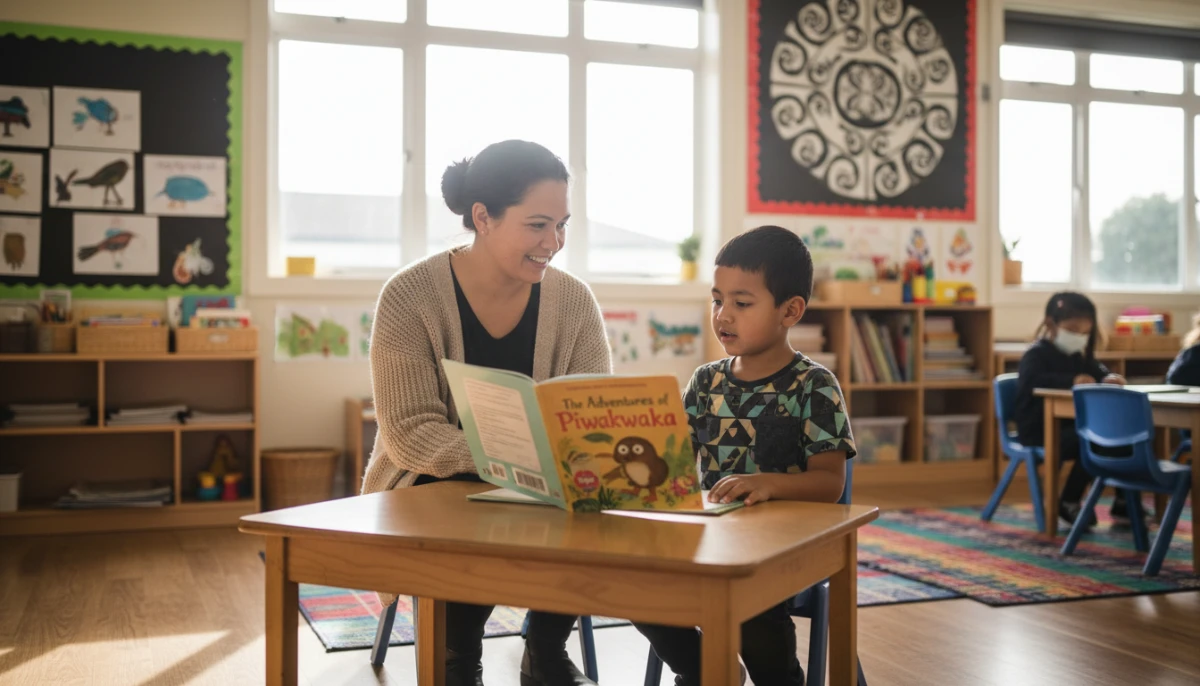
The core of reading recovery NZ involves daily, 30-minute individual lessons tailored specifically to the child’s needs. Unlike group-based interventions, this bespoke approach allows the specialist teacher to identify exact gaps in the learner’s knowledge.
A typical session includes reading familiar books, a running record of a new book introduced the previous day, and letter identification. The teacher monitors the student’s progress with surgical precision, ensuring the transition from emergent reading to fluency is seamless and sustainable.
“The goal of Reading Recovery is not just to teach a child to read, but to help them develop a self-extending system where they learn from the act of reading itself.”
— Dame Marie Clay, Founder
- Daily 30-minute intensive sessions.
- One-on-one interaction with a specially trained teacher.
- Focus on both reading fluency and writing skills.
- Regular assessment via running records.
How the Programme Operates in NZ Schools
The Ministry of Education (MoE) provides funding and guidance for reading recovery NZ across the country. It is typically delivered by experienced teachers who have undergone a rigorous year-long training programme. This ensures that the quality of instruction remains high, adhering to the complex psychological principles of early literacy acquisition.
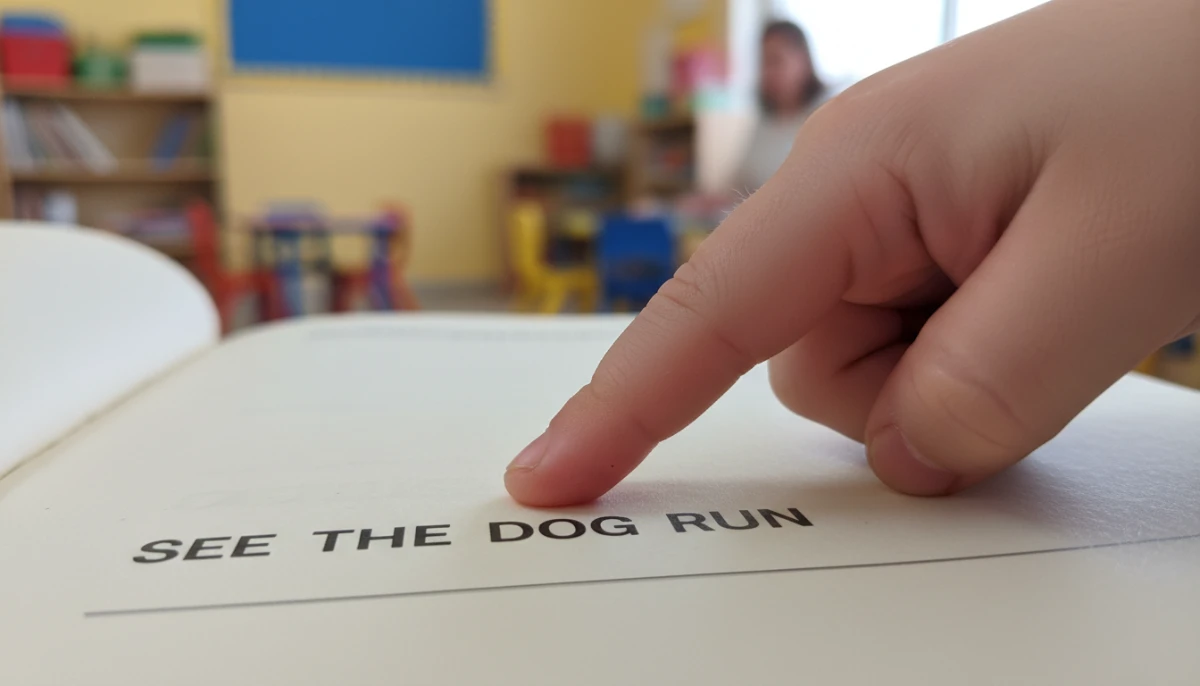
In New Zealand, schools often prioritise students based on a ‘Six-Year Net’ assessment. This assessment happens shortly after the child’s sixth birthday. Those who fall into the lowest achievement bracket are recommended for the programme. This early intervention strategy prevents long-term educational disadvantage, particularly for those in vulnerable communities.
You can find more detailed information on current funding models on the Ministry of Education website or the University of Auckland’s Reading Recovery page.
Reading Recovery vs. Structured Literacy
In recent years, the New Zealand educational landscape has seen a vigorous debate between traditional balanced literacy approaches and Structured Literacy. While reading recovery NZ has historically followed a whole-language or balanced approach, many modern iterations are integrating more explicit phonetic instruction.
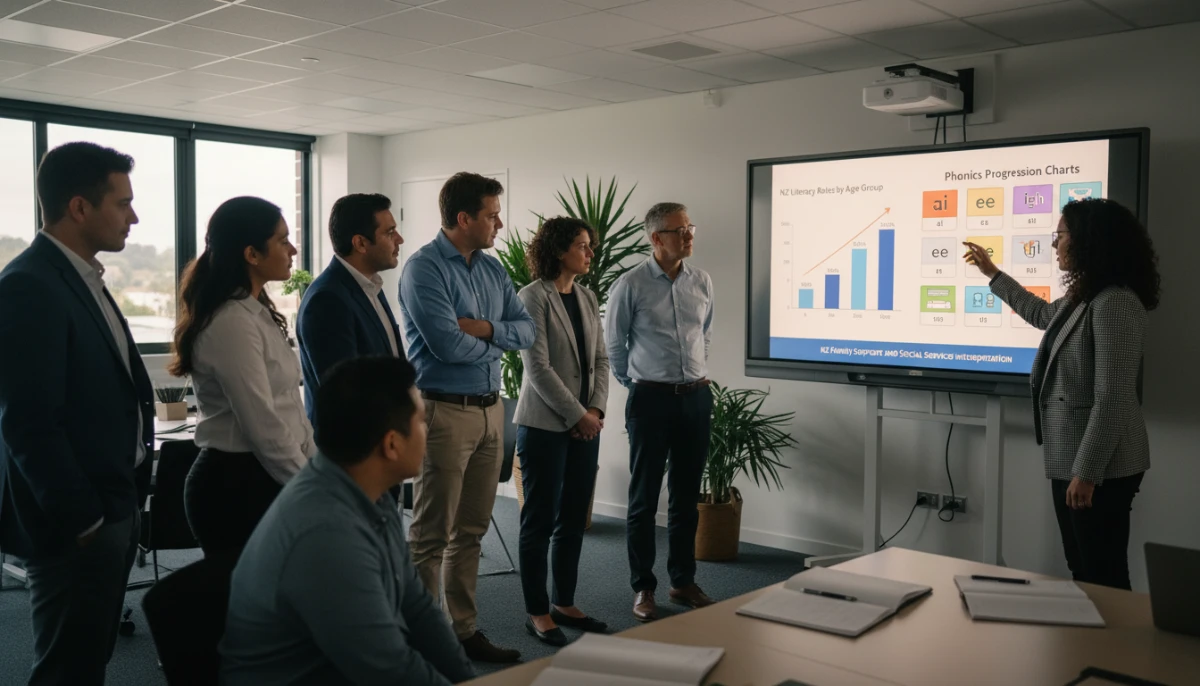
Structured Literacy focuses on the ‘science of reading,’ emphasizing phonological awareness and decoding skills. Many NZ schools are now adopting a ‘hybrid’ model, where the intensive one-on-one nature of Reading Recovery is used alongside structured phonetic tools to provide a more robust safety net for learners.
- Phonological Awareness: Recognising sounds in spoken language.
- Decoding: Translating printed words into sounds.
- Vocabulary: Expanding the range of known words.
- Comprehension: Understanding the deeper meaning of text.
Frequently Asked Questions
What is the reading recovery program in NZ?
It is a Tier 2/3 literacy intervention funded by the Ministry of Education. It targets the bottom 15-20% of six-year-olds who have not made expected progress in their first year of schooling. The programme typically lasts between 12 to 20 weeks.
Is reading recovery still used in NZ schools?
Yes, it remains a vital part of the literacy landscape. While some schools have moved towards ‘Better Start Literacy’ or other Structured Literacy approaches, Reading Recovery continues to be supported as an option for intensive intervention in many regions.
How do I get my child into reading recovery NZ?
Entry is not usually through parent request but through school-led assessment. If you are concerned about your child’s progress, speak to their classroom teacher or the school’s Special Education Needs Coordinator (SENCO) once the child turns six.
Conclusion
Reading recovery NZ has long been a beacon of hope for Kiwi learners struggling with the complexities of the English language. By providing bespoke, intensive, and professional support at a critical developmental stage, the programme ensures that every child, regardless of their starting point, has a path toward literacy success. As the educational curriculum evolves, these interventions will continue to adapt, ensuring that no child is left behind in the journey to becoming a fluent reader.
Key Takeaways
- Targeted Support: Specifically for six-year-olds needing an extra boost.
- Expert Delivery: Conducted by highly trained specialist teachers.
- Proven Track Record: Developed in NZ and used globally for decades.
- Collaborative: Success depends on the school, the home environment, and the student’s engagement.
About the Expert
Aroha Thompson is a Senior Educational Consultant based in Auckland, NZ. With over 20 years of experience in primary education and literacy intervention, she has helped hundreds of schools implement effective reading recovery NZ strategies. She holds a Master’s degree in Education from the University of Waikato and is a frequent contributor to NZ educational journals.