Public Holiday Dates NZ Schools
Est. Read Time: 9 mins | Last Updated: 22 December 2025 12:41 AM
Navigating the complexity of public holiday dates nz schools is essential for parents, educators, and social service providers across Aotearoa to ensure seamless childcare and service delivery. The primary public holiday dates for NZ schools in 2026 include Waitangi Day, Good Friday, Easter Monday, ANZAC Day observed, King’s Birthday, Matariki, and Labour Day, alongside specific regional anniversary days that vary according to the province of the educational institution.

2026 Public Holiday Dates NZ Schools
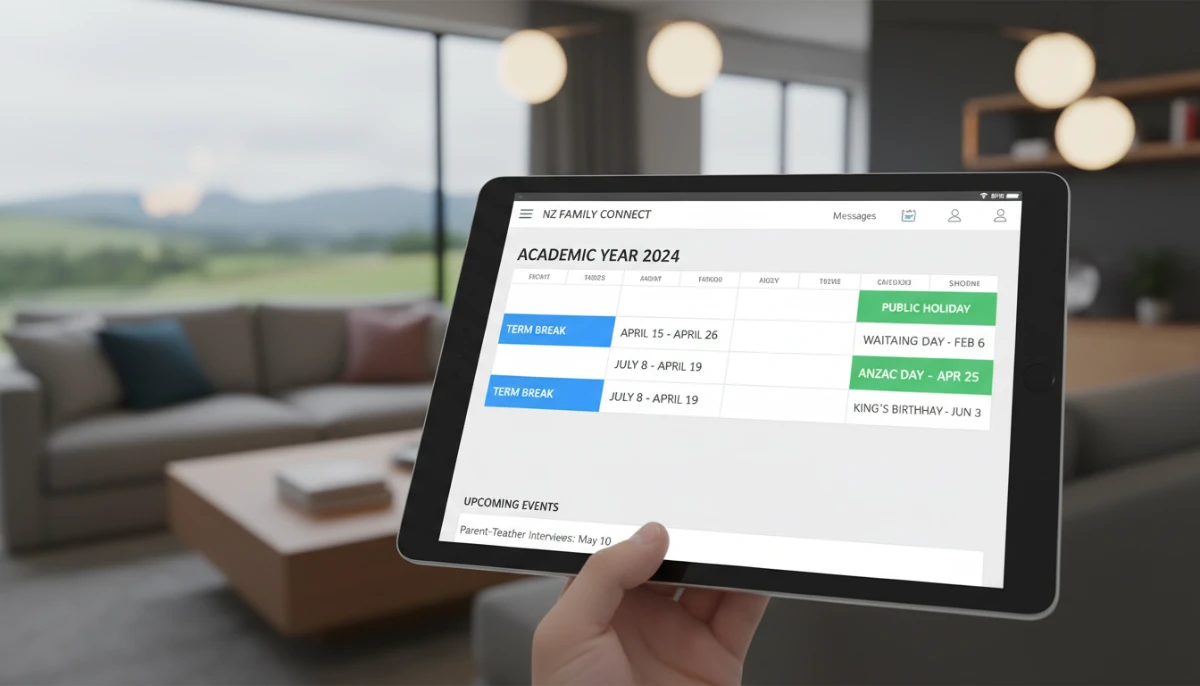
Planning for the academic year requires a precise understanding of the public holiday dates nz schools operate under. These dates are mandated by the Ministry of Education and the Holidays Act 2003. For the 2026 calendar year, the sequence of statutory breaks provides several opportunities for long weekends, which significantly impacts family support scheduling and social service availability.
- Waitangi Day: Friday 6 February 2026
- Good Friday: Friday 3 April 2026
- Easter Monday: Monday 6 April 2026
- ANZAC Day: Saturday 25 April 2026 (Observed Monday 27 April)
- King’s Birthday: Monday 1 June 2026
- Matariki: Friday 10 July 2026
- Labour Day: Monday 26 October 2025
It is important to note that schools must be open for a specific number of half-days each year. When a public holiday falls during the term, it reduces the number of operational days, requiring careful curriculum management. For more information on official requirements, visit the Ministry of Education (MoE) website.

Regional Anniversary Days and Variations
In addition to national holidays, public holiday dates nz schools must account for regional anniversary days. These dates celebrate the founding of specific provinces and result in school closures within those specific regions only. This creates a staggered holiday schedule across the country, which can be confusing for families moving between districts or for social services operating on a national scale.
Auckland and Northland schools typically observe their anniversary on the Monday closest to January 29th, while Wellington schools observe theirs on the Monday closest to January 22nd. Because these often fall during the summer break, they may not impact term time, but others like Taranaki Anniversary (March) or Canterbury Anniversary (November) certainly do.
“Public holidays in the school calendar are not just days off; they are cultural touchstones that require precise planning for integrated family support services to ensure no child is left without care during transitions,” says Sarah Jenkins, Lead Coordinator at NZ Family Reach.

Impact on Social Services and Family Support
The interpretation of public holiday dates nz schools is a critical task for social service providers. When schools close, the demand for community-based childcare and family support surges. Vulnerable families who rely on school-provided lunches or after-school care programs must find alternatives during these periods.
Interpretation services for migrant families also see a peak in demand. Explaining why schools are closed for Matariki or Waitangi Day involves more than just translating dates; it involves explaining the cultural significance of these holidays within the New Zealand context. Effective social service delivery ensures that interpretation is accessible, culturally sensitive, and timely.
- Childcare subsidy adjustments for statutory holidays.
- Respite care availability for families with high-needs children.
- Community center operational hours during long weekends.
- Emergency social service hotlines during the Easter break.
How Term Dates Interact with Statutory Holidays
Understanding the interaction between term dates and public holiday dates nz schools is vital for long-term planning. Typically, the New Zealand school year is divided into four terms. If a public holiday like ANZAC Day falls on a weekend, the following Monday is observed as a holiday if it would otherwise be a school day.
Teacher Only Days are often scheduled around these public holidays to create extended breaks for staff training. While these are not public holidays, they result in school closures for students. Parents should check their specific school’s newsletter in conjunction with the national Government public holiday listings to avoid unexpected childcare gaps.
When are the public holiday dates for NZ schools in 2026?
As detailed above, the primary dates include Waitangi Day (Feb 6), the Easter break (April 3-6), Anzac Day observed (April 27), King’s Birthday (June 1), Matariki (July 10), and Labour Day (Oct 26). These dates are fixed across all state and state-integrated schools.
Do NZ schools close for regional anniversary days?
Yes. Schools are required to close for the observance of their province’s anniversary. If you are in Christchurch, you will have a holiday for Show Day (Canterbury Anniversary), whereas schools in Dunedin will observe Otago Anniversary.
How do school holidays align with NZ public holidays?
Public holidays often serve as the “anchors” for term breaks. For instance, the transition between Term 1 and Term 2 often coincides with the Easter and ANZAC Day period. If a holiday falls during the school holidays, the school does not ‘make up’ the day during term time.
Key Takeaways
- Plan Ahead: 2026 features several Friday and Monday holidays, perfect for family travel but requiring childcare coordination.
- Regional Matters: Always check your local provincial anniversary date as it differs from the national schedule.
- Social Support: Services often operate on reduced hours during these dates; ensure essential support is booked early.
- Cultural Context: Holidays like Matariki and Waitangi Day are significant for local history and school curriculum.
About the Expert
Dr. Alistair Graham is a Senior Education Policy Analyst based in Wellington, New Zealand. With over 15 years of experience in educational logistics and social service interpretation, Dr. Graham provides consultancy for government agencies on school calendar optimization and family support integration. He holds a PhD in Educational Leadership from the University of Auckland.