Prescription Subsidy Rules: Navigating the Prescription Subsidy NZ System
Est. Read Time: 10 mins | Last Updated: 22 December 2025 01:33 AM
Navigating the healthcare landscape in Aotearoa can be complex, but understanding the prescription subsidy nz system is essential for every household looking to manage their medical expenses effectively. The prescription subsidy scheme is designed to help high-use individuals and families by capping the total cost of government-subsidised medicines to 20 items per year, after which further items are generally free of charge for the remainder of the subsidy period.
Understanding the Prescription Subsidy NZ Scheme
The New Zealand healthcare model, overseen by Te Whatu Ora and the Ministry of Health, prioritises accessibility for all citizens and permanent residents. The primary mechanism for reducing out-of-pocket costs is the Prescription Subsidy Card (PSC).

This scheme ensures that once a person or family reaches a specific threshold of prescription items, the financial burden is lifted. This is particularly vital for those managing chronic conditions or long-term illnesses requiring multiple medications monthly.
“The prescription subsidy remains a cornerstone of New Zealand’s commitment to equitable healthcare, ensuring that those with the highest health needs are not financially penalised for their condition.” — NZ Health Policy Review
- Reduces the cost of subsidised medicines.
- Automatically tracked at most community pharmacies.
- Applicable to families and individuals.
- Resets annually on the 1st of February.
How many prescriptions do I need for the subsidy?
To benefit from the prescription subsidy nz, you or your family unit must have collected 20 subsidised prescription items within the ‘subsidy year’. This year always runs from 1 February to 31 January.
It is important to note that the “20 items” rule applies to the number of individual medicine lines, not just the number of visits to the pharmacy. If you receive three different medications in one visit, that counts as three items toward your total of 20.
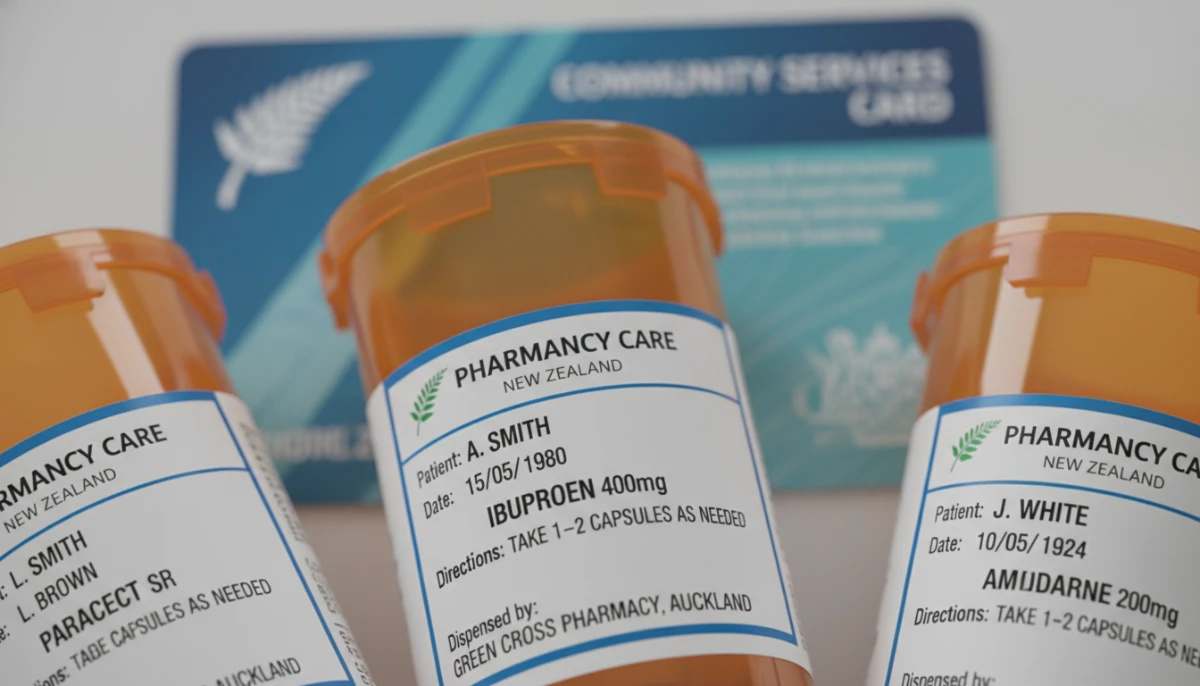
Once you hit the threshold, your pharmacist will register your Prescription Subsidy Card electronically. From that point until the following 31 January, you will not have to pay the standard $5 co-payment on further subsidised items prescribed by your GP or public hospital prescriber.
Does the $5 co-payment still apply in 2025?
As of late 2025, the landscape of the $5 co-payment has seen several adjustments due to shifts in government fiscal policy. While there were periods where the co-payment was abolished for most, current rules require a standard $5 charge for most adults for items prescribed by private specialists or certain non-GMS (General Medical Services) funded providers.
The prescription subsidy nz acts as a safety net. For families who do not hold a Community Services Card, these $5 charges can add up. However, the subsidy scheme guarantees that no family pays for more than 20 charges per year for medicines listed on the PHARMAC schedule.
- Standard prescriptions: $5 co-payment applies toward the 20-item count.
- Children under 14: Generally free (do not count toward the 20 items as they don’t pay).
- CSC Holders: Often have reduced or zero co-payments depending on the current budget cycle.
Eligibility Rules and Family Groupings
One of the most powerful features of the prescription subsidy nz is the ability to group family members. A ‘family’ for the purposes of the subsidy includes you, your partner, and any dependent children under the age of 18 who are living at home.

By grouping your family, the items collected by every member contribute to the same 20-item threshold. This is a significant advantage for larger families or those with multiple children requiring seasonal treatments.
You should ensure that your pharmacist has linked all family members in their computer system. If you use multiple pharmacies, it is wise to keep your receipts and manually inform your primary pharmacist of items collected elsewhere to ensure your count is accurate.
How to apply for a Prescription Subsidy Card
In the modern digital age, you rarely need to fill out a paper application for the prescription subsidy nz. The system is largely automated via the Integrated Community Pharmacy Services Agreement (ICPSA) framework.
When you reach your 20th item, the pharmacy’s software generates a notification. The pharmacist then issues the card or, more commonly, records the PSC number in your electronic record. This information is shared with Te Whatu Ora (Health New Zealand).

If you have been using multiple pharmacies and believe you have reached the threshold but haven’t been notified, you can request a printout of your dispensing history. For official enquiries, you may visit the Ministry of Health website or consult Te Whatu Ora for regional specifics.
Expert Conclusion and Key Takeaways
Managing healthcare costs in New Zealand is significantly easier when you leverage the prescription subsidy nz. By understanding how the 20-item threshold works and ensuring your family is grouped together at your local pharmacy, you can save hundreds of dollars annually.
Always communicate with your pharmacist. They are your best resource for tracking your progress toward the subsidy and ensuring you are not paying more than necessary for your essential medications.
Key Takeaways
- The subsidy year runs from 1 February to 31 January.
- You need 20 subsidised items to qualify for the Prescription Subsidy Card.
- Families can combine their item counts to reach the threshold faster.
- Items for children under 14 are usually free and don’t count toward the threshold.
- Tracking is automatic at most pharmacies, but keep receipts if you use multiple locations.
About the Expert
Alistair Graham is a Senior Health Policy Analyst with over 15 years of experience in the New Zealand public health sector. He specialises in patient advocacy and navigating the Te Whatu Ora funding frameworks. Alistair has consulted for various NGO health providers across the North and South Islands, focusing on making health services more accessible for Kiwi families.