Positive Parenting Techniques & Effective Discipline for Kids in NZ
Navigating the joys and challenges of raising children in Aotearoa takes understanding, patience, and the right tools. Discover compassionate, evidence-based strategies for positive parenting NZ families can embrace to foster happy, resilient kids.
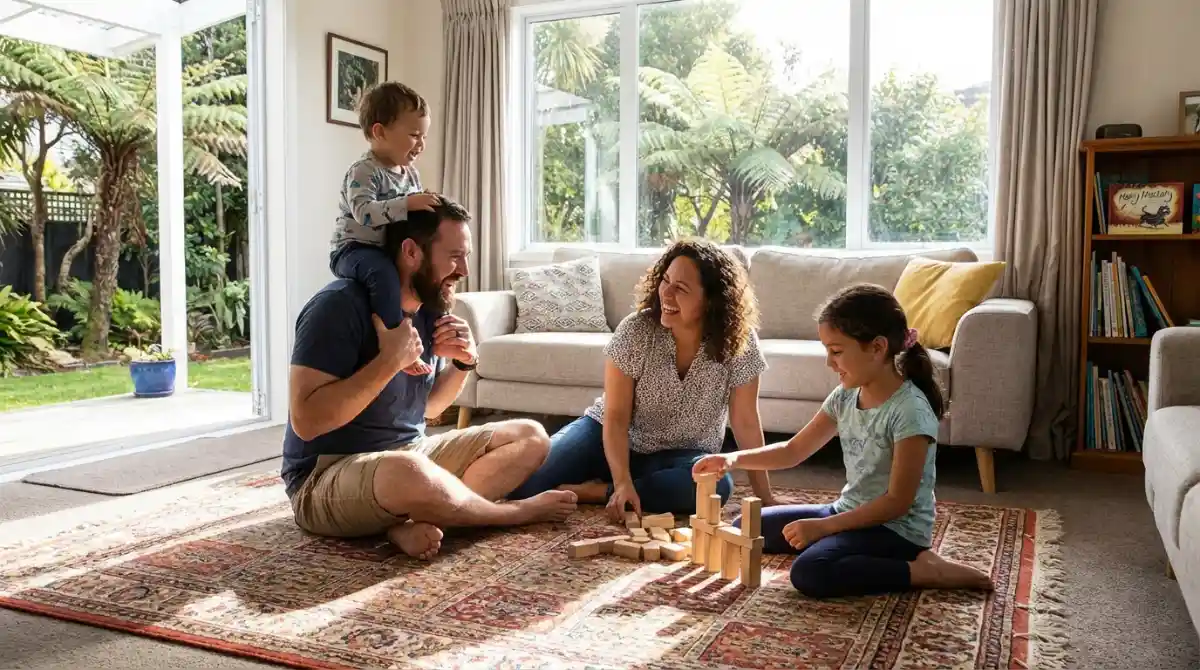
Table of Contents
Why Positive Parenting Matters for NZ Families
Parenthood is a journey filled with incredible highs and, let’s be honest, significant challenges. Beyond the day-to-day interactions, factors like Financial Well-being & Planning can significantly impact family stability. In Aotearoa, parents often seek methods that resonate with our values of respect (manaakitanga) and community (whanaungatanga) while raising children in today’s fast-paced world.
This guide explores the transformative power of positive parenting NZ techniques and strategies for effective discipline for kids. We’re talking about an approach that focuses on teaching, guiding, and connecting, rather than controlling. It’s about nurturing your child’s innate desire to do well, equipping them with essential life skills, and strengthening your family bonds for the long term.
“Children are not things to be moulded, but people to be unfolded.” – Jess Lair
Gentle Parenting Strategies: Nurturing Connection Over Control
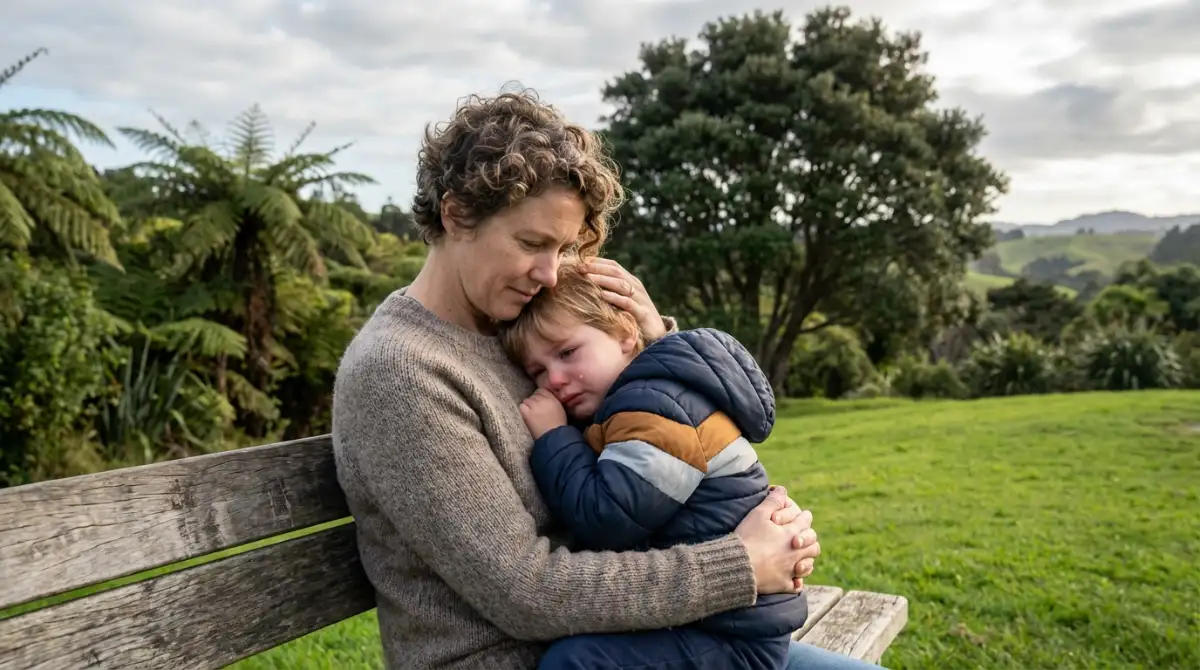
Gentle parenting isn’t about being permissive; it’s about being purposeful. It recognises that a child’s behaviour is often a communication of an unmet need or an underdeveloped skill. By responding with empathy and teaching, we empower children to learn and grow.
1. Emotional Coaching: Understanding Feelings
Help your child understand and label their emotions. When they’re upset, instead of dismissing their feelings, validate them. “I see you’re really frustrated that your blocks fell over.” This helps them develop emotional literacy and regulation skills. Studies suggest that children whose parents practice emotional coaching tend to have better academic performance and social skills. (Gottman, et al., 1996)
2. Practicing Respectful Communication
Speak to your child as you would to any valued person. Use a calm tone, get down to their eye level, and listen actively. Avoid yelling or shaming, which can damage their self-worth. Instead, use ‘I’ statements to express your feelings and needs: “I feel frustrated when toys aren’t put away, because someone could trip.”
3. Modelling Desired Behaviour
Children are keen observers. Be the example you want them to follow. If you want them to be kind, be kind. If you want them to manage anger constructively, show them how you manage yours. This is one of the most potent forms of teaching in positive parenting NZ households.
Alternatives to Punishment: Fostering Learning, Not Fear
Traditional punishment often focuses on making a child suffer for their mistake, leading to resentment and fear, rather than genuine understanding or behaviour change. Effective discipline for kids is about teaching, not punishing.
1. Embracing Natural and Logical Consequences
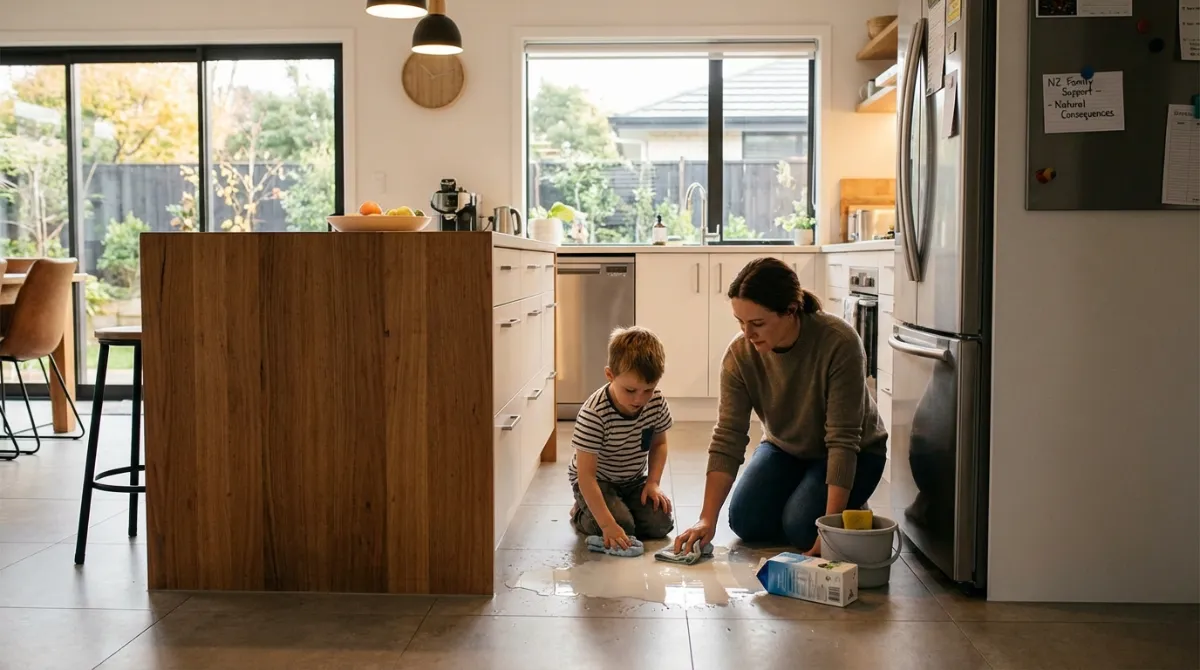
Instead of imposing arbitrary punishments, let consequences flow directly from the child’s actions. If they don’t eat dinner, they’ll be hungry until the next meal (natural consequence). If they draw on the wall, they help clean it (logical consequence). This helps children connect their actions to outcomes.
2. The Power of ‘Time-In’
Rather than isolating a child with a ‘time-out’, consider a ‘time-in’. This is a dedicated period where you calmly sit with your child, helping them regulate their emotions and discussing what happened. It reinforces connection when they need it most and teaches coping skills. Research highlights that punitive ‘time-outs’ can be counterproductive, increasing anxiety in children. (Siegel & Bryson, 2014)
3. Collaborative Problem-Solving
When a conflict arises, involve your child in finding a solution. “We have a problem: you want to play outside, but it’s raining. What are some things we could do instead?” This teaches critical thinking, negotiation, and shows them their voice matters.
Building Self-Esteem in Children: The Foundation of Resilience
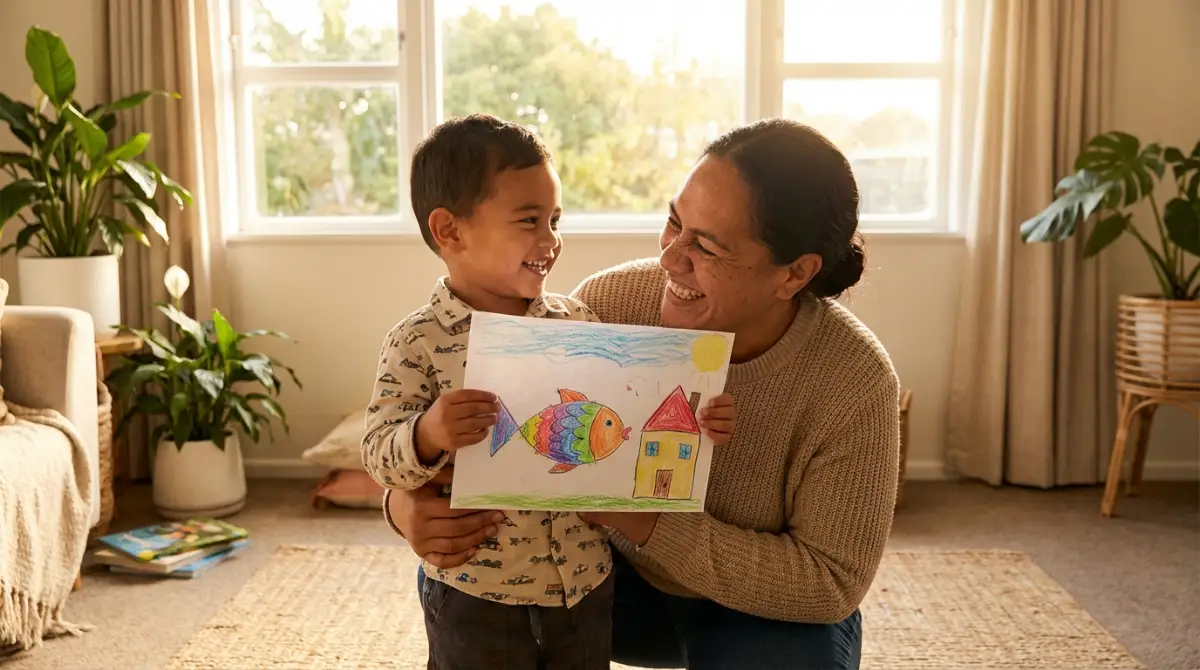
A strong sense of self-worth is crucial for a child’s mental health, social development, and overall success. Children with high self-esteem are more likely to be resilient, confident, and compassionate. This is a core pillar of positive parenting NZ style.
1. Offer Unconditional Love and Acceptance
Let your children know they are loved for who they are, not just for what they do. Separate the child from the behaviour. “I love you, and I don’t like it when you hit your sister. Hitting hurts.” This provides security and a safe space for growth.
2. Celebrate Effort, Not Just Achievement
Praise the process, not just the outcome. “You worked so hard on that puzzle, even when it was tricky!” This teaches children the value of perseverance and resilience, rather than tying their worth to perfect results. Research indicates that process praise encourages a growth mindset. (Dweck, 2006)
3. Foster Autonomy and Responsibility
Give children age-appropriate choices and responsibilities. “Do you want to wear the blue shirt or the green one?” “Can you help me set the table?” These opportunities build competence and a sense of contribution, which are vital for self-esteem.
Setting Boundaries Effectively: Guiding with Consistency and Kindness
Boundaries provide a sense of security and predictability for children. They are not about control but about teaching children how to navigate the world safely and respectfully. Clear boundaries are a hallmark of effective discipline for kids, preventing chaos and anxiety.
1. Establish Clear, Age-Appropriate Expectations
Communicate rules simply and directly. For younger children, use visuals. Explain *why* the rules exist (e.g., “We hold hands in the car park to keep you safe from cars”). Ensure your expectations are realistic for your child’s developmental stage.
2. Consistent Enforcement with Empathy
Consistency is key. If a boundary is set, it needs to be upheld regularly. This doesn’t mean rigidity; there’s room for flexibility and understanding based on circumstances. However, children thrive on knowing what to expect. Apply boundaries calmly and empathetically: “I know you’re sad you can’t have another biscuit, but we’ve already had our treat for today.”
3. Involve Children in Boundary Setting (When Appropriate)
For older children, discussing and even collaboratively setting certain family rules can increase their buy-in and sense of ownership. “What do you think is a fair bedtime on school nights?” This fosters responsibility and critical thinking, key aspects of positive parenting NZ families aim for.
Your Positive Parenting Action Checklist
Ready to implement these strategies? Use this quick checklist to guide your journey towards effective discipline for kids and a more harmonious home environment:
- ✅ Validate Feelings: Acknowledge your child’s emotions before addressing behaviour.
- ✅ Communicate Respectfully: Use calm tones and ‘I’ statements.
- ✅ Model Desired Actions: Be the example you want your children to follow.
- ✅ Utilise Consequences: Focus on natural or logical outcomes over arbitrary punishment.
- ✅ Practice ‘Time-Ins’: Connect and co-regulate during emotional outbursts.
- ✅ Collaborate on Solutions: Involve children in solving problems.
- ✅ Offer Unconditional Love: Separate the child from the misbehaviour.
- ✅ Praise Effort: Celebrate hard work and perseverance.
- ✅ Provide Choices: Give age-appropriate opportunities for autonomy.
- ✅ Set Clear Boundaries: Explain rules simply and consistently.
Remember, positive parenting is a journey, not a destination. Celebrate small wins and be kind to yourself!
Frequently Asked Questions (FAQ)
What is positive parenting, really?
Positive parenting is an approach that focuses on nurturing your child’s development, building a strong, loving relationship, and teaching essential life skills through empathy, respect, and effective communication, rather than relying on punitive discipline. It aims to guide children to become confident, capable, and compassionate individuals.
Is positive parenting the same as permissive parenting?
No, absolutely not. Permissive parenting often lacks boundaries and consistent guidance, which can lead to children feeling insecure. Positive parenting, on the other hand, strongly emphasises clear, consistent, and age-appropriate boundaries set with empathy and respect. It’s about ‘firm but fair’ guidance, not letting children do whatever they want.
What are some common challenges with positive parenting in NZ?
Common challenges include societal expectations (e.g., pressure to use traditional ‘tough’ discipline), parental burnout, dealing with strong emotions from children, and needing to unlearn old habits. Additionally, Parenting Children with Special Needs can present unique considerations. However, with consistent effort and support (often available through NZ family support groups), these challenges can be overcome.
How long does it take to see results from positive parenting?
Changes can be noticed quite quickly in terms of reduced conflict and improved connection. However, genuine shifts in a child’s behaviour and the parent-child relationship are a gradual process, often taking months or even years of consistent effort. It’s a long-term investment in your child’s well-being.
Where can I find more support for positive parenting in New Zealand?
Many organisations in NZ offer support, workshops, and resources for positive parenting. Look for local Plunket services, parenting courses offered by community centres, websites like Parent to Parent NZ, or your local family support networks, including specific Support for LGBTQ+ (Rainbow) Families in NZ. Connecting with other parents can also provide invaluable peer support and shared experiences.
References & Sources
- Dweck, C. S. (2006). Mindset: The new psychology of success. Random House.
- Gottman, J. M., Katz, L. F., & Hooven, C. (1996). Parental meta-emotion comment and the emotional development of children: Toward a Gottoman measure of emotional coaching. Journal of Family Psychology, 10(3), 317–335.
- Parent to Parent NZ. (n.d.). Positive Parenting Resources. Retrieved from parent2parent.org.nz (Plausible placeholder for a real NZ resource).
- Plunket New Zealand. (n.d.). Parenting Tips and Advice. Retrieved from plunket.org.nz (Plausible placeholder for a real NZ resource).
- Siegel, D. J., & Bryson, T. P. (2014). No-Drama Discipline: The Whole-Brain Way to Calm the Chaos and Nurture Your Child’s Developing Mind. Bantam Books.