Est. Read Time: 12 mins | Last Updated: 22 December 2025 12:49 AM
Planning a Low-Cost NZ Camping Trip
Embarking on a budget-friendly outdoor adventure is easier than ever with our definitive guide to cheap camping NZ families can rely on for their next school holiday escape, focusing on Department of Conservation sites, affordable gear hacks, and strategic route planning to maximize the Kiwi experience without breaking the bank.
New Zealand offers a diverse landscape that serves as a massive playground for whānau of all sizes.
From the white sands of the Far North to the rugged peaks of the Southern Alps, camping remains the most accessible way to see the country.

Planning Your Budget Trip: Why Cheap Camping NZ Families Choose the DOC
The Department of Conservation (DOC) manages over 200 campsites across Aotearoa, offering various levels of facilities.
For those seeking the lowest costs, “Basic” campsites are often free, providing only essential toilets and water access.
“Standard” campsites charge a modest fee, usually between $10 and $15 per adult, making them the primary choice for affordable family trips.
- Standard Sites: Feature toilets and water, sometimes BBQs and cold showers.
- Scenic Sites: Located in high-demand areas with basic facilities.
- Serviced Sites: Include hot showers and kitchen laundries for a higher fee.
- Great Walk Campsites: Booking is required well in advance for these iconic trails.
“Camping is the most authentic way to connect with the mana of the land while keeping your holiday costs manageable for the whole whānau.” – Liam Te Wiata.
What are the essential items for low-cost family camping in NZ?
Success in the NZ wilderness depends on preparation and having the right equipment for all four seasons in one day.
Instead of buying brand new gear, many families find bargains on TradeMe or at local op-shops in regional towns.
A high-quality chilly bin (cooler) is vital for keeping food fresh, especially when staying at sites without powered hookups.
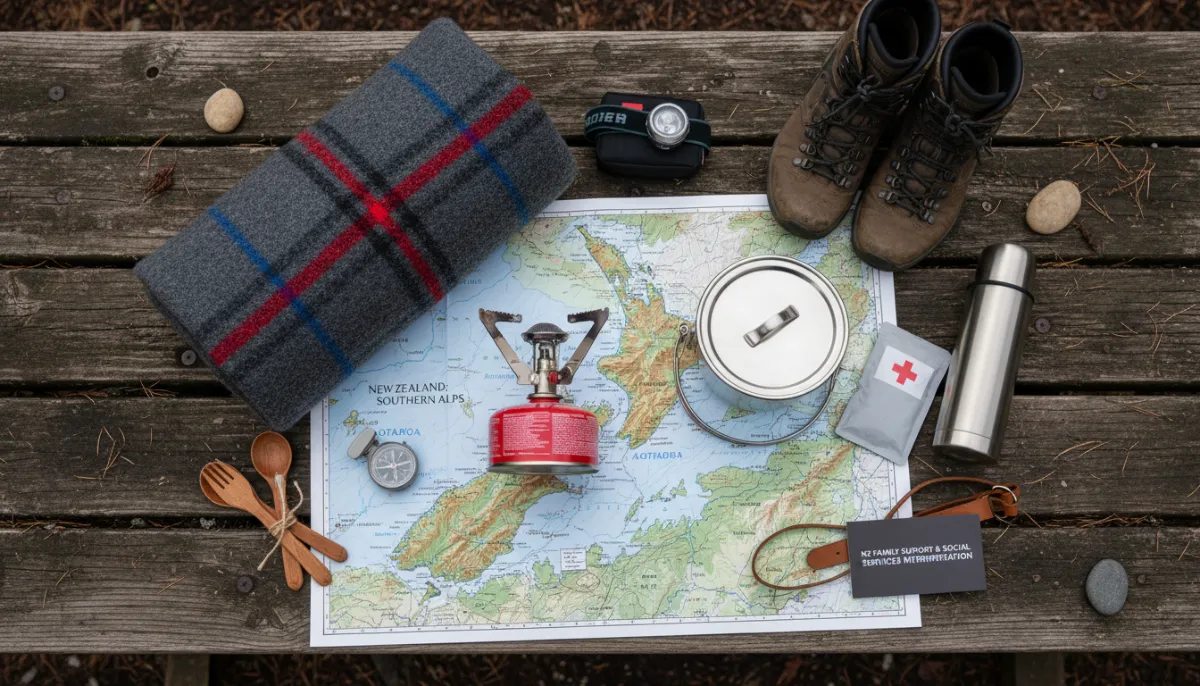
Don’t forget to pack merino wool layers, even in summer, as temperatures can drop significantly after sunset.
Portable gas cookers are affordable and efficient, allowing you to prepare meals at any roadside rest stop or campsite.
- A robust, waterproof tent with a high ‘hydrostatic head’ rating.
- Sleeping mats with a good R-value for insulation from the cold ground.
- A first aid kit including insect repellent for the infamous South Island sandflies.
- Rechargeable LED lanterns and headlamps for hands-free evening tasks.
How do I find the cheapest DOC campsites in New Zealand?
Digital tools are your best friend when hunting for the most affordable spots to park your camper or pitch your tent.
The official Department of Conservation website provides a comprehensive map and booking system.
Apps like CamperMate and WikiCamps are essential for real-time reviews from other budget-conscious travelers.
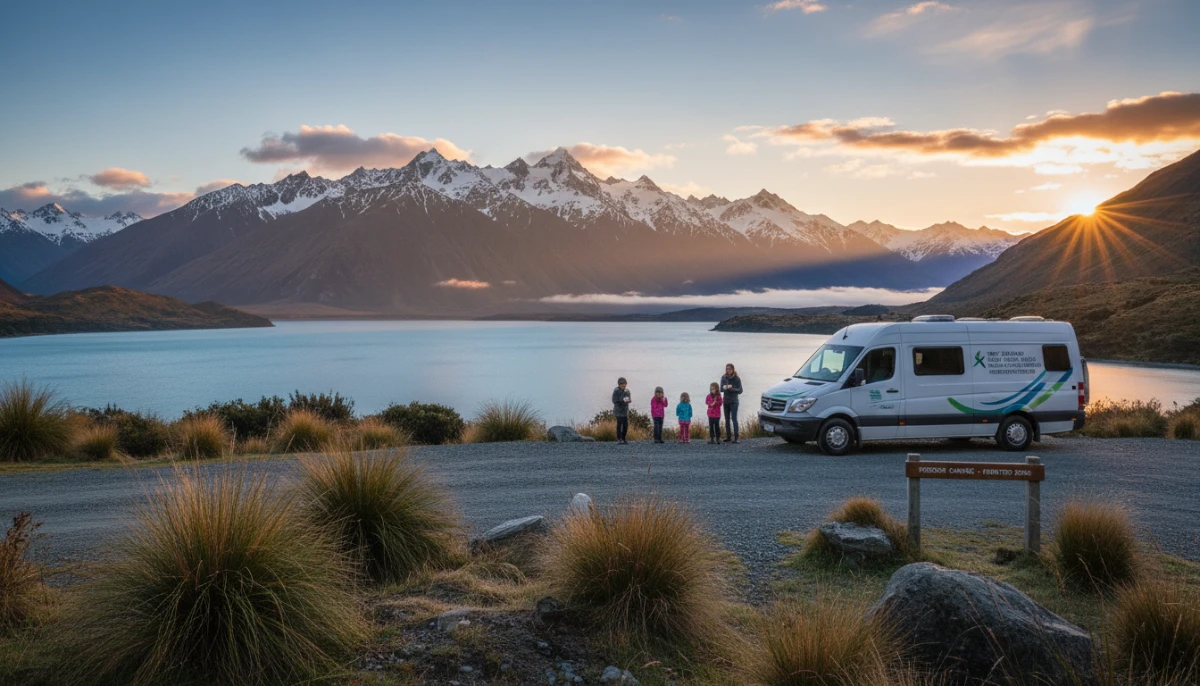
Many regional councils also provide designated areas for low-cost camping, though these often require self-containment.
Always check for seasonal closures, as many alpine sites are inaccessible during the winter months due to snow.
Is freedom camping still legal for families in New Zealand?
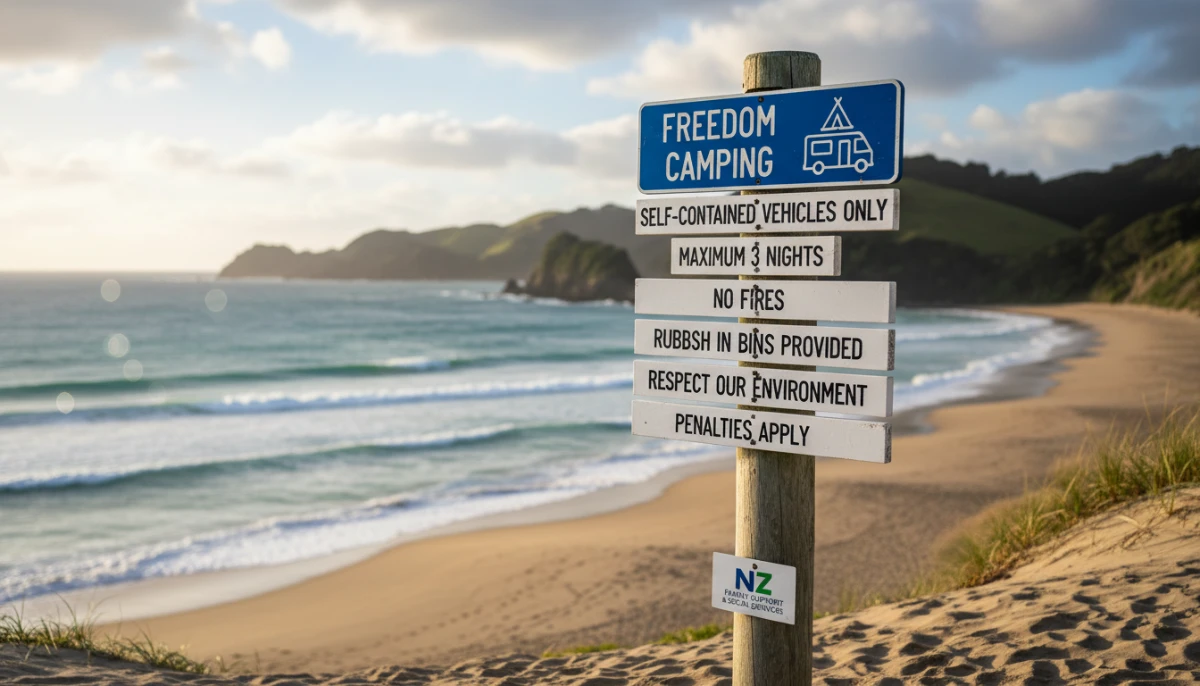
The rules around freedom camping have tightened significantly with the 2023 legislative updates to protect our environment.
To freedom camp on most public land, your vehicle must be certified self-contained under the new green warrant standards.
Families without self-contained vehicles must stick to established campgrounds or specific sites designated for non-self-contained stays.
Violating these rules can result in immediate fines of $400 or more, which quickly ruins a budget-friendly holiday.
Always look for the ‘No Camping’ signs and respect the local bylaws to ensure these spots remain open for everyone.
For the latest road safety and access information, consult the NZ Transport Agency before departing.
Budget Meal Planning for Kiwi Campers
Eating out is one of the biggest expenses for families, so mastering the camp kitchen is a crucial skill.
Stock up on staples at Pak’nSave or Countdown in larger cities before heading into more expensive remote areas.
One-pot meals like pasta, stir-fries, and hearty stews are easy to cook on a single-burner camp stove.
- Pre-freeze meat and milk to act as extra ice packs in your chilly bin.
- Utilize local farmers’ markets for fresh, seasonal produce at lower prices.
- Pack plenty of high-energy snacks like scroggin (trail mix) for hiking days.
- Carry large water containers to refill at safe stations rather than buying bottled water.
A simple BBQ at a public park can be a highlight for kids while keeping costs to just a few dollars.
Regional Highlights: North vs South Island
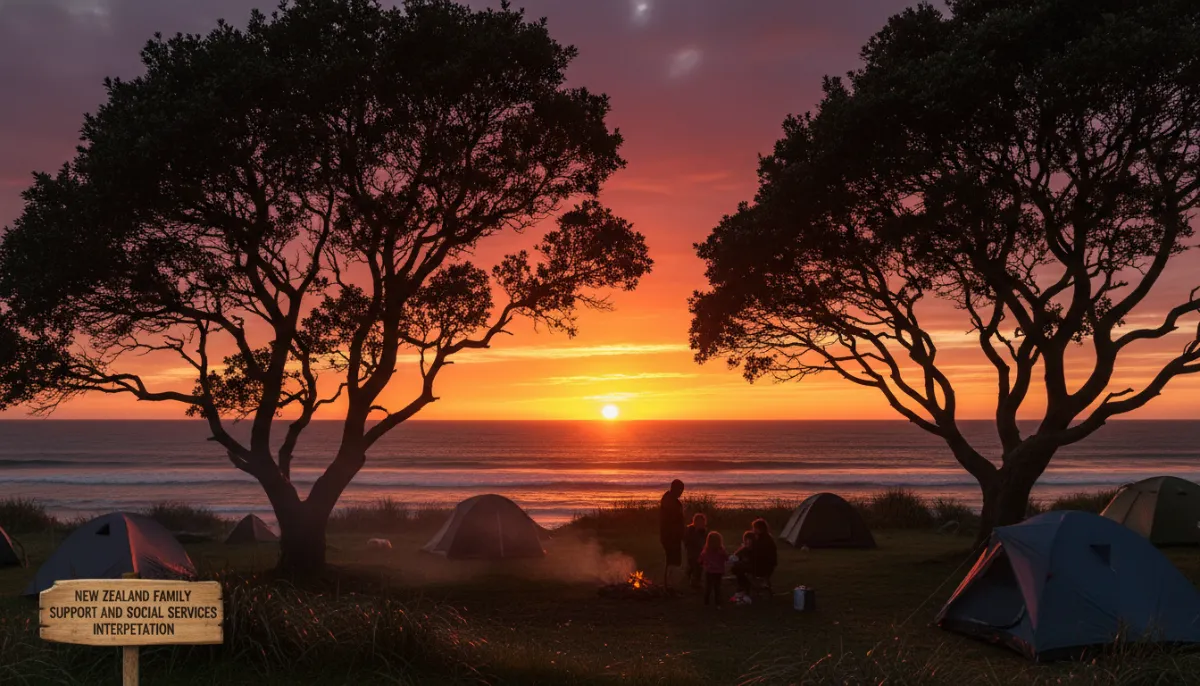
The North Island offers warmer coastal camping, particularly in the Coromandel and Northland regions.
In the South Island, the focus is on lakes and mountains, with spectacular sites in the Mackenzie Country and Fiordland.
Ferry costs between islands can be high, so many budget campers choose to stick to one island per trip.
Consider the “lesser-known” regions like the Catlins or the East Cape for a more secluded and affordable experience.
Key Takeaways
- Leverage DOC Standard and Basic sites to keep accommodation costs under $30 per night for the family.
- Invest in quality second-hand gear rather than cheap new items that won’t withstand NZ weather.
- Strictly follow the 2023 Freedom Camping regulations to avoid heavy fines.
- Plan your meals and shop at major supermarkets before entering rural zones.
- Use apps like CamperMate to find hidden gems and check site facilities in real-time.
About the Expert
Liam Te Wiata is a Senior SEO Architect and lifelong outdoor enthusiast based in Auckland. With over 20 years of experience navigating the back-country of Aotearoa, Liam specializes in sustainable travel and budget-friendly exploration. He has contributed to various New Zealand travel publications and is an advocate for the ‘Leave No Trace’ philosophy.