Neurodiversity Advocacy and Support: Navigating Neurodiversity Support NZ
Est. Read Time: 9 mins | Last Updated: 22 December 2025 12:21 AM
Navigating the landscape of neurodiversity support NZ requires a clear understanding of the healthcare, educational, and legal frameworks specific to Aotearoa. Whether you are seeking a diagnosis for ADHD, Autism, or Dyslexia, or looking for advocacy tools to ensure equitable treatment in schools and workplaces, this guide provides a roadmap for families and individuals to thrive within a society that is increasingly embracing neurological differences.
Understanding Neurodiversity Support NZ: A Comprehensive Guide
The term neurodiversity refers to the natural variation in human brains. In New Zealand, the focus has shifted from a medical model of ‘disability’ to a social model of ‘support and inclusion.’
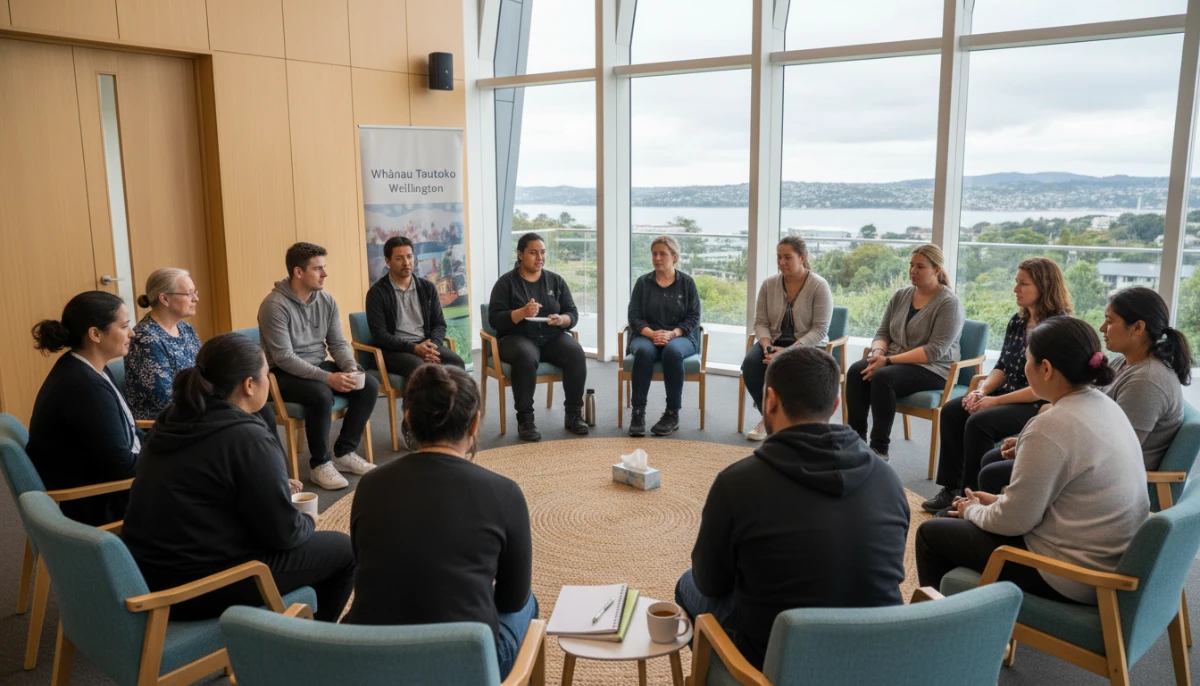
Finding the right neurodiversity support NZ services involves engaging with both government agencies and non-profit organizations that specialize in neurological conditions.
Aotearoa’s unique cultural context, including the principles of Te Tiriti o Waitangi, ensures that support services aim to be culturally responsive to Māori (Hauora) and Pasifika communities.
“True advocacy is not just about getting a label; it is about reshaping environments to fit the person, rather than forcing the person to fit the environment.” — Senior Advocate, NZ Disability Rights Commission.
- Focus on strengths-based approaches.
- Emphasis on early intervention in early childhood centres.
- Integration of peer-to-peer support networks.
The Diagnostic Journey in New Zealand
How to access neurodiversity support in NZ often starts with a formal diagnosis. This process can be navigated through the public system via Te Whatu Ora (Health New Zealand) or through private clinical psychologists.
Wait times for public adult ADHD and Autism assessments can be significant, often leading many Kiwis to seek private alternatives to expedite the process.

Once a diagnosis is confirmed, individuals can access specialized medication, therapy, and educational adjustments tailored to their specific cognitive profile.
It is crucial to maintain a ‘Health Passport’ through Health NZ to ensure all providers understand your specific communication needs and sensory sensitivities.
Inclusive Education and Learning Support
The Ministry of Education (MoE) provides various tiers of support for neurodivergent students. Learning Support Coordinators (LSCs) are now embedded in many schools across the country.
Under the Inclusive Education framework, schools are required to make reasonable accommodations for students with Dyslexia, Dyspraxia, and ADHD.
- Specialist Teacher support for high-needs students.
- Assistive technology grants for laptops and speech-to-text software.
- ORRS funding for students requiring significant intervention.
Parents should advocate for an Individual Education Plan (IEP) that is reviewed termly to track progress and adjust strategies based on the child’s evolving needs.
Workplace Accommodations and Legal Rights
Where to find neurodiversity advocacy services in Auckland and Wellington? Local branches of the Dyslexia Foundation and ADHD NZ offer workplace coaching and employer training.
The Employment Relations Act and the Human Rights Act 1993 protect neurodivergent employees from discrimination in the New Zealand workforce.
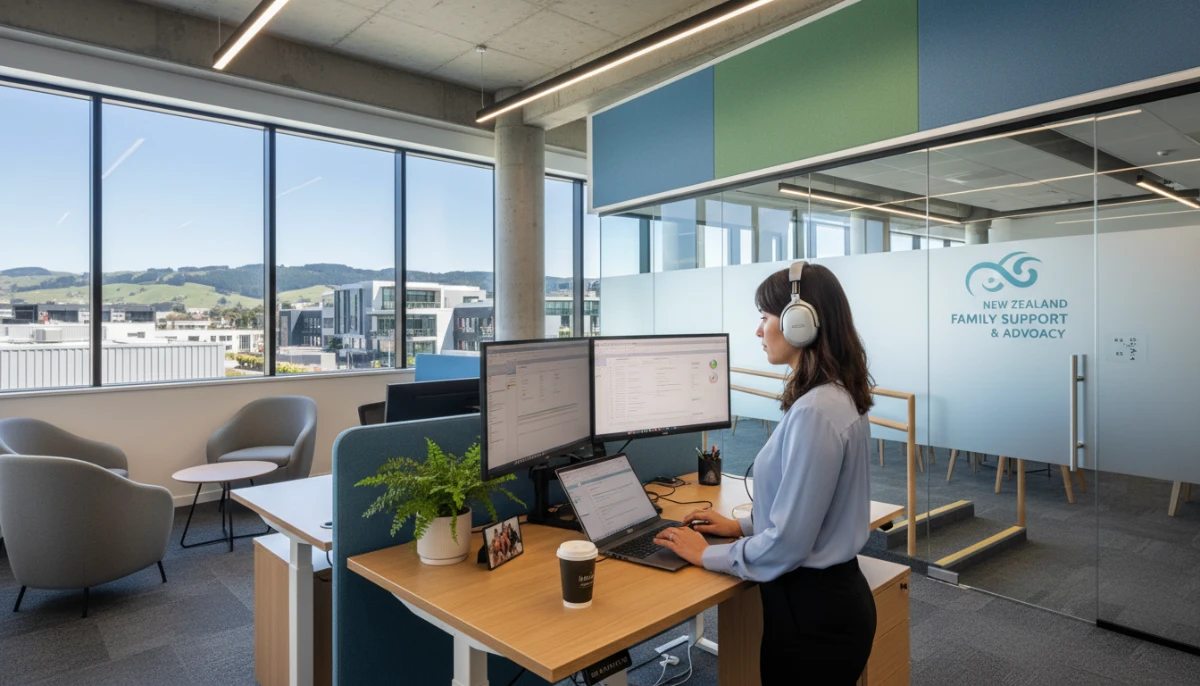
Reasonable accommodations in a Kiwi workplace might include flexible hours, quiet zones, or written rather than verbal instructions.
Proactive disclosure of neurodivergence can often lead to better outcomes, provided the employer has a robust DE&I (Diversity, Equity, and Inclusion) policy.
Accessing Funding and Financial Assistance
What funding is available for neurodivergent families in New Zealand? This is a common question for those navigating the financial burden of therapy and equipment.
Whaikaha – Ministry of Disabled People, is the primary agency for disability support services. They oversee Individualised Funding (IF), which allows families more control over how their budget is spent.
- Disability Allowance: A weekly payment via Work and Income for ongoing costs.
- Carer Support: Subsidy for ‘respite’ to give primary caregivers a break.
- Child Disability Allowance: A non-means-tested payment for children requiring constant care.

Applying for these funds requires documentation from a registered medical professional or a member of the Ministry of Health clinical registry.
Advocacy Networks and Community Resources
Strong advocacy is the backbone of the neurodivergent community. Groups like the Neurodiversity in Business NZ and Autism New Zealand play a pivotal role in policy change.
Joining a local support group can provide the emotional scaffolding needed to navigate complex systems. These groups often host ‘coffee mornings’ or webinars with experts.
For educational advocacy, the Ministry of Education website offers resources for parents to understand their rights within the school system.
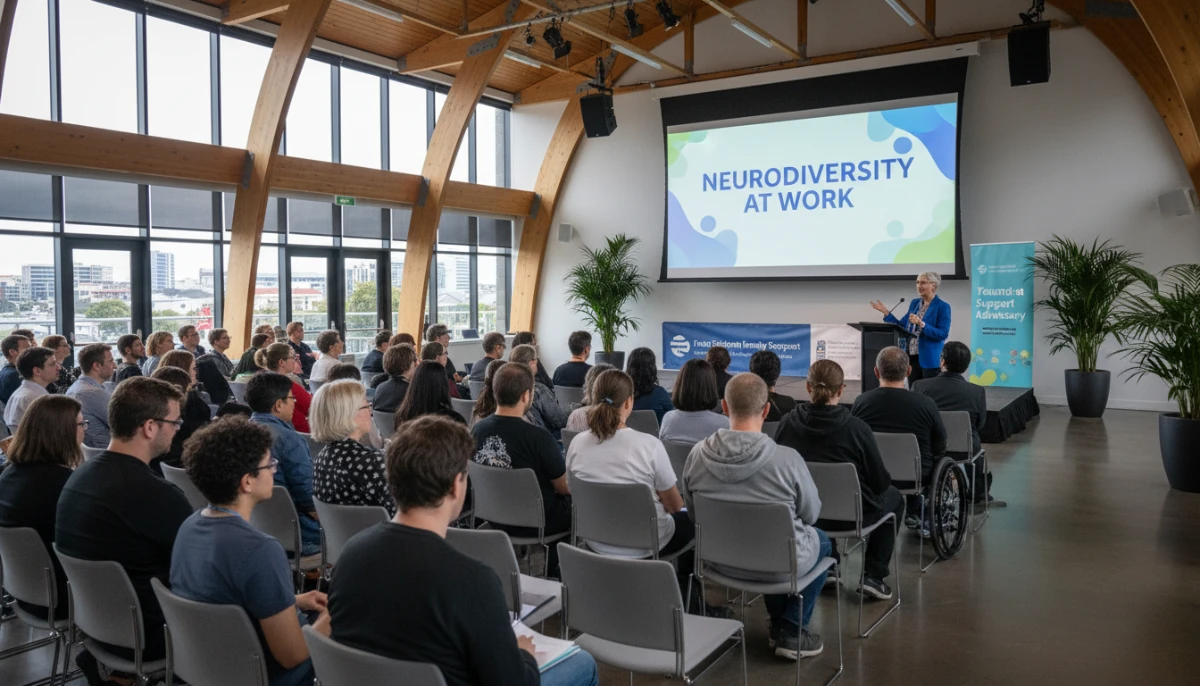
Self-advocacy is equally important. Learning to articulate one’s needs is a skill that many NZ support services now prioritize in their transition-to-adulthood programs.
Conclusion
The journey of embracing neurodiversity in New Zealand is one of continuous learning and adaptation. By leveraging the available neurodiversity support NZ networks, families and individuals can move from a state of struggling to a state of thriving.
Key Takeaways
- Start Early: Early diagnosis and intervention provide the best long-term outcomes for neurodivergent tamariki.
- Know Your Rights: Familiarize yourself with the Human Rights Act and MoE guidelines to advocate effectively.
- Utilize Whaikaha: Explore all funding avenues through the Ministry of Disabled People to reduce financial stress.
- Connect with Community: Peer support is invaluable for sharing lived experiences and practical advice.
- Workplace Inclusion: Small adjustments in the workplace can unlock immense potential in neurodivergent talent.