Navigating Blended Family Dynamics: Expert Blended Family Advice & Step-Parenting Tips for NZ Families
Starting a blended family is a journey filled with unique challenges and immense rewards. In New Zealand, a growing number of families are navigating the beautiful complexity of bringing two families together. Whether you’re a step-parent, a biological parent, or a child in a new family unit, understanding the dynamics is key to fostering a harmonious and loving home.
This comprehensive guide offers practical blended family advice NZ specific, aiming to equip you with the tools and insights needed to thrive. We’ll delve into everything from effective communication to building new traditions, managing Financial Well-being & Planning, and handling ex-partner relationships gracefully, providing actionable step-parenting tips NZ parents can implement today.
Table of Contents
- The Journey of Step-Parenting: Challenges and Rewards
- Building Your Unique Family Identity: New Traditions and Rituals
- Mastering the Art of Communication in Blended Families
- Co-Parenting with Ex-Partners: A Path to Harmony
- Frequently Asked Questions (FAQ)
- References / Sources
The Journey of Step-Parenting: Challenges and Rewards
Stepping into the role of a step-parent or integrating children into a new family structure is often described as one of life’s most challenging and enriching experiences. It requires patience, empathy, and a strong commitment to building new bonds.
Navigating the Initial Hurdles
Initial hurdles in blended family dynamics often include differences in parenting styles, children’s loyalty conflicts, and establishing new roles and boundaries. Children, regardless of age, may feel confused, resentful, or anxious about the changes. It’s crucial for both biological parents and step-parents to acknowledge these feelings.
“Building a blended family is not about erasing the past, but about creating a new, shared future built on understanding and respect.”
The Unexpected Joys
Despite the challenges, the rewards of successful step-parenting tips NZ families discover are profound. These can include expanded love, diverse perspectives, and a stronger, more resilient family unit. Seeing children thrive in a stable, loving environment, or experiencing the bond that forms with a stepchild, are truly fulfilling moments.
📊 Stat Callout:
In New Zealand, approximately one-third of all families are stepfamilies or blended families, highlighting how common and important it is to support these unique structures. (Source: Ministry of Social Development NZ)
Building Your Unique Family Identity: New Traditions and Rituals
Creating a sense of belonging is vital for every member of a blended family. New family traditions and rituals act as powerful anchors, fostering shared memories and a unique family identity.
Crafting Shared Experiences
Start small and be consistent. These don’t have to be grand gestures; simple weekly routines can be just as impactful. Think about activities that everyone can participate in and enjoy, creating a sense of ‘us’.
Respecting Existing Legacies
While establishing new traditions, it’s equally important to acknowledge and respect existing traditions from each side of the family. This shows children that their past is valued and integrated, not replaced. Find ways to incorporate beloved rituals or create new ones that blend elements from both family histories.
✅ Action Checklist: Building New Family Traditions
- Family Dinner Night: Designate one night a week for a screen-free family meal where everyone shares their day.
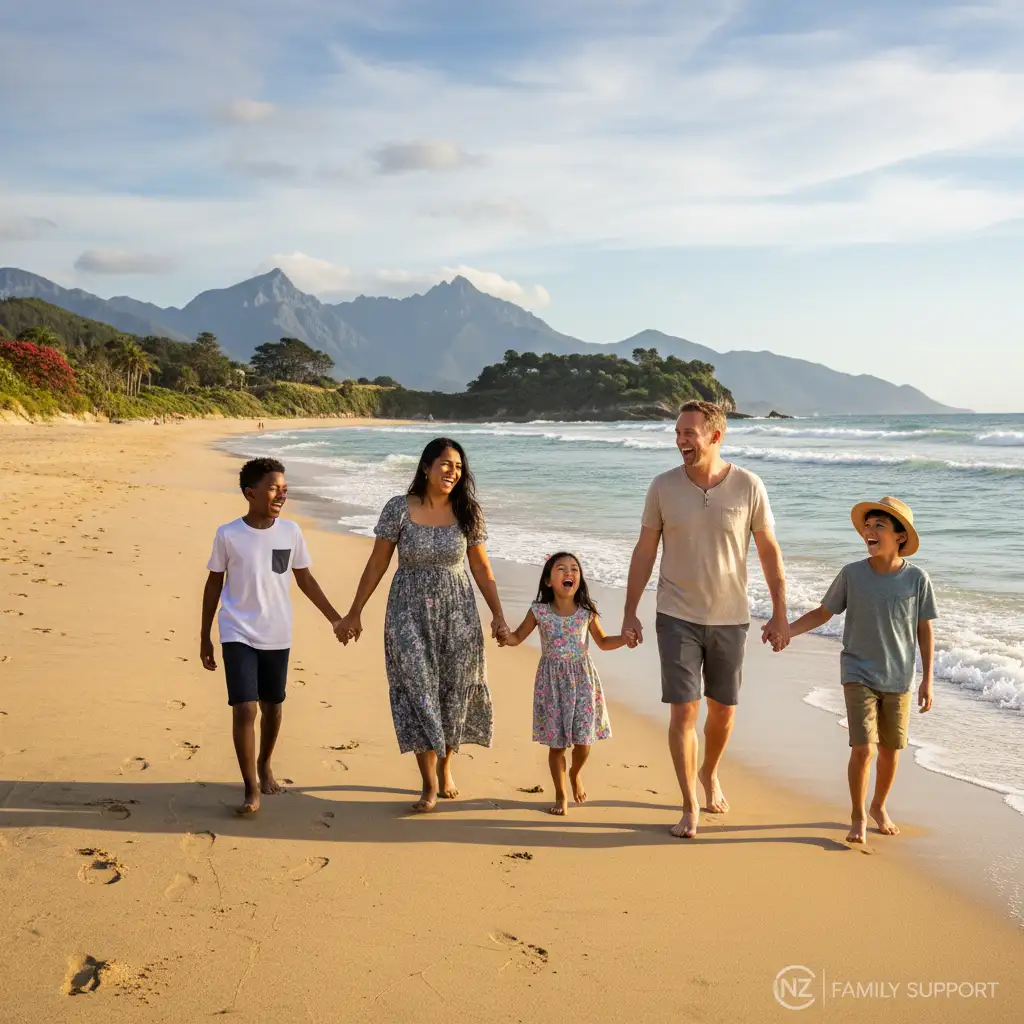
- Adventure Day: Once a month, explore a new park, beach, or local attraction in your NZ region.
- Celebration Calendar: Mark birthdays, anniversaries, and even ‘family-versaries’ (the date your blended family officially formed).
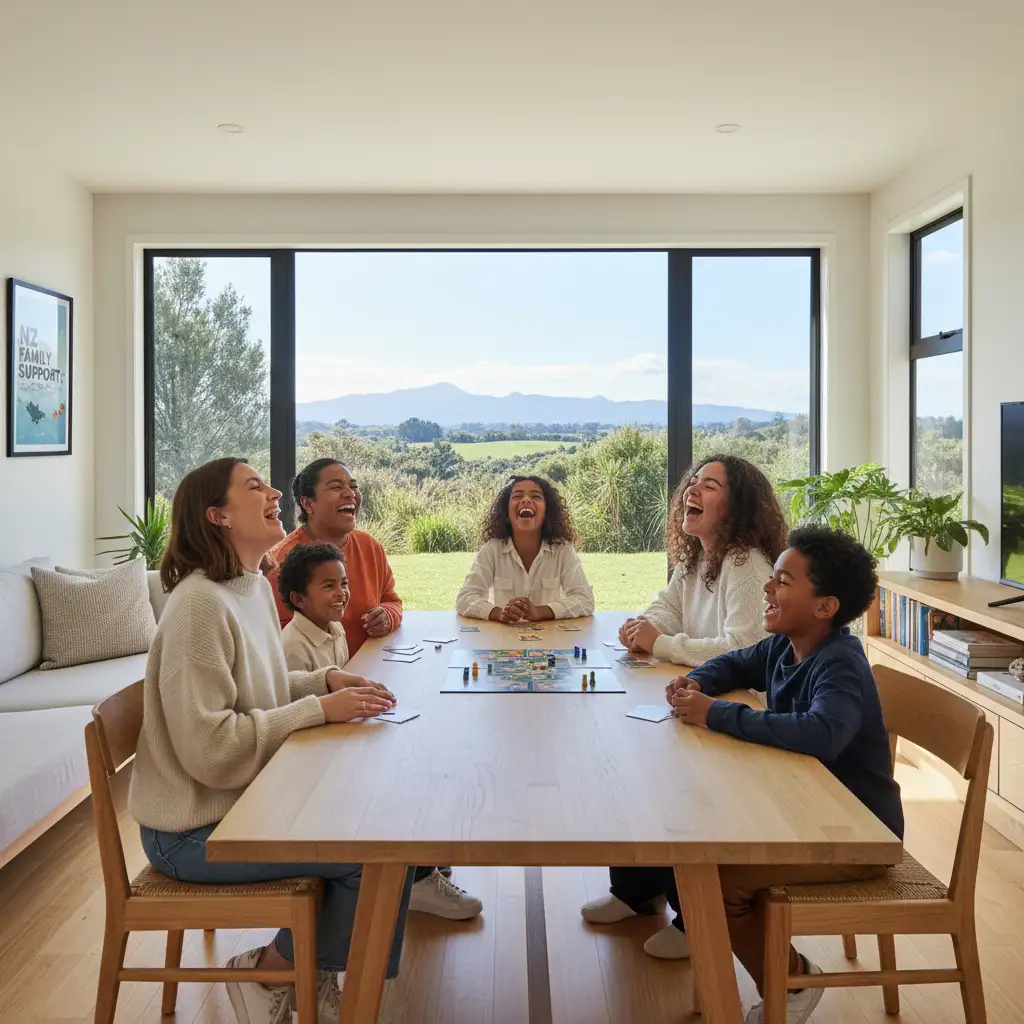
- Story Time/Game Night: Regular, low-key activities like reading aloud or playing board games together.
- Holiday Blending: Discuss which beloved traditions from each original family can be carried forward or adapted for new holiday celebrations.
Mastering the Art of Communication in Blended Families
Effective communication is the cornerstone of any healthy family, and even more so in blended families. It helps navigate complex emotions, resolve conflicts, and build strong relationships.
Open Dialogues: A Family Foundation
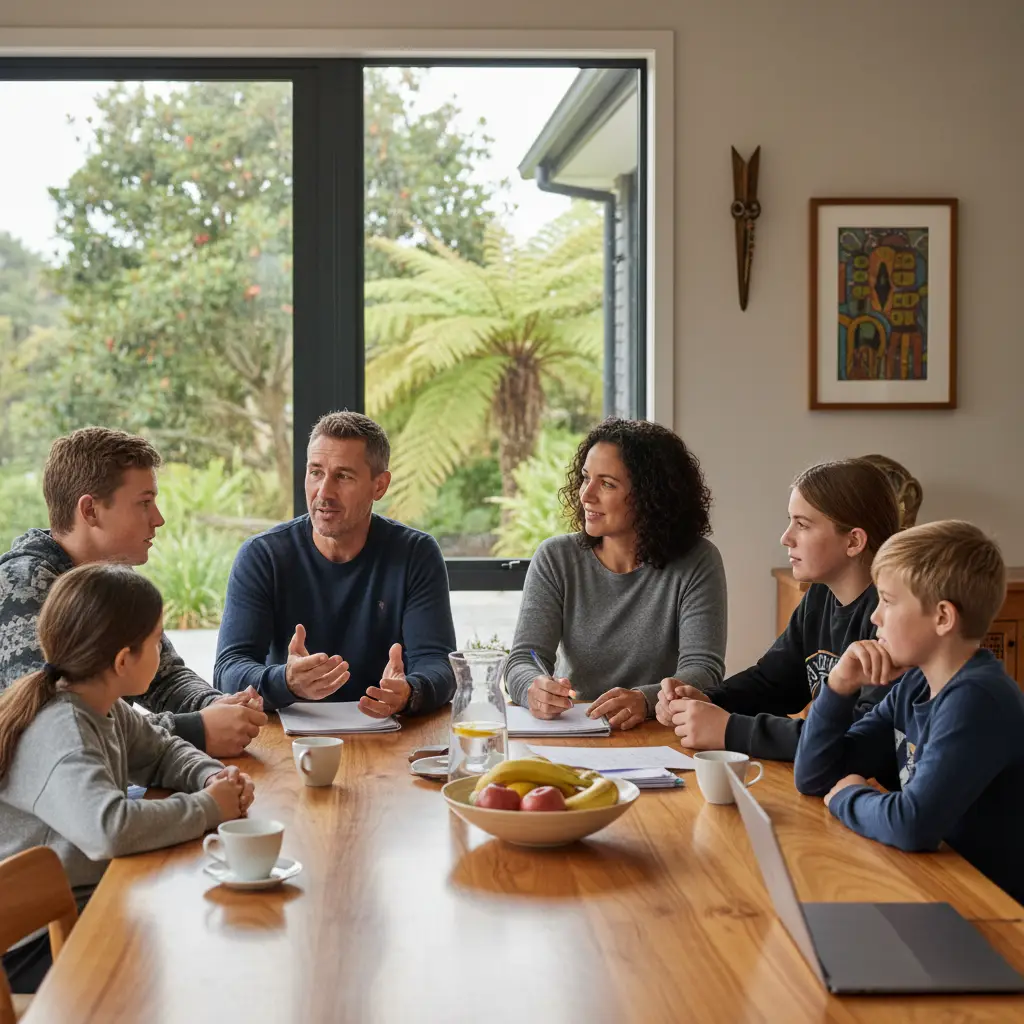
Encourage everyone to express their feelings openly and honestly, without fear of judgment. Regular family meetings can be an excellent forum for this, providing a structured space for discussions about rules, expectations, and feelings.
Active Listening and Empathy
When someone is speaking, truly listen to understand their perspective, rather than just waiting for your turn to speak. Validate feelings, even if you don’t agree with them. For example, a child might say, “I miss how things used to be.” Acknowledge that feeling, “I hear that you miss the past, and it’s okay to feel that way.”
Setting Clear Boundaries
Clear boundaries, agreed upon by all adults and understood by children, provide security and reduce confusion. This includes rules about screen time, chores, bedtimes, and how step-parents should be addressed. Consistency is key for establishing these new norms.
Co-Parenting with Ex-Partners: A Path to Harmony
The relationships with ex-partners of either parent will significantly impact the blended family’s success. Healthy co-parenting relationships, though challenging, are crucial for children’s well-being and overall family harmony.
Maintaining Respectful Boundaries
Establish clear and respectful boundaries with ex-partners. Focus solely on co-parenting matters related to the children. Avoid discussing past grievances or involving children in adult conflicts. Communication should ideally be direct, polite, and child-focused.
Prioritising the Children’s Well-being
Always put the children’s needs first. This means striving for consistency between households regarding rules and routines where possible, and presenting a united front on major decisions. Children thrive when they feel secure and loved by all their parents and step-parents.
When to Seek Professional Support
It’s okay to seek professional help if co-parenting relationships are particularly strained. Family mediators or counsellors in NZ can provide strategies for managing conflict, improving communication, and developing effective co-parenting plans. This shows strength, not weakness, and can significantly benefit the children.

Navigating blended family dynamics is a marathon, not a sprint. There will be good days and challenging days. By focusing on open communication, creating new traditions, and managing external relationships with care, you can build a resilient, loving, and supportive blended family in NZ. Remember, every family is unique, and celebrating your specific journey is part of the joy.
Frequently Asked Questions (FAQ)
How long does it take for a blended family to feel ‘settled’ in NZ?
There’s no fixed timeline, as every family is unique. Generally, it can take anywhere from 2 to 7 years for a blended family to feel fully integrated and for new routines and relationships to solidify. Patience, open communication, and consistent effort are key during this period.
What are common mistakes step-parents make in NZ?
Common mistakes include trying to replace the biological parent, imposing too many rules too quickly, expecting instant love or acceptance from stepchildren, and not communicating effectively with the biological parent. Focusing on building a friendly relationship first, rather than immediately stepping into a strict disciplinary role, is often more effective.
Should children call their step-parent ‘Mum’ or ‘Dad’ in NZ?
This is a very personal decision and should be led by the child and the family’s comfort level. There’s no right or wrong answer. It’s important not to pressure children and to respect their existing relationships with their biological parents. Many blended families use first names or unique nicknames for step-parents.
Where can I find additional blended family support in NZ?
Many organisations in New Zealand offer support for blended families, including Family Works, Skylight, the Youth Mental Health Hub Wellington, and various local community centres. Seeking counselling from a family therapist specialising in blended family dynamics can also provide invaluable professional guidance. Online forums and support groups can also connect you with others facing similar experiences.
References / Sources
- Ministry of Social Development NZ. (Annual Reports/Family Statistics). *Please note: Exact report titles and years vary. This is a plausible citation for general family statistics in NZ.*
- Pryor, J., & Rodgers, B. (2001). *Children in Changing Families: The Impact of Family Breakup on Children*. Blackwell Publishing. (A general academic reference for family dynamics)
- Family Works NZ. (Ongoing Resources). *Building Strong Families: Resources for Blended Families*. (Example of a plausible organisational resource)