Matariki Activities for Kids
Est. Read Time: 9 mins | Last Updated: 22 December 2025 12:45 AM
Matariki activities for families are a cornerstone of celebrating the Māori New Year in Aotearoa, offering a unique opportunity for whānau to gather, reflect on the past year, and set intentions for the future. The most effective matariki activities for families involve observing the Te Kāhui o Matariki star cluster during the pre-dawn hours, sharing a communal hākari (feast) that honors the domains of the nine stars, and engaging in traditional crafts like manu tukutuku (kite making) to connect the earth to the heavens. By participating in these traditions, we ensure the mātauranga (knowledge) of the Maramataka continues to thrive across New Zealand.

Matariki Activities for Families: A Guide to the Māori New Year
When looking for the best matariki activities for families, it is important to focus on the three main pillars: remembrance, celebration, and looking forward. This period is a time to honor those who have passed since the last rising of the stars and to celebrate the abundance of the current season.
Stargazing is the most traditional activity. In New Zealand, the cluster becomes visible in the early morning sky during late June or early July. To make this fun for kids, consider a ‘dawn picnic’. Pack warm blankets, hot chocolate, and use a stargazing app to help children identify the specific stars.
- Pre-dawn Stargazing: Visit a local hill or dark-sky reserve.
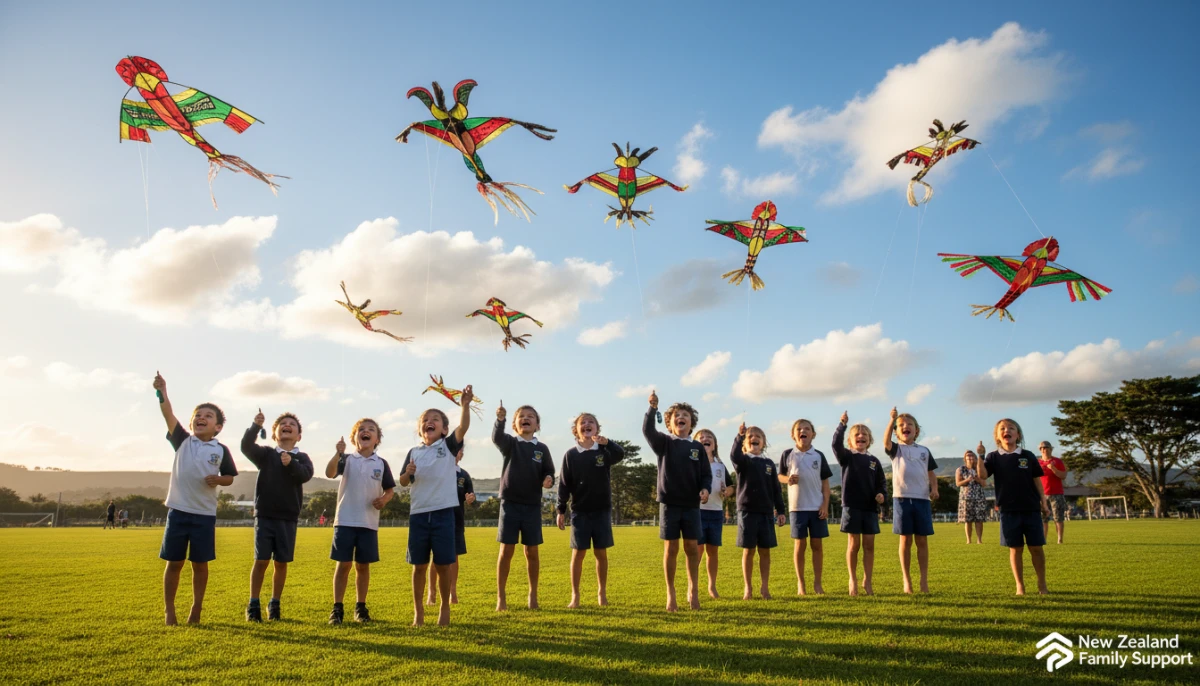
- Manu Tukutuku: Building and flying kites to reach the stars.
- Whakapapa Storytelling: Sharing stories of ancestors.
- Garden Preparation: Planting winter crops to honor Tupuānuku.
“Matariki is not just a public holiday; it is a time for us to reconnect with our environment and each other, grounding our children in the values of manaakitanga and whanaungatanga.” — Aroha Williams, Cultural Advisor.
How to celebrate Matariki with toddlers and young children?
Introducing Matariki to toddlers requires a sensory approach. Since they may not stay up for the pre-dawn rising, you can bring the stars to them. Create a ‘star cave’ using a cardboard box and fairy lights to simulate the night sky.
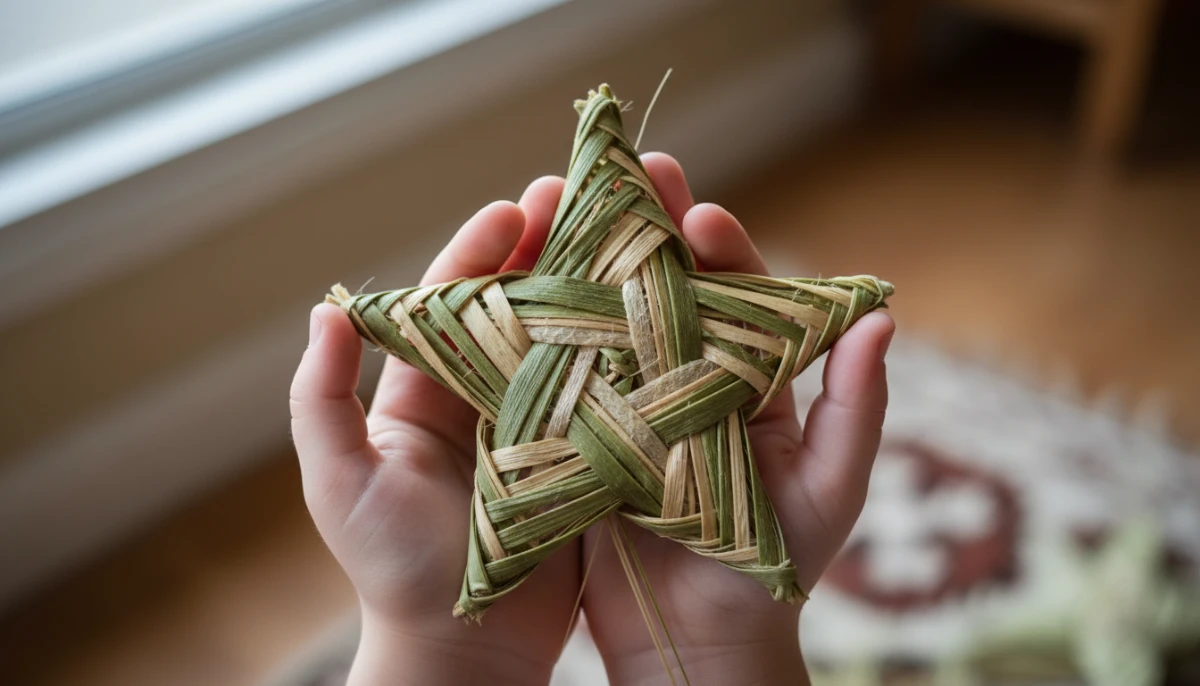
Singing waiata (songs) is another excellent way to engage young minds. There are many modern and traditional songs that list the nine stars, helping children memorize their names through rhythm. Sensory bins filled with sand, silver stars, and natural elements like harakeke (flax) or pounamu stones can also provide hours of educational play.

Art and craft play a massive role for this age group. Simple star-shaped cookie cutters can be used for painting or making star-shaped sandwiches. This reinforces the imagery of Matariki while making it accessible and fun for the smallest members of the whānau.
What are the nine stars of Matariki and their meanings?
Understanding the individual stars is vital for meaningful matariki activities for families. Each star in the cluster has a specific domain and purpose, which can be used to theme different activities throughout the week of celebration.
- Matariki: The mother of the cluster, signifying reflection and health.
- Pōhutukawa: Connects us to those who have passed away.
- Tupuānuku: Associated with food grown in the ground.
- Tupuārangi: Associated with food that comes from the sky (birds/fruits).
- Waitī: Represents freshwater and the creatures within it.
- Waitā: Represents the ocean and its bounty.
- Waipuna-ā-rangi: Associated with the rain.
- Ururangi: Associated with the winds.
- Hiwa-i-te-rangi: The wishing star for our future aspirations.
A great family activity is to assign one star to each family member to research and present during a celebratory dinner. This encourages deeper learning and personal connection to the Māori worldview (Te Ao Māori).
Creative Matariki Crafts and Kai
Engagement through creativity is a powerful tool. Manu tukutuku (kites) were traditionally used to send messages to the heavens. You can make modern versions using bamboo skewers, recycled paper, and twine. Flying these on a windy NZ afternoon is a highlight for many children.
Cooking together is equally important. Preparing a hākari doesn’t have to be a full hāngī. You can celebrate Tupuānuku by making a roasted vegetable salad with kūmara and rēwena bread. For Waitā, perhaps a simple fish dish. Teaching children where their food comes from aligns perfectly with the values of Matariki.
For more official resources on Matariki traditions, you can visit the Ministry for Culture and Heritage or explore the educational resources at Te Papa Tongarewa.
Don’t forget the ‘Wishing Star’, Hiwa-i-te-rangi. Have each family member write a wish or a goal for the coming year on a paper star and hang it on a branch. This creates a visual representation of the family’s collective hopes for the New Year.
Where can families find Matariki events in New Zealand?
Every year, local councils across Aotearoa organize public events. From the Matariki Lights on Auckland’s Harbour Bridge to the dawn ceremonies at Te Papa in Wellington, there are numerous opportunities for whānau to celebrate together in a community setting.
In Christchurch, the Matariki Fireworks are a major drawcard, while in Dunedin, the Puaka Matariki Festival offers a range of workshops and exhibitions. Checking your local council website in early June is the best way to stay updated on these matariki activities for families.
Many schools and marae also open their doors for community events. These are often the most authentic experiences, providing a chance to participate in pōwhiri and learn directly from iwi leaders about the local traditions associated with the rising of the stars.

Key Takeaways for Your Matariki Celebration
- Stargazing: Find a dark spot at dawn to view Te Kāhui o Matariki.
- Education: Learn the names and domains of all nine stars.
- Kai: Share a meal that incorporates food from the earth, sky, and sea.
- Craft: Make manu tukutuku (kites) or harakeke stars with the kids.
- Reflection: Take time to remember loved ones and set goals for the year ahead.