Legal Age for Social Media NZ
Determining the legal age for social media nz is a critical task for parents, educators, and legal professionals navigating the complex digital landscape of Aotearoa New Zealand. While many international platforms enforce a minimum age of 13, the legal framework in New Zealand involves a nuanced intersection of the Privacy Act 2020, the Harmful Digital Communications Act 2015, and the specific terms of service provided by global technology giants. In this comprehensive guide, we will dissect the legislative requirements, the role of regulatory bodies like Netsafe, and the practical implications for New Zealand families.

Defining the Legal Age for Social Media NZ in Local Legislation
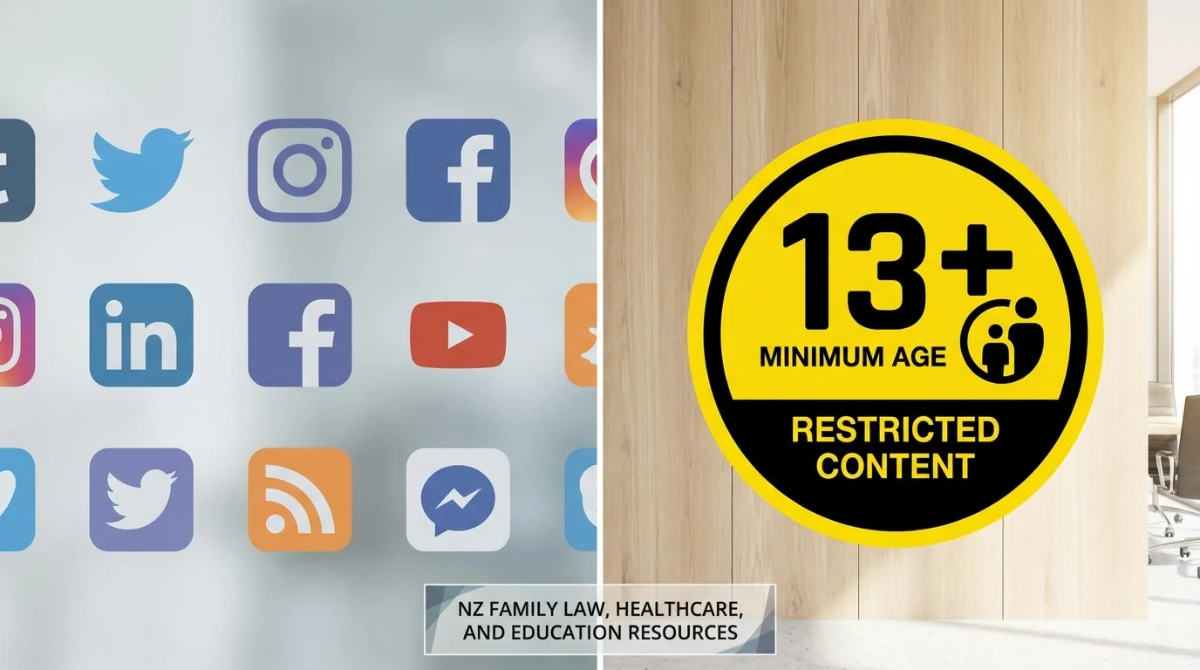
In New Zealand, there is no single piece of legislation that explicitly states a mandatory minimum age for using social media. However, the legal age for social media nz is effectively governed by a combination of international standards and local privacy laws. Most platforms specify an age of 13 in their Terms of Service (ToS) to comply with the United States’ Children’s Online Privacy Protection Act (COPPA), which has become the de facto global standard.
Under New Zealand law, the Privacy Act 2020 provides protections for personal information. Principle 4 of the Act suggests that when collecting information from children or young people, it must be done in a way that is fair and does not intrude to an unreasonable extent. This places the onus on social media companies to ensure their data collection practices are transparent and appropriate for the age of the user. For more information on these principles, you can visit the official Office of the Privacy Commissioner.
Furthermore, the Contract and Commercial Law Act 2017 governs the ability of minors to enter into contracts. Since agreeing to a social media platform’s Terms of Service is legally a contract, there are questions regarding the enforceability of these agreements when signed by children under 18, though in practice, the platform’s self-imposed 13+ limit remains the primary threshold.
Why Establishing a Legal Age for Social Media NZ is Critical for Online Safety
Understanding the implications of the legal age for social media nz is not just about compliance; it is about protecting the psychological and social well-being of young New Zealanders. The transition into digital spaces introduces risks such as cyberbullying, exposure to inappropriate content, and data harvesting. Data from Netsafe NZ indicates that a significant percentage of New Zealand children are active on social media before the age of 13, often with parental knowledge but without a full understanding of the privacy risks involved.
- Data Sovereignty: Young users are often unaware of how their data is used for algorithmic targeting.
- Psychological Development: Early exposure to social validation metrics (likes, shares) can impact self-esteem.
- Cyberbullying: The Harmful Digital Communications Act provides a framework for redress, but prevention via age-appropriateness is key.
- Online Grooming: Younger children are statistically more vulnerable to predatory behavior in unmonitored digital environments.
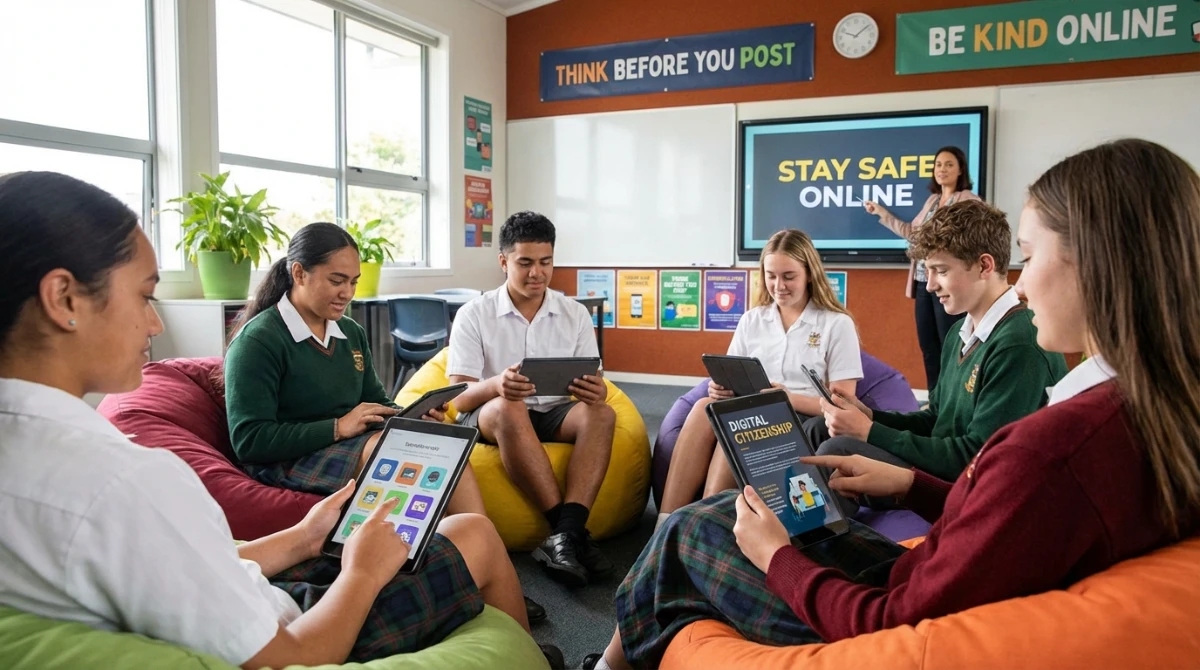
The role of the Ministry of Education in fostering digital citizenship is also paramount. Schools across Aotearoa are increasingly integrating digital literacy into the curriculum to ensure that when students reach the legal age for social media nz platforms, they are equipped with the critical thinking skills necessary to navigate these spaces safely.
Global Platforms and the 13+ Standard: The Influence of COPPA
While we discuss the legal age for social media nz, we must acknowledge that New Zealanders are primarily users of American-based platforms. COPPA mandates that websites and online services must obtain verifiable parental consent before collecting personal information from children under 13. To avoid the administrative burden of managing this consent, most platforms (Meta, TikTok, X, Snapchat) simply prohibit users under 13.
However, the enforcement of these age gates is notoriously difficult. Many children in NZ bypass these limits by providing a false birth year. This creates a legal gray area where the platform has fulfilled its ToS obligations, but the user is technically in breach of contract. For New Zealand families, this means that the “legal age” is less a barrier and more a guideline that requires active parental supervision.
The Privacy Act 2020 and Children’s Data Rights
The Privacy Act 2020 was a significant update to New Zealand’s data protection framework. While it doesn’t set a legal age for social media nz, it strengthens the rights of individuals regarding their personal data. For minors, the Act emphasizes that agencies must take extra care when dealing with young people’s information.
Key aspects of the Privacy Act 2020 relevant to social media include:
- Collection Limits: Agencies must only collect information necessary for their functions.
- Transparency: Platforms must clearly state what information is being collected and why.
- Access Rights: Children (and their guardians) have the right to request access to any personal information held by a platform.
- Correction: The right to request the deletion or correction of inaccurate personal data.
This legislation aligns NZ more closely with international standards like the GDPR in Europe, ensuring that even if the platform is based overseas, New Zealanders have a framework for lodging complaints via the Privacy Commissioner.
Netsafe and the Harmful Digital Communications Act
In the context of the legal age for social media nz, the Harmful Digital Communications Act 2015 (HDCA) is the most potent tool for addressing online harm. Netsafe is the designated agency to handle complaints under this Act. The HDCA applies to everyone in New Zealand, regardless of age, meaning that a 12-year-old on social media is both protected by and subject to the law.
The HDCA outlines 10 communication principles, including prohibitions against:
- Disclosing sensitive personal facts.
- Being threatening, intimidating, or menacing.
- Using grossly offensive language.
- Harassing an individual.
- Making false allegations.
If a child under the recommended legal age for social media nz is involved in a digital dispute, Netsafe provides a mediation service to resolve the issue without initially involving the courts. This is a unique aspect of the NZ legal system that prioritizes harm reduction over punitive measures for minors.
Platform-Specific Age Requirements: A Comparative Analysis
While 13 is the standard, some platforms vary their features based on the user’s age. For parents inquiring about the legal age for social media nz, it is helpful to look at the specific requirements of the most popular apps in Aotearoa:
| Platform | Minimum Age | NZ Context / Specific Features |
|---|---|---|
| Facebook / Instagram | 13 | Meta has strict AI-driven age verification tools in development for the NZ market. |
| TikTok | 13 | Features “Family Pairing” mode to allow NZ parents to manage screen time. |
| Snapchat | 13 | Offers a “Family Center” for New Zealand users to see who their teens are messaging. |
| 13 | YouTube Kids is available for those under 13, but requires a parent’s Google account. | |
| 13 (formerly 16) | Recently lowered in many jurisdictions to align with global 13+ standards. |
Parental Responsibility and Digital Literacy Strategies
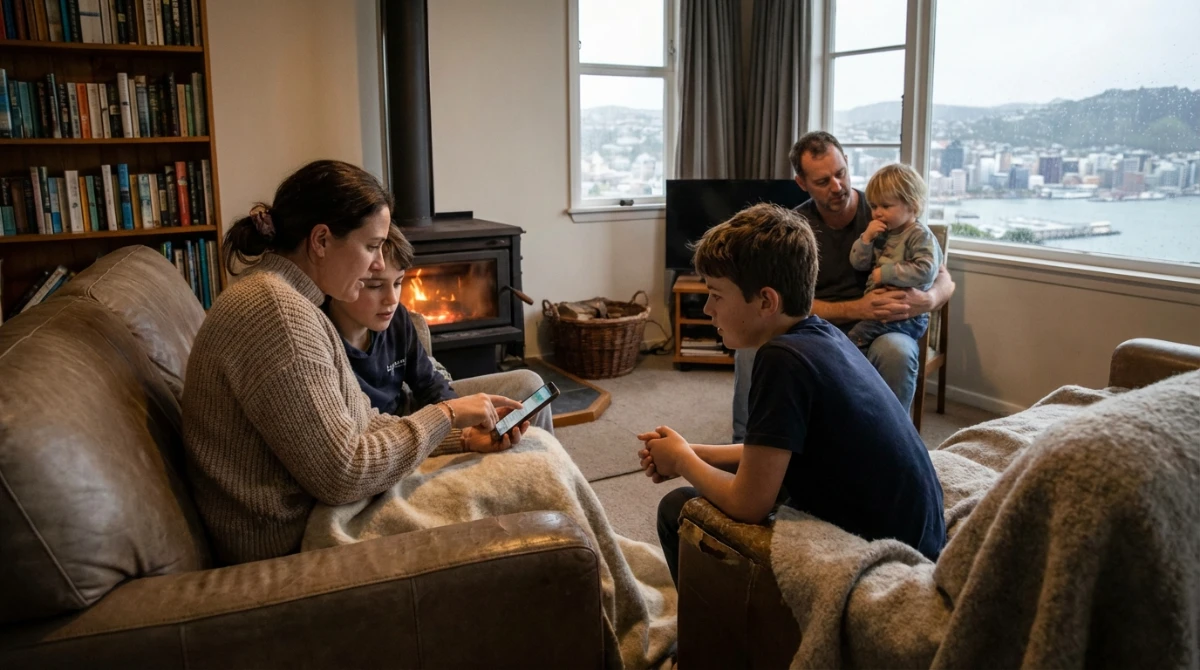
The consensus among New Zealand legal and child safety experts is that the legal age for social media nz should be treated as a minimum, not a target. Parents are encouraged to assess the “digital maturity” of their child before granting access. This involves more than just checking an ID; it involves active engagement with the child’s online life.
Recommended strategies for NZ parents include:
- The ‘Co-Pilot’ Approach: Initially using social media together to model healthy behavior.
- Privacy Audits: Regularly checking settings to ensure accounts are set to ‘Private’ by default.
- Open Communication: Ensuring the child knows they can come to the parent if they see something upsetting without fear of their device being confiscated.
- Technical Controls: Utilizing New Zealand-specific resources from ISPs or third-party software like Qustodio or Bark to manage access.
For detailed educational resources, the Ministry of Education provides guidelines on how schools and parents can partner to manage the transition to social media use among intermediate-aged children.
Conclusion and Key Takeaways
In summary, while the legal age for social media nz is generally accepted as 13 due to international platform policies, New Zealand law provides a robust secondary layer of protection through the Privacy Act 2020 and the Harmful Digital Communications Act 2015. Compliance is not just about a birthdate; it is about the responsible management of a child’s digital footprint and ensuring their safety in an increasingly connected world.
Key Takeaways
- De Facto Age: 13 is the standard age across most platforms used in NZ (Facebook, Instagram, TikTok).
- Privacy Laws: The NZ Privacy Act 2020 ensures children’s data must be handled with care and transparency.
- Safety Net: Netsafe is the primary agency for resolving digital harms under the HDCA.
- Parental Role: Technical age gates are easily bypassed; active parental supervision and education are the most effective safeguards.
- Educational Support: NZ schools and the Ministry of Education offer resources to build digital literacy.