Learning Support Coordinators: what does a learning support coordinator do?
Understanding what does a learning support coordinator do is essential for parents, educators, and administrators navigating the New Zealand education system today. As New Zealand moves toward a more inclusive and equitable learning environment, the role of the Learning Support Coordinator (LSC) has become a cornerstone of the Ministry of Education’s strategy. Introduced as a dedicated, full-time role, the LSC is designed to ensure that children and young people with additional learning needs—whether those needs are physical, cognitive, behavioral, or emotional—receive the right support at the right time. This guide provides an exhaustive look at the functions, impact, and legislative framework surrounding this pivotal position within our schools.
What does a learning support coordinator do in New Zealand schools?
The role of the Learning Support Coordinator (LSC) was officially launched in 2019 as part of the Learning Support Action Plan 2019–2025. When asking what does a learning support coordinator do, it is important to realize they are not simply ‘extra teachers.’ Instead, they are highly skilled facilitators who bridge the gap between classroom instruction and specialized support services. They operate within a ‘cluster’ model, often working across multiple schools to ensure a consistent approach to learning support within a community of schools (Kāhui Ako).

In the New Zealand context, the LSC is a registered teacher. This is vital because they must understand the New Zealand Curriculum, the complexities of classroom management, and the pedagogical requirements for different year levels. Their primary goal is to take the pressure off classroom teachers by managing the logistical and administrative burden of identifying and supporting students with diverse needs. This allows teachers to focus on teaching, while the LSC focuses on the systems that make learning accessible for everyone.
Core responsibilities: What does a learning support coordinator do on a daily basis?
To fully answer what does a learning support coordinator do, we must break down their responsibilities into five key pillars of action. These pillars ensure that no student falls through the cracks and that the school’s infrastructure is robust enough to handle a wide range of neurodiversities and disabilities.
- Identification and Assessment: LSCs work with teachers to identify students who may need additional support early in their educational journey. They use data, screening tools, and teacher observations to flag potential issues such as dyslexia, ADHD, or autism spectrum disorder (ASD).
- Coordination of Services: Once a need is identified, the LSC coordinates the various inputs required. This might include organizing meetings for Individual Education Plans (IEPs), arranging for Resource Teachers of Learning and Behaviour (RTLB) to visit, or contacting the Ministry of Education’s specialist services.
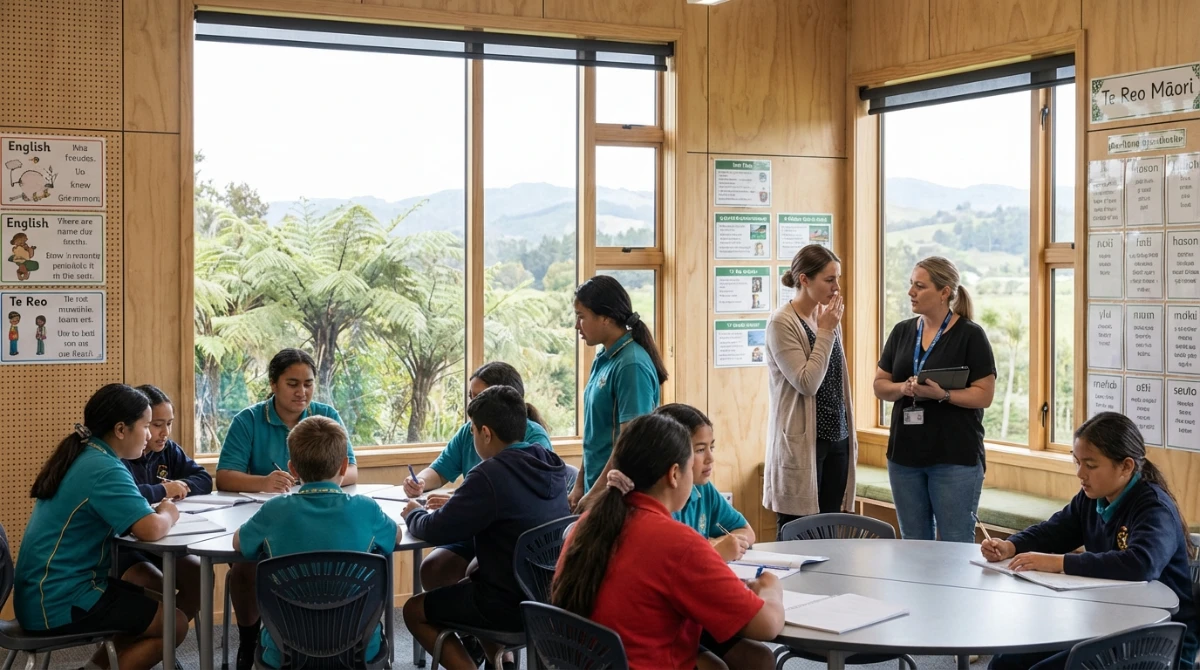
- Supporting Teachers: One of the most significant parts of the LSC role is building the capacity of classroom teachers. They provide resources, suggest modifications to lesson plans, and introduce assistive technologies that make the curriculum more accessible.
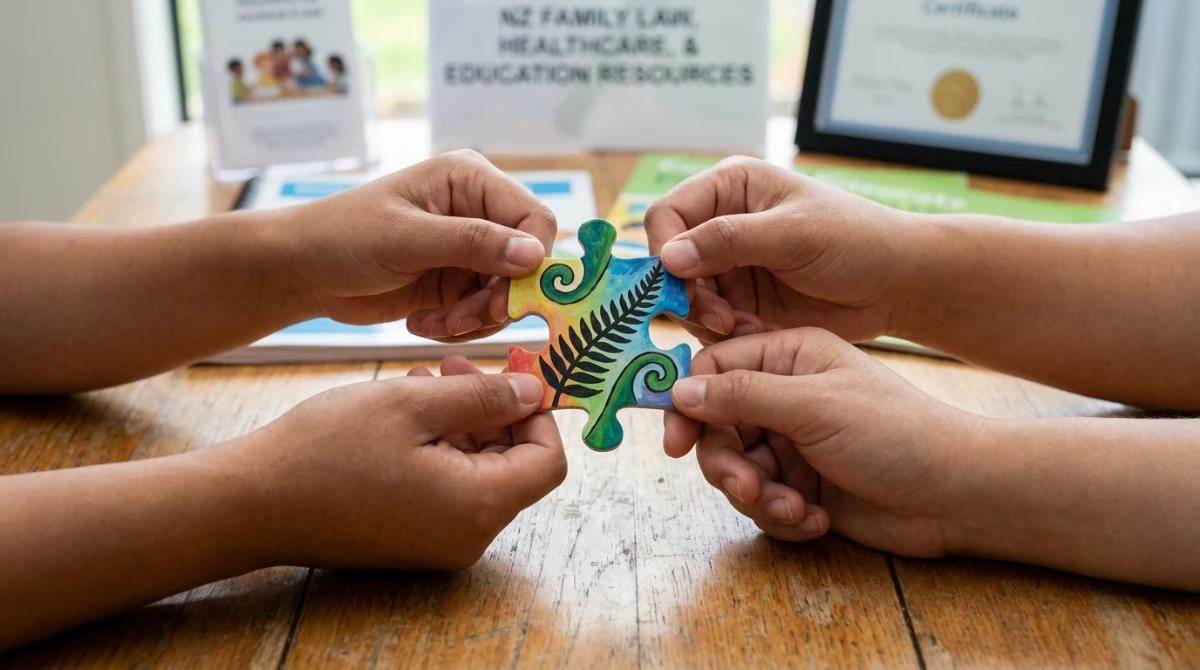
- Working with Whānau: LSCs act as a primary point of contact for parents and caregivers. They help families navigate what can often be a confusing and emotional system, ensuring that the parents’ voices are heard in the planning process.
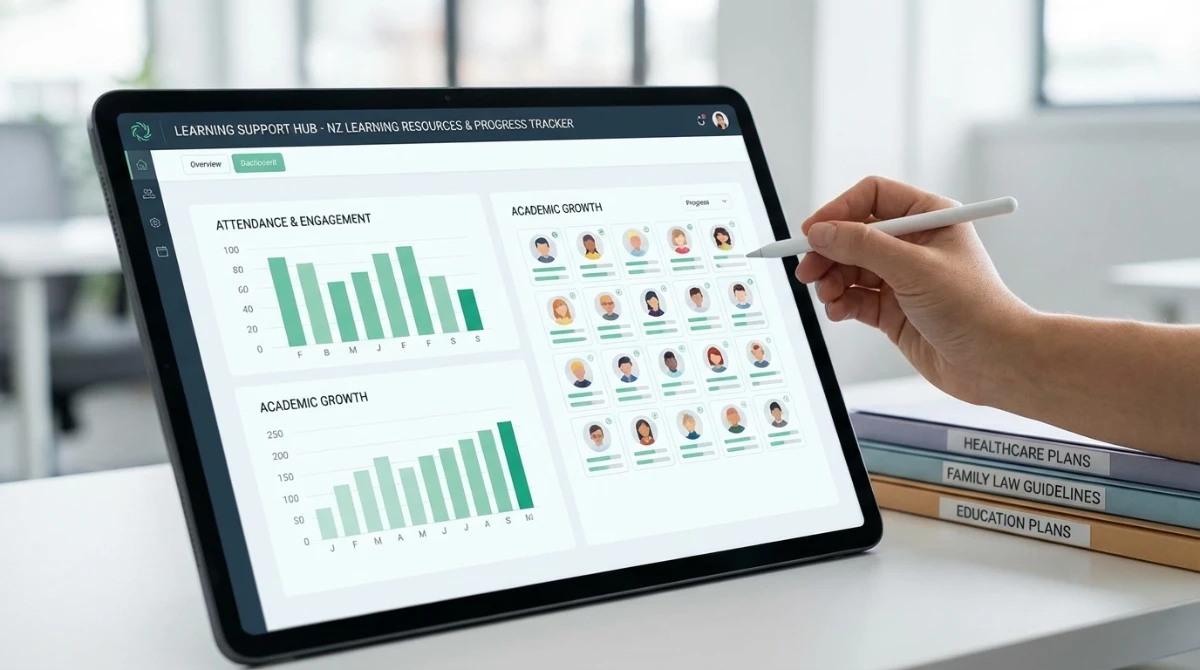
- Data Management and Analysis: By tracking the progress of students receiving support, LSCs can determine which interventions are working and where more resources might be needed. This evidence-based approach is crucial for modern school management.
The critical difference: LSC vs. SENCO
For many years, the role of supporting students with special needs fell to the Special Educational Needs Coordinator (SENCO). However, there are fundamental differences that define what does a learning support coordinator do compared to a SENCO. In many NZ schools, the SENCO is a teacher who also has a full or part-time classroom load. This often meant they had very little time to perform the deep coordination required for complex cases.
- Dedicated Time: An LSC is a 100% non-contact role. They do not have their own classroom, which means they are available throughout the school day to respond to crises, attend meetings, and observe students in various settings.
- Strategic Focus: While a SENCO often works at the student-specific level, an LSC works at both the student and the system level. They look at how the entire school (or cluster of schools) is performing and identify gaps in the overall provision of support.
- Cluster Alignment: LSCs are specifically tasked with working across transitions. This means they ensure that when a child moves from a primary school to an intermediate or secondary school, their support file and history move with them seamlessly.
Liaising with Whānau and External Agencies
The success of the New Zealand education system relies on the principle of partnership. When considering what does a learning support coordinator do, their role as a liaison is perhaps the most impactful for families. For a parent of a child with a new diagnosis, the system can feel like a labyrinth. The LSC acts as a guide, explaining the terminology, the rights of the student under the Education and Training Act 2020, and the types of funding available, such as the Ongoing Resourcing Scheme (ORS).
Furthermore, LSCs are the link to external health and social services. In New Zealand, this often involves collaborating with agencies like Oranga Tamariki for students in care, or Te Whatu Ora (Health New Zealand) for students with medical needs. By bringing these disparate services together, the LSC ensures a holistic approach to the child’s well-being, acknowledging that a student cannot learn effectively if their health or home life is in turmoil.
Key Agencies LSCs Regularly Interact With:
- Ministry of Education (MoE): For specialist equipment and speech-language therapy.
- RTLB Service: For behavioral and learning intervention strategies.
- RTLit: Resource Teachers of Literacy for intensive reading support.
- Psychologists and Occupational Therapists: For private or state-funded assessments.
- Local Iwi and Māori Support Groups: To ensure that support is culturally responsive and honors Te Tiriti o Waitangi.
Building Inclusive Education: The Wider Impact
Inclusive education is not just a buzzword in New Zealand; it is a legal and ethical requirement. When we look at what does a learning support coordinator do, we see they are the engine room of inclusivity. They advocate for Universal Design for Learning (UDL), a framework that suggests teaching should be designed from the outset to meet the needs of the widest possible range of learners, rather than ‘retrofitting’ lessons for students with disabilities.
This involve adjusting the physical environment—such as ensuring acoustics are right for a student with a hearing impairment—as well as the digital environment. According to Wikipedia’s definition of inclusive education, it is about the ‘presence, participation, and achievement’ of all students. The LSC ensures that participation is not just a physical presence in the room, but a meaningful engagement with the curriculum alongside their peers.
Funding, Eligibility, and the LSDM
The Learning Support Delivery Model (LSDM) is the framework within which LSCs operate. The model aims to move away from a ‘wait for failure’ approach toward a proactive, flexible system. The LSC plays a vital role in identifying students who might be eligible for specific funding pools. While they do not control the budget themselves, their documentation and advocacy are what secure the resources for the school.
For example, in New Zealand, the Learning Support Fund and the School High Health Needs Fund require detailed evidence of a student’s requirements. The LSC gathers this evidence, submits applications, and then manages the allocation of Teacher Aide hours once the funding is granted. This administrative expertise is a critical answer to the question of what does a learning support coordinator do for the school’s bottom line and its ability to serve its community.
Conclusion and Key Takeaways
The introduction of the Learning Support Coordinator role marks a significant shift in how New Zealand schools support their most vulnerable learners. By moving away from an ad-hoc model to a dedicated, professionalized coordination role, schools are better equipped to handle the complexities of modern education. Whether it is navigating the intricacies of neurodiversity, managing transitions between schools, or providing a steady hand for whānau in times of stress, the LSC is an indispensable asset.

Key Takeaways:
- What does a learning support coordinator do? They identify student needs, coordinate specialist services, support teachers, and partner with whānau.
- Professional Status: They are registered teachers with a high level of expertise in inclusive practices.
- Systemic Impact: They work across school clusters to ensure students experience smooth transitions throughout their education.
- Advocacy: They are the primary advocates for students with additional needs, ensuring they receive their legal entitlement to education.
- Resource Management: They bridge the gap between schools and external agencies like the Ministry of Education and health providers.
For more information on the specific policies governing this role, you can visit the official New Zealand Ministry of Education website to explore the Learning Support Action Plan in detail.