Immunisation Schedule NZ: The Definitive Guide to the nz child immunisation schedule
The nz child immunisation schedule serves as the foundational pillar for pediatric healthcare in Aotearoa, providing a structured timeline of protection against previously devastating infectious diseases. As parents and caregivers navigate the responsibilities of child-rearing, understanding this clinical roadmap is essential for ensuring long-term immunity and community well-being. This guide explores every facet of the national programme, from the biological mechanisms of specific antigens to the logistical framework provided by Te Whatu Ora.

Table of Contents
- Decoding the nz child immunisation schedule: What Parents Need to Know
- The Clinical Significance of the nz child immunisation schedule
- Age-by-Age Breakdown of New Zealand Vaccinations
- Specific Diseases and Their Preventative Measures
- Managing Side Effects and Vaccine Safety Protocols
- How to Access Immunisation Services in New Zealand
- Conclusion and Key Takeaways
Decoding the nz child immunisation schedule: What Parents Need to Know
In New Zealand, the National Immunisation Schedule is a series of free vaccinations offered to children, teenagers, and adults. It is meticulously designed by clinical experts at the Ministry of Health and Te Whatu Ora to provide protection at the most vulnerable stages of life. The nz child immunisation schedule is updated periodically to reflect new scientific advancements and changes in disease epidemiology. For instance, recent updates have seen the inclusion of expanded Meningococcal protection, reflecting the government’s commitment to adapting to public health needs.
The schedule works on the principle of “prime and boost.” Initial doses introduce the immune system to a weakened or inactive form of a pathogen, while subsequent booster doses strengthen that memory, ensuring that if a child is exposed to the actual disease, their immune system can respond rapidly and effectively. This systematic approach has led to the near-elimination of diseases like Polio in New Zealand and significantly reduced the incidence of Tetanus and Haemophilus influenzae type b (Hib).
The Clinical Significance of the nz child immunisation schedule
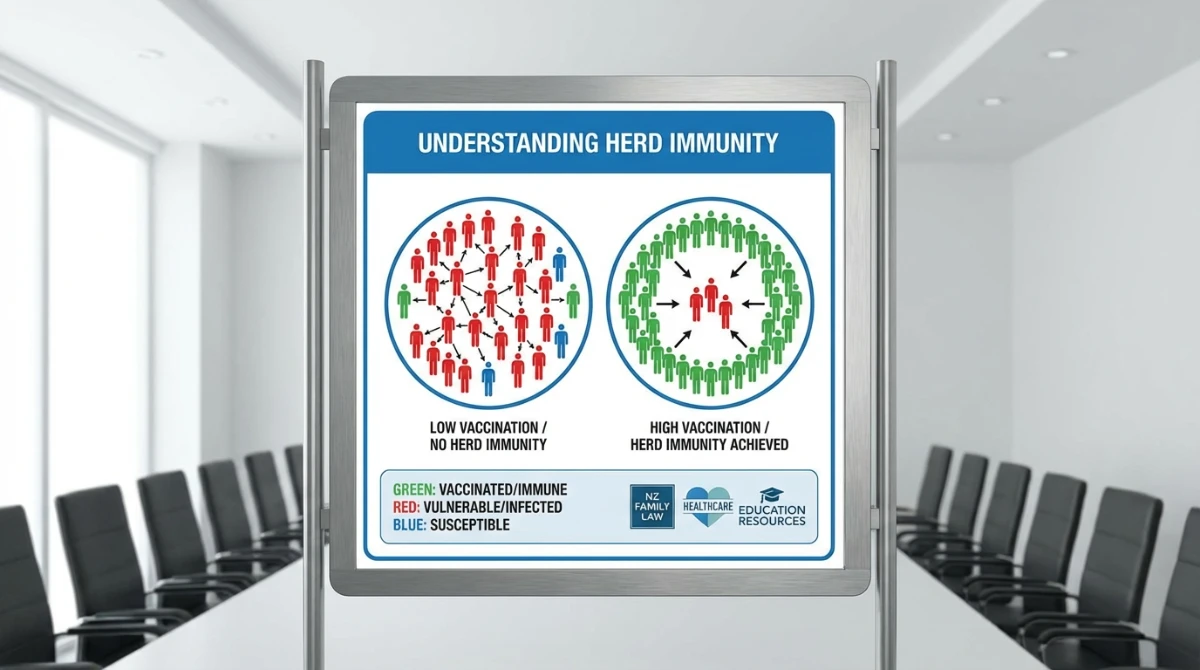
The implementation of the nz child immunisation schedule is not merely a personal health choice but a vital component of public health infrastructure. When a high percentage of the population is vaccinated—typically 95% for highly contagious diseases like Measles—”herd immunity” is achieved. This community immunity protects those who cannot be vaccinated due to medical reasons, such as severe allergies or compromised immune systems. According to the Ministry of Health – Manatū Hauora, maintaining high coverage rates is the only way to prevent outbreaks that can strain the healthcare system.
Clinically, vaccines work by mimicking an infection. This mimicry does not cause illness but prompts the body to produce T-lymphocytes and antibodies. Sometimes, after getting a vaccine, the imitation infection can cause minor symptoms, such as fever. This is a normal sign that the body is building immunity. Understanding these biological processes helps parents feel more confident in following the schedule accurately.
Age-by-Age Breakdown of New Zealand Vaccinations
The schedule is broken down into specific milestones. Adhering to these dates is crucial because they are timed to provide protection when maternal antibodies begin to fade.
6 Weeks: The Initial Foundation
At six weeks, infants receive their first major round of protection. This includes:
- Rotavirus: An oral vaccine to protect against severe vomiting and diarrhea.
- DTaP-IPV-HepB/Hib: A 6-in-1 vaccine covering Diphtheria, Tetanus, Pertussis (whooping cough), Polio, Hepatitis B, and Haemophilus influenzae type b.
- Pneumococcal: Protects against bacteria that can cause pneumonia, meningitis, and ear infections.
3 Months and 5 Months: Strengthening the Response
At the 3-month and 5-month marks, the child receives subsequent doses of the 6-in-1 vaccine and the Pneumococcal vaccine. These doses are essential for building a robust and lasting immune memory. Without these follow-up injections, the child’s immunity may remain partial and insufficient to ward off a full-scale infection.
12 Months and 15 Months: Toddler Milestones
The focus shifts at one year of age. The 12-month visit typically includes the MMR (Measles, Mumps, and Rubella) vaccine and the first dose of the Meningococcal B vaccine. At 15 months, boosters for Hib and Varicella (Chickenpox) are administered. This transition period is critical as toddlers begin to interact more frequently with other children in daycare settings.
Specific Diseases and Their Preventative Measures
To understand why the nz child immunisation schedule is so detailed, one must look at the diseases it prevents. For example, Pertussis (Whooping Cough) is particularly dangerous for infants under six months. By vaccinating at 6 weeks, 3 months, and 5 months, the schedule creates a shield during the most high-risk period. Similarly, Measles is one of the most contagious viruses known to man; a single case can lead to 15 or more new infections in an unvaccinated population. The history of vaccination in New Zealand shows that before the MMR vaccine was introduced, measles outbreaks were a regular and tragic occurrence.
Other diseases addressed by the schedule include:
- Tetanus: Caused by bacteria found in soil, which enters the body through cuts. It is not contagious but can be fatal.
- Hepatitis B: A viral infection that attacks the liver and can cause chronic disease.
- HPV (Human Papillomavirus): Usually administered at age 12, this vaccine prevents several types of cancer later in life.
Managing Side Effects and Vaccine Safety Protocols
Safety is the primary concern for both parents and the medical community. Every vaccine on the nz child immunisation schedule undergoes rigorous testing and clinical trials before being approved for use by Medsafe, New Zealand’s medicines safety authority. Furthermore, the World Health Organization monitors global data to ensure ongoing safety.
Common side effects are generally mild and temporary. They include:
- Mild fever (usually resolving within 24–48 hours).
- Redness or swelling at the injection site.
- Irritability or sleepiness in infants.
- A small lump at the site of injection, which can last for a few weeks.
To manage these, healthcare providers recommend plenty of fluids, cuddles, and if necessary, liquid paracetamol as directed by a doctor. Serious reactions, such as anaphylaxis, are extremely rare and occur in approximately one in a million doses. NZ clinics are fully equipped to handle such emergencies immediately.
How to Access Immunisation Services in New Zealand
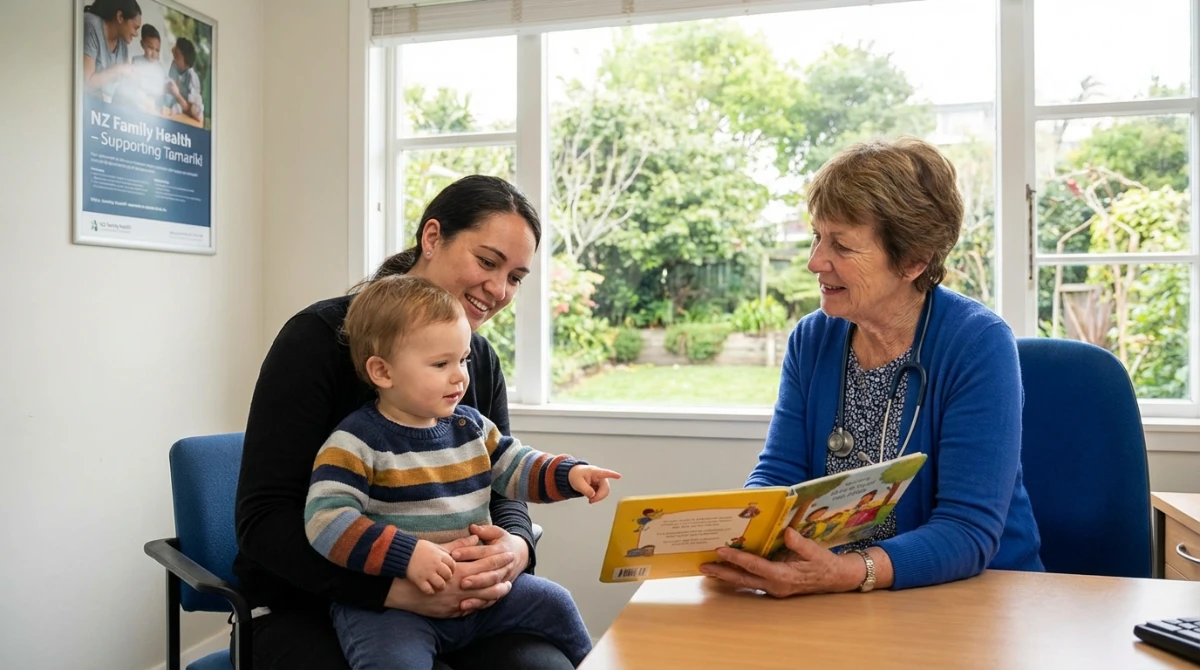
Accessing the nz child immunisation schedule is straightforward and designed to be barrier-free. Most vaccinations are carried out at your local General Practice (GP) clinic by a practice nurse. For many families, these visits are part of the Well Child Tamariki Ora service, a series of free health visits for all New Zealand children from birth to five years.
Additionally, New Zealand has introduced the Aotearoa Immunisation Register (AIR), a digital platform that records all immunisations given. This ensures that even if you move cities or change GP clinics, your child’s records are easily accessible to authorized healthcare providers. School-based programmes also play a large role, particularly for the HPV and Tdap boosters given in Year 7 and 8.

Conclusion and Key Takeaways
The nz child immunisation schedule is more than just a list of needles; it is a scientifically-backed health strategy designed to give every child in New Zealand the best possible start in life. By following the schedule, parents protect their children from debilitating diseases and contribute to the safety of the entire community. Staying informed, maintaining an open dialogue with your GP, and keeping track of milestones via the AIR are the best ways to navigate this essential aspect of healthcare.
Key Takeaways for Parents:
- Timing is Everything: Stick to the 6-week, 3-month, and 5-month milestones to ensure early protection.
- It is Free: All vaccines on the national schedule are provided at no cost to families.
- Safety First: Vaccines are monitored globally and by Medsafe NZ for the highest safety standards.
- Record Keeping: Ensure your child’s vaccinations are recorded in the Aotearoa Immunisation Register (AIR).
- Herd Immunity: High vaccination rates protect the most vulnerable members of our society.
For more information, consult your healthcare provider or visit the official Te Whatu Ora website to view the most current version of the immunisation schedule.