Household Utility & Essential Savings: Finding the Cheapest Electricity Providers NZ
Identifying the cheapest electricity providers nz requires a deep understanding of regional pricing, user categories, and seasonal fluctuations to ensure your household budget remains sustainable throughout the year. For most New Zealand families, the key to the lowest bill is not just the unit rate, but a combination of prompt payment discounts, bundling options, and choosing between Low User and Standard User plans based on your actual annual consumption (usually 8,000kWh per year threshold).
Table of Contents
The Definitive Guide to Cheapest Electricity Providers NZ
The energy landscape in Aotearoa has shifted significantly over the last decade. With the introduction of independent retailers and the phase-out of some low-user regulations, Kiwi consumers have more choices than ever.
When searching for the cheapest electricity providers nz, you must consider the ICP (Installation Control Point) specific to your property. No two households pay exactly the same rate due to line charges and transmission costs.

- Check your annual kWh usage on your latest bill.
- Identify if you are on a ‘Low User’ or ‘Standard User’ plan.
- Look for ‘Hour of Free Power’ incentives common with modern retailers.
- Verify if a dual-fuel discount (Electricity + Gas) applies to your home.
Major players like Mercury, Genesis, and Contact Energy often offer high stability and bundled rewards. However, challengers such as Electric Kiwi, Flick Electric, and Powershop frequently disrupt the market with competitive spot-pricing models or niche discounts.
How do I switch electricity providers in New Zealand?
Switching electricity providers is a seamless process designed to encourage market competition and consumer mobility. You do not need to change any physical wiring or hardware at your residence.
Simply choose your new provider and sign up online. Your new retailer will contact your old one to settle the final meter reading and transfer the account details without any power interruption.

Most transitions take between 3 to 10 working days. It is essential to check if your current contract has a break fee, especially if you are on a fixed-term plan with a major retailer.
We recommend using tools like Powerswitch (Consumer NZ) to get an unbiased view of the current rates in your specific suburb.
“Energy switching remains the single most effective way for the average New Zealand household to save up to $400 annually on their utility spend without changing their lifestyle habits.” — Energy Sector Analyst
What is the cheapest electricity provider in Auckland?
In Auckland, the competition is fierce due to the high density of consumers and the presence of the Vector lines network. The ‘cheapest’ provider often depends on your specific lifestyle.
For those who work from home, a provider with lower day rates is vital. For families who run heavy appliances at night, ‘Free Hour of Power’ providers like Electric Kiwi often come out on top.

- Vector network areas often have different line charges than United Energy or Orion.
- Spot-price retailers like Flick can be significantly cheaper in Auckland during temperate seasons.
- Traditional retailers offer better ‘sign-up’ credits which can offset costs for the first 12 months.
According to data from the Ministry of Business, Innovation and Employment (MBIE), regional pricing variations can exceed 15% between North Island and South Island districts.
Are fixed-rate electricity plans better than spot pricing?
This is the classic dilemma for Kiwi bill-payers. Fixed-rate plans provide peace of mind. You know exactly what you will pay per kWh for the duration of your contract, typically 12 to 24 months.
Spot pricing, on the other hand, allows you to pay the wholesale market price. This can be incredibly cheap when hydro lakes are full and wind generation is high, but prices can spike during cold, calm winter evenings.

If you have a flexible household—meaning you can delay your laundry or dishwasher during peak times—spot pricing may yield the highest savings. However, for large families with rigid schedules, fixed rates are generally safer.
Energy Efficiency and Long-Term Savings
Lowering your bill isn’t just about finding the cheapest electricity providers nz; it’s about reducing demand. New Zealand homes often struggle with dampness and heat loss, particularly older villas.
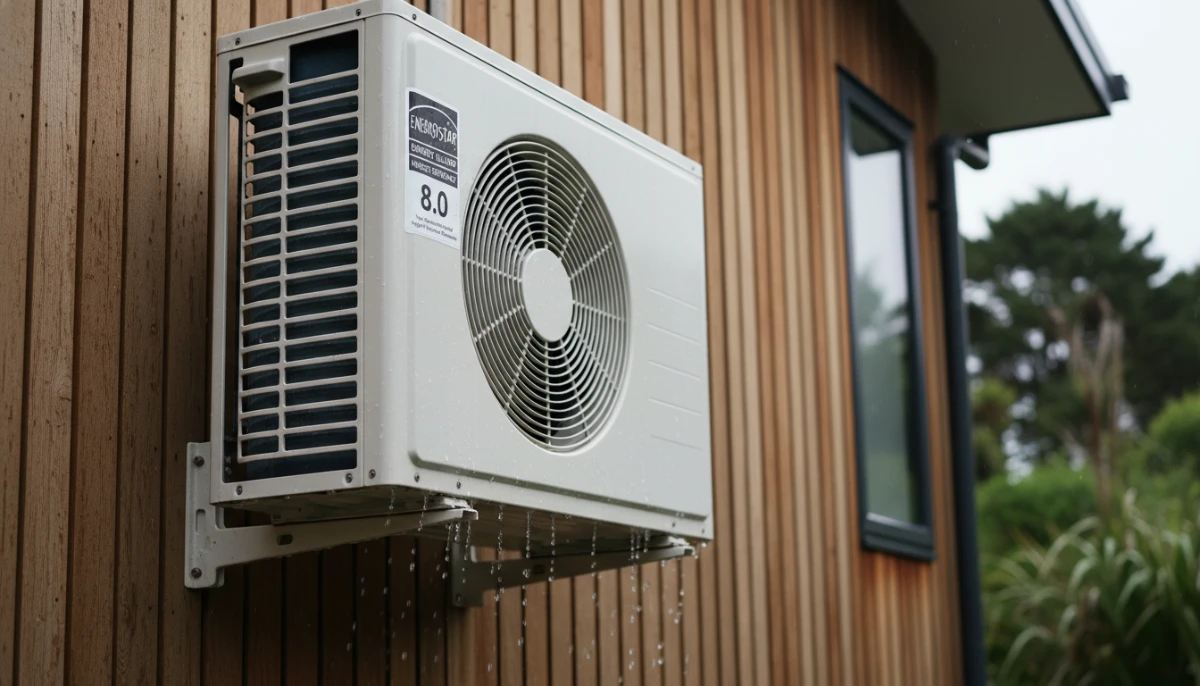
Installing LED lighting can reduce your lighting energy spend by up to 80%. Similarly, ensuring your heat pump filters are cleaned regularly maintains efficiency and lowers the draw on the grid during winter months.
- Install thermal curtains to keep the heat in during cold South Island winters.
- Use cold water washes for laundry whenever possible.
- Monitor the Winter Energy Payment if you are a senior or on a benefit to offset costs.
- Consider solar panel installation if you are a high daytime user with a north-facing roof.
Key Takeaways
- Compare Annually: The cheapest provider today may not be the cheapest in 12 months.
- Understand Your User Category: Ensure you are on a Low User plan if you use less than 8,000kWh (6,000kWh in parts of the South Island).
- Leverage Technology: Use apps to monitor usage and shift heavy loads to off-peak hours.
- Check for Bundles: Combining broadband and power can often lead to a lower total monthly spend.
- Read the Fine Print: Watch out for exit fees and the difference between ‘guaranteed’ and ‘prompt payment’ discounts.
About the Expert
Alastair Sterling is a Senior Utility Consultant with over 15 years of experience in the New Zealand energy market. He specializes in consumer advocacy and has helped thousands of Kiwi families navigate the complexities of the national grid and retail pricing structures. Alastair holds a degree in Economic Policy from the University of Auckland.