Grandparent Caregiver Guides: Essential Support for Raising Grandchildren in NZ
Taking on the role of a primary caregiver for your grandchildren is an act of profound love and dedication. In Aotearoa New Zealand, many grandparents step into this vital role, often unexpectedly, providing a stable and loving home when parents are unable to. This journey, while incredibly rewarding, comes with its own unique set of challenges, from understanding legal rights to navigating support systems and ensuring your mokopuna thrive.
This comprehensive guide is designed to empower you, the grandparent caregiver, with the knowledge and resources you need. We’ll explore the legal landscape, highlight available support services, help you navigate the education system, and offer advice on maintaining healthy family relationships. Our goal is to ensure you feel supported and equipped as you embark on or continue this incredibly important journey of grandparent raising grandchildren NZ.
Table of Contents
Understanding Your Legal Rights as a Grandparent Caregiver
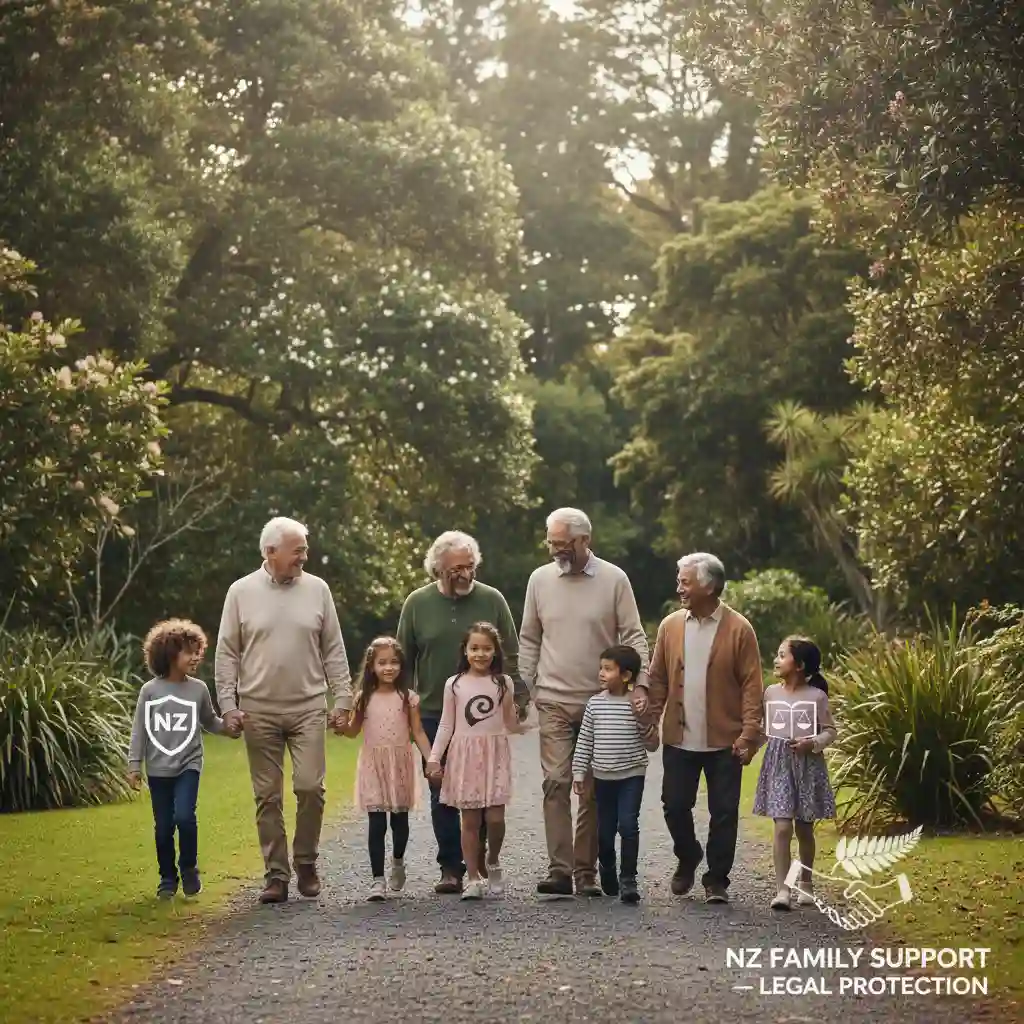
When you become the primary caregiver for your grandchildren, one of the first and most critical steps is to understand your legal standing. This not only provides stability for the children but also grants you the authority to make important decisions regarding their welfare, health, and education. In New Zealand, several legal pathways exist for grandparents providing full-time care.
Key Legal Orders to Consider
- Parenting Order: This is a court order that outlines who the child lives with and how often they see others (like parents). It can specify that the children live with you.
- Guardianship Order: A guardian has responsibility for important decisions about a child’s care, development, and upbringing. While parents are usually guardians, if they are unable or unwilling, the court can appoint a grandparent as an additional or sole guardian.
- Welfare Orders: In cases where child safety is a concern, Oranga Tamariki (Ministry for Children) may become involved, and specific welfare orders can be made that place children in the care of a grandparent.
“Understanding your legal rights as a grandparent caregiver in NZ is paramount. It empowers you to act decisively in your grandchildren’s best interests and provides a secure foundation for their future.”
Step-by-Step: Applying for a Parenting Order
- Seek Legal Advice: Contact a lawyer specialising in family law. Many firms offer free initial consultations, and legal aid may be available.
- Mediation First: Before applying to the Family Court, you’ll generally need to attend Family Dispute Resolution (FDR) to try and agree on parenting arrangements.
- File an Application: If FDR is unsuccessful or unsuitable, your lawyer will help you prepare and file an application for a Parenting Order with the Family Court.
- Court Process: This may involve hearings, evidence submission, and potentially a lawyer for the child to represent their views.
- Receive the Order: Once issued, the Parenting Order is legally binding, stipulating who has care of the children.
Accessing Vital Support Services for Grandparents
Navigating the Financial Well-being & Planning, emotional, and practical demands of full-time caregiving requires a strong support network. Fortunately, in New Zealand, there are various resources specifically designed to offer grandparent caregiver support.
Government Support through Work and Income (WINZ)
Work and Income provides several benefits that grandparent caregivers may be eligible for:
- Unsupported Child Benefit (UCB) / Orphan’s Benefit (OB): These are weekly payments to caregivers of children whose parents can’t care for them due to serious family issues, illness, or death.
- Accommodation Supplement: Helps with rent, board, or home ownership costs if you’re not getting a specific housing benefit.
- Childcare Subsidy: Helps with the cost of pre-school childcare.
- Special Needs Grant: For urgent costs you can’t pay yourself, like medical expenses or essential household items. Beyond immediate financial relief, many grandparents also consider long-term Saving & Investing for Children’s Future to ensure lasting security.
Stat Callout:
Research indicates that approximately 1.8% of New Zealand children live in a grandparent-headed household. This highlights the significant role grandparents play and the ongoing need for dedicated support services. (Source: Families Commission, 2011 & subsequent analyses)
Community and Non-Governmental Organisation (NGO) Support
Beyond government aid, a wealth of community-based support networks can provide invaluable assistance:
- Grandparents Raising Grandchildren Trust NZ: This national organisation offers advocacy, support groups, information, and a helpline.
- Caregivers NZ: Provides information, advice, and advocacy for all types of caregivers, including grandparents.
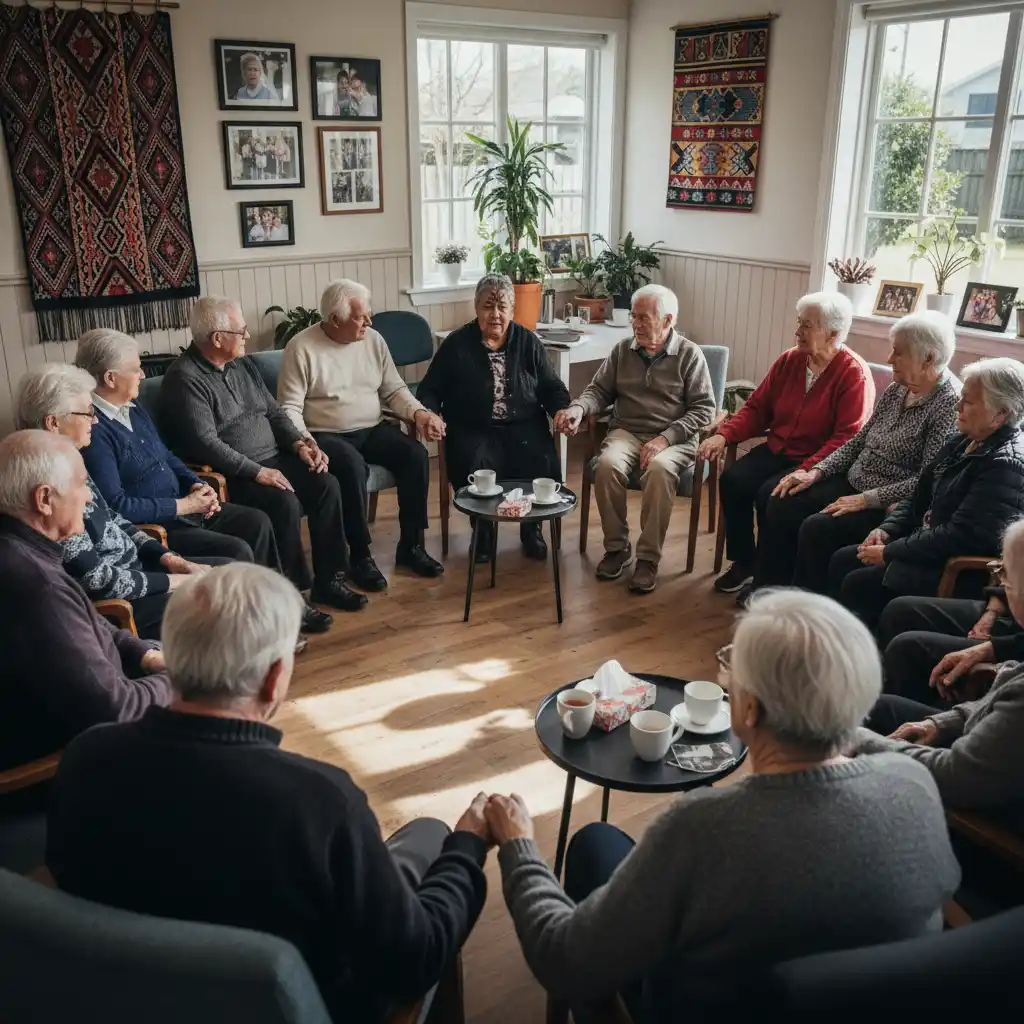
- Local Support Groups: Connecting with other grandparents in similar situations can reduce isolation and provide practical advice and emotional support. Look for groups through community centres or online forums.
- Counselling Services: Many organisations offer free or subsidised counselling for caregivers to help manage stress, grief, and other emotional challenges.
Navigating the Education System for Your Grandchildren
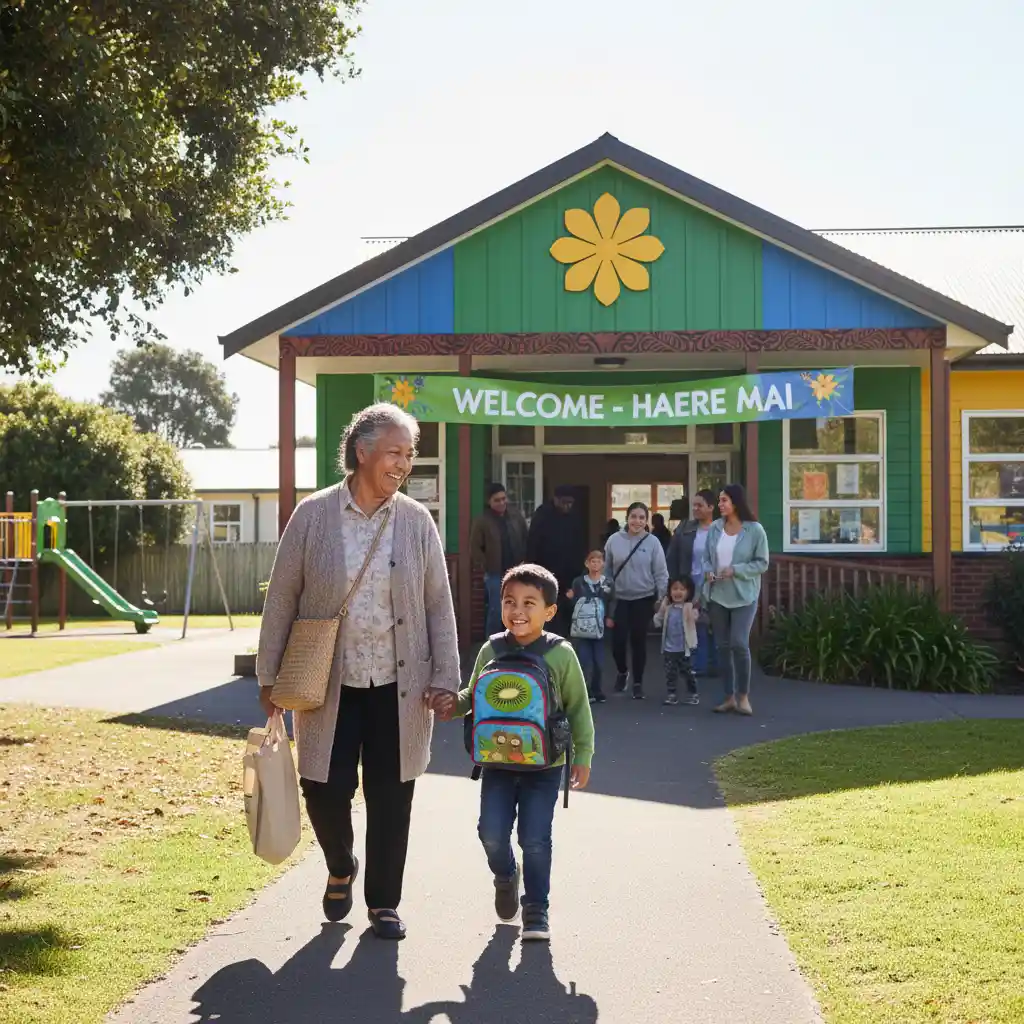
Ensuring your grandchildren receive a good education is likely a top priority. As a grandparent caregiver, you’ll be their primary advocate within the education system. This involves everything from enrolment to ongoing communication with teachers and addressing any special learning needs, including exploring the Benefits Of Bilingual Education if culturally or academically appropriate.
Action Checklist: Engaging with Schools Effectively
- Formal Enrolment: Ensure you have the necessary legal documents (Parenting Order, Guardianship Order) to enrol your grandchildren in school. Contact the school directly for their specific enrolment process.
- Communicate Your Role: Inform the school administration and teachers about your role as the primary caregiver. This helps them understand the family dynamics and provides context for the child’s behaviour or needs.
- Attend School Meetings: Prioritise parent-teacher conferences, school events, and any meetings regarding your grandchild’s progress or wellbeing. Your presence shows support and ensures you’re informed.
- Advocate for Special Needs: If your grandchild has learning difficulties, behavioural challenges, or special educational needs, work closely with the school’s Special Education Needs Coordinator (SENCO) to access appropriate support and resources.
- Understand School Policies: Familiarise yourself with school policies on attendance, homework, discipline, and communication.
- Seek Support: If you face difficulties with the school, don’t hesitate to seek support from advocacy groups or even a legal professional if necessary.
Many schools are incredibly supportive of grandparent caregivers and are keen to work collaboratively to ensure the best outcomes for students.
Maintaining Relationships with Parents: A Delicate Balance
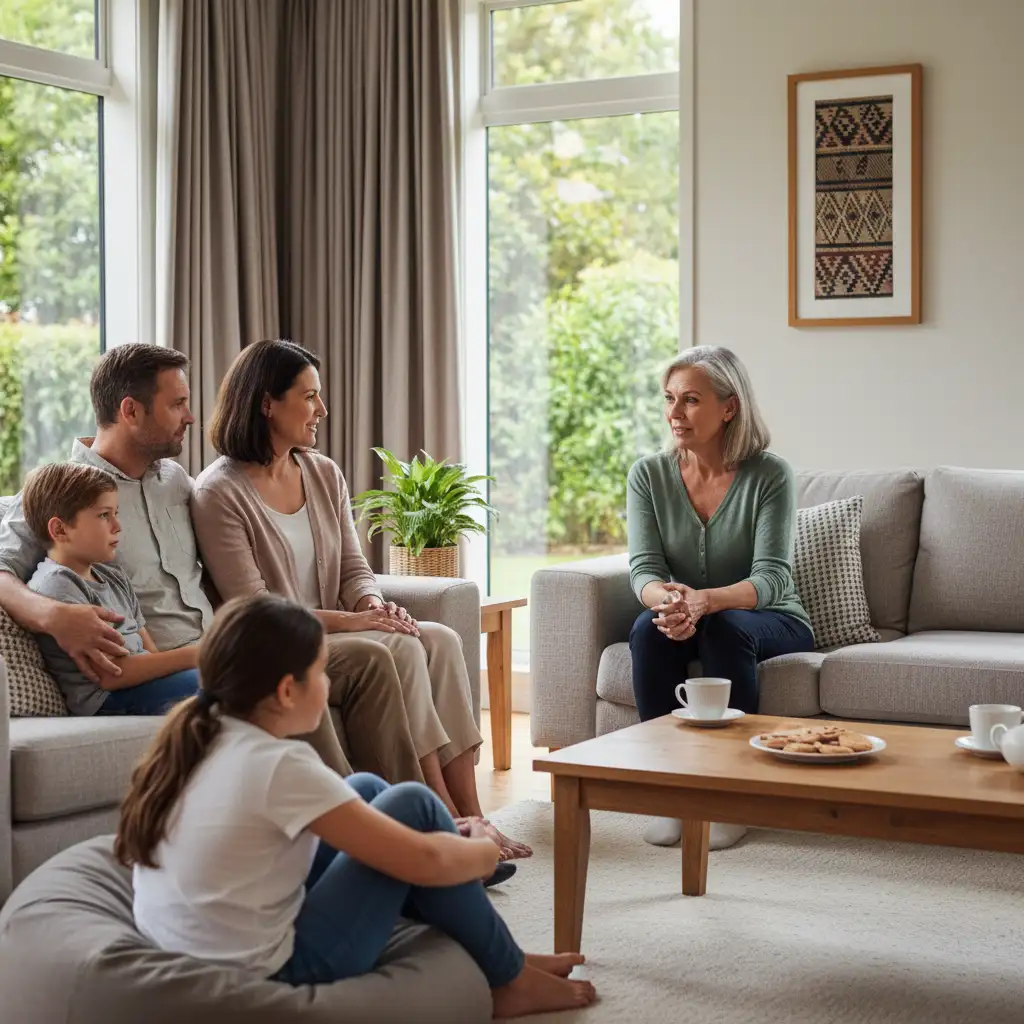
One of the most complex aspects of grandparent raising grandchildren NZ can be managing the relationship with the children’s parents. This dynamic requires sensitivity, clear boundaries, and often, a lot of patience. The goal is always to act in the best interests of the children, which often includes facilitating a healthy, safe relationship with their parents where possible.
Strategies for Positive Engagement
- Establish Clear Boundaries: Define roles and expectations from the outset. Clearly communicate what is and isn’t acceptable regarding visits, communication, and decision-making. If there’s a court order, adhere strictly to its terms.
- Focus on the Children’s Needs: Keep the children’s emotional and physical safety and wellbeing as the central focus of all interactions. Avoid discussing adult issues in front of the children.
- Consistent Communication (When Appropriate): If safe and beneficial, establish a consistent communication plan. This could be regular updates, shared calendars for visits, or agreed-upon contact methods.
- Seek Mediation: If communication becomes strained or difficult, consider professional mediation. A mediator can help facilitate conversations and establish agreements in a neutral, structured environment.
- Protect the Children: In situations where contact with a parent is detrimental to the child’s wellbeing, you may need to restrict or supervise visits. Always refer to your legal orders and seek advice if concerned.
“The strength of a family lies in its ability to adapt and support its members. For grandparent caregivers, fostering respectful, boundaries-based relationships with parents is crucial for the children’s emotional security.”
The role of a grandparent caregiver is profound and impactful. By understanding your legal rights, proactively seeking available support, diligently navigating the education system, and thoughtfully managing family relationships, you are providing a foundation of love, stability, and security for your grandchildren.
Remember, you are not alone in this journey. New Zealand offers a wealth of resources and communities dedicated to supporting grandparents who are raising their mokopuna. Embrace the support available, and celebrate the incredible difference you are making in their lives.
Frequently Asked Questions (FAQ)
Q: What legal options do I have if I’m a grandparent raising grandchildren in NZ without a formal court order?
A: While you can provide care without a formal order, having a Parenting Order or Guardianship Order from the Family Court is highly recommended. It grants you legal authority to make critical decisions (e.g., medical, education) and provides stability. You can also apply for the Unsupported Child Benefit or Orphan’s Benefit through Work and Income (WINZ) even without a court order, but a formal care arrangement strengthens your application.
Q: What financial support is available for grandparent caregivers in New Zealand?
A: Grandparent caregivers may be eligible for the Unsupported Child Benefit (UCB) or Orphan’s Benefit (OB) through Work and Income (WINZ), which are weekly payments. Other potential supports include the Accommodation Supplement, Childcare Subsidy, and Special Needs Grants. It’s best to contact WINZ directly to discuss your specific eligibility.
Q: How can I connect with other grandparent caregivers for support?
A: Organisations like the Grandparents Raising Grandchildren Trust NZ offer national support, including helplines, local support groups, and resources. Caregivers NZ also provides general caregiver support. Many local community centres or online forums can also connect you with others in similar situations.
Q: What if the children’s parents want contact, but I believe it’s not safe for the children?
A: The children’s safety and wellbeing are paramount. If you have a court order, it will outline contact arrangements. If you believe contact is unsafe, you should seek legal advice immediately. The Family Court can make orders for supervised contact or no contact if it’s in the child’s best interests. Oranga Tamariki may also be involved in such situations.
References & Further Reading
- Ministry of Justice NZ: Family Court Information, Parenting Orders. justice.govt.nz
- Work and Income (WINZ): Benefits and payments for caregivers. workandincome.govt.nz
- Grandparents Raising Grandchildren Trust NZ: Support and resources for grandparent caregivers. grg.org.nz
- Caregivers NZ: Information and advocacy for all caregivers. caregivers.org.nz
- Oranga Tamariki – Ministry for Children: Information on child protection and care. orangatamariki.govt.nz
- Families Commission: Report on Grandparent-headed Households in New Zealand (2011) – *Note: While a specific link to the 2011 report might be hard to find, the Families Commission’s work is foundational.*