Government Assistance Navigation: The Definitive Guide to Government Assistance NZ
Understanding the landscape of government assistance NZ is essential for ensuring your family’s well-being and financial stability in an ever-changing economic environment. This comprehensive guide serves as a beacon for New Zealanders navigating the complex web of social security, healthcare subsidies, housing support, and community services provided by the state. Whether you are a first-time applicant or looking to understand the nuances of specific entitlements, this exhaustive resource provides the professional clarity required to access the support you deserve.
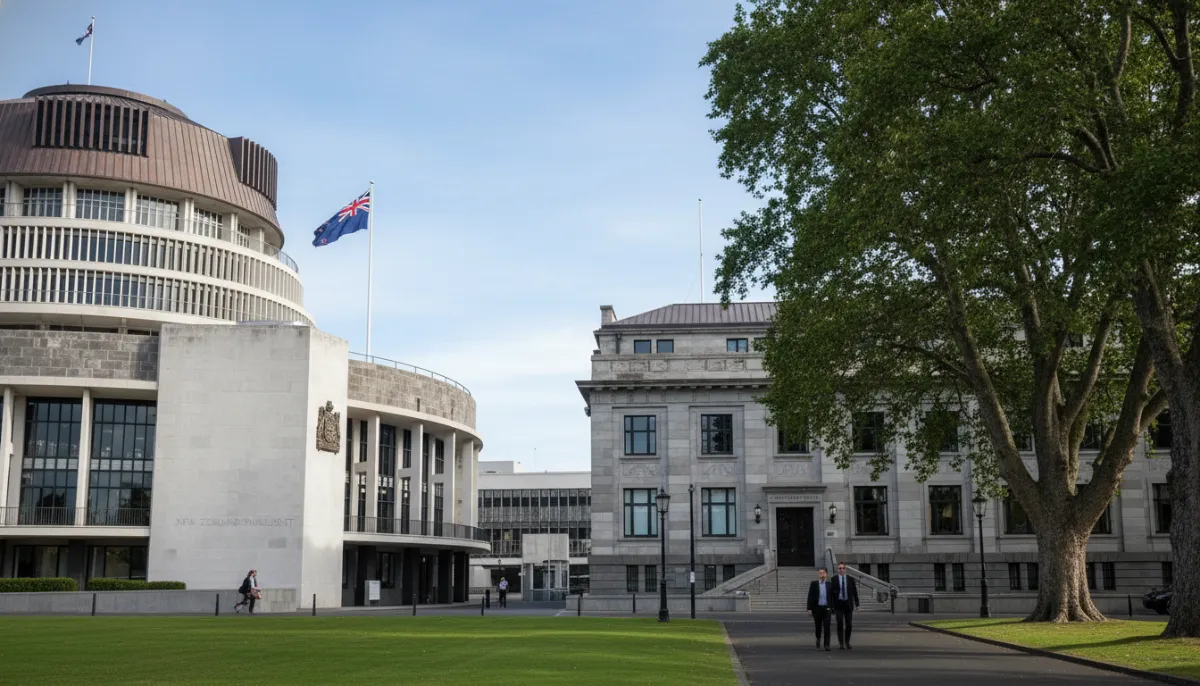
Navigating Government Assistance NZ: A Comprehensive Overview
The New Zealand social safety net is a sophisticated ecosystem designed to provide a floor of support for all citizens and residents. The concept of government assistance NZ encompasses a wide range of services managed primarily by the Ministry of Social Development (MSD), Inland Revenue (IRD), and the Ministry of Health. To effectively navigate this system, one must understand that eligibility is often tiered based on income, residency, and specific life circumstances.
In New Zealand, the social security system is non-contributory, meaning it is funded through general taxation rather than specific social security levies. This allows for a broad application of benefits, but also necessitates a rigorous assessment process to ensure that funds are directed toward those with the highest need. From the ‘Working for Families’ tax credits to the ‘Accommodation Supplement’, the system is designed to be responsive to the high cost of living, particularly in major urban centers like Auckland, Wellington, and Christchurch.
Primary Pillars of Government Assistance NZ
The core of government assistance NZ rests on three major organizational pillars. Each pillar handles specific types of support, and understanding which agency to contact is the first step in the navigation process.
- Work and Income (WINZ): A service of the Ministry of Social Development, WINZ is the primary point of contact for main benefits, including Jobseeker Support, Sole Parent Support, and Supported Living Payments. They also manage hardship grants and the Accommodation Supplement.
- Inland Revenue (IRD): IRD manages social policy functions that are integrated into the tax system. This includes the Working for Families tax credits, Paid Parental Leave, and Child Support collection and disbursement.
- Ministry of Health (Te Whatu Ora): This pillar manages healthcare-related assistance, including the Community Services Card, High Use Health Cards, and subsidies for prescription costs and primary healthcare visits.
These pillars do not operate in isolation. For example, your eligibility for a Community Services Card is often automatically triggered by the type of benefit you receive through Work and Income. Coordination between these agencies is vital for a seamless user experience, although the burden of disclosure remains with the individual to ensure all information is current and accurate.

Financial Support for Families and Children
The New Zealand government prioritizes the well-being of children through the ‘Working for Families’ (WFF) package. This is a primary form of government assistance NZ for parents and caregivers. The package is divided into four distinct components, each targeting different needs.
1. Family Tax Credit
This is the main payment for each dependent child in your care. The amount is determined by your total family income and the number of children you have. It is paid regardless of whether you are in work or receiving a benefit, though the rate tapers off as income increases.
2. In-Work Tax Credit
Designed to support families who are in paid employment, this credit provides extra financial help to families who are not receiving a main benefit. To qualify, you generally must be working a minimum number of hours, although recent legislative changes have focused on making this more accessible to a wider range of working families.
3. Best Start Tax Credit
The Best Start payment is a universal payment for all families with a newborn baby in their first year of life, regardless of income. For the second and third years, the payment becomes income-tested. This initiative recognizes the significant costs associated with the early years of child-rearing.
4. Minimum Family Tax Credit
This credit ensures that a family’s total income does not fall below a certain threshold if they are working a required number of hours. It effectively tops up the income of lower-earning working families to ensure they are always better off working than not.
Housing and Accommodation Supplements
Housing affordability is a significant challenge in New Zealand. To mitigate this, government assistance NZ includes several mechanisms to help with the cost of rent, board, or home ownership.
The Accommodation Supplement is the most widely accessed housing benefit. It is a non-taxable payment that helps cover the cost of your accommodation. The amount you receive depends on:
- Your income and assets (and those of your partner).
- Your actual accommodation costs (rent, board, or mortgage/insurance/rates).
- Your location (New Zealand is divided into different ‘areas’ with different maximum payment caps).
Furthermore, Kāinga Ora (Homes and Communities) manages public housing for those in greatest need. Eligibility for public housing involves an ‘Income and Asset Test’ and an assessment of your current housing situation. If you are eligible, you are placed on the Social Housing Register, and your rent is capped at 25% of your income (Income-Related Rent).

Health and Disability Services
Maintaining health and managing disabilities can be expensive. Government assistance NZ provides substantial relief through various subsidies and allowances. The Community Services Card is the cornerstone of this support, reducing the cost of GP visits, prescriptions, and after-hours medical care.
For those with long-term conditions, the Disability Allowance is available. This is a weekly payment for people who have ongoing additional costs because of a disability. It can cover things like doctor’s visits, pharmacy fees, travel for medical appointments, and even extra heating costs. It is important to note that you do not need to be on a benefit to receive the Disability Allowance, provided your income is below the required threshold.
Additionally, the Supported Living Payment is a main benefit for people who have a permanent and severe condition that restricts their ability to work, or for those who are caring full-time for someone at home who would otherwise need hospital-level care.
Emergency and One-Off Financial Assistance
Life is unpredictable, and sometimes families face sudden, urgent costs. Work and Income provides ‘Hardship Assistance’ as a critical part of government assistance NZ. These are often one-off payments to help with essential needs.
- Food Grants: If you cannot afford to buy food for yourself or your family.
- Emergency Maintenance: For urgent repairs to your home or essential appliances like a fridge or washing machine.
- Medical Costs: For urgent dental treatment or unexpected medical bills.
- Civil Defence Payments: Triggered during natural disasters (like floods or earthquakes) to help with displacement, food, and clothing.
Many of these grants are ‘non-recoverable’, meaning you do not have to pay them back. However, some assistance, such as help with a bond for a new rental property, is ‘recoverable’ and must be repaid over time through small deductions from your future benefit or wages.
Education and Training Support
To improve long-term outcomes, the government encourages upskilling through StudyLink. This branch of MSD manages student loans and allowances. The Student Allowance is a weekly payment to help with living costs while you study, and unlike a loan, it does not have to be paid back if you pass your courses. It is income-tested based on both your income and often your parents’ income if you are under 24.
For those already receiving a benefit, the Training Incentive Allowance (TIA) can help with the costs of attending a course that will help you get a job. This can cover fees, books, and childcare while you are studying.

Community Support and NGO Partnerships
Government assistance NZ is not just about direct cash transfers. The government also funds various non-governmental organizations (NGOs) to provide specialized support. Organizations like the Salvation Army, Citizens Advice Bureau (CAB), and local Budgeting Services work in tandem with state agencies.
These community partners offer:
- Financial mentoring and debt management.
- Food banks and community pantries.
- Advocacy when dealing with government departments.
- Family violence support and counseling.
These services are vital for those who may find the formal government application process daunting or who require more holistic, face-to-face support than a call center can provide.
The Application Process: Steps to Success
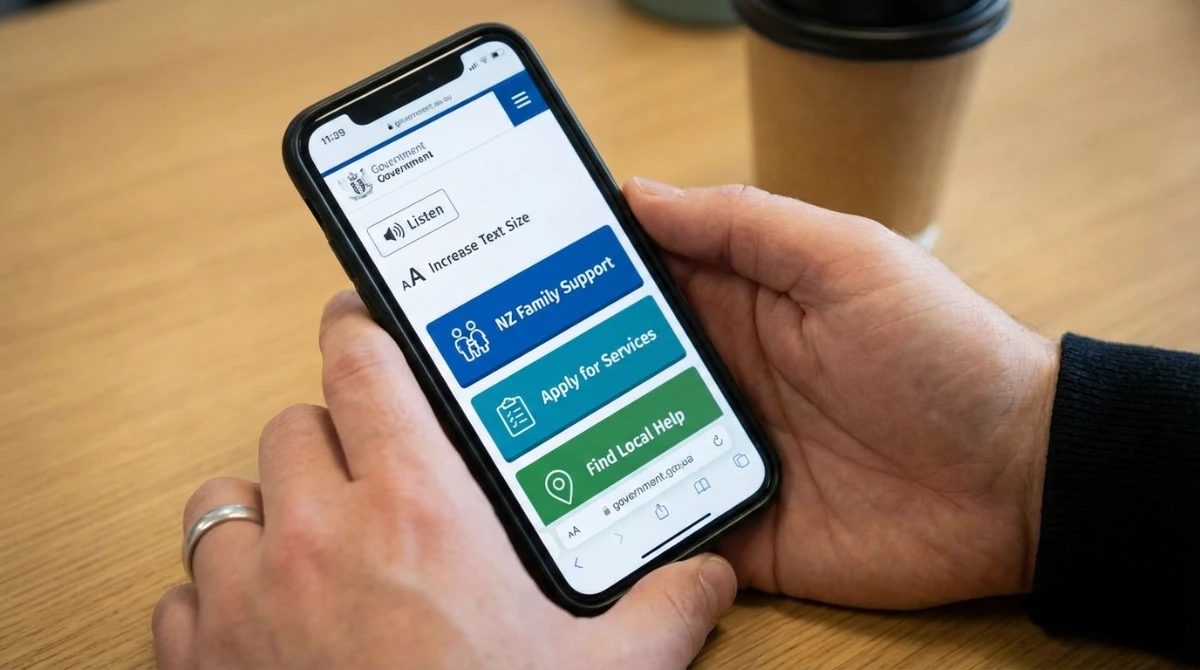
Applying for government assistance NZ has become increasingly digital. The MyMSD portal is the primary tool for managing your relationship with Work and Income. Here is a standardized approach to a successful application:
- Check Eligibility: Use the ‘Check What You Might Get’ tool on the Work and Income website.
- Gather Documentation: You will need your IRD number, valid ID (Passport or Driver’s License), bank account details, and proof of your income and costs (like a tenancy agreement or utility bills).
- Apply Online: Complete the application through MyMSD. Ensure you disclose all relevant information to avoid delays.
- Attend an Interview: In some cases, you may be required to have a phone or in-person interview with a case manager to verify your details.
- Maintain Compliance: Once granted, you must inform the relevant agency of any changes in your circumstances, such as a change in income, relationship status, or address.
Conclusion
Navigating the various avenues of government assistance NZ can significantly impact the quality of life for individuals and families. From housing stability provided by the Accommodation Supplement to the foundational support of Working for Families tax credits, the system is built to provide security during times of need. By understanding the roles of WINZ, IRD, and the Ministry of Health, and by utilizing digital tools like MyMSD, New Zealanders can ensure they are accessing their full entitlements. Remember that support is not just financial; the network of community partners and NGOs stands ready to provide guidance and advocacy, ensuring no one has to navigate the system alone.
Key Takeaways
- Multi-Agency Approach: Support is spread across MSD (WINZ), IRD, and the Ministry of Health.
- Family Focus: Working for Families and Best Start payments are vital for parents.
- Housing Help: The Accommodation Supplement is available for rent, board, and mortgage costs.
- Digital First: MyMSD and MyIR are the primary portals for applications and management.
- Health Subsidies: Use the Community Services Card to lower medical expenses.
- Community Resources: Don’t hesitate to contact the Citizens Advice Bureau or local budgeting services for advocacy.