Finding a SENCO Support Person
Est. Read Time: 12 mins | Last Updated: 22 December 2025 01:02 AM
Finding a SENCO support person is the most critical step for parents navigating the New Zealand education system when their child requires additional learning assistance. A SENCO support person acts as the central hub between the Ministry of Education (MoE), the school faculty, and external health providers to ensure that every student has an equitable opportunity to learn and thrive within the inclusive framework of the New Zealand Curriculum.

What is a SENCO support person and why do you need one?
In the Aotearoa New Zealand context, the term SENCO stands for Special Educational Needs Coordinator.
A SENCO support person is an educator or administrator responsible for overseeing the school’s provision for students with disabilities or learning difficulties.
You need this professional because they understand the complex landscape of Resource Teachers: Learning and Behaviour (RTLB), Learning Support Assistants (LSAs), and the Ongoing Resourcing Scheme (ORS).
Without a dedicated SENCO support person, your child may miss out on essential accommodations, such as assistive technology, modified assessments, or sensory room access.
“The SENCO is the bridge between a child’s potential and the resources required to unlock it. In NZ, this role is increasingly vital as we move toward truly inclusive classrooms.” — Aroha Thompson, Educational Advocate
- Coordination of Individual Education Plans (IEPs).
- Liaison with the Ministry of Education (MoE).
- Management of Teacher Aide hours.
- Sourcing specialized learning equipment.
- Supporting teachers with classroom differentiation.
How do I find a SENCO support person in New Zealand schools?
Finding a SENCO support person starts at the local level.
Most New Zealand primary and secondary schools are required to have a designated staff member in this role, although in smaller rural schools, this might be the Principal or a Deputy Principal.
To begin your search, visit your school’s official website or physical office.
Ask specifically for the “Learning Support Coordinator” or the “SENCO.”
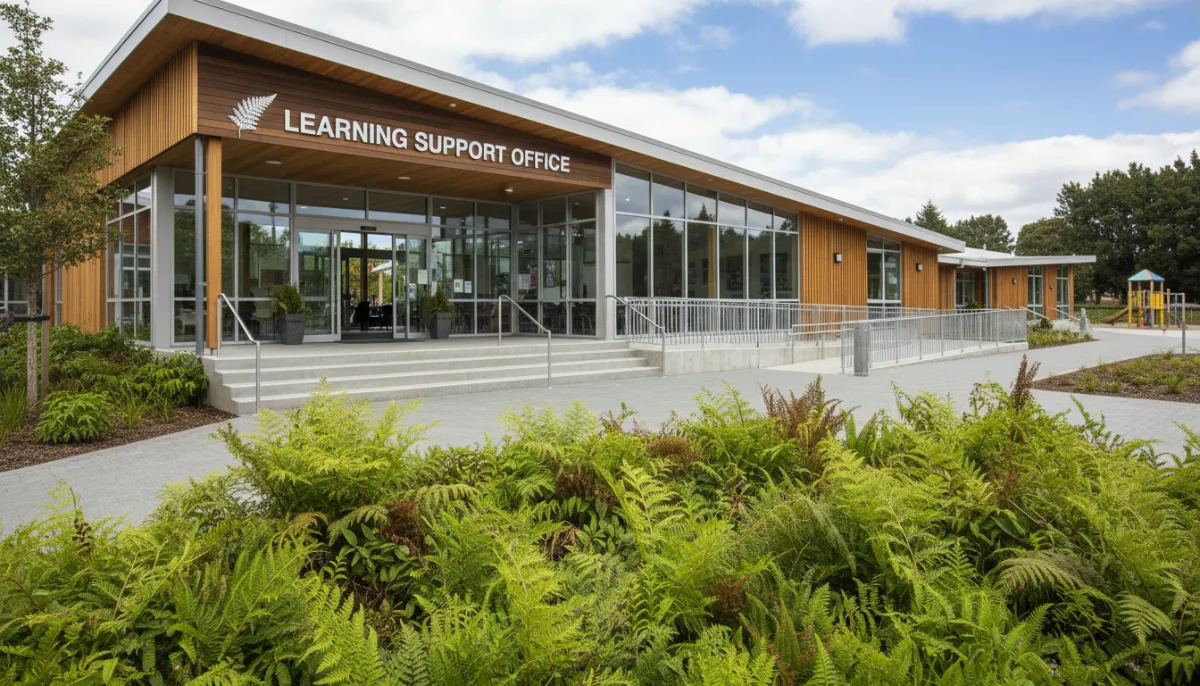
If your child is not yet enrolled, you can contact the Ministry of Education directly.
Their regional offices maintain lists of learning support providers and can guide you toward schools with robust support infrastructures.
Additionally, community organizations like IHC New Zealand or Parent to Parent can provide independent advisors who act as a SENCO support person for families during high-stakes meetings.
What funding is available for a SENCO support person in NZ?
Funding for learning support in New Zealand is primarily managed through the Ministry of Education.
A SENCO support person will typically apply for funding via several streams:
- ORS (Ongoing Resourcing Scheme): For students with the highest level of need.
- HLN (High Health Needs): Specifically for medical or physical requirements.
- Behavioral Support: Targeted interventions for social/emotional regulation.
- Communication Service: For students requiring speech-language therapy.
It is important to note that many schools also use their “Special Education Grant” (SEG) to fund a SENCO support person or additional teacher aide hours for students who do not meet the strict ORS criteria.

Navigating the Individual Education Plan (IEP) Process
The IEP is the roadmap for your child’s success. Your SENCO support person will lead this process, but as a parent, you are a core member of the team.
An effective IEP should be SMART: Specific, Measurable, Achievable, Relevant, and Time-bound.
In New Zealand, these plans are reviewed at least twice a year to ensure they remain relevant to the child’s progress.
Your SENCO support person will facilitate the invitation of external experts, such as Occupational Therapists or Educational Psychologists, to these meetings to ensure the strategy is evidence-based.
- Identify the student’s current strengths and challenges.
- Set 3-5 long-term goals for the academic year.
- Define the specific resources (hours, technology, staff) needed.
- Assign responsibilities to specific staff members.
- Schedule the next review date.
Advocacy and External Support Agencies
Sometimes, the relationship between a school and a family can become strained.
In these instances, finding an external SENCO support person or advocate is essential.
Organizations like Whaikaha – Ministry of Disabled People provide resources for navigating disability support services outside of the classroom that often overlap with educational needs.
If you feel your child’s needs are not being met, you have the right to request a formal review of their learning support allocation under the Education and Training Act 2020.

Conclusion & Key Takeaways
Securing a SENCO support person is the single most effective way to ensure your child receives the education they deserve in New Zealand.
By understanding the roles of the MoE, the structure of the IEP, and your rights as a parent, you can build a collaborative environment that fosters growth and confidence.
Key Takeaways:
- A SENCO support person is a school-based coordinator for all diverse learning needs.
- Every NZ school has a staff member responsible for this role.
- The IEP process is a collaborative legal requirement for funded students.
- Funding streams like ORS and RTLB are accessible through the SENCO.
- External advocacy is available through agencies like IHC and Whaikaha.