Emergency Housing Providers Auckland: The Complete NZ Guide to Support Services
Est. Read Time: 12 mins | Last Updated: 22 December 2025 01:08 AM
Finding reliable emergency housing providers Auckland is a critical step for families and individuals facing immediate homelessness or housing instability in New Zealand’s largest city. Auckland’s housing market presents unique challenges, making the role of state-funded and community-led social services vital for the safety and wellbeing of our most vulnerable citizens. Emergency housing is designed as a short-term intervention (usually 7 days at a time) to ensure no New Zealander is forced to sleep on the street or in a vehicle.

In this definitive guide, we explore the intricate network of support systems available in the Tāmaki Makaurau region. From government grants to the compassionate work of NGOs, understanding how to navigate these services is essential for those in crisis.
Understanding the Landscape of Emergency Housing Providers Auckland
The system for emergency housing providers Auckland operates as a partnership between the public sector and non-profit organisations. The primary gateway to these services is through the Ministry of Social Development (MSD).
When an individual or whānau (family) has nowhere to stay tonight, the government provides an Emergency Housing Special Needs Grant (EHSNG). This grant pays for short-term stays in commercial accommodation, primarily motels, which act as temporary providers.
“The goal of emergency housing is not just a roof for the night, but a bridge to permanent, stable living conditions. It requires a collaborative effort between the state and local iwi-led organisations.” – Aria Thompson, Housing Specialist.

- Initial assessments are conducted via Work and Income service centres.
- Grants are typically issued for 7 to 21 days depending on the situation.
- Auckland has the highest concentration of emergency motel providers in NZ.
- Recipients are expected to contribute 25% of their income toward the cost.
Major Community Housing Providers (CHPs) in Auckland
While motels serve as the immediate safety net, established community housing providers (CHPs) offer more structured support. These organisations provide transitional housing, which includes wraparound services to help tenants transition into long-term rentals or social housing managed by Kāinga Ora.
1. The Salvation Army (Sallies)
The Salvation Army is a cornerstone of Auckland’s social fabric. They provide emergency beds and transitional housing throughout South Auckland and West Auckland. Their service includes budgeting advice and food support.
2. Monte Cecilia Housing Trust
Focusing specifically on low-income families, Monte Cecilia provides emergency housing and social work support. They are particularly active in the Mangere and Otahuhu areas, advocating for children’s rights to safe housing.

3. VisionWest Community Trust
Based in Waitakere, VisionWest is a major player in West Auckland. They offer a ‘Housing First’ model, which prioritises getting individuals into homes before addressing secondary issues like addiction or unemployment.
4. Emerge Aotearoa
Emerge Aotearoa provides health and social services alongside housing. They manage several facilities in the Auckland CBD and North Shore, focusing on those with mental health needs or reintegration requirements.
How do I apply for emergency housing in Auckland?
Applying for support from emergency housing providers Auckland requires a formal assessment by Work and Income. You cannot usually walk into a private motel and ask for an emergency room under the government scheme without an MSD referral.
The application involves demonstrating that you have exhausted all other options, such as staying with family or friends. You must also prove your residency status and provide evidence of your financial situation.
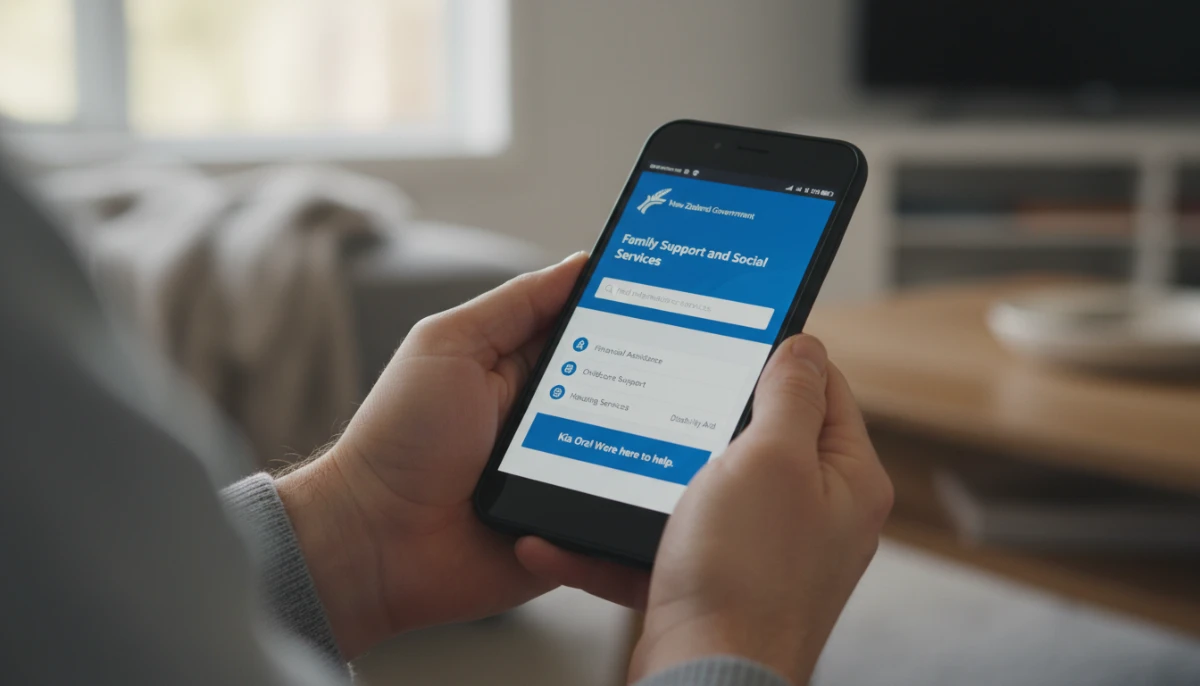
- Step 1: Call 0800 559 009 or visit a local Work and Income office.
- Step 2: Undergo a housing assessment to determine your ‘Priority’ level.
- Step 3: If approved, MSD will find an available provider or motel.
- Step 4: Ongoing check-ins are required to maintain the grant.
What is the difference between emergency and transitional housing?
It is common to confuse these two terms, but they serve different roles within the Auckland social sector.
Emergency Housing: This is immediate, often motel-based, and very short-term. There is often minimal on-site support, though this is changing with the introduction of more security and social workers in Auckland motels.
Transitional Housing: This is the next step up. It is managed by providers like the Salvation Army or VisionWest. Tenants usually stay for up to 12 weeks and receive intensive support to find a permanent home. It is generally a more stable environment for families with children.
“Auckland families often move from emergency motel stays into transitional housing as a pathway to a permanent Kāinga Ora home. Stability is the primary objective for the children involved.”
Frequently Asked Questions
Who qualifies for emergency housing grants in New Zealand?
Eligibility is based on an immediate lack of housing and a demonstrated need for financial assistance. You must be a NZ citizen or permanent resident and meet the income and asset tests. Most recipients are individuals or families who have been evicted, are fleeing domestic violence, or have had a sudden change in circumstances.
Are emergency housing motels safe for families?
The government has increased funding for security and support services at emergency housing motels in Auckland to improve safety. However, families are encouraged to move into dedicated transitional housing facilities as soon as a vacancy becomes available for better long-term outcomes.

How long can I stay in emergency housing?
There is no hard limit, but grants are reviewed weekly or fortnightly. You must show that you are actively searching for a private rental or waiting for a social housing placement to continue receiving support.
Conclusion and Key Takeaways
The network of emergency housing providers Auckland remains a lifeline for thousands. While the system is complex, the combination of MSD funding and the grassroots expertise of community providers ensures that help is available for those in genuine need. If you are facing housing distress, the most important step is to reach out to official channels immediately.
Key Takeaways:
- MSD is the primary entry point for all emergency housing grants in Auckland.
- Motels provide immediate relief, while CHPs offer long-term transitional support.
- Major providers include The Salvation Army, Monte Cecilia, and VisionWest.
- Recipients must contribute 25% of their income toward emergency housing costs.
- Active searching for permanent housing is a requirement for ongoing eligibility.
About the Expert
Aria Thompson is a Senior Housing Policy Analyst with over 15 years of experience in the New Zealand social services sector. Based in Auckland, she has worked closely with both government agencies and NGOs to develop sustainable housing models for vulnerable populations. She holds a Master’s degree in Social Policy from the University of Auckland and is a regular contributor to NZ housing reform discussions.