Disputing a Tenancy at Tribunal
Est. Read Time: 12 mins | Last Updated: 22 December 2025 01:13 AM
A tenancy tribunal application is the formal legal mechanism within the New Zealand judicial system designed to resolve disputes between landlords and tenants that have reached an impasse. This process provides a legally binding resolution under the jurisdiction of the Residential Tenancies Act 1986, ensuring that both parties have access to a fair hearing when mediation fails to produce a mutually agreeable outcome.
Understanding Your Tenancy Tribunal Application
Navigating the legal landscape of rental agreements in New Zealand can be daunting. When a dispute regarding bond refunds, rent arrears, or property damage arises, the Tenancy Tribunal acts as a specialized branch of the District Court. Filing a tenancy tribunal application is often the final step in a process that begins with a 14-day notice to remedy or a failed mediation session.
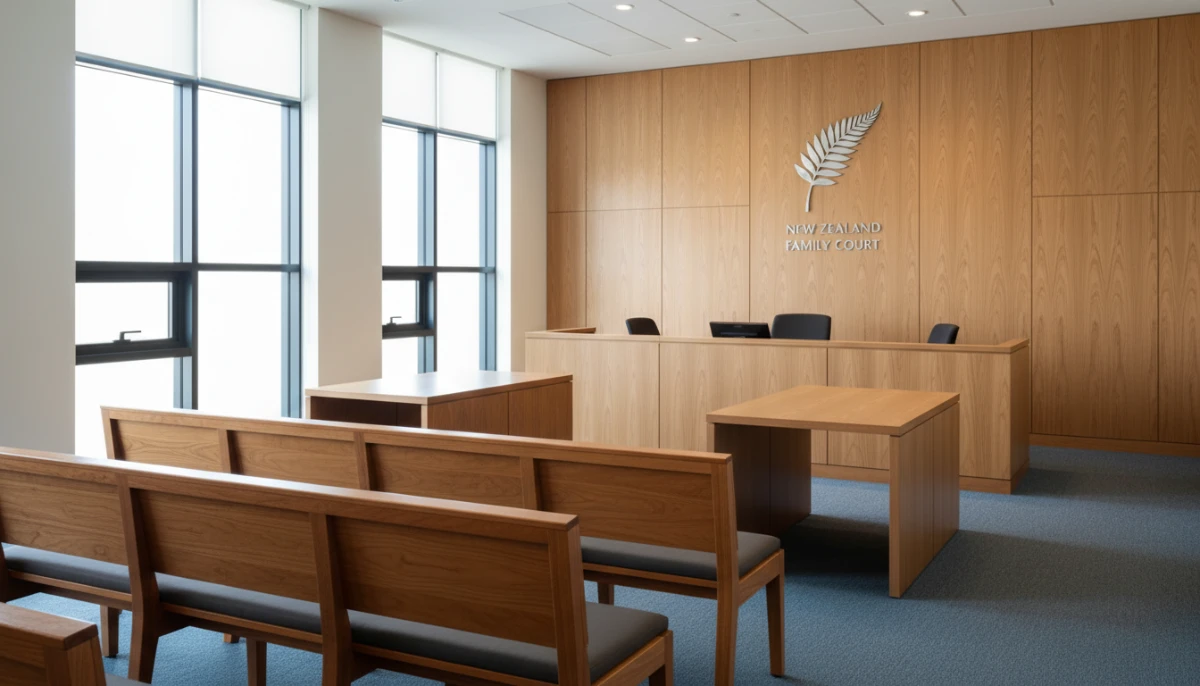
The Tribunal has the power to grant orders up to $100,000. For most New Zealanders, this involves claims related to the Healthy Homes Standards, unlawful entry by landlords, or abandoned goods. It is essential to understand that the Tribunal’s decisions are publicly searchable, which emphasizes the importance of a well-prepared and professional submission.
How do I start a tenancy tribunal application?
To initiate the process, you must submit your application through the Tenancy Services online portal. The current application fee is $20.44 (GST inclusive), which is non-refundable but can be awarded back to you if you win your case. You will need to provide the physical address of the property, the contact details of the other party, and a clear summary of the dispute.
- Ensure you have a copy of the original Tenancy Agreement.
- Gather all communication logs, including emails and SMS messages.
- Provide proof of any financial loss, such as quotes or bank statements.
- Identify the specific sections of the Residential Tenancies Act 1986 that have been breached.
- Pay the filing fee immediately to avoid processing delays.
“A successful application isn’t just about being right; it’s about being organized. The Adjudicator relies on documented proof, not hearsay. If it isn’t in writing, it effectively didn’t happen in the eyes of the law.”
— Aroha Williams, Senior Housing Advocate

What happens during a Tenancy Tribunal hearing?
During the hearing, an Adjudicator will preside over the session. Unlike a full court trial, the atmosphere is slightly less formal, but the rules of evidence still apply. Both the applicant and the respondent will have the opportunity to present their side of the story. You are generally expected to represent yourself, though you can apply to have a lawyer or a representative if the dispute meets certain criteria or if the other party is also represented.
The Adjudicator will ask questions to clarify points of contention. It is vital to remain calm and respectful. Disruptive behavior can negatively impact the outcome. Once all evidence is heard, the Adjudicator may make a decision on the spot or ‘reserve’ their decision, sending a written order via email or post within a few days.

How long does a tenancy tribunal application take to resolve?
The timeline for a tenancy tribunal application can vary significantly based on your location in New Zealand. In major centers like Auckland or Christchurch, the wait time for a hearing can range from 6 to 12 weeks. However, if the matter is urgent—such as an illegal lockout or a significant health and safety risk—the process can be expedited.
- Application Submission: Day 1
- Mediation Invitation: Week 1–2
- Notice of Hearing: Week 4–6
- The Hearing: Week 8–10
- Final Order Issued: Within 5 working days post-hearing
To speed up the process, ensure that your application is complete. Incomplete applications are the leading cause of delays, as Tenancy Services must follow up for missing documents or incorrect addresses. For more information on current wait times, visit the Tenancy Services website.
Preparing Your Evidence and Documentation
Evidence is the backbone of your claim. For a landlord, this might include inspection reports and photos of damage. For a tenant, it could be receipts for repairs they paid for or evidence of a lack of maintenance. The Tribunal operates on the “balance of probabilities,” meaning the Adjudicator must decide which version of events is more likely to be true based on the evidence provided.
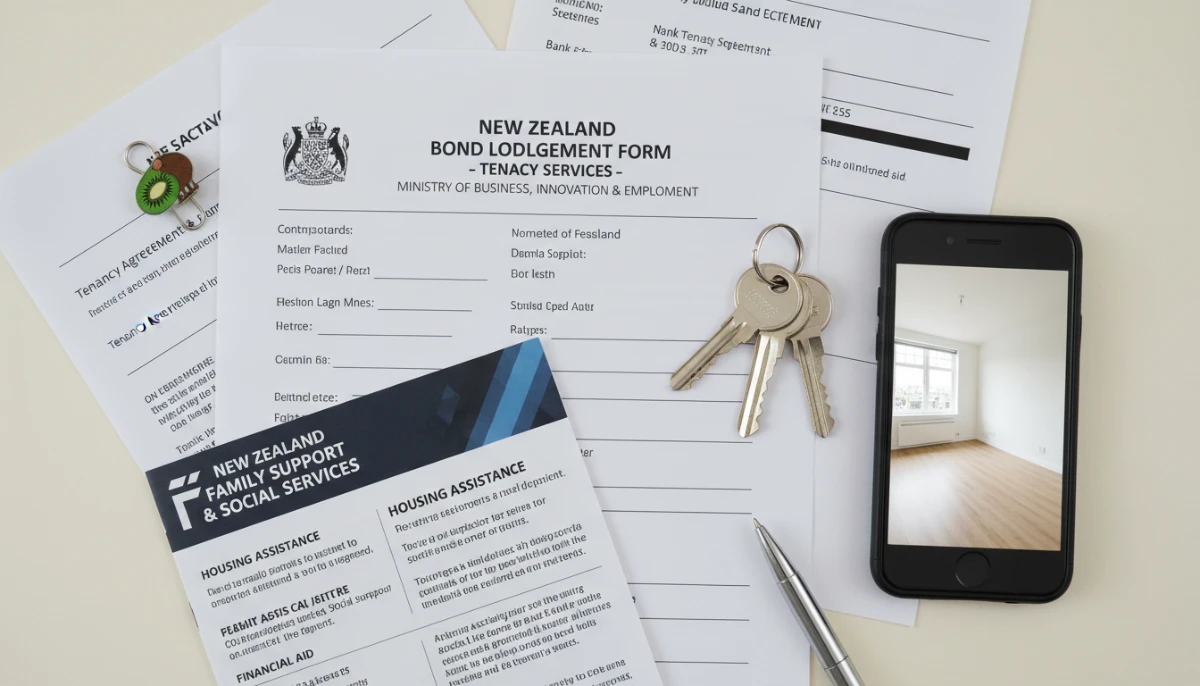
If you are disputing a bond, ensure you have the initial entry inspection report. This document is the primary benchmark for the property’s condition at the start of the tenancy. Without it, proving that damage was caused by the tenant—rather than being pre-existing—becomes significantly harder. Check the Ministry of Justice portal for specific filing requirements.
Mediation vs. The Tribunal: Which Path to Take?
Before your case reaches a hearing, you will usually be offered mediation. This is a facilitated discussion where a mediator helps both parties reach a settlement. Mediation is faster, cheaper, and often less stressful than a formal hearing. If a settlement is reached, it can be made into a legally binding order. If mediation fails, the matter automatically proceeds to the Tribunal hearing.
Mediation is particularly effective for rent arrears where a payment plan can be established. However, for complex legal breaches or cases involving significant animosity, a Tribunal hearing may be necessary to ensure an impartial judicial ruling.
Expert Tips for a Successful Outcome
When appearing at the Tribunal, preparation is your greatest asset. Create a “bundle of documents” for the Adjudicator and the other party. Number each page so you can easily refer to specific pieces of evidence during your testimony. For example, you might say, “As shown on page 4 of my evidence, the landlord was notified of the leak on January 15th.”
Key Takeaways:
- Always attempt to resolve the issue in writing before filing an application.
- Ensure your tenancy tribunal application cites the correct sections of the Residential Tenancies Act.
- Organize your evidence chronologically to tell a clear, logical story.
- Be prepared for mediation as a faster alternative to a full hearing.
- Keep a copy of all submitted documents for your own records.
- Check the status of your bond via the Tenancy Services portal regularly.
About the Expert
Aroha Williams is a Senior Housing Advocate with over 15 years of experience in New Zealand property law. She has represented hundreds of clients in the Tenancy Tribunal and is a regular contributor to housing policy discussions at the governmental level. Aroha specializes in tenant rights and Healthy Homes compliance.